Introduction: The Lemon Vinaigrette That Transformed My Salads
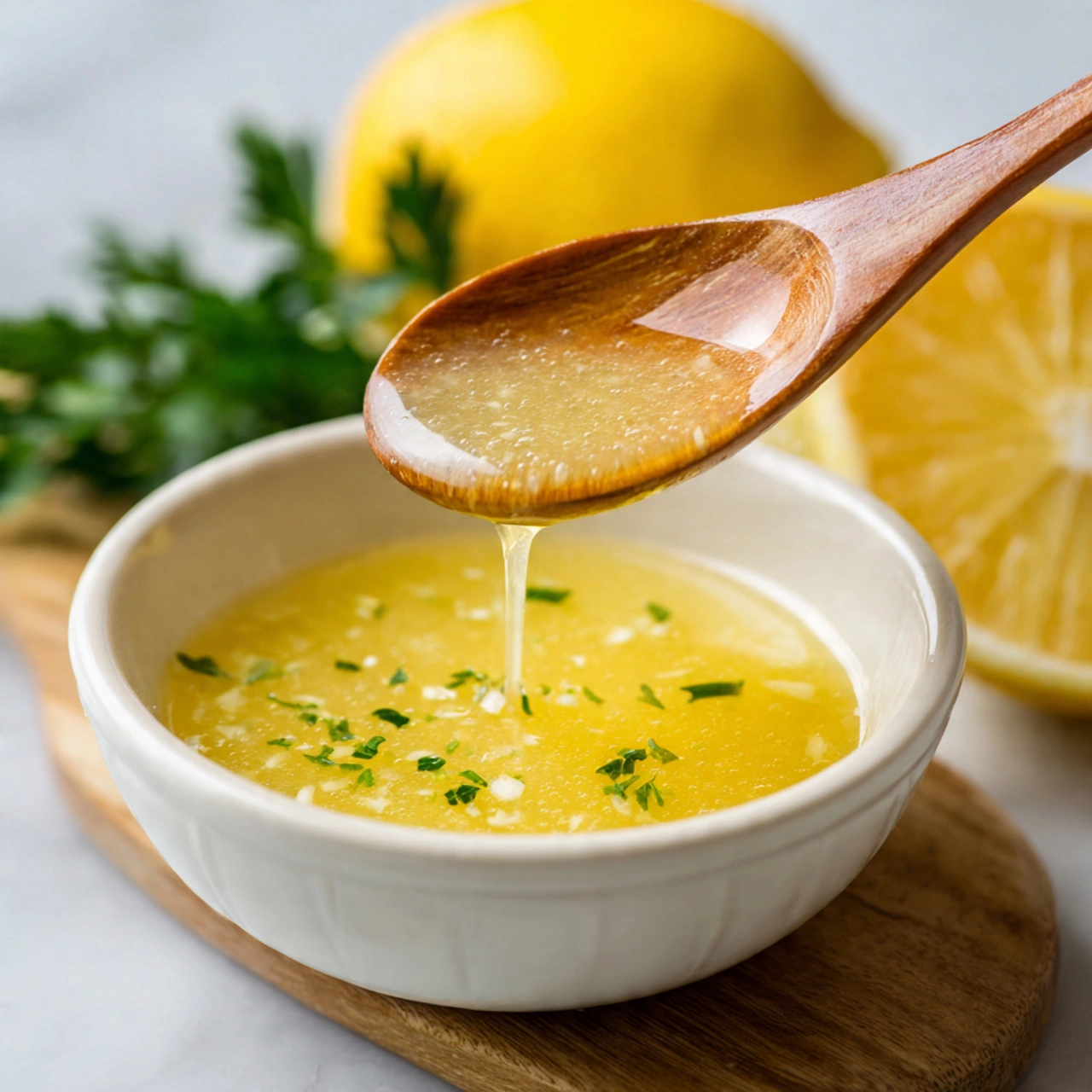
This lemon vinaigrette is the game-changing discovery that converted me from someone who bought bottled dressings to someone who actually feels sorry for people who don’t make their own. With just five simple ingredients—fresh lemon juice, good olive oil, Dijon mustard, garlic, and a touch of honey—this bright, tangy, perfectly balanced dressing comes together in less time than it takes to find the salad dressing in your refrigerator door, and it tastes infinitely better than anything you can buy in a store.
I’ll never forget the moment I realized I’d been wasting money on bottled dressings my entire adult life. I was at a friend’s house for dinner, and she casually whisked together a vinaigrette while we were chatting, poured it over a simple green salad, and I took a bite that made me actually stop talking mid-sentence.
What makes this Lemon Vinaigrette so exceptional is its versatility and the way it manages to be both simple and sophisticated. The lemon juice provides bright acidity that wakes up everything it touches, the olive oil adds richness and carries flavors, the Dijon mustard acts as an emulsifier while contributing its own pleasant tang, the garlic adds aromatic depth.
Beyond the outstanding flavor, this vinaigrette is incredibly practical. It takes five minutes to make, keeps in the refrigerator for up to two weeks, works on virtually any salad you can imagine, doubles as a marinade for chicken or fish, transforms roasted vegetables, and makes you look like someone who has their life together even when you definitely don’t.
What I love most about homemade Lemon Vinaigrette is how it reconnects you with real food. Store-bought dressings are full of stabilizers, preservatives, and weird ingredients you can’t pronounce.
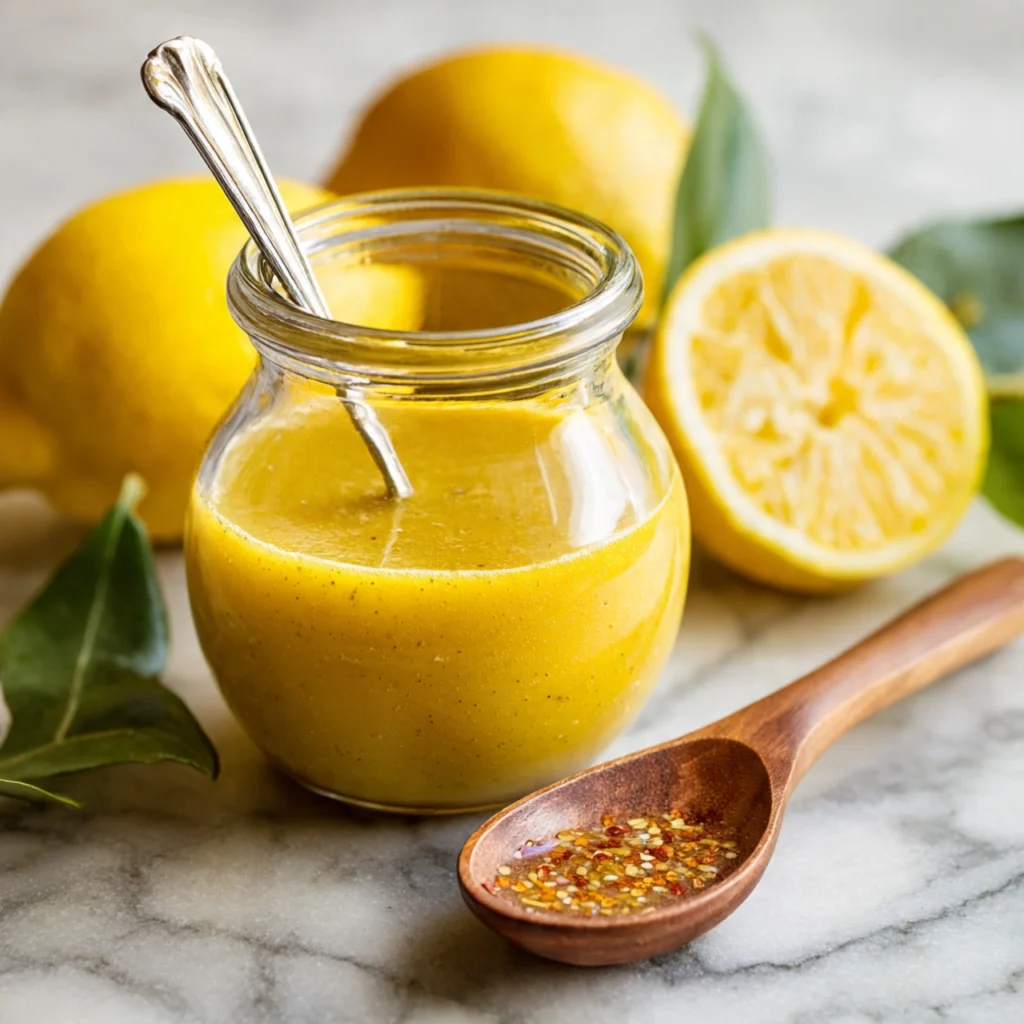
Understanding What Makes Perfect Lemon Vinaigrette
Before we dive into the recipe, let’s talk about what distinguishes exceptional Lemon Vinaigrette from mediocre versions.
The Acid-to-Oil Ratio: The classic vinaigrette ratio is 3 parts oil to 1 part acid (3:1), but lemon is less acidic than vinegar, so you can often use a 2.5:1 or even 2:1 ratio for a brighter dressing. The ratio determines whether the dressing is mellow and rich (more oil) or bright and tangy (more acid).
The Emulsification: A proper vinaigrette should be emulsified—meaning the oil and acid are whisked together into a unified mixture rather than separating immediately. The Dijon mustard acts as an emulsifier, helping these two incompatible liquids stay mixed. A well-emulsified vinaigrette coats salad greens evenly instead of pooling at the bottom of the bowl.
The Quality of Ingredients: With only five ingredients, each one matters. Fresh lemon juice tastes completely different from bottled (use fresh!), good extra virgin olive oil makes a huge difference, and fresh garlic beats jarred garlic every time.
The Balance: The best lemon vinaigrettes achieve harmony between brightness (lemon), richness (olive oil), pungency (garlic and mustard), and a subtle sweetness (honey) that rounds everything out. No single flavor should dominate.
The Seasoning: Proper salt and pepper are essential. Salt brightens all the flavors and makes the dressing taste complete; pepper adds subtle heat and complexity.
When all these elements come together correctly, you get a dressing that’s bright, balanced, silky, and absolutely transforms whatever you put it on—from a simple green salad to roasted vegetables to grilled chicken.
Ingredients for Perfect Lemon Vinaigrette
This recipe makes about 3/4 cup of vinaigrette, enough for 6-8 salads or multiple uses throughout the week.
Main Components:
- 1/3 cup fresh lemon juice (from 2-3 lemons)
- 2/3 cup extra virgin olive oil
- 1 tablespoon Dijon mustard
- 1 clove garlic, minced or pressed
- 1 teaspoon honey (or maple syrup for vegan)
- 1/2 teaspoon salt (kosher or sea salt)
- 1/4 teaspoon freshly ground black pepper
Optional Add-Ins and Variations:
- Fresh herbs (1 tablespoon chopped: basil, parsley, dill, or thyme)
- Shallot (1 tablespoon minced) instead of or in addition to garlic
- Lemon zest (1 teaspoon) for extra lemon flavor
- Red pepper flakes (1/4 teaspoon) for heat
- Grated Parmesan (2 tablespoons) for a creamy, cheesy version
- White wine vinegar (1 tablespoon) for more complex acidity
Ingredient Deep Dive
Fresh Lemon Juice: This is absolutely non-negotiable. Bottled lemon juice tastes flat and artificial compared to fresh. You need about 2-3 lemons to get 1/3 cup of juice. Roll the lemons on the counter with firm pressure before cutting—this breaks down the membranes and releases more juice.
Extra Virgin Olive Oil: Quality matters here since the olive oil flavor is prominent. Use a good extra virgin olive oil that you’d be happy to dip bread in. Very peppery, robust oils can be too strong for some people in vinaigrettes—a fruity, medium-bodied oil works well.
Dijon Mustard: This isn’t just for flavor—it’s the emulsifier that helps the oil and lemon juice stay mixed. Regular yellow mustard doesn’t work as well. Dijon has a smooth texture and pleasant tang that enhances the vinaigrette. Whole grain mustard works too and adds texture.
Garlic: Fresh garlic is essential for the best flavor. One clove is perfect for most people, but garlic lovers can use two. Mince it very finely or use a garlic press. For a milder garlic flavor, crush the clove and let it steep in the lemon juice for 10 minutes, then remove it before whisking the dressing.
Honey: Just a teaspoon balances the acidity without making the dressing sweet. Honey also helps with emulsification. Maple syrup works for vegans and has a slightly different but equally pleasant flavor. Agave nectar is another option.
Salt and Pepper: Kosher salt or sea salt tastes better than table salt. Start with 1/2 teaspoon and adjust to taste. Freshly ground black pepper is far superior to pre-ground—the flavor is brighter and more complex.
Step-by-Step Instructions: Creating Your Lemon Vinaigrette
Method 1: Jar Method (Easiest, Best for Beginners)
This is my preferred method—simple, foolproof, and easy to store.
- Prepare your ingredients: Juice your lemons (you need 1/3 cup juice), mince the garlic very finely, and measure everything else.
- Combine in a jar: Add the lemon juice, Dijon mustard, minced garlic, honey, salt, and pepper to a mason jar or any jar with a tight-fitting lid.
- Shake to combine: Put the lid on the jar and shake vigorously for about 10 seconds until the mustard and honey are fully dissolved and everything is well mixed.
- Add the oil: Pour in the olive oil.
- Shake vigorously: Secure the lid tightly and shake hard for 30-45 seconds. You’ll see the dressing transform from separated liquids to a creamy, emulsified mixture. Shake until it looks uniform and slightly thickened.
- Taste and adjust: Open the jar and taste with a clean spoon. Add more salt, lemon juice, or honey as needed, then shake again to incorporate.
- Use or store: Use immediately or store in the refrigerator.
Method 2: Whisk Method (Classic, Gives More Control)
This traditional method allows you to add oil gradually for better emulsification.
- Combine non-oil ingredients: In a medium bowl, whisk together the lemon juice, Dijon mustard, minced garlic, honey, salt, and pepper until smooth.
- Add oil slowly: While whisking constantly with one hand, slowly drizzle in the olive oil with the other hand. Start with just a few drops at a time, whisking vigorously. As the mixture begins to emulsify and thicken, you can add the oil in a thin, steady stream while continuing to whisk.
- Whisk until emulsified: Continue whisking until all the oil is incorporated and the vinaigrette is smooth, creamy, and thickened. This takes about 2-3 minutes of active whisking.
- Taste and adjust: Sample and adjust seasonings as needed.
- Transfer to storage container: Pour into a jar or bottle for storage.
Method 3: Blender or Food Processor Method (Best Emulsification)
This method creates the most stable, creamy emulsion.
- Add non-oil ingredients to blender: Put the lemon juice, Dijon mustard, garlic, honey, salt, and pepper in a blender or food processor.
- Blend briefly: Pulse a few times to combine and mince the garlic finely.
- Add oil with motor running: With the blender running on low speed, slowly pour the olive oil through the feed tube in a thin, steady stream. The mixture will thicken and become creamy.
- Blend until emulsified: Continue blending for about 30-60 seconds until the vinaigrette is smooth and creamy.
- Taste and adjust: Transfer to a container, taste, and adjust seasonings.
Pro Tips for Perfect Lemon Vinaigrette
After making this vinaigrette hundreds of times, I’ve learned tricks that ensure success.
Achieving Perfect Emulsification
A well-emulsified vinaigrette looks better and tastes better:
- Start with room temperature ingredients: Cold oil doesn’t emulsify as well as room temperature oil
- Add oil slowly: This is crucial. Fast oil addition = broken, separated vinaigrette
- Whisk or shake vigorously: Energy is what creates emulsification
- Use Dijon mustard: Never skip this—it’s your emulsifying agent
- Blend for ultimate stability: The blender creates the most stable emulsion that won’t separate
Adjusting the Flavor Balance
Everyone’s taste is different:
- Too acidic/sour: Add more olive oil or a bit more honey
- Too oily/bland: Add more lemon juice or a splash of white wine vinegar
- Too sharp: Add a bit more honey or another tablespoon of oil
- Not bright enough: Add more lemon juice or a bit of lemon zest
- Needs depth: Add more garlic or a pinch of dried herbs (oregano, thyme)
- Needs complexity: Add a tablespoon of finely minced shallot
Making It Last Longer
Proper storage extends shelf life:
- Always refrigerate: The garlic can develop bacteria at room temperature
- Store in glass: Glass jars don’t absorb flavors and are easy to clean
- Shake before using: The dressing will separate in the fridge—this is normal. Just shake vigorously before each use
- Keep for up to 2 weeks: The fresh lemon juice keeps it fresh longer than you’d think
- Smell test: If it smells off or the garlic tastes bitter, discard it
Using It in Different Ways
This vinaigrette is incredibly versatile:
- Salad dressing: The obvious use—toss with greens, vegetables, grains
- Marinade: Use for chicken, fish, or shrimp (30 minutes to 2 hours)
- Roasted vegetable drizzle: Pour over hot roasted vegetables
- Grain bowl dressing: Perfect for quinoa, farro, or rice bowls
- Dipping sauce: For bread or crudités
- Sandwich spread: Use in place of mayo on sandwiches
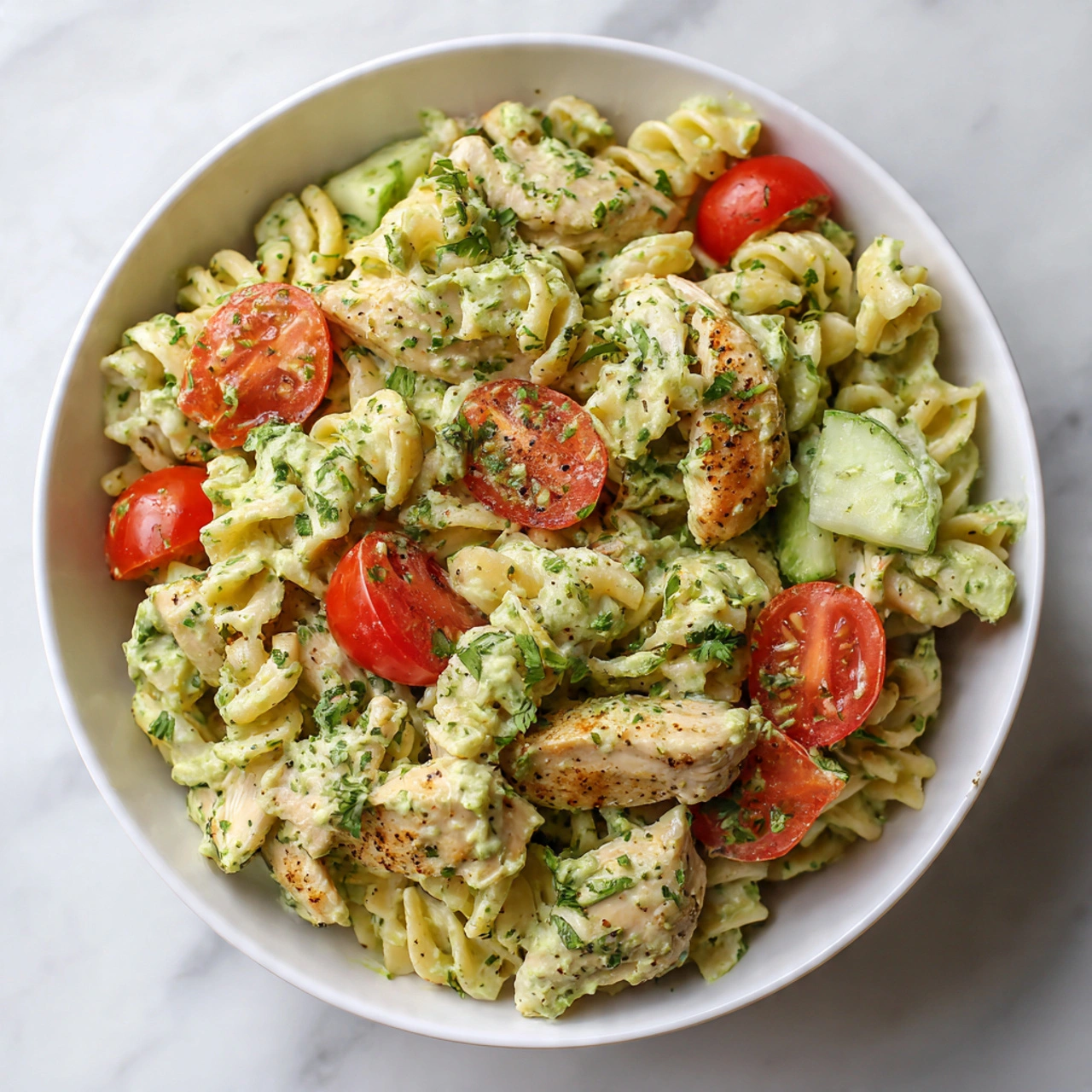
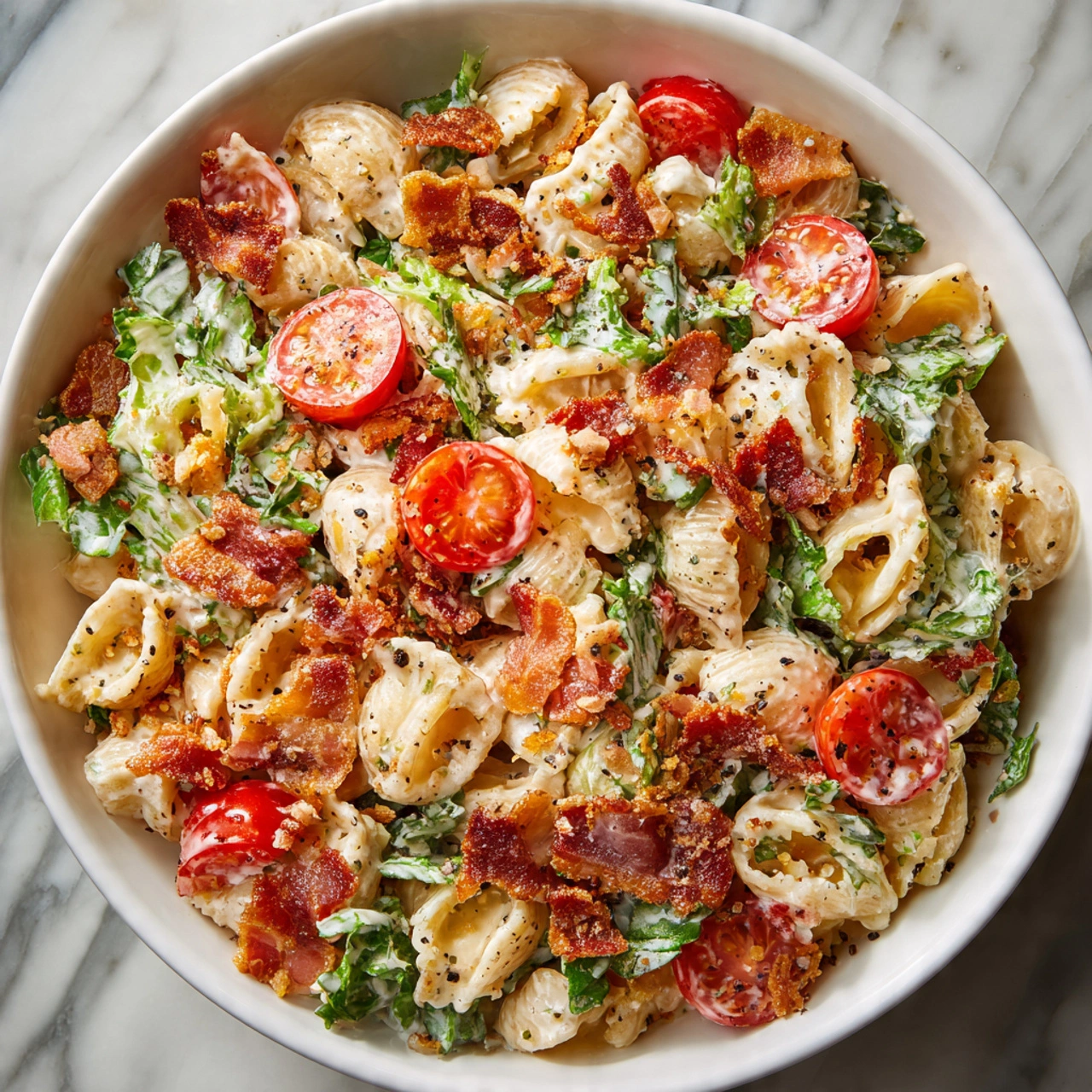
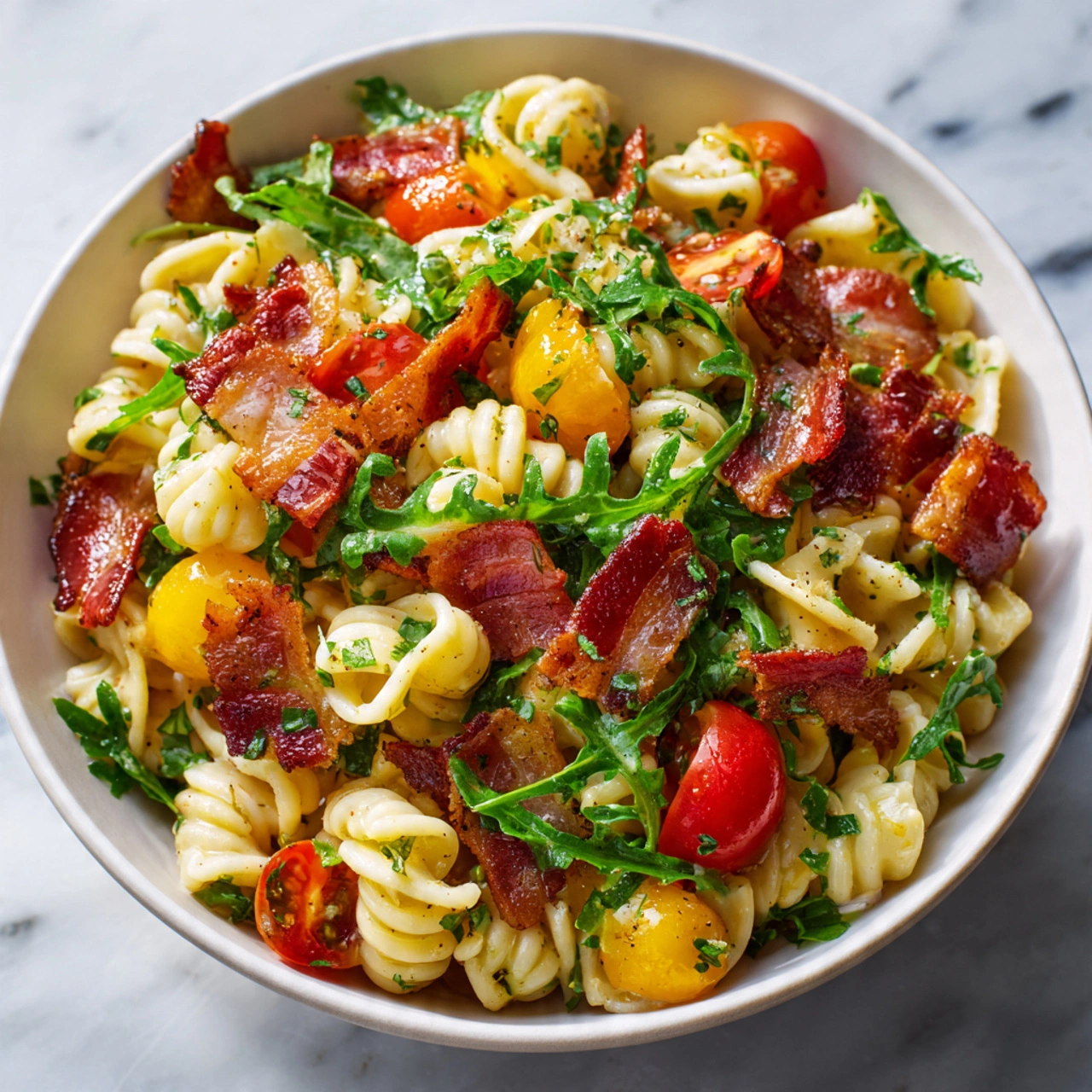
- Pasta salad dressing: Toss with cold pasta and vegetables
Creative Variations
Keep it interesting:
- Lemon herb: Add 2 tablespoons fresh chopped herbs (basil, parsley, dill)
- Lemon garlic: Double or triple the garlic for garlic lovers
- Lemon shallot: Replace garlic with 2 tablespoons minced shallot
- Creamy lemon: Add 2 tablespoons mayonnaise or Greek yogurt
- Lemon tahini: Add 1 tablespoon tahini for nutty creaminess
- Spicy lemon: Add 1/4 teaspoon red pepper flakes or a dash of hot sauce

Common Mistakes to Avoid
Understanding potential pitfalls helps you achieve perfect results every time.
Using Bottled Lemon Juice
If your vinaigrette tastes flat and artificial:
- The cause: Bottled lemon juice lacks the bright, fresh flavor of real lemons
- The fix: Unfortunately, you need to start over with fresh lemons
- Prevention: Always use fresh-squeezed lemon juice. It makes all the difference
Adding Oil Too Quickly
If your vinaigrette is separated and won’t emulsify:
- The cause: Adding oil too fast, especially at the beginning
- The fix: Start over with fresh mustard and lemon juice in a clean bowl, then add the broken vinaigrette very slowly while whisking
- Prevention: Add oil in a slow drizzle, especially for the first third of the oil
Not Whisking or Shaking Enough
If the dressing stays separated:
- The cause: Insufficient energy to create emulsification
- The fix: Shake or whisk more vigorously for at least 30 seconds
- Prevention: Really commit to vigorous whisking or shaking—it takes more effort than you’d think
Underseasoning
If the vinaigrette tastes bland:
- The cause: Not enough salt (the most common issue)
- The fix: Add salt 1/4 teaspoon at a time, shaking/whisking after each addition
- Prevention: Always taste before storing and add salt until it tastes “right”—you’ll know when you hit it
Wrong Ratio of Acid to Oil
If it’s too oily or too sour:
- The cause: Not measuring carefully or personal preference differences
- The fix: Add more lemon juice if too oily, more oil if too acidic
- Prevention: Start with the recipe as written, then adjust to your taste
Using Old or Rancid Olive Oil
If the vinaigrette tastes bitter or off:
- The cause: Olive oil past its prime or stored improperly
- The fix: Unfortunately, you need fresh oil and must start over
- Prevention: Store olive oil in a cool, dark place, use within a year of opening, and smell/taste it before using
Storage and Serving Suggestions
Proper storage maintains quality and makes weeknight salads effortless.
How to Store Lemon Vinaigrette
Refrigerator (Recommended): Store in a glass jar with a tight-fitting lid for up to 2 weeks. The vinaigrette will separate as it sits—this is completely normal. Just shake vigorously for 20-30 seconds before each use to re-emulsify.
Room Temperature: Due to the fresh garlic, don’t store at room temperature for more than a few hours. Garlic in oil can develop botulism bacteria if left unrefrigerated.
Freezer: Not recommended. The emulsion will break when thawed, and the texture will be off.
Best Practices:
- Use a clean spoon each time you use it (don’t double-dip)
- Keep the jar clean and wipe any drips from the rim
- Store toward the back of the fridge where temperature is most consistent
- Let it come to room temperature before using for best flavor (remove from fridge 20 minutes before serving)
Serving Suggestions
Salad Applications:
- Mixed green salads (arugula, spinach, spring mix)
- Grain salads (quinoa, farro, bulgur)
- Pasta salads
- Bean salads
- Chopped salads
- Caesar-style salads (it’s delicious on romaine)
Beyond Salad:
- Drizzled over grilled fish or chicken
- Tossed with roasted vegetables (broccoli, asparagus, Brussels sprouts)
- Mixed into coleslaw
- As a marinade for chicken, shrimp, or tofu
- Drizzled over avocado toast
- Mixed with chickpeas for a quick salad
- On grain bowls or Buddha bowls
How Much to Use:
- For a side salad (serves 2): 2-3 tablespoons
- For a large salad (serves 4-6): 1/4 to 1/3 cup
- For marinating: 1/4 cup per pound of protein
- For roasted vegetables: 2-3 tablespoons per baking sheet
Presentation:
- Drizzle artistically over plated salads
- Serve on the side in a small pitcher for people to add their own
- Store in a pretty glass bottle for table service
- Use a squeeze bottle for controlled drizzling
Frequently Asked Questions
Can I make this without Dijon mustard?
While Dijon mustard helps emulsify the vinaigrette and adds flavor, you can make it without—the dressing just won’t stay emulsified as long and will separate more quickly. If you don’t have Dijon, try using 1/2 teaspoon dry mustard powder or a teaspoon of regular yellow mustard (though the flavor will be different). For a mustard-free emulsifier, you can use 1 tablespoon of mayonnaise, though this changes the flavor profile.
Why does my vinaigrette separate in the fridge?
This is completely normal! Vinaigrettes naturally separate because oil and water (lemon juice is mostly water) don’t want to stay mixed. The emulsion is temporary, held together by vigorous whisking or shaking and the emulsifying properties of mustard. When chilled, the oil solidifies slightly and separation happens more readily. Just shake the jar vigorously for 20-30 seconds before each use to re-emulsify. This is why I recommend storing in a jar with a lid rather than a bottle—easier to shake.
Can I make this dairy-free or vegan?
Yes! The basic recipe is already dairy-free. To make it vegan, simply replace the honey with maple syrup or agave nectar. The flavor will be slightly different but equally delicious. If you’re adding Parmesan for a variation, use nutritional yeast instead for a vegan cheesy flavor. The vinaigrette is naturally gluten-free, egg-free, and suitable for most dietary restrictions.
How long does homemade lemon vinaigrette last?
Properly stored in the refrigerator, this vinaigrette will keep for up to 2 weeks. The fresh lemon juice acts as a preservative due to its acidity, which prevents bacterial growth. However, the fresh garlic can start to develop off-flavors after about 10-14 days. If you want it to last longer, you can make it without garlic and add fresh minced garlic to each portion as you use it. Always smell and taste before using—if it smells off or tastes bitter, discard it.
What’s the best ratio of lemon juice to oil?
The classic vinaigrette ratio is 3 parts oil to 1 part acid (3:1), but this is flexible based on personal preference. For lemon vinaigrette, I prefer 2:1 (2/3 cup oil to 1/3 cup lemon juice) because lemon is less acidic than vinegar and I like a brighter dressing. If you prefer a mellower, more oil-forward dressing, use a 3:1 ratio (3/4 cup oil to 1/4 cup lemon juice). If you love bright, tangy dressings, try 1.5:1 (about 1/2 cup oil to 1/3 cup lemon juice). Start with the recipe as written and adjust to your taste.
Can I use lime juice instead of lemon?
Absolutely! Lime juice creates a slightly different but equally delicious vinaigrette. Lime is a bit more floral and less sharp than lemon. Use the same amount—1/3 cup fresh lime juice (from about 4-5 limes). The resulting dressing is fantastic on Mexican-inspired salads, fish tacos, or grain bowls with black beans and corn. You can also use a combination of lemon and lime juice for complexity.
Why is my vinaigrette bitter?
Bitterness usually comes from one of three sources: (1) The olive oil is old, rancid, or poor quality—smell and taste your oil before using; (2) There’s too much lemon pith (the white part) mixed in with the juice—strain your lemon juice if needed; or (3) The garlic is old or has developed bitter compounds—use fresh, firm garlic cloves. Very peppery olive oils can also taste bitter to some people—try using a milder oil or cutting it with neutral oil.
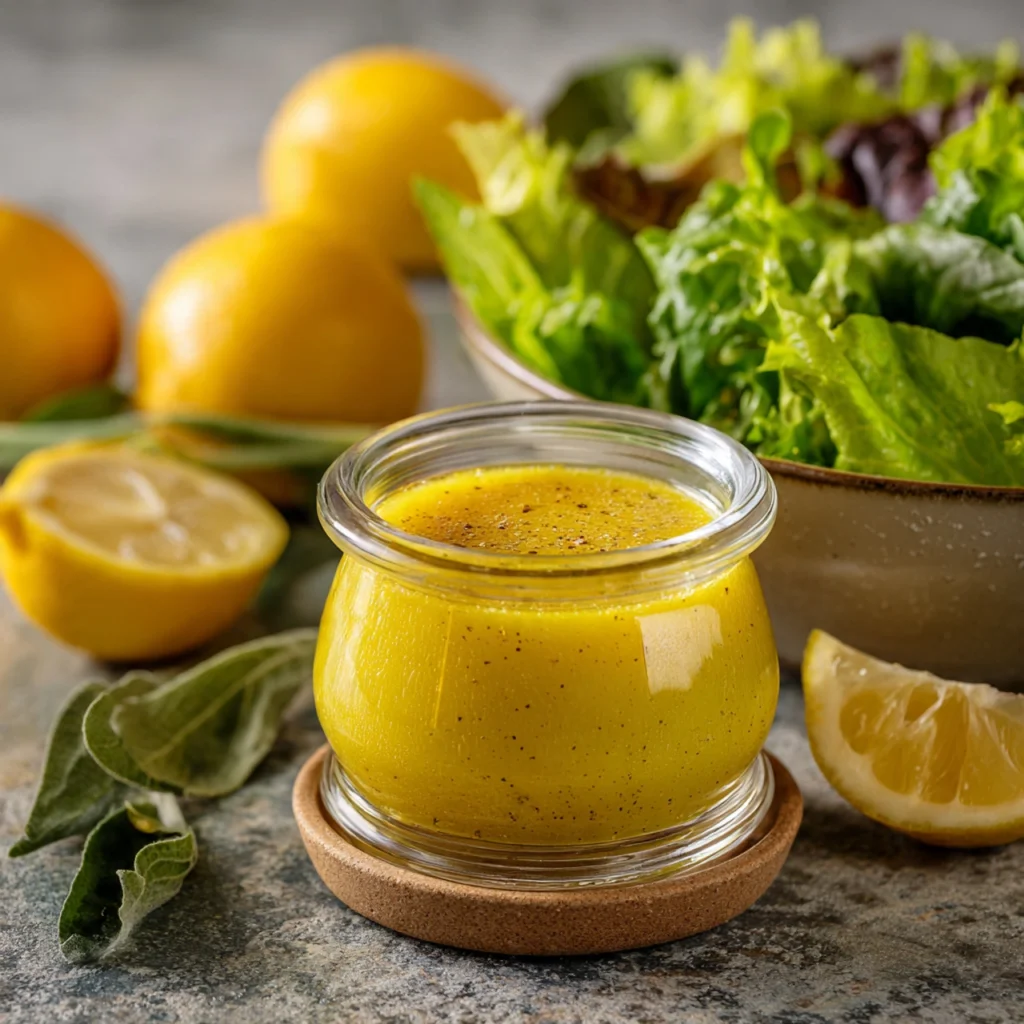
Nutrition Information (Per Serving)
Based on 12 servings (1 tablespoon each) from one recipe.
Serving Size: 1 tablespoon
- Calories: 80-90
- Total Fat: 9-10g
- Saturated Fat: 1-1.5g
- Monounsaturated Fat: 7-8g (healthy fats from olive oil)
- Cholesterol: 0mg
- Sodium: 75-100mg
- Total Carbohydrates: 1-2g
- Dietary Fiber**: 0g
- Sugars: 1g
- Protein: 0g
- Vitamin C: 4-6% Daily Value (from lemon)
Nutritional Highlights
This vinaigrette is a healthy choice for several reasons:
Heart-Healthy Fats: The olive oil provides monounsaturated fats that support heart health and may help reduce inflammation.
No Additives: Unlike store-bought dressings, this contains no preservatives, stabilizers, artificial flavors, or strange ingredients.
Low Sodium: Contains significantly less sodium than most bottled dressings (which can have 200-400mg per tablespoon).
Antioxidants: Lemon juice provides vitamin C, and extra virgin olive oil contains polyphenols—both powerful antioxidants.
Blood Sugar Friendly: The small amount of honey provides minimal sugar, and the fat from olive oil helps slow sugar absorption.
To Make It Even Healthier:
- Use all extra virgin olive oil (no cutting with neutral oils)
- Reduce or omit the honey
- Add fresh herbs for extra nutrients and antioxidants
This is a dressing you can feel good about using generously!
Conclusion: Never Buy Bottled Dressing Again
This lemon vinaigrette is your gateway to a world where salads are exciting, vegetables are crave-worthy, and you control exactly what goes into your food. It’s proof that the best things in cooking are often the simplest—just a few quality ingredients, proper technique, and five minutes of your time.
What I love most about making my own vinaigrette is the sense of empowerment it brings. I’m no longer at the mercy of whatever’s on sale at the grocery store or reading ingredient labels trying to decipher what “xanthan gum” is. I know exactly what’s in my dressing, and it tastes better than anything I could buy.
I hope this comprehensive guide gives you everything you need to make perfect lemon vinaigrette with complete confidence. Whether you’re dressing a simple green salad, marinating chicken for dinner, or drizzling over roasted vegetables, this bright, versatile dressing will transform your meals.
So grab those lemons, dust off that nice olive oil, and get ready to make the freshest, most delicious salad dressing you’ve ever tasted. Your salads—and your taste buds—will never be the same!
PrintLemon Vinaigrette Recipe: The 5-Minute Dressing That Changes Everything
A bright, versatile homemade dressing made with fresh lemon juice, extra virgin olive oil, Dijon mustard, garlic, and honey. Perfect for salads, marinades, and roasted vegetables. Ready in 5 minutes!
- Prep Time: 5 minutes
- Cook Time: 0 minutes
- Total Time: 5 minutes
- Yield: About 3/4 cup (12 tablespoons)
- Category: Condiments, Salad Dressing, Sauce
- Method: Whisked, Emulsified
- Cuisine: Mediterranean, French
- Diet: Vegetarian
Ingredients
- 1/3 cup fresh lemon juice (2-3 lemons)
- 2/3 cup extra virgin olive oil
- 1 tbsp Dijon mustard
- 1 clove garlic, minced
- 1 tsp honey
- 1/2 tsp salt
- 1/4 tsp black pepper
Instructions
Jar Method:
- Add lemon juice, Dijon mustard, minced garlic, honey, salt, and pepper to jar
- Shake to combine (10 seconds)
- Add olive oil
- Shake vigorously 30-45 seconds until emulsified
- Taste and adjust seasonings
- Use immediately or refrigerate
Whisk Method:
- Whisk lemon juice, mustard, garlic, honey, salt, pepper in bowl
- While whisking constantly, slowly drizzle in olive oil
- Continue whisking until emulsified (2-3 minutes)
- Taste and adjust
- Transfer to jar for storage
Notes
- Always use fresh lemon juice, never bottled
- Dressing will separate in fridge—shake before using
- Adjust lemon/oil ratio to taste preference
- Add fresh herbs for variations
- Can substitute maple syrup for honey (vegan)