Introduction
The Cottage Cheese Peanut Butter Smoothie has quietly become the secret weapon of fitness enthusiasts, busy parents, and anyone who refuses to sacrifice nutrition for convenience. I’ll be honest with you—when I first heard about blending cottage cheese into a smoothie, I wrinkled my nose. The mental image just didn’t compute. But after one sip of this velvety, protein-packed creation, I became an instant convert.
This isn’t your average breakfast smoothie that leaves you hungry an hour later. Thanks to the dynamic duo of cottage cheese and peanut butter, you’re getting a powerhouse of sustained energy, muscle-building protein, and healthy fats that keep you satisfied until lunch. The best part? It tastes like a peanut butter milkshake, not a health food experiment.
What makes this Cottage Cheese Peanut Butter Smoothie truly special is its versatility. Whether you’re rushing out the door at 6 AM, need a post-workout recovery drink, or want a guilt-free dessert alternative, this recipe has your back. The cottage cheese adds an incredibly creamy texture while boosting the protein content to around 25 grams per serving—that’s more than four eggs!
I’ve spent years perfecting this recipe, testing different ratios, experimenting with add-ins, and figuring out exactly how to avoid that dreaded grainy texture that can happen with cottage cheese. The result is a smoothie so smooth and delicious that even cottage cheese skeptics ask for seconds.
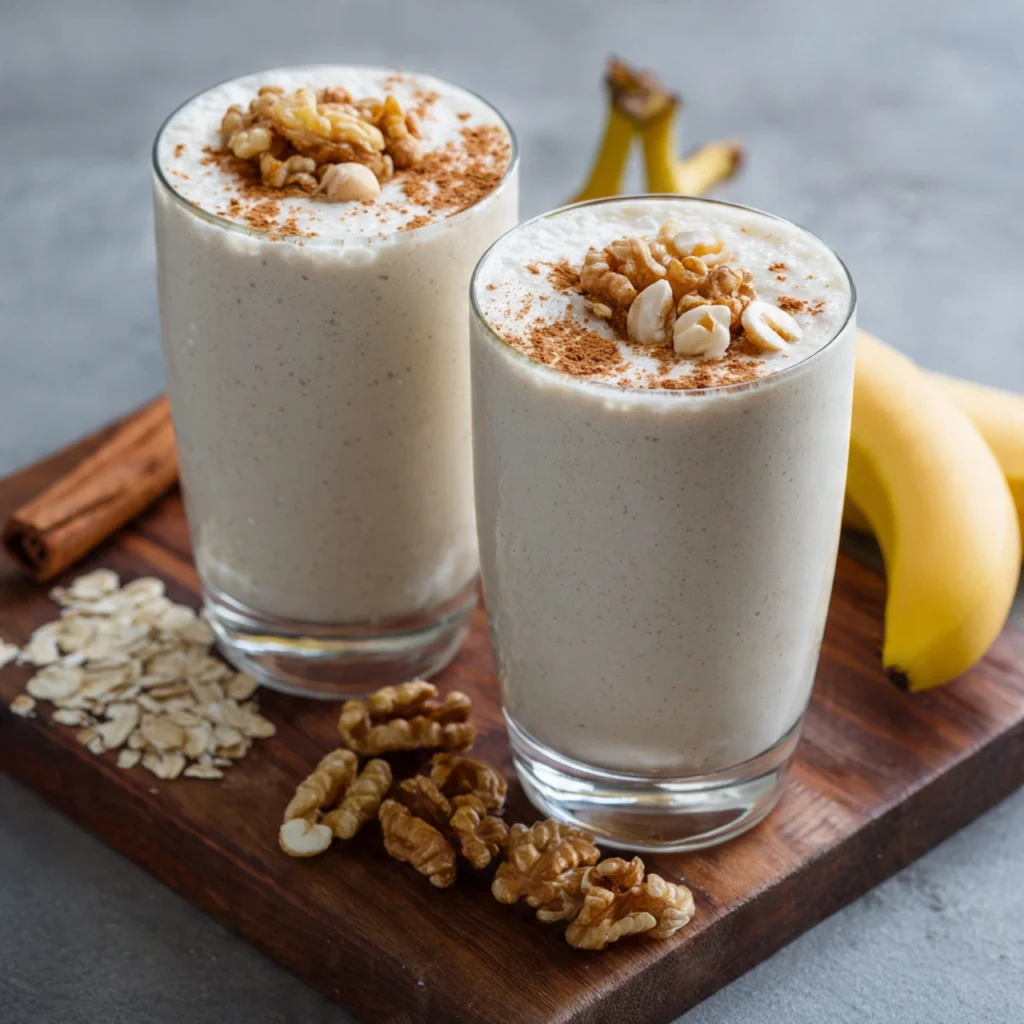
Ingredients for Cottage Cheese Peanut Butter Smoothie
For the Base Smoothie:
- 1 cup low-fat cottage cheese (200g) – the star ingredient that adds creaminess and protein
- 2 tablespoons natural peanut butter (32g) – creamy or crunchy, your choice
- 1 medium ripe banana, frozen (120g) – for natural sweetness and creamy texture
- 1 cup unsweetened almond milk (240ml) – or any milk of your choice
- 1 tablespoon honey or maple syrup (15ml) – optional, adjust to taste
- 1/2 cup ice cubes (about 4-5 cubes) – for thickness and temperature
- 1/2 teaspoon pure vanilla extract – enhances the overall flavor
Optional Boost Additions:
- 1 tablespoon ground flaxseed or chia seeds – for omega-3s and fiber
- 1 scoop vanilla or unflavored protein powder – for extra protein
- 1 tablespoon cocoa powder – for a chocolate peanut butter version
- 1/4 teaspoon cinnamon – adds warmth and helps regulate blood sugar
- Handful of spinach (30g) – completely undetectable but adds nutrients
- 1 tablespoon oats – for additional fiber and staying power
For Garnish (Optional):
- Drizzle of peanut butter
- Sliced banana
- Crushed peanuts
- Cacao nibs
- Hemp seeds
Step-by-Step Instructions For Cottage Cheese Peanut Butter Smoothie
Step 1: Prepare Your Ingredients (2 minutes)
Start by gathering all your ingredients. If you’re using a frozen banana (which I highly recommend for the best texture), make sure it’s been peeled and sliced before freezing. Room temperature peanut butter blends more easily than cold, so let it sit out for a few minutes if it’s been refrigerated. Measure your cottage cheese—this is crucial because too much can make the smoothie overly thick, while too little won’t give you that signature creamy texture.
Step 2: Layer Your Blender Properly (1 minute)
This might seem trivial, but the order matters for achieving that silky-smooth consistency. Start with the liquid (almond milk) at the bottom—this helps the blender blades move freely. Next, add the cottage cheese, followed by the peanut butter. The banana goes in next, then any powder additions like protein powder or cocoa. Finally, top with ice cubes. This layering technique ensures everything blends evenly without leaving chunks behind.
Step 3: The First Blend (30 seconds)
Begin blending on low speed for about 10 seconds. This breaks down the larger pieces and starts incorporating the ingredients. You’ll hear the ice crushing and the mixture beginning to combine. Resist the urge to immediately crank it to high—starting slow prevents air pockets from forming around the blades.
Step 4: Increase Speed and Blend Until Smooth (1-2 minutes)
Now increase to high speed and blend for a full 60-90 seconds. This is where the magic happens. The cottage cheese curds completely break down, creating that luxurious, creamy texture that makes this smoothie special. If you’re using a less powerful blender, you might need to blend for up to 2 minutes. The mixture should look completely uniform with no visible cottage cheese curds.
Step 5: Check Consistency and Adjust (30 seconds)
Stop the blender and check the texture. The ideal Cottage Cheese Peanut Butter Smoothie should be thick enough to eat with a spoon but pourable. If it’s too thick, add 2-3 tablespoons more milk and blend for another 15 seconds. If it’s too thin, add a few more ice cubes or a bit more frozen banana and blend again.
Step 6: Taste and Adjust Sweetness (15 seconds)
Give it a taste test. The frozen banana provides natural sweetness, but depending on its ripeness and your personal preference, you might want to add honey or maple syrup. Start with 1 teaspoon, blend briefly, and taste again. You can always add more, but you can’t take it away.
Step 7: Serve Immediately
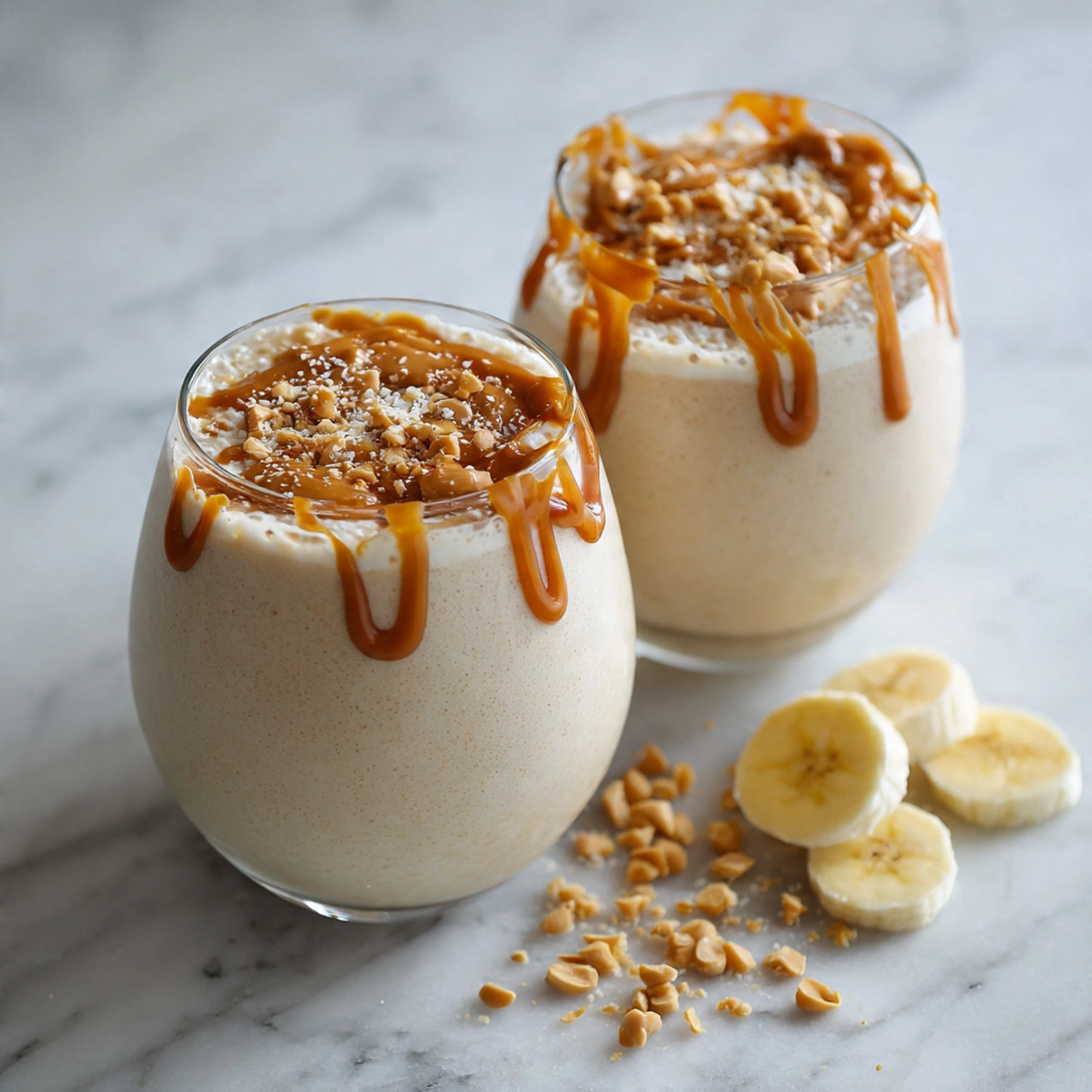
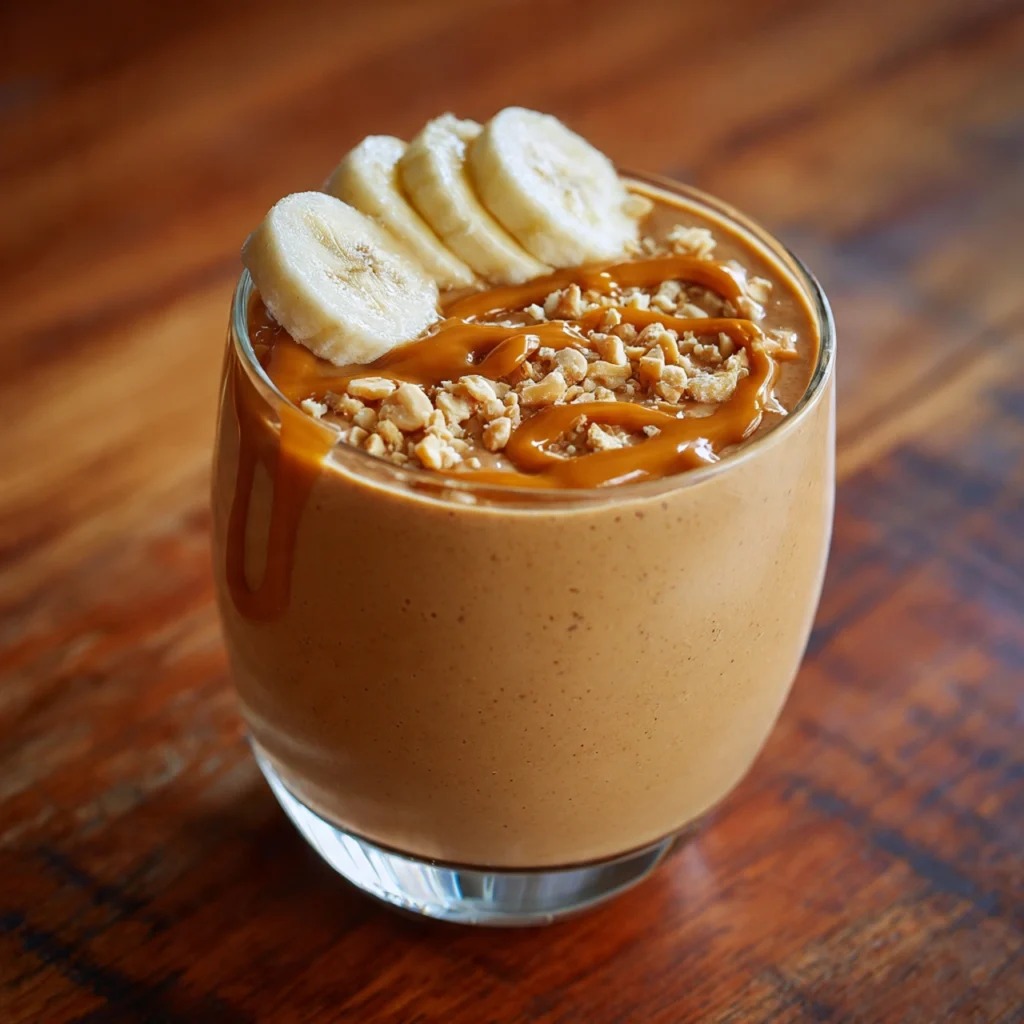
Pour into a tall glass or bowl if you’re making it a smoothie bowl. The texture is best when consumed immediately, as the ice will start to melt and thin out the consistency over time. If you want to make it Instagram-worthy, drizzle some peanut butter on top, add banana slices, and sprinkle with crushed peanuts.
Pro Tips for the Perfect Cottage Cheese Peanut Butter Smoothie
1. Choose the Right Cottage Cheese
Not all cottage cheese is created equal for smoothies. I’ve tested everything from fat-free to full-fat, and here’s what I’ve learned: low-fat (2%) cottage cheese gives you the best balance of creaminess and protein without making the smoothie too heavy. Small curd cottage cheese blends more smoothly than large curd. If you can find whipped cottage cheese, even better—it creates an ultra-smooth texture with minimal blending.
2. Always Use Frozen Banana
This is non-negotiable if you want the best texture. Fresh bananas make the smoothie thin and watery. Frozen bananas provide that thick, ice cream-like consistency that makes this smoothie crave-worthy. Peel and slice your bananas before freezing them in a single layer on a baking sheet, then transfer to a freezer bag once solid. They’ll last up to 3 months and be ready whenever you need them.
3. Invest in a High-Powered Blender
While you can make this smoothie in any blender, a high-powered blender (like a Vitamix, Blendtec, or even a good NutriBullet) makes a world of difference. It completely obliterates the cottage cheese curds, creating that silky texture that makes people ask, “Wait, there’s cottage cheese in this?” If you’re using a less powerful blender, blend for an extra 30-60 seconds.
4. The Peanut Butter Temperature Trick
Natural peanut butter can be stubborn to blend when cold. Let it sit at room temperature for 10-15 minutes before making your smoothie, or microwave it for 10 seconds. This makes it pour easily and blend seamlessly, preventing peanut butter clumps in your otherwise smooth creation.
5. Customize the Thickness
Some days you want a thick, eat-with-a-spoon smoothie bowl. Other days you need a drinkable breakfast on the go. Control thickness with ice and liquid ratios. For a thicker smoothie: use more ice, less milk, and add a tablespoon of oats. For a thinner, drinkable version: reduce ice by half and increase milk by 1/4 cup.
6. Mask the Cottage Cheese Taste (If Needed)
While cottage cheese is mild, some people are sensitive to its slight tanginess. Combat this by adding a bit more vanilla extract (up to 1 teaspoon total), using a ripe banana (more brown spots = sweeter), or adding a tablespoon of cocoa powder for a chocolate version that completely masks any dairy flavor.
7. Prep Smoothie Packs
Make your mornings even easier by prepping smoothie packs. In a freezer bag, combine the frozen banana, measured peanut butter (frozen in an ice cube tray), and any dry add-ins like flaxseed. When you’re ready to blend, just dump the contents in the blender with cottage cheese and milk. Five-minute breakfast becomes a two-minute breakfast.
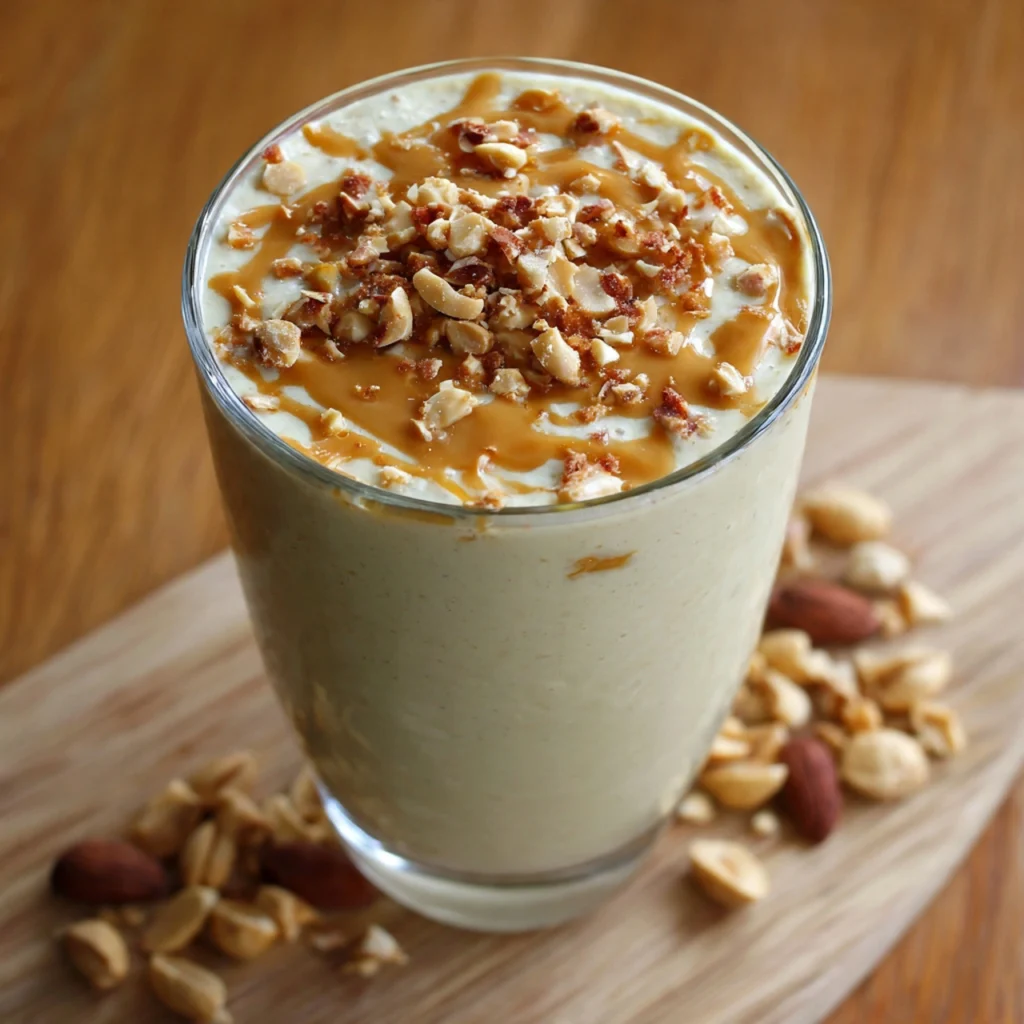
Common Mistakes to Avoid When Making a Cottage Cheese Peanut Butter Smoothie
Mistake #1: Not Blending Long Enough
The number one complaint I hear is “my smoothie was grainy.” This happens when you don’t blend long enough to fully break down the cottage cheese curds. Unlike other smoothie ingredients, cottage cheese needs sustained blending—at least 60 seconds on high. Don’t rush this step. The difference between 30 seconds and 90 seconds is the difference between grainy and luxuriously smooth.
Mistake #2: Using Room Temperature Ingredients
A warm smoothie is a sad smoothie. Using room temperature cottage cheese and unfrozen bananas creates a lukewarm, thin mixture that’s unappetizing. Keep your cottage cheese refrigerated until use and always use frozen bananas. The ice cubes alone aren’t enough to chill everything properly.
Mistake #3: Overloading with Protein Powder
I get it—you want to maximize protein. But adding too much protein powder makes the smoothie chalky, thick, and difficult to drink. The cottage cheese already provides 15-20 grams of protein per cup. If you’re adding protein powder, stick to one scoop maximum, and choose a high-quality brand that blends smoothly.
Mistake #4: Skimping on the Liquid
When you’re trying to make a thick smoothie, it’s tempting to use too little liquid. But this backfires because the blender struggles to process everything, leaving you with chunks and an uneven blend. Start with the full cup of milk—you can always add ice to thicken it back up after blending.
Mistake #5: Using Sugary Peanut Butter
Commercial peanut butter with added sugar, oils, and stabilizers doesn’t just add unnecessary calories—it also affects the flavor balance. Natural peanut butter (ingredients: peanuts, maybe salt) has a richer, more authentic peanut flavor. Plus, you’re already getting sweetness from the banana and optional honey, so you don’t need the extra sugar.
Mistake #6: Ignoring the Taste Test
Everyone’s taste preferences are different. Bananas vary in sweetness, cottage cheese brands have different salt levels, and peanut butter ranges from barely sweet to candy-like. Always taste before serving and adjust. A little honey, a pinch of salt, or a splash more vanilla can transform a “meh” smoothie into something you genuinely look forward to drinking.
Mistake #7: Making It Too Far in Advance
While meal prep is wonderful, this smoothie doesn’t hold well once blended. The ice melts, the mixture separates, and the texture degrades. Make it fresh when you’re ready to drink it. If you absolutely must prep ahead, freeze the entire blended mixture in ice cube trays, then blend the cubes with a splash of fresh milk when ready to consume.
Cottage Cheese Peanut Butter Smoothie Storage and Serving Suggestions
Immediate Consumption (Best Option)
The Cottage Cheese Peanut Butter Smoothie is at its absolute best the moment it comes out of the blender. The texture is perfect, the temperature is ideal, and all the flavors are at their peak. Pour it into a large glass with a thick straw or into a bowl if you’re going the smoothie bowl route.
Short-Term Storage (Up to 4 Hours)
If you need to make your smoothie a few hours ahead, store it in an airtight container in the refrigerator. Before drinking, give it a vigorous shake or a quick 10-second blend. The mixture will separate slightly—this is normal. The ice will have melted, making it thinner, so you might want to add a couple fresh ice cubes when you’re ready to drink.
Freezer Storage (Up to 1 Month)
Here’s a game-changer: freeze leftover smoothie in ice cube trays or silicone molds. When you want a smoothie, blend 8-10 frozen smoothie cubes with 1/4 cup fresh milk. This gives you that freshly-blended texture without having to measure ingredients. I keep a batch of these in my freezer for emergency breakfast situations.
Smoothie Bowl Presentation
Transform your Cottage Cheese Peanut Butter Smoothie into an Instagram-worthy breakfast bowl. Make the smoothie slightly thicker (reduce milk by 1/4 cup, add more ice), pour into a bowl, and top with:
- Sliced fresh banana and berries
- Granola or muesli for crunch
- Drizzle of peanut butter or almond butter
- Chia seeds, hemp seeds, or flaxseed
- Cacao nibs or dark chocolate chips
- Coconut flakes
On-the-Go Solutions
Pour your smoothie into a insulated tumbler or shaker bottle with a tight-sealing lid. The insulation keeps it cold for 2-3 hours. I recommend the BlenderBottle brand or any vacuum-insulated container. Bring toppings (like granola or nuts) in a separate small container and add them when you’re ready to eat.
Meal Prep Strategy
While you can’t store the blended smoothie long-term, you can prep components:
- Banana packs: Pre-portion frozen banana slices in individual bags
- Dry mix: Combine flaxseed, protein powder, and cinnamon in small containers
- Peanut butter cubes: Freeze measured peanut butter in ice cube trays (2 tablespoons per cube)
On busy mornings, grab your pre-portioned ingredients, add cottage cheese and milk, blend, and you’re done in under 2 minutes.
FAQ – Cottage Cheese Peanut Butter Smoothie
1. Can I taste the cottage cheese in this smoothie?
When blended properly, you won’t taste the cottage cheese at all. The peanut butter and banana completely mask any tanginess. What you will notice is an incredibly creamy, almost dessert-like texture that’s similar to a milkshake. The cottage cheese essentially acts as a protein-rich, creamy base that disappears into the background while elevating the overall mouthfeel.
2. What’s the best substitute for cottage cheese if I can’t find it?
Greek yogurt is your best alternative, though the texture and protein content will differ slightly. Use the same amount (1 cup) of full-fat or 2% Greek yogurt. Another option is silken tofu, which gives you a creamy texture and adds protein, though it lacks the tangy flavor cottage cheese provides. For a dairy-free option, try blending 1/2 cup raw cashews (soaked for 2 hours) with 1/2 cup coconut cream.
3. How can I make this smoothie dairy-free?
Replace the cottage cheese with dairy-free alternatives: blended silken tofu works beautifully, or use dairy-free cottage cheese brands like Kite Hill or Good Karma. Substitute the milk with almond, oat, coconut, or soy milk. The rest of the recipe remains the same. Just ensure your peanut butter is also dairy-free (most natural peanut butter is).
4. Is this smoothie suitable for weight loss?
Absolutely, when portioned appropriately. One serving contains approximately 300-350 calories (depending on your ingredient choices) with 25+ grams of protein and healthy fats that keep you satiated for hours. This prevents mid-morning snacking and overeating later in the day. The protein-to-calorie ratio is excellent for weight management. You can reduce calories by using fat-free cottage cheese and powdered peanut butter (like PB2).
5. Can I make this smoothie without a banana?
Yes, though the banana contributes significant creaminess and natural sweetness. Substitute with: 1/2 cup frozen mango or peaches for sweetness and texture, 1/2 ripe avocado for creaminess (adds healthy fats), or 1/4 cup oats plus an extra 1/4 cup ice for thickness. You’ll need to add extra sweetener (1-2 tablespoons honey or maple syrup) since you’re losing the banana’s natural sugar.
6. How much protein is actually in this smoothie?
A standard serving contains approximately 25-28 grams of protein: cottage cheese (1 cup) provides 15-20g, peanut butter (2 tablespoons) adds 7-8g, and almond milk contributes about 1g. The banana adds minimal protein. If you add a scoop of protein powder, you can boost this to 40+ grams, making it an excellent post-workout recovery drink.
7. Why is my smoothie grainy or chunky?
This happens when the cottage cheese isn’t fully blended. Solutions: Blend for a full 90 seconds on high speed, use small curd cottage cheese instead of large curd, ensure you’re using enough liquid (the blender needs liquid to create a vortex), try whipped cottage cheese which blends more easily, and verify your blender is powerful enough—sometimes you need to blend in two batches with a weaker blender.
8. Can I add vegetables to this smoothie?
Absolutely! Spinach is the easiest addition—a generous handful (about 1 cup) completely disappears in terms of taste. Frozen cauliflower rice (1/4 cup) adds creaminess and nutrients without any vegetable flavor. Frozen zucchini chunks work similarly. The peanut butter and banana are strong enough flavors to mask mild vegetables, making this an excellent way to sneak in extra nutrients.
9. How long does this smoothie keep me full?
Most people report staying satisfied for 3-4 hours, sometimes longer. The combination of protein from cottage cheese, healthy fats from peanut butter, and fiber from banana creates sustained energy release. This is significantly longer than typical fruit smoothies that cause blood sugar spikes and crashes. For maximum satiety, add a tablespoon of chia seeds or ground flaxseed.
10. Can kids drink this smoothie?
Yes, and they usually love it because it tastes like a peanut butter milkshake! It’s an excellent way to boost protein intake for picky eaters. Just ensure there are no peanut allergies, reduce or omit honey for children under 1 year old, and consider using less peanut butter (1 tablespoon instead of 2) for younger children to reduce choking hazards and make it easier to digest.
Nutrition Information
Serving Size: 1 large smoothie (approximately 16 oz)
Servings Per Recipe: 1
Approximate Values Per Serving:
- Calories: 380
- Total Fat: 18g
- Saturated Fat: 3g
- Trans Fat: 0g
- Cholesterol: 15mg
- Sodium: 450mg
- Total Carbohydrates: 35g
- Dietary Fiber: 4g
- Total Sugars: 22g (mostly from natural banana sugars)
- Added Sugars: 6g (if using 1 tablespoon honey)
- Protein: 26g
- Vitamin D: 0mcg
- Calcium: 180mg (18% DV)
- Iron: 1mg (6% DV)
- Potassium: 550mg (12% DV)
Key Nutritional Highlights:
- High Protein: 26g supports muscle recovery and satiety
- Healthy Fats: Peanut butter provides heart-healthy monounsaturated fats
- Natural Sugars: Most sweetness comes from banana, not added sugars
- Low Sodium Option: Use unsalted peanut butter to reduce sodium to under 300mg
- Calcium Rich: Cottage cheese provides nearly 20% of your daily calcium needs
- Potassium: The banana contributes significant potassium for muscle and nerve function
Dietary Modifications and Their Nutritional Impact:
- Low-Fat Version (using fat-free cottage cheese and powdered peanut butter): ~250 calories, 5g fat, 28g protein
- High-Protein Version (adding 1 scoop protein powder): ~450 calories, 18g fat, 45g protein
- Reduced Sugar (omitting honey and using half banana): ~320 calories, 16g sugar
Note: Nutritional values are approximate and may vary based on specific brands and ingredient substitutions. These calculations are based on low-fat cottage cheese, natural peanut butter, unsweetened almond milk, and one medium banana.
Conclusion
The Cottage Cheese Peanut Butter Smoothie has earned its place in my daily routine, and I hope it does the same for yours. What started as a skeptical experiment has become my go-to solution for rushed mornings, post-workout recovery, and those afternoons when I need something substantial but don’t have time for a full meal.
The beauty of this recipe lies in its simplicity and adaptability. You don’t need exotic ingredients or specialty equipment—just a blender and five minutes. Yet the nutritional payoff is extraordinary: a complete meal’s worth of protein, healthy fats that keep you satisfied, and natural sweetness that curbs cravings without the sugar crash.
I encourage you to make this Cottage Cheese Peanut Butter Smoothie recipe your own. Try the chocolate version one day, add spinach the next, experiment with different nut butters, or turn it into a smoothie bowl with your favorite toppings. The base formula is solid, but your personal touches will make it perfect for your lifestyle.
Remember, the key to smoothie success is proper blending—don’t rush those 90 seconds. The difference between a grainy cottage cheese drink and a luxurious, creamy smoothie is simply patience. Trust the process, and you’ll be rewarded with something that tastes like dessert but nourishes like a superfood.
Whether you’re a fitness enthusiast looking for optimal protein, a busy professional who needs grab-and-go nutrition, or simply someone who wants to start the day with something delicious and filling, this Cottage Cheese Peanut Butter Smoothie delivers. Give it a try tomorrow morning. I promise you’ll be making it again by the end of the week.
Now grab that blender and get ready to transform your breakfast routine. Your taste buds—and your body—will thank you.
Print7 Reasons This Cottage Cheese Peanut Butter Smoothie Will Change Your Breakfast Forever
A creamy, protein-packed Cottage Cheese Peanut Butter Smoothie that tastes like a milkshake but fuels your body like a complete meal. Ready in 5 minutes with simple ingredients you probably already have in your kitchen.
- Prep Time: 3 minutes
- Cook Time: 0 minutes
- Total Time: 5 minutes
- Yield: 1 large smoothie (16 oz) or 2 small servings
- Category: Breakfast, Snack, Post-Workout
- Method: Blending
- Cuisine: American
- Diet: Vegetarian
Ingredients
- 1 cup low-fat cottage cheese (200g)
- 2 tablespoons natural peanut butter (32g)
- 1 medium frozen banana (120g)
- 1 cup unsweetened almond milk (240ml)
- 1 tablespoon honey (optional)
- 1/2 cup ice cubes
- 1/2 teaspoon vanilla extract
Instructions
- Add liquid first: Pour almond milk into blender
- Layer ingredients: Add cottage cheese, peanut butter, frozen banana, vanilla, and ice
- Blend on low: Start blending on low for 10 seconds
- Increase speed: Blend on high for 60-90 seconds until completely smooth
- Check consistency: Add more milk if too thick, more ice if too thin
- Taste and adjust: Add honey if needed for sweetness
- Serve immediately: Pour into glass and enjoy
Notes
- Use frozen banana for best texture—fresh makes it too thin
- Small curd cottage cheese blends smoother than large curd
- Natural peanut butter (just peanuts and salt) works best
- For chocolate version, add 1 tablespoon cocoa powder
- Blend for full 90 seconds to eliminate graininess
- Store frozen smoothie cubes up to 1 month for quick prep