Introduction: Why Milk Bread Toast Changed How I Think About Breakfast
Milk Bread Toast is the kind of revelation that makes you realize regular sandwich bread has been disappointing you. This impossibly soft, pillowy, lightly sweet Japanese-style bread pulls apart in wispy, cotton-like layers and practically melts in your mouth, turning breakfast into something truly special. I first tasted authentic shokupan at a Japanese bakery and immediately understood the hype—that first bite of warm, buttery milk bread toast was unforgettable.
Milk Bread Toast is special thanks to the tangzhong method, where a small amount of flour and liquid is cooked into a paste before being added to the dough. This simple step helps the bread stay soft, moist, and fluffy for days. The result is tender bread that toasts beautifully, with golden edges and a pillowy center.
Beyond the extraordinary texture, milk bread has a subtle sweetness and richness from milk and butter that makes it delicious even on its own. Unlike regular sandwich bread, it doesn’t need heavy toppings to taste good—though it’s wonderful with butter, jam, honey, or dressed up as fancy toast.
I started making milk bread at home after getting hooked on it from Asian bakeries. Once I learned the technique, baking fresh loaves became a weekend ritual, filling the house with an irresistible aroma. Despite feeling special, it’s surprisingly practical—the bread stays soft and fresh for nearly a week, making it perfect for everyday toast.
Ready to make Milk Bread Toast that rivals anything from Japanese bakeries?
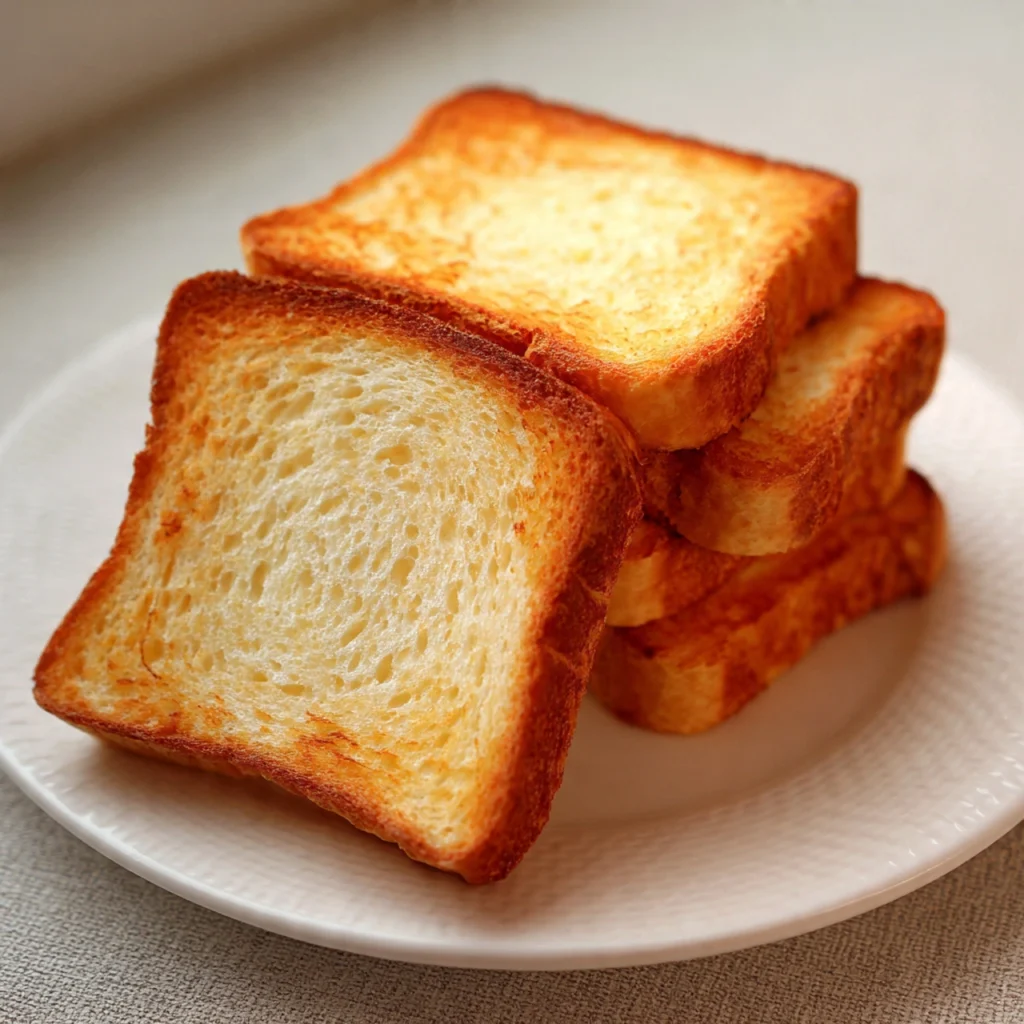
Ingredients: What You’ll Need for Perfect Milk Bread Toast
For the Tangzhong (Water Roux)
- 3 tablespoons bread flour (25g) – Creates the paste
- ½ cup whole milk (120ml) – Liquid component
Bread Dough (Makes 1 Loaf)
- 2¾ cups bread flour (350g) – Structure and chew
- ¼ cup granulated sugar (50g) – Subtle sweetness
- 1 teaspoon salt – Enhances flavor
- 1 tablespoon instant yeast (one packet) – Leavening
- 1 large egg – Room temperature, enrichment
- ½ cup whole milk (120ml) – Warm (110°F), tenderness
- ¼ cup heavy cream (60ml) – Extra richness
- 4 tablespoons unsalted butter (55g) – Softened, for soft texture
For Finishing
- 1 tablespoon melted butter – Brushing on top
- Egg wash (1 egg beaten with 1 tablespoon water) – Optional, for golden crust
Equipment Needed
- Stand mixer with dough hook (or mixing by hand)
- Small saucepan for tangzhong
- 9×5-inch loaf pan
- Plastic wrap or clean kitchen towel
- Pastry brush
- Instant-read thermometer (helpful but optional)
Step-by-Step Instructions: Creating Perfect Milk Bread Toast
Step 1: Make the Tangzhong (5 minutes)
In a small saucepan, whisk together 3 tablespoons bread flour and ½ cup whole milk until completely smooth with no lumps. Place over medium-low heat and cook, whisking constantly, until the mixture thickens into a paste that resembles mashed potatoes or thick pudding—about 3-5 minutes.
You’ll know it’s ready when you can draw lines through it with the whisk and they hold their shape. The mixture should reach about 149°F (65°C) if using a thermometer. Transfer the tangzhong to a small bowl, press plastic wrap directly onto the surface to prevent a skin from forming, and let cool to lukewarm or room temperature (about 20-30 minutes). You can also refrigerate it to speed cooling.
This tangzhong paste is the secret to milk bread’s incredible softness and moisture retention. Don’t skip this step—it’s what makes milk bread different from regular bread.
Step 2: Mix the Dough (15 minutes)
In the bowl of a stand mixer fitted with the dough hook (or a large mixing bowl if working by hand), combine the bread flour, sugar, salt, and instant yeast. Mix briefly to combine.
Add the cooled tangzhong, egg, warm milk, and heavy cream. Mix on low speed until a shaggy dough forms, about 2 minutes. Increase to medium speed and knead for 5-7 minutes until the dough becomes smooth and elastic.
Add the softened butter one tablespoon at a time, mixing well after each addition. The dough will look like it’s falling apart when you first add butter—this is normal. Keep mixing and it will come together into a soft, smooth, slightly sticky dough. Continue kneading for another 5-7 minutes until the dough is very smooth, elastic, and passes the windowpane test (when you stretch a small piece, it forms a thin, translucent membrane without tearing).
If mixing by hand, combine ingredients as directed, then knead on a lightly floured surface for 15-20 minutes until smooth and elastic.
Step 3: First Rise (60-90 minutes)
Shape the dough into a smooth ball and place in a lightly greased bowl, turning once to coat. Cover with plastic wrap or a damp kitchen towel. Let rise in a warm, draft-free place until doubled in size—about 60-90 minutes.
The ideal rising temperature is 75-80°F. If your kitchen is cold, place the bowl in your oven with just the light on, or near (not on) a warm stovetop.
Step 4: Shape the Loaf (10 minutes)
Grease a 9×5-inch loaf pan thoroughly with butter or cooking spray. Once the dough has doubled, gently punch it down to release air. Turn it out onto a lightly floured surface.
Divide the dough into 3 equal pieces (weigh for precision if desired—each piece should be about 300g). Shape each piece into a ball, cover with plastic wrap, and let rest for 15 minutes. This rest period relaxes the gluten, making shaping easier.
After resting, roll each ball into an oval about 8 inches long. Fold the top third down to the center, then fold the bottom third up and over, like folding a letter. Press to seal. Roll each piece into a log about 8 inches long. Place the three logs side by side in the prepared loaf pan. This creates the characteristic three-section top that pulls apart into soft swirls.
Step 5: Second Rise (45-60 minutes)
Cover the pan loosely with plastic wrap or a kitchen towel. Let rise until the dough reaches about 1 inch above the rim of the pan—about 45-60 minutes. It should look puffy and jiggly.
Don’t let it over-proof (rise too long) or the bread will collapse during baking. The top should be domed but not dramatically overflowing the pan.
Step 6: Bake (30-35 minutes)
Preheat your oven to 350°F (175°C) while the dough completes its second rise. Once the dough is properly risen, brush the top gently with egg wash (for shiny, golden crust) or melted butter (for softer crust).
Bake for 30-35 minutes until the top is deep golden brown and the internal temperature reaches 190°F (88°C) when measured with an instant-read thermometer inserted in the center. If the top is browning too quickly, tent loosely with aluminum foil after 20 minutes.
Step 7: Cool and Serve (30 minutes)
Remove the bread from the oven immediately and turn it out of the pan onto a wire cooling rack. Brush the top with melted butter while still hot—this creates a soft, glossy crust and adds flavor.
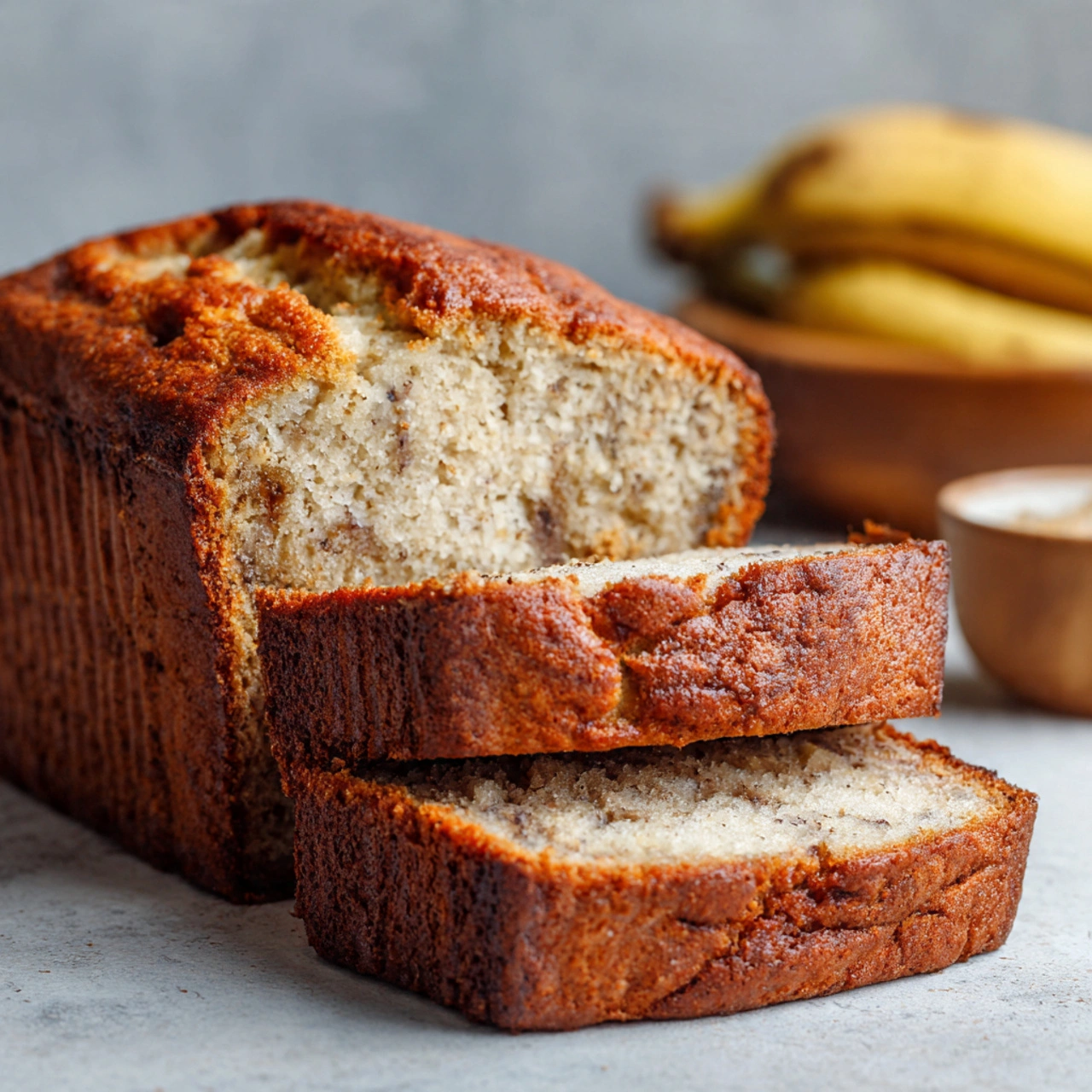
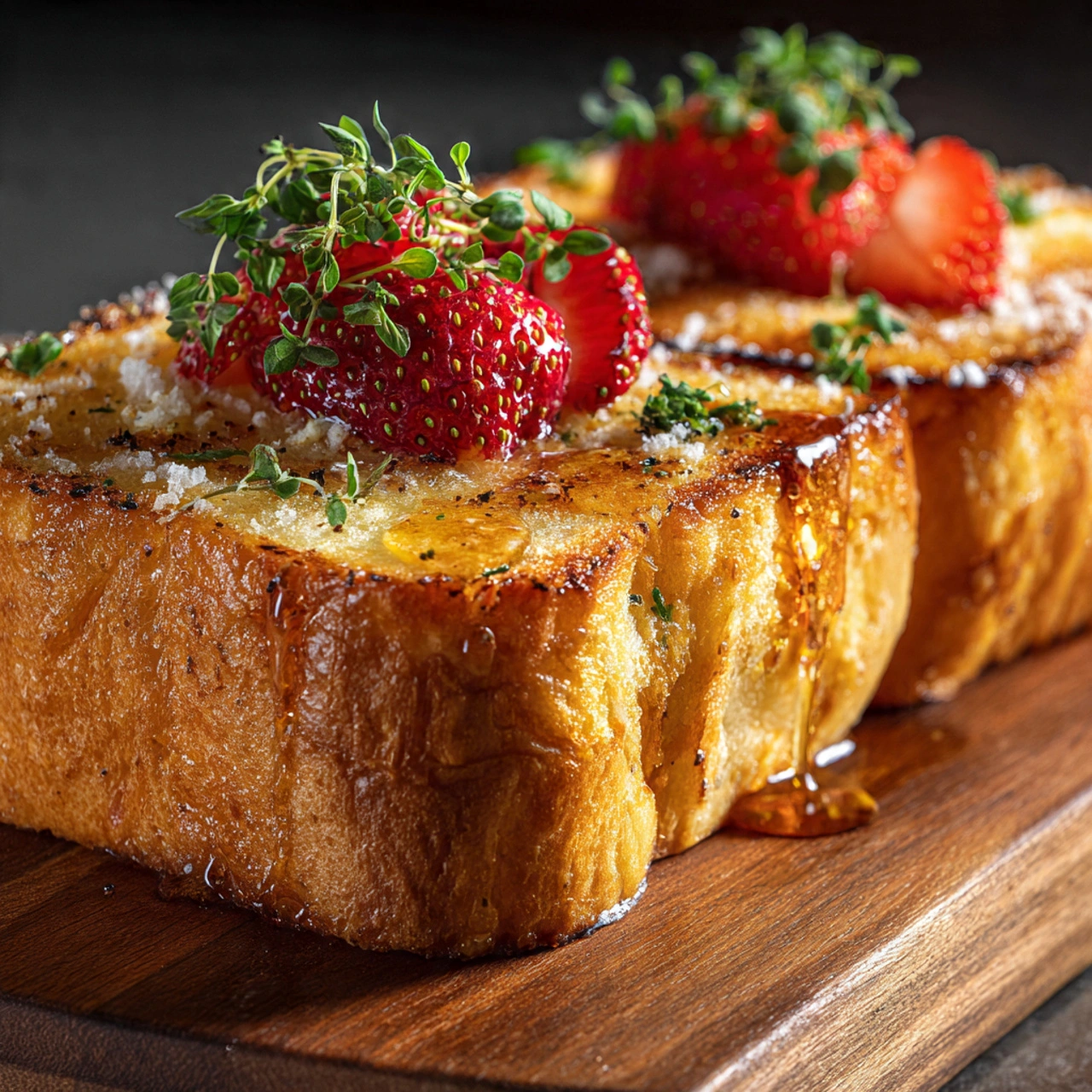
Let cool for at least 30 minutes before slicing. Warm bread is difficult to slice cleanly and the texture improves as it cools. For the best toast, slice ¾ to 1 inch thick and toast until golden on the outside while remaining soft inside.
Pro Tips for the Perfect Milk Bread Toast
Tip 1: The Tangzhong Must Be Properly Cooked
Undercooking the tangzhong means you won’t get the full moisture-retaining benefit. Cook until it’s thick like mashed potatoes and reaches 149°F. Overcooking won’t hurt—just don’t let it burn. This paste is the secret to milk bread’s signature texture, so take the extra minute to do it right.
Tip 2: Temperature Matters for Rising
Milk bread dough is enriched with butter, egg, and milk, making it heavier than lean doughs. It needs warmth to rise properly. If your kitchen is cold (below 70°F), the rises will take much longer or might not work at all. Use your oven with just the light on, or place the bowl near a warm stovetop.
Tip 3: Don’t Add Flour During Kneading
The dough should be quite soft and slightly sticky—this creates the tender texture. Resist the urge to add more flour during kneading thinking it’s too sticky. Properly kneaded milk bread dough should be tacky but manageable. If it’s truly wet and won’t form a ball, add flour 1 tablespoon at a time until it comes together.
Tip 4: The Windowpane Test Ensures Proper Gluten Development
Stretch a small piece of dough between your fingers. If it forms a thin, translucent membrane without tearing, the gluten is properly developed. If it tears immediately, keep kneading. Proper gluten development is crucial for milk bread’s characteristic pull-apart texture.
Tip 5: Brush with Butter Immediately After Baking
Brushing the hot loaf with melted butter right out of the oven creates a soft, flavorful crust and adds shine. This also helps the bread stay soft as it cools. Don’t skip this step—it’s part of what makes milk bread special.
Tip 6: Slice Thick for the Best Toast
Milk bread toast is best when sliced thick—¾ to 1 inch. Thin slices become too crispy all the way through. Thick slices develop golden, slightly crisp exteriors while maintaining that signature soft, pillowy interior. Use a sharp serrated knife and saw gently.
Tip 7: Fresh Yeast Equals Better Rise
Check your yeast expiration date. Old yeast creates bread that doesn’t rise properly. If your yeast is older than 6 months, proof it first: dissolve in warm water with a pinch of sugar and wait 5 minutes. It should foam vigorously. No foam = dead yeast.
Tip 8: Make Extra—It Freezes Beautifully
Baked milk bread freezes excellently for up to 3 months. Slice before freezing so you can remove individual slices as needed. Wrap tightly in plastic wrap, then aluminum foil. Toast directly from frozen—it tastes freshly baked.
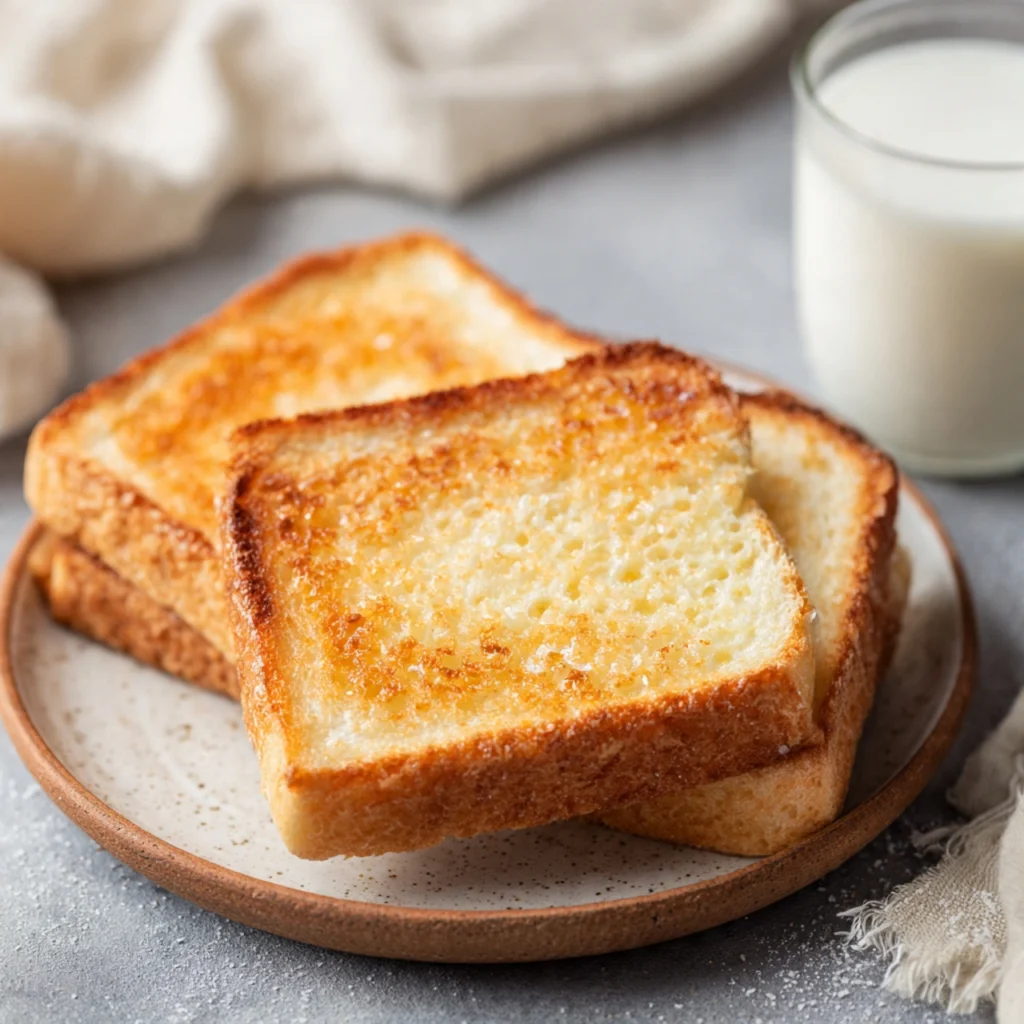
Common Mistakes to Avoid When Making Milk Bread Toast
Mistake 1: Skipping the Tangzhong
Some people think the tangzhong is optional fussiness. It’s not—it’s the fundamental technique that makes milk bread soft and keeps it fresh longer. Without tangzhong, you’re just making enriched white bread, not authentic milk bread. The five minutes to make it are absolutely essential.
Mistake 2: Using Cold Ingredients
Cold milk, cold eggs, and cold butter don’t incorporate properly into dough and can kill or slow yeast. All ingredients (except butter for kneading) should be at room temperature or slightly warm. This ensures even mixing and proper yeast activity.
Mistake 3: Not Kneading Long Enough
Under-kneaded dough won’t develop enough gluten structure to create milk bread’s characteristic feathery texture. The dough should be smooth, elastic, and pass the windowpane test. This usually requires 12-15 minutes of stand mixer kneading or 20+ minutes by hand.
Mistake 4: Over-Proofing the Second Rise
If the dough rises too much in the pan, it will collapse during baking, creating a dense, sunken loaf. The dough should reach about 1 inch above the pan rim—puffy but not dramatically overflowing. Better to slightly under-proof than over-proof.
Mistake 5: Baking at Too High Temperature
High heat causes the outside to brown before the inside cooks through, creating a thick, hard crust and doughy interior. Milk bread needs gentle heat—350°F maximum—to bake evenly and develop a soft, thin crust.
Mistake 6: Slicing While Still Warm
Hot bread is difficult to slice cleanly and the interior texture hasn’t fully set. Let the loaf cool for at least 30 minutes—preferably an hour—before slicing. The texture actually improves as it cools and the crumb sets.
Mistake 7: Storing Improperly
Milk bread must be stored in an airtight container or plastic bag at room temperature, never in the refrigerator. Refrigeration causes bread to stale faster (retrogradation). Room temperature storage keeps it soft for 4-5 days. For longer storage, freeze.
Mistake 8: Expecting It to Taste Like Sourdough
Milk bread is subtly sweet, soft, and tender—not tangy or crusty like artisan bread. If you’re expecting sourdough or French bread texture/flavor, you’ll be disappointed. Milk bread is its own category—soft, slightly sweet Japanese-style bread. Appreciate it for what it is.
Storage and Serving Suggestions for Milk Bread Toast
How to Store
Room Temperature: Store milk bread in an airtight container or sealed plastic bag at room temperature for up to 5 days. It stays remarkably soft due to the tangzhong method. Never refrigerate—this causes bread to stale quickly.
Freezer: Slice the bread before freezing for convenience. Wrap individual slices or the whole loaf tightly in plastic wrap, then aluminum foil. Freeze for up to 3 months. Toast slices directly from frozen or thaw at room temperature.
Reviving Day-Old Bread: If bread seems slightly dried out, wrap in a damp kitchen towel and microwave for 10-15 seconds. The steam will soften it. Alternatively, toast lightly to revive texture.
Serving Suggestions
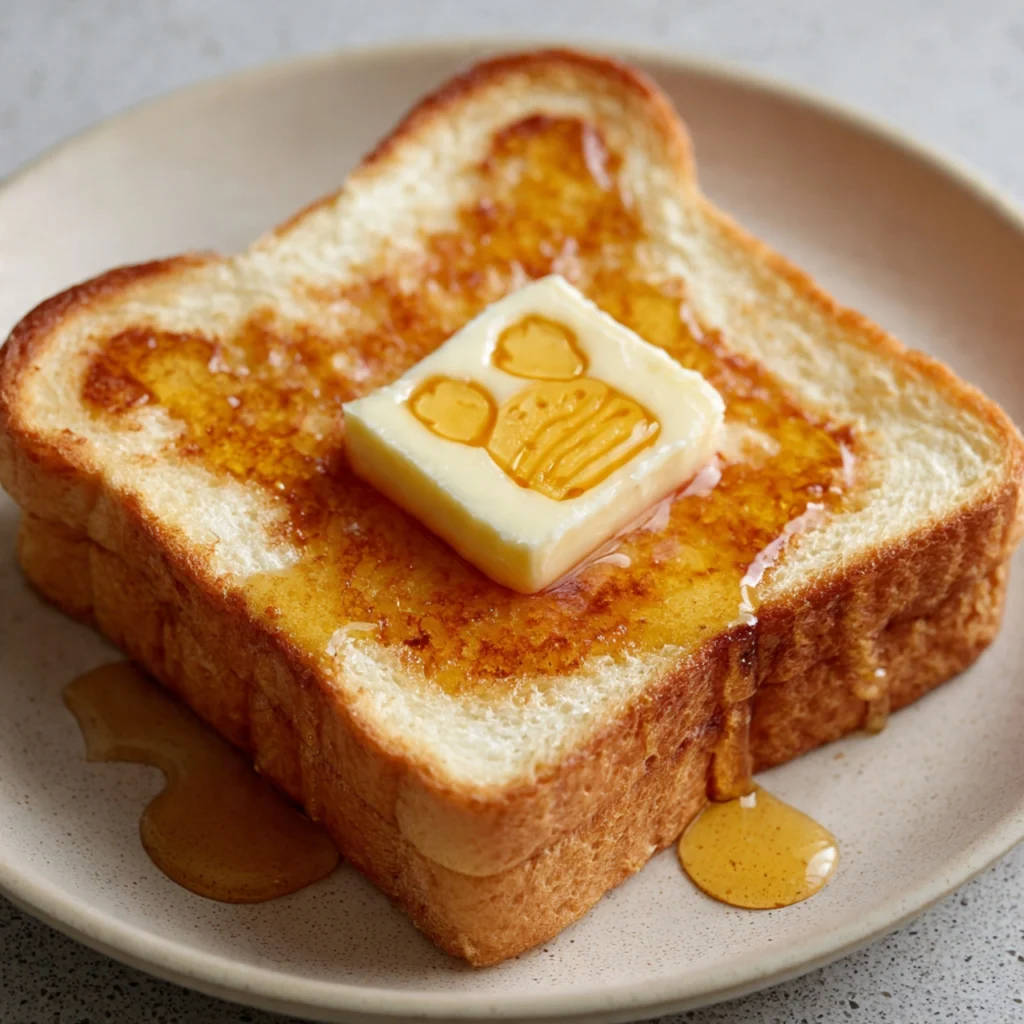
Classic Butter Toast: Toast thick slices until golden, spread generously with salted butter while hot. The simplicity showcases the bread’s quality. This is how it’s often served in Japanese cafes.
Sweetened Condensed Milk Toast: A popular Asian bakery style—toast bread, spread with butter, drizzle with sweetened condensed milk. Sounds intense but is incredibly delicious.
Cinnamon Sugar Toast: Butter toast while hot, sprinkle with cinnamon sugar mixture. The heat melts the sugar into the butter creating a sweet glaze.
Egg-in-a-Hole: Cut a circle from the center, butter both sides, crack an egg into the hole, and pan-fry. The soft bread pairs perfectly with runny yolk.
French Toast: Milk bread makes exceptional French toast due to its soft texture and subtle sweetness. The thick slices absorb custard beautifully while maintaining structure.
Breakfast Sandwiches: Use for breakfast sandwiches with eggs, cheese, and bacon. The soft texture is perfect for sandwiches that won’t hurt your mouth.
Honey Butter Toast: Mix softened butter with honey, spread on warm toast. Popular in Korean cafes and absolutely addictive.
Creative Milk Bread Uses
Bread Pudding: Cubed milk bread makes luxurious bread pudding that’s custardy inside with crispy edges
Melba Toast: Slice very thin, toast twice until crispy for fancy crackers
Croutons: Cube and toast for the softest, most luxurious salad croutons ever
Grilled Cheese: The soft texture creates the ultimate grilled cheese with melty cheese and slightly crisp exterior
Katsu Sandwich: Use for Japanese-style sandwiches with breaded pork cutlet, cabbage, and tonkatsu sauce
Afternoon Tea Sandwiches: Perfect for delicate tea sandwiches—cucumber, egg salad, smoked salmon
Pain Perdu: French toast taken up several notches with milk bread’s superior texture
Frequently Asked Questions (FAQ)
1. Can I make Milk Bread Toast without a stand mixer?
Yes! Mix and knead by hand—it just requires more time and arm strength. Combine ingredients as directed, then knead on a lightly floured surface for 20-25 minutes until the dough is smooth, elastic, and passes the windowpane test. Hand-kneaded milk bread is traditional and works perfectly.
2. What’s the difference between milk bread and regular white bread?
Milk bread uses the tangzhong method (cooked flour paste), contains more fat (butter and cream), and has milk instead of water. These create a softer, more tender crumb that stays fresh longer. Regular white bread is leaner, has a drier texture, and stales faster.
3. Can I make Milk Bread Toast dairy-free?
Yes, with substitutions. Use plant-based milk (oat or soy work best), replace butter with vegan butter or coconut oil, and replace heavy cream with full-fat coconut cream. The texture won’t be exactly the same but will still be soft and delicious. The tangzhong method still works with plant milk.
4. Why is my milk bread dense instead of fluffy?
Dense milk bread usually results from under-proofing (not rising enough), old/dead yeast, not kneading enough to develop gluten, or too much flour added during kneading. Make sure your yeast is fresh, knead until the dough passes the windowpane test, and allow proper rising time in a warm place.
5. How do I know when the tangzhong is ready?
The tangzhong is ready when it thickens to mashed potato consistency and reaches 149°F (65°C). You should be able to draw lines through it with a whisk and they’ll hold their shape. It takes 3-5 minutes of whisking over medium-low heat. Undercooking means you won’t get the full benefit.
6. Can I add mix-ins like raisins or chocolate chips?
Yes! Add up to 1 cup of mix-ins during the final minutes of kneading. Common additions include raisins, dried cranberries, chocolate chips, or nuts. Just be aware that heavy add-ins can make the dough denser and may require slightly longer rising times.
7. Why did my milk bread collapse after baking?
Collapse usually means over-proofing—the dough rose too much before baking. When over-proofed, the gluten structure weakens and can’t support the loaf’s weight, causing it to collapse. The dough should rise to about 1 inch above the pan rim, no higher. Set a timer and check regularly.
8. Can I make this recipe into rolls instead of a loaf?
Absolutely! Divide the dough into 12 equal pieces, shape into balls, and place in a greased 9×13-inch pan. Let rise until doubled, then bake at 350°F for 18-22 minutes until golden. Milk bread rolls are incredibly soft and perfect for dinner or sliders.
Nutrition Information (Per Slice, Based on 12 Slices)
Calories: 195 kcal
Total Fat: 7g
- Saturated Fat: 4g
- Trans Fat: 0g
Cholesterol: 35mg
Sodium: 210mg
Total Carbohydrates: 28g
- Dietary Fiber: 1g
- Sugars: 5g
Protein: 5g
Vitamin A: 4% DV
Vitamin C: 0% DV
Calcium: 4% DV
Iron: 8% DV
Note: Nutrition information is approximate and based on one slice (1/12 of loaf) without additional toppings. Milk bread is richer than standard white bread due to butter, cream, and eggs, but provides a tender, satisfying texture. Enjoy as part of a balanced breakfast.
Conclusion: Your Milk Bread Toast Journey Starts Now
Milk Bread Toast represents everything wonderful about taking time to make something from scratch—the process is meditative, the results are dramatically better than anything store-bought, and that first slice of warm, buttery toast with its impossibly soft texture creates a genuine moment of pleasure that makes the effort feel worthwhile.
What I treasure most about this recipe is how it transforms breakfast from mundane to special. Regular toast is fine. Milk bread toast is an experience—something you genuinely look forward to, something that makes morning coffee feel like a café moment, something that turns simple ingredients into something genuinely luxurious.
Since mastering milk bread, it’s become a weekend ritual in my kitchen. The smell of baking bread fills the house, the family gathers for that first warm slice, and we have delicious toast for the entire week. That combination of special occasion feeling and practical meal prep makes this recipe genuinely valuable.
The beauty is in how this recipe rewards patience. Yes, it takes time. But most of that time is hands-off rising. The actual work is minimal, and the payoff—a loaf of the softest, most delicious bread you’ve ever made—is absolutely worth it.
So clear your schedule for an afternoon, gather your ingredients, and prepare to discover why milk bread has captured the hearts of bread lovers worldwide. Your journey to bakery-quality toast starts now.
Happy baking!
PrintMilk Bread Toast: The Japanese Secret to the Fluffiest, Most Tender Breakfast
This Japanese-style Milk Bread Toast uses the tangzhong method to create impossibly soft, fluffy bread with a tender, pull-apart crumb. Slightly sweet and rich from milk, butter, and cream, it stays fresh for days and makes the most incredible toast. Perfect for breakfast, sandwiches, or enjoying with butter!
- Prep Time: 30 minutes
- Cook Time: 35 minutes
- Total Time: 3 hours 30 minutes (includes rising time)
- Yield: 1 loaf (12 slices)
- Category: Bread, Breakfast, Toast
- Method: Baking, Tangzhong
- Cuisine: Japanese, Asian
- Diet: Vegetarian
Ingredients
Tangzhong:
- 3 tablespoons bread flour (25g)
- ½ cup whole milk (120ml)
Dough:
- 2¾ cups bread flour (350g)
- ¼ cup sugar (50g)
- 1 teaspoon salt
- 1 tablespoon instant yeast
- 1 large egg, room temperature
- ½ cup whole milk (120ml), warm
- ¼ cup heavy cream (60ml)
- 4 tablespoons unsalted butter (55g), softened
Finishing:
- 1 tablespoon melted butter for brushing
Instructions
- Make tangzhong: Whisk flour and milk in saucepan. Cook over medium-low heat, whisking constantly, until thick like mashed potatoes (3-5 min, 149°F). Cool to room temp.
- Mix dough: Combine flour, sugar, salt, yeast in mixer bowl. Add cooled tangzhong, egg, warm milk, cream. Mix 2 min until shaggy. Knead on medium 5-7 min. Add butter 1 tbsp at a time, kneading well after each. Knead 5-7 more minutes until smooth, elastic, passes windowpane test.
- First rise: Place dough in greased bowl, cover. Rise in warm place until doubled (60-90 min).
- Shape: Grease 9×5″ loaf pan. Punch down dough, divide into 3 equal pieces. Rest 15 min. Roll each into 8″ oval, fold like letter, roll into log. Place 3 logs in pan side by side.
- Second rise: Cover, rise until 1″ above pan rim (45-60 min).
- Bake: Preheat oven to 350°F. Brush with egg wash or butter. Bake 30-35 min until golden (190°F internal). Turn out immediately, brush with melted butter. Cool 30+ min before slicing.
Notes
- Tangzhong is essential—don’t skip this step
- All ingredients should be room temperature
- Knead until dough passes windowpane test
- Dough should be soft and slightly sticky
- Rise in warm place (75-80°F) for best results
- Don’t over-proof second rise or bread will collapse
- Brush hot loaf with butter for soft crust
- Store airtight at room temp up to 5 days
- Slice thick (¾-1″) for best toast
- Freezes excellently for 3 months