Introduction
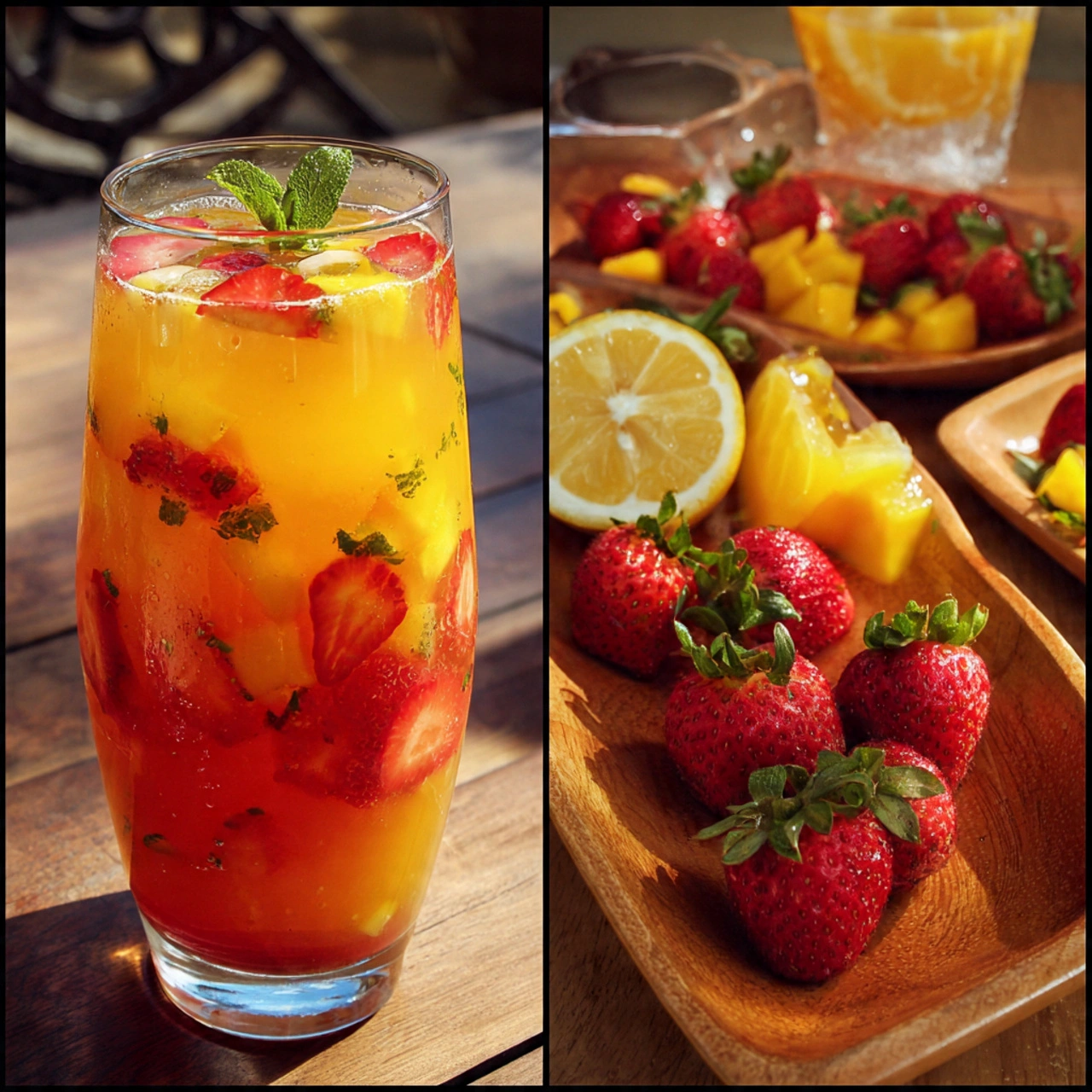
If you’re looking for a Strawberry Mango Lemonade that captures everything wonderful about summer in a single glass, this recipe is your answer. This vibrant pink-orange drink combines the sweetness of ripe strawberries and mangoes with the bright tartness of fresh lemon juice, creating a refreshing beverage that’s both beautiful to look at and absolutely delicious to drink. With just five simple ingredients and about 15 minutes of your time, you can whip up a pitcher of this naturally fruity refresher that beats any store-bought option by miles.
What makes this Strawberry Mango Lemonade truly exceptional is how the flavors work together—the strawberries provide berry sweetness and gorgeous color, the mango adds tropical depth and creamy body, while fresh lemon juice ties everything together with that essential bright acidity that makes lemonade so crave-worthy. The result is a drink that’s complex enough to impress guests at a dinner party yet simple enough to make on a random Tuesday when you just want something special.
This recipe has become my warm-weather obsession because it delivers restaurant-quality results with minimal effort and no special equipment beyond a blender. Kids love the fruity sweetness and fun color, adults appreciate the sophisticated flavor balance, and health-conscious folks love that you control exactly what goes in. Plus, that stunning coral-pink hue makes every glass photo-worthy without any artificial dyes or additives.
I’ve spent countless afternoons perfecting this Strawberry Mango Lemonade, testing different fruit ratios, adjusting sweetness levels, and experimenting with techniques until I achieved consistent, foolproof results. The version you’re about to learn is the culmination of all that testing—a recipe that works beautifully every single time.
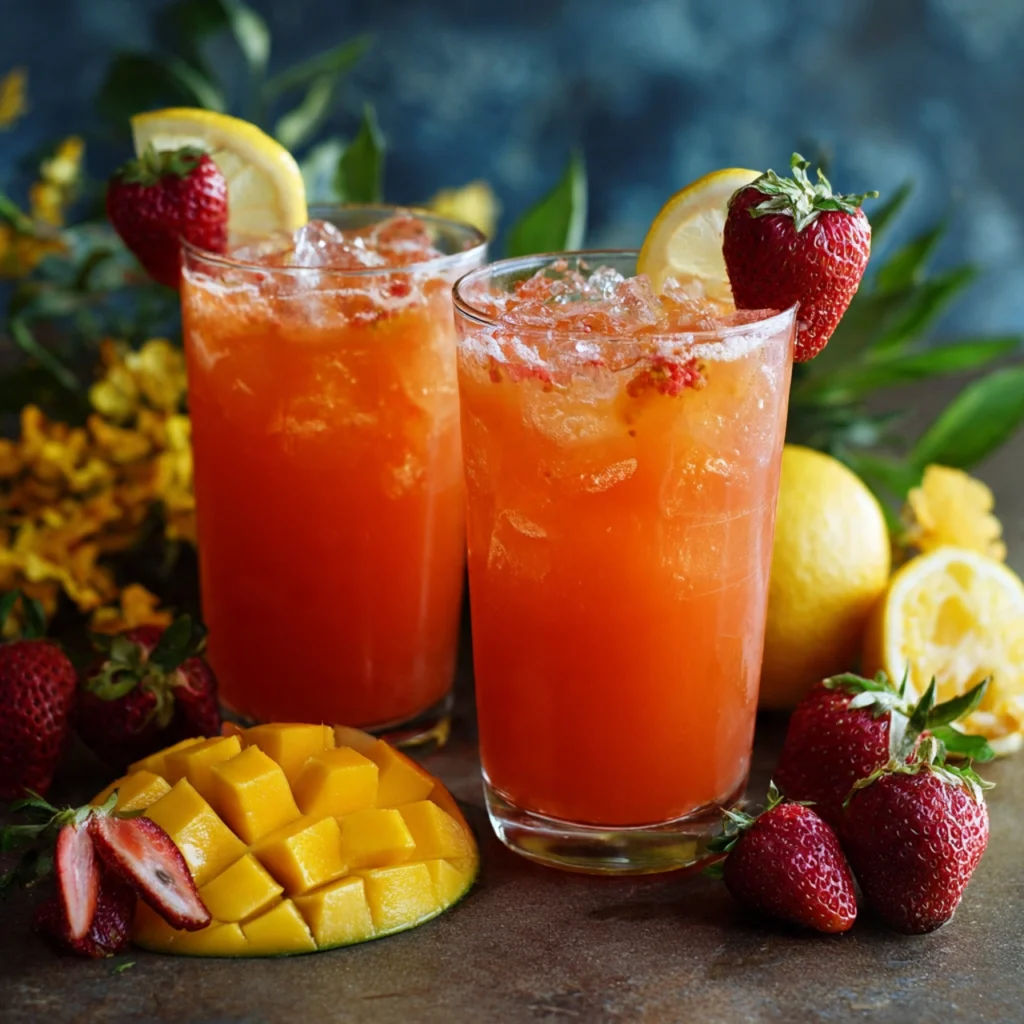
Ingredients For Strawberry Mango Lemonade
Essential Ingredients:
- 2 cups fresh strawberries, hulled and halved (about 12-15 medium strawberries)
- 1 large ripe mango, peeled and cubed (about 1½ cups)
- ¾ cup fresh lemon juice (about 4-5 lemons)
- ½ cup granulated sugar (adjust to taste)
- 4 cups cold water, divided
- Ice for serving
Optional Enhancements:
- Fresh mint leaves (for garnish and aroma)
- Lemon slices and strawberry halves (for garnish)
- 1 tablespoon honey (adds floral sweetness)
- ¼ teaspoon vanilla extract (enhances fruit flavors)
- Pinch of sea salt (balances and brightens)
Variations to Try:
- Sparkling Version: Replace 2 cups water with sparkling water
- Frozen Slushie: Blend with 2 cups ice for frozen consistency
- Berry Blast: Add ½ cup raspberries or blueberries
- Tropical Twist: Add ½ cup pineapple chunks
- Basil Strawberry Mango: Muddle 4-5 basil leaves in the blender
Sweetener Alternatives:
- Honey (use ⅓-½ cup)
- Agave nectar (use ⅓-½ cup)
- Maple syrup (use ⅓ cup)
- Stevia or monk fruit (adjust to taste)
- Coconut sugar (use ½ cup)
Step-by-Step Instructions
Step 1: Prepare the Fresh Fruit
Rinse 2 cups of fresh strawberries under cold water and remove the green hulls with a paring knife or strawberry huller. Cut larger strawberries in half for easier blending. For the mango, stand it upright and slice down each side of the flat pit to create two large pieces. Score the flesh in a crosshatch pattern, invert the skin, and cut off the cubed pieces. Trim any remaining flesh from around the pit. You should have about 1½ cups of mango cubes. Using ripe, sweet fruit is crucial—under-ripe fruit will create a tart, less flavorful lemonade that requires excessive sugar.
Step 2: Juice Fresh Lemons
You’ll need ¾ cup of fresh lemon juice for this recipe, which typically requires 4-5 medium lemons. Roll each lemon firmly on the counter while pressing down to break the internal membranes—this releases more juice. Cut in half and juice using a citrus press, handheld reamer, or just your hands, catching seeds in a strainer. Fresh lemon juice is absolutely essential; bottled juice tastes flat and artificial. If you’re making this recipe regularly, consider investing in a simple citrus juicer—it pays for itself quickly.
Step 3: Blend the Fruit Base
Add the prepared strawberries, mango cubes, ¾ cup fresh lemon juice, ½ cup sugar, and 2 cups of cold water to your blender. Blend on high speed for 60-90 seconds until the mixture is completely smooth with no fruit chunks remaining. The color should be a gorgeous coral-pink to peachy-orange depending on your strawberry-to-mango ratio. At this concentrated stage, taste the mixture—it should be intensely fruity and quite sweet since you’ll be diluting it further with more water.
Step 4: Strain for Silky Smoothness
For the smoothest, most refined Strawberry Mango Lemonade, pour the blended mixture through a fine-mesh strainer into a large pitcher. Use a spoon or spatula to press on the solids, extracting as much liquid as possible while leaving behind seeds, pulp, and fibrous bits. This straining step creates that restaurant-quality smooth texture. If you prefer a more rustic lemonade with body and natural fiber, you can skip straining—the drink will just have visible pulp and texture.
Step 5: Dilute and Balance Flavors
Add the remaining 2 cups of cold water to the pitcher and stir thoroughly to combine. Taste your lemonade at this point and adjust the flavor to your preference. brighten with fresh lemon juice 1 tablespoon at a time, increase sweetness by adding sugar (dissolved in a little warm water), or thin with water, adding ¼ cup at a time until balanced. Remember that ice will dilute the flavors slightly, so the lemonade should taste a bit more concentrated than your desired final result.
Step 6: Chill and Serve
Refrigerate the Strawberry Mango Lemonade for at least 30 minutes to get it thoroughly chilled—cold temperature is essential for maximum refreshment. Alternatively, serve immediately over plenty of ice if you can’t wait. Give the lemonade a good stir before pouring as some natural settling may occur. Pour into glasses filled with ice, garnish with fresh mint sprigs, lemon slices, or strawberry halves if desired, and serve immediately. This lemonade is at its absolute best when served ice-cold on a hot day.
Pro Tips for Perfect Strawberry Mango Lemonade
Use Perfectly Ripe Fruit: Fruit ripeness makes a big difference. Strawberries should be deep red, fragrant, and slightly soft, while mangoes should feel gently soft and smell sweet at the stem. Under-ripe fruit tastes too tart, and over-ripe fruit can taste fermented.
Fresh Lemon Juice is Non-Negotiable: Bottled lemon juice lacks the bright flavor of fresh. For the best-tasting lemonade, always use freshly squeezed juice—it makes a noticeable difference.
Adjust Sweetness to Your Fruit: Sweetness varies by fruit. Start with ½ cup sugar, taste before diluting, and adjust as needed—it’s easier to add more than fix an overly sweet drink.
Blend Thoroughly for Smooth Texture: Blend thoroughly—60–90 seconds on high—for a smooth base. Under-blending leaves chunks and a grainy texture. If needed, add liquids first or blend in batches.
Control Sweetness with Simple Syrup: Instead of adding granulated sugar directly, make a quick simple syrup by heating ½ cup sugar with ½ cup water until dissolved, then cooling before use. This ensures the sugar is fully incorporated and creates a silkier texture with no undissolved sugar granules.
Prevent Color Fading: Fresh fruit lemonade can brown slightly due to oxidation. To maintain the vibrant color, add the lemon juice last (its acidity slows oxidation), store in an airtight container with minimal air space, and consume within 24 hours for the most beautiful color.
Serve Extra Cold: Temperature is crucial for refreshing drinks. Use very cold water, chill the lemonade thoroughly before serving, and serve over plenty of ice. Consider freezing some lemonade in ice cube trays to use instead of regular ice—this keeps the drink cold without diluting it.
Common Mistakes to Avoid
Using Frozen Fruit Without Adjusting: Frozen strawberries and mango can dilute lemonade due to their higher water content. Reduce the added water by ½-1 cup and adjust to taste. Frozen fruit may be less sweet, so you might need extra sugar.
Not Straining the Mixture: Skipping the straining step leaves seeds and pulp in the lemonade. While some don’t mind the texture, most prefer a smooth, seed-free drink. Straining for 2 minutes improves the final product.
Adding All Water Before Tasting: If you add all 4 cups of water at once before adjusting sweetness and tartness, you lose the opportunity to fine-tune flavors. Always dilute in stages—taste the concentrated mixture, adjust, then add final water. This ensures perfect balance every time.
Over-Sweetening from the Start: Many people add too much sugar upfront, creating cloying sweetness that’s difficult to fix. Start conservatively—ripe fruit provides significant natural sweetness. You can always add more sugar, but you can’t easily remove it once added.
Using Low-Quality or Old Lemons: Old lemons with dried-out interiors produce less juice and taste bitter. Choose firm, heavy-for-their-size lemons with smooth skin. Avoid lemons with brown spots, very thick skin, or those that feel light and hollow.
Not Blending Long Enough: A quick 20-30 second blend leaves visible fruit chunks and creates grainy texture. Strawberry seeds especially need thorough blending. Always blend for the full 60-90 seconds for professional smoothness.
Serving at Room Temperature: Warm or room-temperature Strawberry Mango Lemonade tastes completely different from cold—the flavors are less balanced and refreshing. Always serve well-chilled over ice. The cold temperature is part of what makes lemonade so satisfying and thirst-quenching.
Storage and Serving Suggestions
Storage:
Refrigeration: Store Strawberry Mango Lemonade in an airtight pitcher or sealed glass container in the refrigerator for up to 3 days. The flavors actually improve after a few hours as they meld together. Shake or stir well before serving as natural separation occurs—the fruit solids settle to the bottom while the liquid rises to the top. This is completely normal with fresh fruit drinks.
Freezing for Later: Freeze lemonade in ice cube trays, then transfer the frozen cubes to freezer bags for up to 3 months. Use these fruit-lemonade cubes in future glasses of regular lemonade, water, or cocktails for a burst of flavor without dilution. You can also freeze in larger containers, though texture may change slightly when thawed. Thaw in the refrigerator and blend or shake vigorously before serving.
Color Changes: Fresh fruit lemonade may darken or oxidize slightly after a day or two. This is natural and doesn’t affect taste, just appearance. Adding a bit of extra lemon juice helps slow oxidation. For the most vibrant color, consume within 24 hours.
Batch Preparation: This Strawberry Mango Lemonade recipe is perfect for parties—simply multiply all ingredients by the number of batches needed. Make it 2-3 hours before guests arrive to allow chilling time. Don’t add ice to the pitcher itself; instead, serve over ice in individual glasses to prevent dilution.
Serving Suggestions:
Summer Gatherings: Strawberry Mango Lemonade is ideal for barbecues, pool parties, picnics, and outdoor gatherings. Serve in a large drink dispenser with fresh fruit floating on top for beautiful presentation. Provide lemon and strawberry garnishes so guests can customize their glasses.
Mocktails and Cocktails: This lemonade makes an excellent base for both non-alcoholic and alcoholic beverages. For adult cocktails, add vodka (creates a fruity martini-style drink), rum (tropical vibes), tequila (fruity margarita), or prosecco (elegant spritzer). For mocktails, add sparkling water, coconut water, or muddle fresh herbs like basil or mint.
Brunch Beverage: Serve at breakfast or brunch alongside pancakes, waffles, eggs, and pastries. The fruity sweetness pairs beautifully with breakfast foods. Pour into champagne flutes for an elegant brunch presentation that rivals mimosas.
Kids’ Parties: Children love the sweet fruit flavor and fun coral-pink color. Serve in clear cups so they can see the beautiful hue. Freeze some lemonade in fun-shaped molds for fruity ice pops—a healthy alternative to store-bought versions.
Elegant Presentation: Serve in mason jars or wine glasses with decorative paper straws. Rim the glasses with colored sugar (mix granulated sugar with a drop of food coloring if desired) by wetting the rim with lemon juice first. Add fresh fruit skewers as edible garnishes.
Frozen Pops and Ice Cream: Pour into popsicle molds and freeze for homemade fruit pops. You can also blend the lemonade with vanilla ice cream for a fruity milkshake-style drink.
Strawberry Mango Lemonade Frequently Asked Questions
Q1: Can I use frozen strawberries and mango?
Yes! Frozen fruit is convenient and often sweeter than fresh. Use 2 cups frozen strawberries and 1½ cups frozen mango—no need to thaw fully, but slightly thawed helps with blending. You may need to reduce the water to 3 cups as frozen fruit releases more liquid, but the texture will be just as good as fresh.
Q2: How can I make this lemonade less sweet?
Reduce the sugar to ⅓ cup or even ¼ cup if the fruit is very sweet. Add more lemon juice for extra tartness, or swap some water for unsweetened coconut water. Always start with less sweetener and adjust to taste—it’s easier than fixing an overly sweet lemonade.
Q3: Can I make this ahead for a party?
Yes! Strawberry Mango Lemonade tastes even better after a few hours. Make it up to 24 hours ahead and refrigerate. For best color and flavor, prepare it the same day, keep it ice-free, and add ice to glasses when serving. Stir well before pouring.
Q4: What if I don’t have fresh lemons?
Fresh lemon juice is really essential for the best flavor, but if you’re in a pinch, you can substitute with bottled lemon juice—just know that the flavor won’t be quite as bright and vibrant. Use the same amount (¾ cup). For an even better alternative, use fresh lime juice instead, which creates a strawberry mango limeade variation that’s equally delicious.
Q5: How do I know if my mango is ripe?
A ripe mango feels slightly soft when gently squeezed and smells sweet at the stem. Color isn’t always reliable. Avoid mangoes that are rock hard or smell fermented, and let under-ripe ones ripen on the counter for 1–3 days.
Nutrition Information (Approximate Values per Serving)
Serving Size: 1 cup (8 ounces, based on 6 servings)
- Calories: 95
- Total Fat: 0g
- Saturated Fat: 0g
- Cholesterol: 0mg
- Sodium: 5mg
- Total Carbohydrates: 24g
- Dietary Fiber: 2g
- Sugars: 21g
- Protein: 1g
- Vitamin C: 65% DV
- Vitamin A: 12% DV
- Potassium: 6% DV
- Folate: 8% DV
Nutritional Highlights:
- Excellent source of vitamin C (immune support)
- Contains natural antioxidants from berries
- Provides vitamin A from mango
- Naturally fat-free and cholesterol-free
- Good source of hydration
- Contains natural fruit fiber
Note: Nutritional information is approximate and based on the recipe using ½ cup granulated sugar. Values vary based on fruit ripeness, exact sugar amount used, and serving size. Recipe makes approximately 6 cups or 6 servings.
Final Thoughts
This Strawberry Mango Lemonade is summer captured in a glass—bright, refreshing, and bursting with natural fruit flavor. The combination of sweet strawberries, tropical mango, and tart lemon creates a drink that’s sophisticated enough for adult gatherings yet appealing enough for kids’ parties. Best of all, it comes together in just 15 minutes with ingredients you can find at any grocery store.
What makes this Strawberry Mango Lemonade recipe truly special is its versatility and reliability. Make it exactly as written for a classic version, or experiment with the variations to create your own signature twist. Either way, you’ll have a gorgeous, delicious beverage that beats anything from a restaurant or coffee shop.
So grab some fresh fruit and lemons, fire up your blender, and get ready to make the most refreshing drink of the season!
PrintStrawberry Mango Lemonade: The Ultimate Summer Refresher in 15 Minutes

Strawberry Mango Lemonade combines the best of summer fruits with fresh lemon juice to create a vibrant, refreshing drink that’s naturally sweet and beautifully colored. Ready in just 15 minutes with simple ingredients, this homemade lemonade is perfect for parties, poolside sipping, or anytime you want a tropical-berry refresher.
- Prep Time: 10 minutes
- Cook Time: 0 minutes
- Total Time: 45 minutes (or 15 if serving immediately)
- Yield: 6 cups (6 servings)
- Category: Beverage, Drink, Refresher
- Method: Blending, No-Cook
- Cuisine: American, Tropical
- Diet: Vegan
Ingredients
- 2 cups fresh strawberries, hulled and halved
- 1 large ripe mango, peeled and cubed (1½ cups)
- ¾ cup fresh lemon juice (4-5 lemons)
- ½ cup granulated sugar (adjust to taste)
- 4 cups cold water (divided)
- Ice for serving
- Optional: fresh mint, lemon slices, strawberry halves for garnish
Instructions
- Hull and halve strawberries; peel and cube mango
- Juice lemons to get ¾ cup fresh juice
- Add strawberries, mango, lemon juice, sugar, and 2 cups water to blender
- Blend on high 60-90 seconds until completely smooth
- Strain through fine-mesh strainer into pitcher (optional but recommended)
- Add remaining 2 cups water; stir well
- Taste and adjust sweetness/tartness as needed
- Refrigerate 30 minutes or serve immediately over ice
- Stir before serving; garnish with mint and fresh fruit
- Enjoy cold!
Notes
- Use ripe, sweet fruit for best flavor and less sugar needed
- Fresh lemon juice is essential—bottled won’t taste as good
- Straining creates smooth texture; skip for rustic version with pulp
- Frozen fruit works—use same amounts, reduce water by ½ cup
- Adjust sugar based on fruit sweetness (start less, add more)
- Lemonade separates naturally in fridge—stir before serving
- Add sparkling water for fizzy version
- Stores 3 days refrigerated; shake well before serving