Introduction
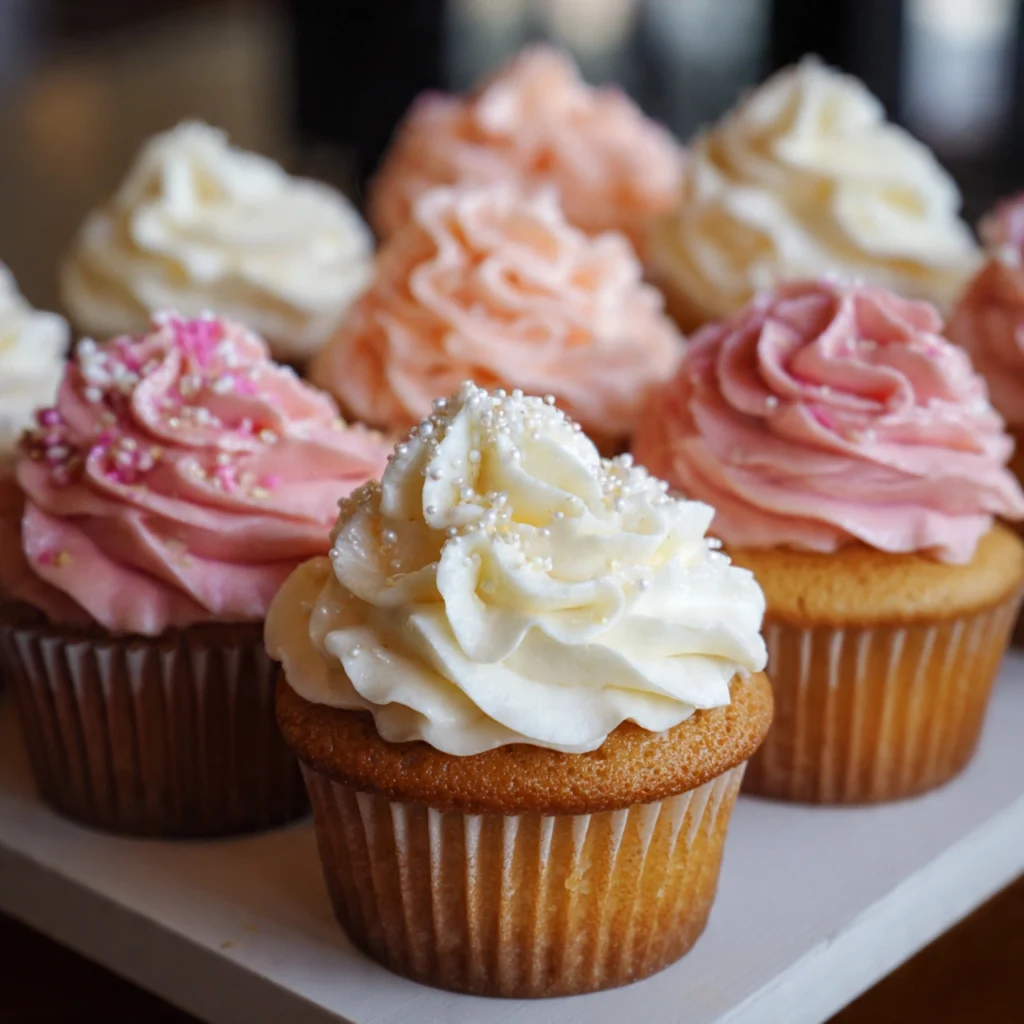
Cupcakes are the ultimate crowd-pleasing dessert that never goes out of style. These individual-sized treats combine the best of both worlds—all the deliciousness of a full-sized cake with the convenience of perfectly portioned servings that require no slicing, no plates, and minimal cleanup. Whether you’re planning a birthday party, bake sale, office celebration, or simply craving something sweet, homemade cupcakes deliver bakery-quality results right from your own kitchen with ingredients you probably already have in your pantry.
What makes these cupcakes truly exceptional is their incredibly moist, tender crumb and perfectly domed tops that practically beg to be frosted. Unlike dense, dry cupcakes that crumble apart or taste artificial, this recipe produces light, fluffy vanilla cupcakes with a delicate texture that melts in your mouth. The secret lies in the precise ratio of ingredients, the mixing method, and understanding the science behind what makes cupcakes rise beautifully and taste amazing every single time.
I’ve been perfecting this cupcakes recipe for over a decade, tweaking and testing until I landed on this version that consistently delivers professional results. These aren’t just good for homemade cupcakes—they rival anything you’d find in a specialty bakery. The vanilla flavor is pure and pronounced without being artificial, the texture is impossibly soft and springy, and they stay fresh for days. I’ve used this recipe for countless birthdays, weddings, baby showers, and casual weekend treats, and it has never let me down. The best part? This recipe is beginner-friendly enough for first-time bakers yet sophisticated enough to impress seasoned baking enthusiasts.
Ingredients
For the Vanilla Cupcakes:
- 1¾ cups all-purpose flour, spooned and leveled
- 1½ teaspoons baking powder
- ½ teaspoon baking soda
- ½ teaspoon salt
- ½ cup (1 stick) unsalted butter, softened to room temperature
- 1 cup granulated sugar
- 2 large eggs, room temperature
- 2 teaspoons pure vanilla extract
- ½ cup sour cream, room temperature
- ½ cup whole milk, room temperature
Vanilla Buttercream Frosting Recipe:
- 1 cup (2 sticks) unsalted butter, softened to room temperature
- 4 cups powdered sugar, sifted
- ¼ cup heavy cream or whole milk
- 2 teaspoons pure vanilla extract
- ⅛ teaspoon salt
- Gel food coloring (optional)
For Decoration (Optional):
- Sprinkles, jimmies, or nonpareils
- Edible glitter or pearl dust
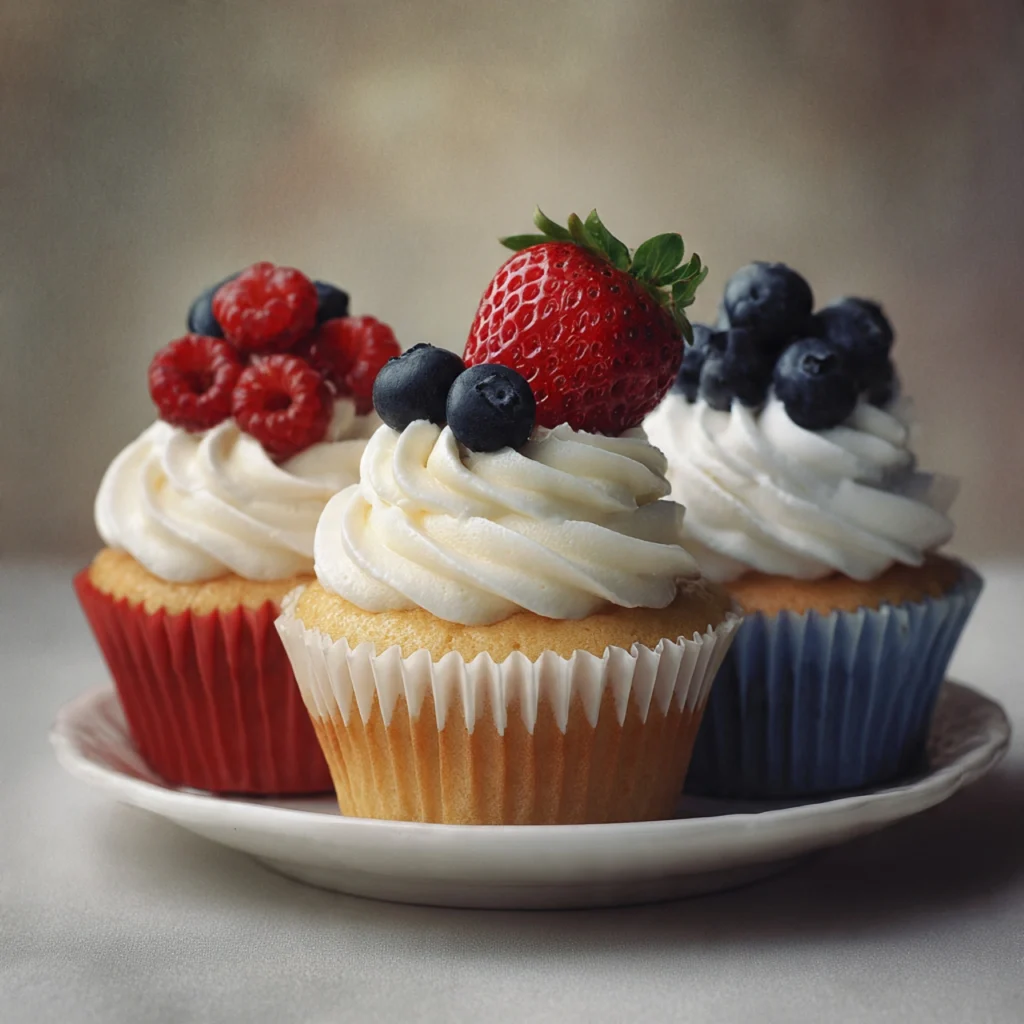
- Fresh berries
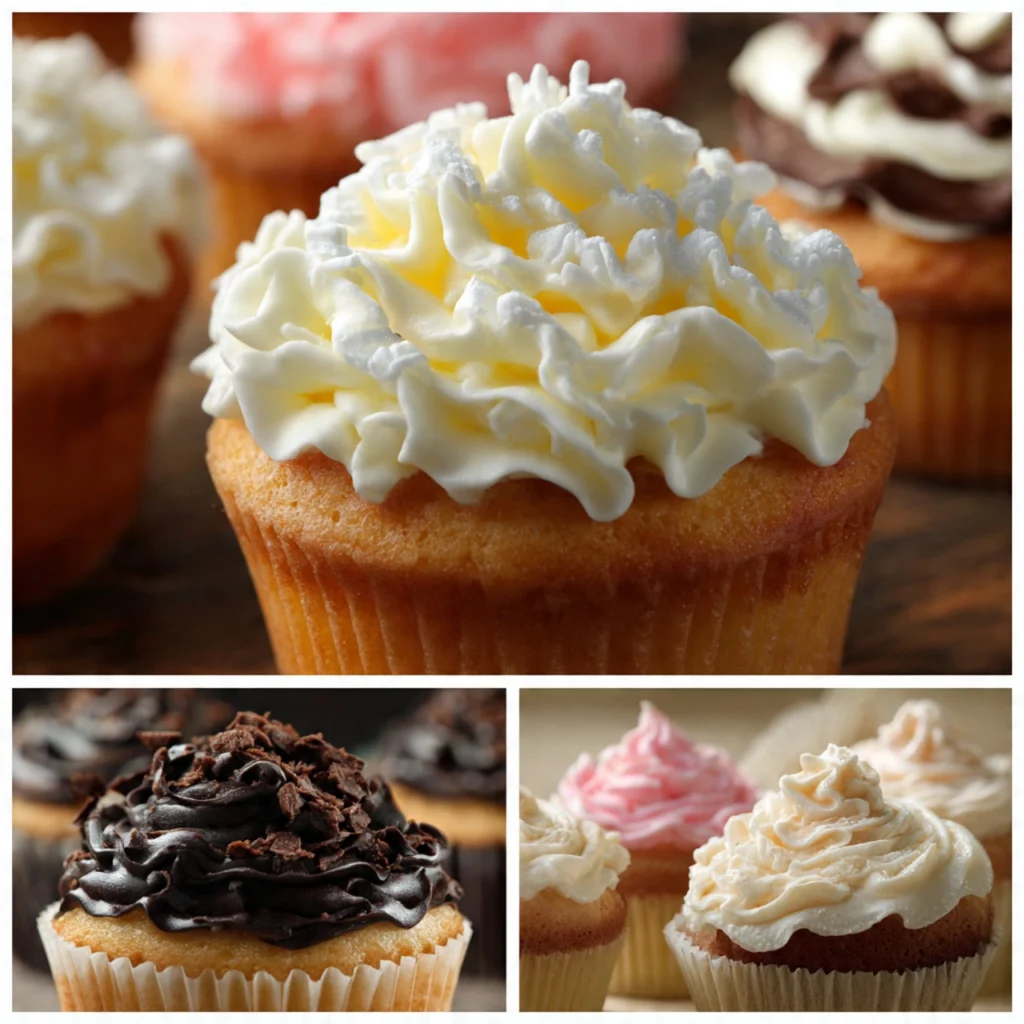
- Chocolate shavings
- Fondant decorations
- Candy toppings
Step-by-Step Instructions
Step 1: Prepare Your Cupcake Pan and Preheat
Start by preheating your oven to 350°F (175°C). Line a standard 12-cup muffin pan with paper cupcake liners. I prefer using high-quality liners that won’t peel away from the cupcakes when they’re done—foil-lined papers work especially well and come in beautiful colors and patterns. If you’re making a double batch of cupcakes, you can line two pans or plan to bake in batches.
Position your oven rack in the center position. This ensures even heat distribution and helps your cupcakes bake uniformly without burning on the bottom or remaining raw in the center. Having the oven fully preheated before the batter goes in is crucial for proper rise and texture.
Step 2: Mix the Dry Ingredients
In a medium mixing bowl, whisk together the flour, baking powder, baking soda, and salt. Whisk vigorously for about 30 seconds to ensure all the leavening agents are evenly distributed throughout the flour. This step is essential for consistent rise across all your cupcakes—you don’t want some flat and some domed! Set this bowl aside. You’ll add these dry ingredients to the wet mixture later.
Step 3: Cream Butter and Sugar
In a large mixing bowl or the bowl of a stand mixer fitted with the paddle attachment, beat the softened butter on medium speed for about 2 minutes until it’s smooth and creamy. Add the granulated sugar and increase the speed to medium-high. Cream the butter and sugar together for 3-4 minutes, stopping to scrape down the sides and bottom of the bowl halfway through.
This creaming process is critical for light, fluffy cupcakes. As you beat the butter and sugar together, you’re incorporating thousands of tiny air bubbles that will expand during baking, creating that tender, airy texture. The mixture should become noticeably paler in color and fluffy in texture. Don’t rush this step—it’s the foundation of great cupcakes.
Step 4: Add Eggs and Vanilla
Reduce your mixer speed to medium-low. Add the eggs one at a time, beating well after each addition and scraping down the bowl between eggs. Make sure each egg is fully incorporated before adding the next one. After both eggs are mixed in, add the vanilla extract and beat for another 30 seconds.
At this point, your batter might look slightly curdled or separated—don’t panic! This is completely normal and will smooth out when you add the dry ingredients and liquids. The mixture should smell wonderfully fragrant from the vanilla.
Step 5: Combine Wet Ingredients and Alternate Additions
In a measuring cup or small bowl, whisk together the sour cream and milk until completely smooth with no lumps. This creates your liquid mixture. With your mixer on low speed, add the dry ingredients in three parts, alternating with the wet mixture in two parts. The pattern should be: one-third dry, half wet, one-third dry, remaining wet, remaining dry.
Start and end with the dry ingredients. Mix each addition just until you can barely see streaks of flour—don’t overmix! After the final addition of dry ingredients, stop the mixer and finish combining the batter by hand with a rubber spatula. Use a few gentle folds to ensure everything is evenly mixed, scraping the bottom and sides of the bowl. The batter should be smooth, thick, and creamy.
Overmixing develops gluten strands, which makes cupcakes tough and dense instead of tender and fluffy. Mix only until combined—a few small lumps are fine and will bake out.
Step 6: Fill the Cupcake Liners and Bake
Using a cookie scoop or ice cream scoop (⅓ cup capacity works perfectly), divide the batter evenly among the 12 prepared cupcake liners. Each liner should be about ⅔ to ¾ full—no more, or your cupcakes will overflow and create muffin tops. If you have leftover batter, you can make a few extra cupcakes in a second pan.
A cookie scoop is the secret to perfectly uniform cupcakes that all bake at the same rate. If you don’t have a scoop, you can use a spoon, but try to keep the portions as equal as possible.
Place the pan in your preheated oven and bake for 18-22 minutes. Start checking at 18 minutes—the cupcakes are done when a toothpick inserted into the center comes out clean or with just a few moist crumbs (not wet batter), and the tops spring back lightly when touched. The cupcakes should be golden on top and just starting to pull away from the paper liners.
Step 7: Cool Completely
Remove the pan from the oven and let the cupcakes cool in the pan for 5 minutes. This brief resting period allows them to firm up slightly, making them easier to remove without falling apart. After 5 minutes, carefully transfer each cupcake to a wire cooling rack.
Let the cupcakes cool completely before frosting—this takes about 45 minutes to 1 hour. Frosting warm cupcakes will cause the buttercream to melt and slide right off, creating a messy disaster. Touch the bottom of a cupcake to check—it should feel completely cool to the touch.
Step 8: Make the Buttercream Frosting
While your cupcakes cool, prepare the frosting. In a large bowl, beat the softened butter with an electric mixer on medium speed for 2-3 minutes until it’s creamy and smooth. Add the sifted powdered sugar one cup at a time, beating on low speed after each addition to prevent a sugar cloud in your kitchen.
Once all the sugar is incorporated, add the heavy cream, vanilla extract, and salt. Beat on low for 30 seconds to combine, then increase to medium-high speed and beat for 3-4 minutes. The frosting should become noticeably lighter in color, fluffy in texture, and increased in volume. If the frosting is too thick, add more cream one tablespoon at a time. If it’s too thin, add more powdered sugar ¼ cup at a time.
For colored frosting, add gel food coloring a tiny drop at a time, beating between additions until you achieve your desired shade. Gel colors are much more concentrated than liquid colors and won’t thin out your frosting.
Step 9: Frost and Decorate Your Cupcakes
Once your cupcakes are completely cool, you’re ready to frost! You have several options:
Simple Spread Method: Use an offset spatula or butter knife to spread frosting over the top of each cupcake in swirls or smooth dome shapes.
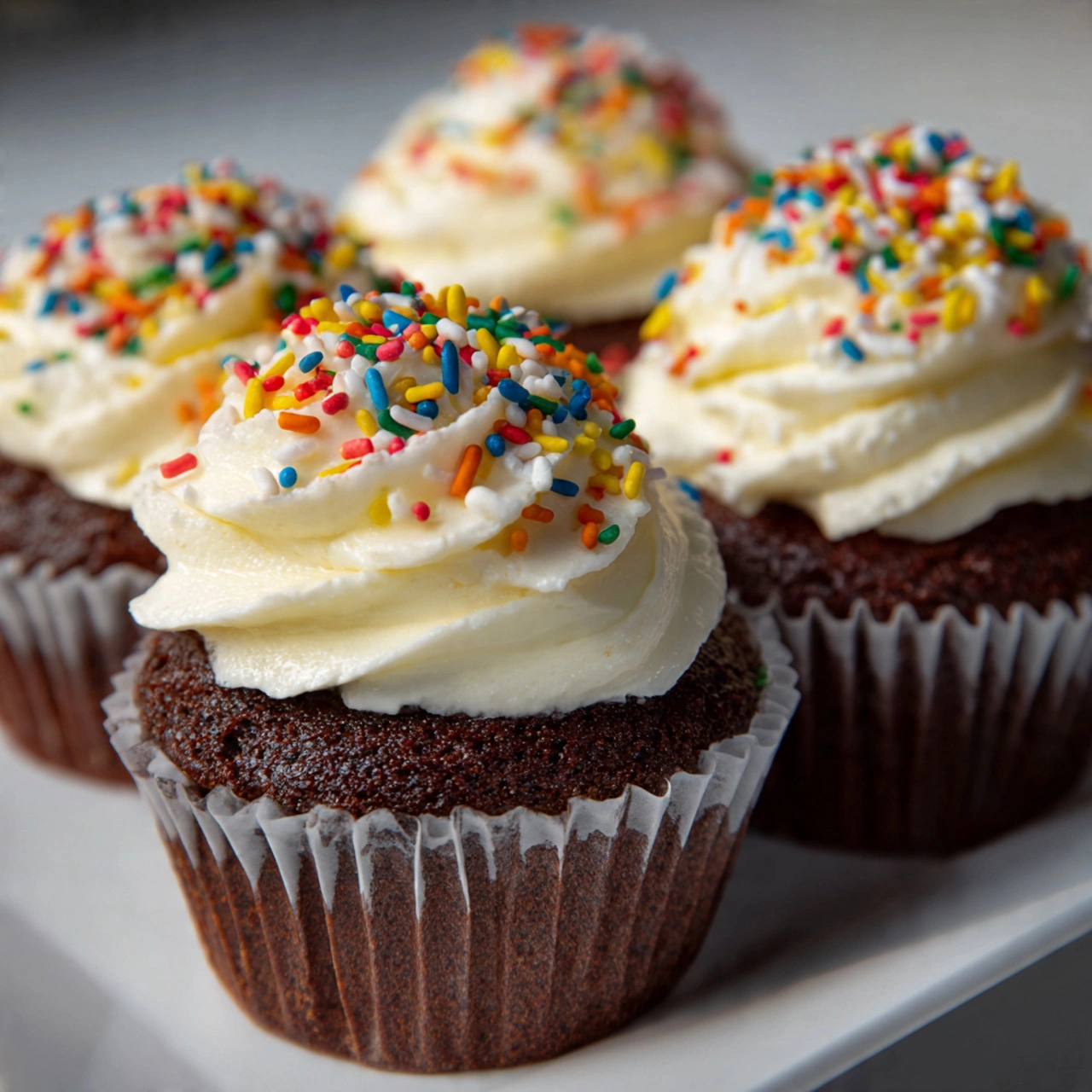
Piping Method: Fill a piping bag fitted with a large round, star, or specialty tip with buttercream. Hold the bag perpendicular to the cupcake and pipe in a spiral motion from the outside edge toward the center, building up height as you go. Release pressure and pull away for a clean finish.
Swirl Method: Use a spoon to dollop a generous amount of frosting on top, then use the back of the spoon to create swoops and swirls.
Immediately after frosting, add your decorative toppings while the buttercream is still soft so they’ll stick. Sprinkles, edible glitter, or other decorations should be added right away. Your beautiful cupcakes are now ready to serve!
Pro Tips for the Perfect Cupcakes
Room Temperature Ingredients Are Essential:For perfect cupcakes, use butter, eggs, milk, and sour cream at room temperature (65–70°F) for a smooth batter. Cold ingredients can make cupcakes dense—remove from the fridge 1–2 hours before baking.
Don’t Overmix the Batter: Mix the batter only until no dry flour remains. Overmixing develops gluten, making cupcakes tough and dense. Stop as soon as the ingredients are combined for light, tender cupcakes.
Use an Ice Cream Scoop for Even Portions:Use a ⅓-cup cookie or ice cream scoop to make cupcakes uniform in size. This ensures even baking and gives a professional, attractive look.
Fill Liners Correctly: The sweet spot is ⅔ to ¾ full. Too little batter results in flat cupcakes with no dome; too much causes overflow and creates messy muffin tops. Getting this right takes practice, but a scoop makes it foolproof.
Don’t Open the Oven Door Early:Don’t peek during the first 15 minutes of baking. Opening the oven can cause cupcakes to sink or bake unevenly. Check only near the minimum baking time.
Test for Doneness Properly: Use the toothpick test: insert it into the center of a cupcake. It should come out clean or with a few crumbs. If wet batter appears, bake 2 more minutes and check again.
Cool Completely Before Frosting: I can’t stress this enough! Warm cupcakes will melt your beautiful buttercream and create a disaster. Be patient and wait the full hour for complete cooling.
Make Frosting in Advance: Buttercream can be made up to 3 days ahead and refrigerated. Bring to room temperature and re-whip before using to restore fluffiness.
Invest in Quality Vanilla:Use pure vanilla extract instead of imitation—it makes a noticeable difference in flavor and is worth the extra cost.
Common Mistakes to Avoid
Using Cold Ingredients: Cold ingredients can affect your batter—cold butter won’t cream properly, eggs may curdle, and milk won’t mix smoothly. Always bring ingredients to room temperature, or quick-temper eggs by placing them in warm water for 5–10 minutes.
Overfilling Cupcake Liners: When liners are too full, batter overflows during baking and creates messy edges. Stick to the ⅔-¾ full guideline. It might seem like you’re not using much batter, but cupcakes rise significantly during baking.
Opening the Oven Door Too Soon: This causes temperature fluctuations that can make cupcakes sink in the center or bake unevenly. Keep the door closed for at least the first 15 minutes of baking time.
Substituting Cake Flour for All-Purpose: This recipe works best with all-purpose flour. Cake flour makes cupcakes too delicate, and bread flour makes them tough. Stick with all-purpose for the perfect texture.
Skipping the Sour Cream: The sour cream in this recipe is essential for moisture, tenderness, and flavor. Don’t substitute it with extra milk or the cupcakes won’t turn out the same. If you absolutely must substitute, use full-fat Greek yogurt.
Overmixing After Adding Flour: Once flour is added, mix gently and minimally. Every extra stir develops more gluten, leading to tough, dense cupcakes instead of light, fluffy ones.
Not Measuring Flour Correctly: Too much flour is a common cause of dry, dense cupcakes. Always use the spoon-and-level method: spoon flour into your measuring cup and level it off with a knife. Never scoop directly from the bag or pack the flour down.
Frosting Warm Cupcakes: This bears repeating because it’s such a common mistake. Buttercream will melt and slide right off warm cupcakes. Wait until they’re completely cool—patience pays off with beautiful results!
Storage and Serving Suggestions
Storage Instructions:
Room Temperature: Unfrosted cupcakes can be stored in an airtight container at room temperature for up to 2 days. Frosted cupcakes can be kept at room temperature for up to 1 day if your home isn’t too warm (under 70°F). Place them in a container with a tight-fitting lid to keep them fresh and prevent the frosting from drying out.
Refrigerator: Frosted cupcakes will stay fresh in the refrigerator for up to 5 days. Store them in an airtight container to prevent them from absorbing refrigerator odors. Buttercream firms up when chilled, so remove cupcakes from the fridge 30-60 minutes before serving to bring them back to room temperature for the best flavor and texture.
Freezer: Both frosted and unfrosted cupcakes freeze beautifully for up to 3 months. For unfrosted cupcakes, wrap each one individually in plastic wrap, then place them all in a freezer bag or airtight container. For frosted cupcakes, freeze them uncovered on a baking sheet for 1 hour until the frosting is firm, then wrap individually. Thaw at room temperature for 2-3 hours before serving.
Buttercream Storage: Extra buttercream can be stored in an airtight container in the refrigerator for up to 2 weeks or frozen for up to 3 months. Bring to room temperature and re-whip before using.
Serving Suggestions:
Classic Presentation: Serve cupcakes on a tiered cupcake stand or arranged on a pretty platter. This creates an attractive display for parties and makes self-service easy for guests.
Ice Cream Cupcakes: Slice a cupcake in half horizontally and sandwich a scoop of your favorite ice cream between the layers. It’s like an ice cream sandwich but better!
Cupcake Sundaes: Top a cupcake with a scoop of ice cream, chocolate or caramel sauce, whipped cream, and a cherry for an over-the-top dessert that’s pure indulgence.
Mix and Match Flavors: Make both vanilla and chocolate cupcakes and offer a variety on your dessert table. Guests love having options!
Individual Dessert Boxes: Package cupcakes individually in clear boxes tied with ribbon for party favors, bake sale items, or gifts. They look professional and travel beautifully.
Breakfast Treats: A lightly frosted cupcake with your morning coffee is a special weekend treat. I won’t judge if you have cake for breakfast occasionally!
Theme Decorating: Use colored frosting and themed decorations to match any occasion—pastels for Easter, red and green for Christmas, school colors for graduation, or team colors for sports parties. The possibilities are endless with cupcakes!
Frequently Asked Questions (FAQ)
Q1: Can I make these cupcakes without sour cream?
Sour cream adds moisture, tenderness, and a subtle tang, but you can substitute it with full-fat Greek yogurt, milk, or buttermilk if needed. For best results, stick with sour cream—it really improves the texture.
Q2: Why did my cupcakes sink in the middle?
Sunken cupcakes are usually caused by opening the oven too early, mixing the batter incorrectly, using too much leavening, or underbaking. An oven thermometer can help ensure the temperature is just right.
Q3: Can I turn this into a layer cake instead of cupcakes?
This recipe makes an 8- or 9-inch two-layer cake. Grease pans, divide the batter, and bake at 350°F until a toothpick comes out clean. Cool 10 minutes, then transfer to wire racks before frosting.
Q4: How do I get bakery-style high domes on my cupcakes?
For perfect cupcake domes, preheat to 350°F, fill liners ⅔–¾ full, and avoid opening the oven. Use room-temperature ingredients and gentle mixing.
Q5: Can I make these cupcakes vegan or dairy-free?
Yes! Make these cupcakes vegan with vegan butter, plant-based milk, dairy-free sour cream or yogurt, and flax eggs (1 tbsp flax + 3 tbsp water per egg). Use vegan butter and dairy-free milk for frosting. Still delicious!
Q6: My buttercream frosting is too soft/too stiff. How do I fix it?
Frosting consistency is easy to adjust. Chill soft buttercream or add powdered sugar gradually. If too stiff, beat in cream or milk a little at a time. Keep at room temperature (around 70°F) for perfect spreading and piping.
Q7: How far in advance can I make cupcakes for a party?
Bake cupcakes the day before or morning of your event. Store unfrosted at room temperature or freeze, make buttercream ahead, and frost the day of.
Nutrition Information (Approximate Values per Serving)
Serving Size: 1 cupcake (with frosting)
- Calories: 385 kcal
- Total Fat: 18g
- Saturated Fat: 11g
- Trans Fat: 0g
- Cholesterol: 70mg
- Sodium: 180mg
- Total Carbohydrates: 54g
- Dietary Fiber: 0g
- Sugars: 43g
- Protein: 3g
- Vitamin A: 10% DV
- Vitamin C: 0% DV
- Calcium: 4% DV
- Iron: 5% DV
- Potassium: 60mg
Note: Nutrition information is calculated based on the recipe as written, including both cupcake and buttercream frosting. Values may vary depending on specific ingredients, brands used, and decoration toppings. Decorative elements like sprinkles are not included in this calculation. For the most accurate nutrition information, input your exact ingredients into a nutrition calculator. Based on 12 cupcakes total.
Conclusion
These cupcakes are simple, delicious, and endlessly versatile. Perfect for both beginners and experienced bakers, the tender vanilla cake with smooth buttercream frosting never goes out of style and delights people of all ages.
This recipe serves as a blank canvas—try different extracts, fold in chocolate chips or fruit, experiment with colored frostings, or create themed cupcakes for any occasion.
The techniques you learn here will help you in all your baking adventures, giving you confidence to try new flavors and decorations while mastering the basics.
With proper technique, accurate measurements, and patience, your cupcakes will turn out beautifully every time. Remember, baking improves with practice, and even imperfect cupcakes usually taste amazing!
So gather your ingredients, preheat the oven, and get ready to fill your kitchen with the wonderful aroma of freshly baked cupcakes. Whether you’re making them for a special celebration or just because Tuesday needs something sweet, these vanilla cupcakes with buttercream frosting will bring joy to everyone who tastes them. They’re proof that sometimes the simplest recipes are the most satisfying.
Happy baking, and may your cupcakes always rise beautifully, frost perfectly, and bring smiles to everyone lucky enough to enjoy them!
PrintCupcakes: Perfect Vanilla Recipe with Fluffy Buttercream in 5 Steps
These classic vanilla cupcakes feature a moist, tender crumb with pure vanilla flavor, topped with smooth, creamy buttercream frosting. Perfect for birthdays, celebrations, or any occasion, this foolproof recipe produces bakery-quality cupcakes that are fluffy, delicious, and easy to make at home.
- Prep Time: 20 minutes
- Cook Time: 20 minutes
- Total Time: 40 minutes (plus cooling)
- Yield: 12 cupcakes
- Category: Dessert, Cupcakes, Baked Goods
- Method: Baking
- Cuisine: American
- Diet: Vegetarian
Ingredients
Cupcakes:
- 1¾ cups all-purpose flour
- 1½ tsp baking powder
- ½ tsp baking soda
- ½ tsp salt
- ½ cup butter, softened
- 1 cup sugar
- 2 eggs, room temperature
- 2 tsp vanilla extract
- ½ cup sour cream
- ½ cup milk
Frosting:
- 1 cup butter, softened
- 4 cups powdered sugar
- ¼ cup heavy cream
- 2 tsp vanilla extrac
Instructions
- Preheat oven to 350°F; line muffin pan with 12 liners
- Whisk flour, baking powder, baking soda, and salt; set aside
- Cream butter and sugar 3-4 minutes until fluffy
- Add eggs one at a time, then vanilla
- Whisk together sour cream and milk
- Alternate adding dry ingredients and wet mixture in batches
- Fill liners ⅔-¾ full using a scoop
- Bake 18-22 minutes until toothpick comes out clean
- Cool in pan 5 minutes, then completely on rack
- Beat butter; add sugar, cream, and vanilla; whip 3-4 minutes
- Frost cooled cupcakes and decorate
Notes
- All ingredients must be room temperature
- Don’t overmix batter after adding flour
- Use cookie scoop for even portions
- Cool completely before frosting (45-60 minutes)
- Buttercream can be made 3 days ahead
- Store frosted cupcakes in refrigerator up to 5 days
- Freeze unfrosted cupcakes up to 3 months
- Use pure vanilla extract for best flavor