
Introduction
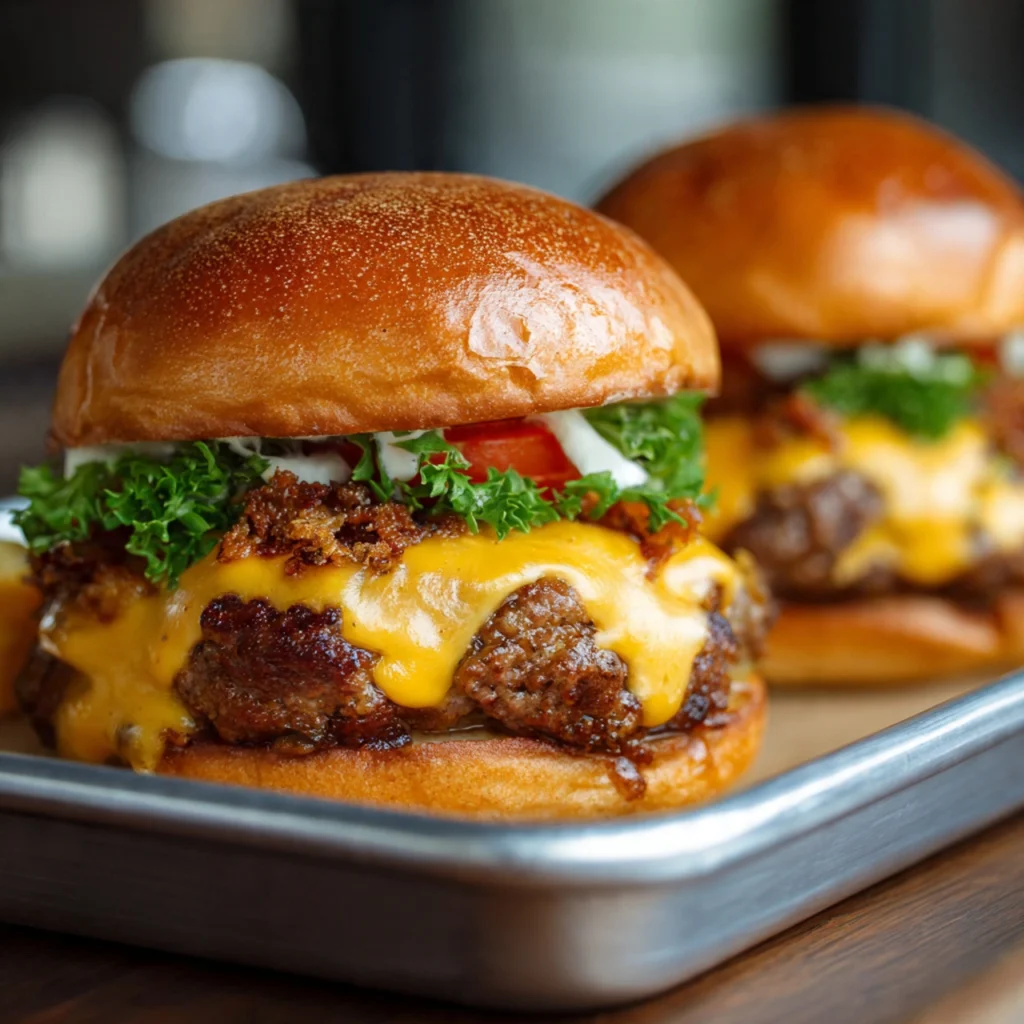
Smash burgers have taken the culinary world by storm, and for good reason. Unlike traditional thick patties, smash burgers are created by literally smashing a ball of ground beef onto a scorching hot griddle or cast-iron skillet, creating those irresistible crispy, caramelized edges that burger enthusiasts crave. The technique transforms simple ground beef into something extraordinary—a thin, lacy-edged patty with a beautifully seared crust on the outside and a tender, juicy center that delivers maximum flavor in every bite.
What makes smash burgers so special isn’t just the technique—it’s the science behind it. When you smash beef onto a hot surface, you maximize the Maillard reaction, that magical chemical process that creates deep, savory flavors and that signature golden-brown crust. The result? A burger that rivals anything you’d find at your favorite burger joint, all made in the comfort of your own kitchen in just 15 minutes.
Whether you’re a backyard grilling enthusiast or a weeknight dinner warrior, mastering the smash burger technique will elevate your burger game forever. This comprehensive guide will walk you through everything you need to know to create restaurant-quality smash burgers at home, from selecting the right beef to perfecting your smashing technique. Get ready to discover why smash burgers have become the gold standard for burger lovers everywhere.
Why Smash Burgers Are Superior
The beauty of smash burgers lies in their simplicity and the superior texture they deliver. Traditional burgers often suffer from uneven cooking and lack that incredible crust that adds dimension to each bite. Smash burgers solve this problem by creating maximum surface contact with the cooking surface, resulting in:
- Incredible crust development through the Maillard reaction
- Even cooking from edge to edge
- Shorter cooking time due to the thin patty
- Better meat-to-bun ratio when you stack them
- More flavor concentrated in every bite
The technique originated in burger stands across America, where speed and flavor were paramount. Today, smash burgers represent the perfect intersection of tradition, science, and pure deliciousness.
Ingredients
For the Burger Patties:
- 1½ pounds (680g) ground beef (80/20 blend recommended)
- 1½ teaspoons kosher salt
- 1 teaspoon freshly ground black pepper
- 4-8 slices American cheese (1-2 slices per burger)
- Neutral cooking oil (vegetable or canola), for the griddle
For the Burger Assembly:
- 4 hamburger buns (potato buns or brioche recommended)
- 2 tablespoons unsalted butter, softened
- 4 leaves crisp lettuce (iceberg or butter lettuce)
- 1 large tomato, sliced
- ½ red onion, thinly sliced
- 8-12 pickle slices
- Condiments of choice (ketchup, mustard, mayonnaise, special sauce)
Optional Toppings:
- Caramelized onions
- Sautéed mushrooms
- Crispy bacon strips
- Jalapeño slices
- Avocado slices
Essential Equipment
Before you begin, gather these tools for smash burger success:
- Cast-iron skillet or griddle (at least 12 inches)
- Sturdy metal spatula (wide and flat)
- Burger press or second spatula for smashing
- Parchment paper squares (to prevent sticking during smashing)
- Kitchen scale (for portioning)
- Meat thermometer (optional but helpful)
Step-by-Step Instructions
Step 1: Prepare Your Ingredients (5 minutes)
Start by dividing your ground beef into portions. For classic smash burgers, you’ll want 3-4 ounce portions (85-115g), which will create patties about 4-5 inches in diameter when smashed. Gently roll each portion into a loose ball—don’t compact the meat too much, as this can make the burgers tough.
Season your beef balls generously with kosher salt and freshly ground black pepper. You can season now or right before smashing; both methods work well. Keep the beef balls refrigerated until you’re ready to cook.
Prepare all your toppings and have them ready to go. Slice the tomatoes, separate the lettuce leaves, slice the onions, and set out your condiments. Butter one side of each bun.
Step 2: Preheat Your Cooking Surface (3 minutes)
This step is absolutely crucial for smash burger success. Place your cast-iron skillet or griddle over high heat and let it preheat for at least 3-4 minutes. You want the surface screaming hot—this is what creates that incredible crust.
To test if your griddle is ready, flick a few drops of water onto the surface. If they sizzle and evaporate immediately, you’re ready to cook. Add just a thin coating of neutral oil to the cooking surface right before you’re ready to smash.
Step 3: The Smash (30 seconds per patty)
Here’s where the magic happens. Place a ball of seasoned beef onto the hot griddle. Immediately place a sheet of parchment paper on top (this prevents the meat from sticking to your spatula or press), then press down HARD with your spatula or burger press.
Use significant pressure—don’t be gentle. You want to flatten that ball into a thin patty about ⅓ inch thick or less. The edges should be irregular and lacy. Press for about 5-10 seconds, then remove the parchment paper and discard it.
Work in batches if necessary. Don’t overcrowd your cooking surface, as this will lower the temperature and prevent proper browning.
Step 4: The First Cook (2 minutes)
Let the patty cook undisturbed for exactly 2 minutes. During this time, resist the urge to move or peek at the burger. The patty is developing that beautiful, crispy crust. You’ll see the edges start to brown and crisp up—this is exactly what you want.
After 2 minutes, use your wide spatula to scrape underneath the patty, getting under all those crispy bits. The burger should release easily from the griddle if it’s properly seared. If it’s sticking, give it another 30 seconds.
Step 5: The Flip and Finish (1-2 minutes)
Flip the patty decisively. The cooked side should be deeply browned with crispy, lacy edges. Season the just-cooked side with a pinch more salt if desired.
If you’re making cheeseburgers (and you should be), immediately place 1-2 slices of cheese on top of each patty. The cheese will begin to melt from the residual heat.
Cook for an additional 1-2 minutes on this side. For food safety, the internal temperature should reach 160°F (71°C), though with such thin patties, you’ll typically exceed this.
Step 6: Toast the Buns (2 minutes)
While your final batch of burgers is cooking, or using a separate pan, toast your buns. Place them butter-side down on the griddle or in a skillet over medium heat. Toast for 1-2 minutes until golden brown and crispy. This step adds texture and prevents soggy buns.
Step 7: Assemble Your Masterpiece (2 minutes)
Now comes the fun part. Start with the bottom bun and build your burger:
- Spread your choice of condiment on the bottom bun
- Add the lettuce leaf (this creates a barrier against moisture)
- Place your smash burger patty (or stack two for a double)
- Add tomato slices
- Add onions and pickles
- Add any additional toppings
- Spread condiment on the top bun
- Crown your creation with the top bun
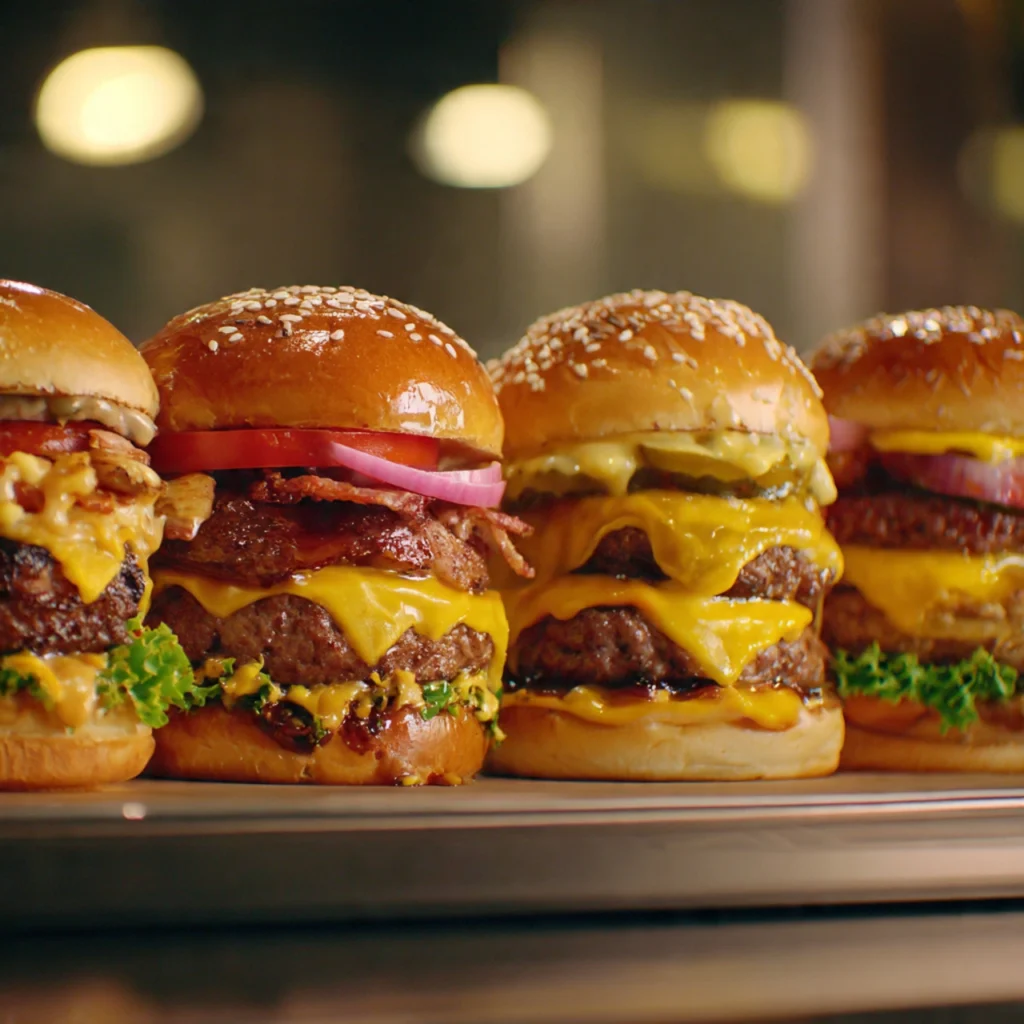
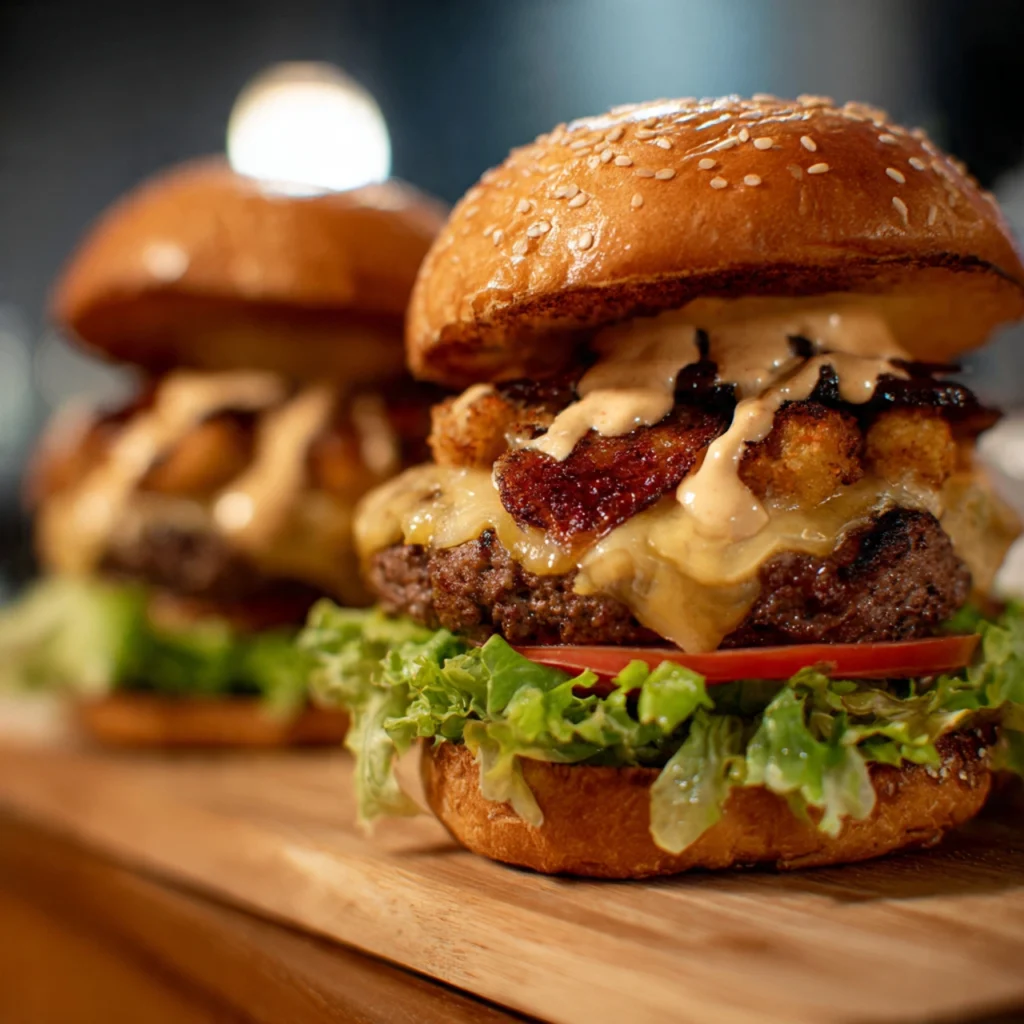
For the ultimate smash burger experience, many enthusiasts recommend the double smash burger—two thin patties stacked with cheese between them. This creates an incredible meat-to-toppings ratio.
Pro Tips for Perfect Smash Burgers
1. Choose the Right Beef
The 80/20 ground chuck ratio (80% lean, 20% fat) is ideal for smash burgers. The fat content ensures juiciness and flavor while creating that crispy crust. Leaner beef will produce drier burgers with less flavor. Never use beef leaner than 85/15.
2. Keep Your Beef Cold
Cold beef holds its shape better during smashing and prevents it from sticking to your tools. Keep your portioned beef balls in the refrigerator until the moment you’re ready to cook each one.
3. Don’t Overwork the Meat
When forming your beef balls, handle the meat as little as possible. Overworking creates a dense, tough texture. You want a loose ball that will smash easily.
4. Smash Only Once
This is critical: you get ONE smash per patty. Once you’ve pressed it down, leave it alone. Trying to smash it again will just squeeze out the juices and ruin the crust you’re trying to build.
5. Use High Heat
Don’t be timid with your heat. A screaming hot griddle is essential for developing that crust. Medium heat won’t cut it—you need high heat to achieve proper caramelization.
6. Get a Good Spatula
Invest in a sturdy, wide metal spatula with a sharp edge. You’ll need it to scrape up all those crispy bits from the griddle. A flimsy spatula will make the job frustrating and less effective.
7. Season Generously
Don’t be shy with the salt and pepper. Much of the seasoning on the exterior creates flavor, and some will stay on the griddle. Season more than you think you need.
8. Time Your Cheese Addition
Add cheese immediately after flipping so it has maximum time to melt. For extra melty cheese, you can cover the burgers with a metal bowl for 30 seconds to trap the heat.
9. Rest Your Assembled Burgers
Let your assembled burgers sit for 1-2 minutes before serving. This allows the juices to redistribute and makes for a less messy eating experience.
10. Clean Your Griddle Between Batches
Scrape away any burnt bits between batches to prevent them from sticking to your next burger and creating off-flavors.
Common Mistakes to Avoid
Mistake #1: Using Pre-Formed Patties
Never use pre-formed burger patties for smash burgers. The technique requires loose beef that can be smashed flat. Pre-formed patties are too compact and won’t create those lacy edges.
Mistake #2: Pressing Down During Cooking
Once you’ve done your initial smash, resist the urge to press down on the burger again. This only squeezes out the juices and makes your burger dry. Let the heat do the work.
Mistake #3: Not Getting the Griddle Hot Enough
A lukewarm griddle produces steamed, gray burgers instead of beautifully seared ones. Wait for the griddle to be fully heated before cooking.
Mistake #4: Making the Balls Too Large
Bigger isn’t always better with smash burgers. Oversized balls won’t smash thin enough and will cook unevenly. Stick to 3-4 ounce portions for best results.
Mistake #5: Flipping Too Early or Too Often
Flipping before the crust has formed will tear the burger and leave you with a mess. Wait the full 2 minutes, and only flip once.
Mistake #6: Skipping the Parchment Paper
Trying to smash without parchment paper often results in meat sticking to your press or spatula. Use the parchment—it’s a game-changer.
Mistake #7: Overcrowding the Griddle
Putting too many burgers on at once lowers the surface temperature, preventing proper browning. Cook in batches if necessary.
Mistake #8: Using the Wrong Cheese
While you can use any cheese, American cheese is traditional for a reason—it melts beautifully and evenly. Save the fancy aged cheddar for other applications.
Storage and Serving Suggestions
Serving Suggestions
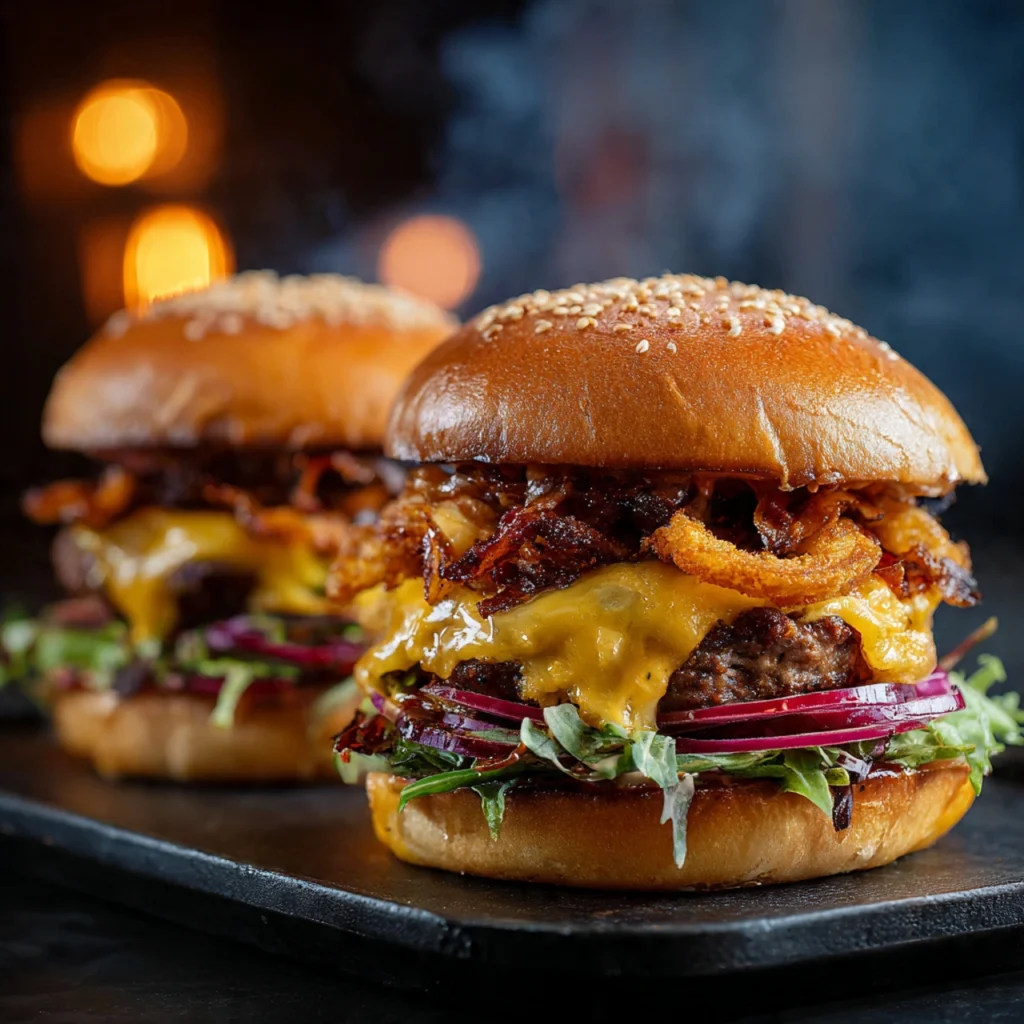
Smash burgers are best served immediately while the crust is still crispy and the cheese is melted. However, here are some serving ideas to complete your meal:
Classic Sides:
- Crispy french fries or sweet potato fries
- Onion rings
- Coleslaw
- Potato chips
- Pickle spears
- Macaroni salad
Beverage Pairings:
- Classic milkshakes (chocolate, vanilla, or strawberry)
- Ice-cold beer
- Root beer or cola
- Lemonade
- Iced tea
Sauce Options:
- Classic burger sauce (mayo, ketchup, relish, spices)
- Thousand Island dressing
- Chipotle mayo
- Garlic aioli
- BBQ sauce
- Sriracha mayo
Storage Guidelines
Uncooked Beef Balls:
- Refrigerate: Portion and store covered for up to 24 hours
- Freeze: Place on a parchment-lined tray, freeze until solid, then transfer to a freezer bag for up to 3 months
Cooked Patties:
- Refrigerate: Store in an airtight container for up to 3 days
- Freeze: Wrap individually in plastic wrap, then place in a freezer bag for up to 2 months
Reheating Tips: While smash burgers are truly best fresh, you can reheat cooked patties in a skillet over medium heat for 2-3 minutes per side. The crust won’t be quite as crispy, but they’ll still be delicious. Avoid microwaving if possible, as this makes the patties soggy.
Assembled Burgers: Assembled burgers don’t store well due to the buns becoming soggy. Always store components separately and assemble just before serving.
Frequently Asked Questions (FAQ)
1. What’s the difference between a regular burger and a smash burger?
The main difference lies in the cooking technique and resulting texture. Traditional burgers are formed into thick patties and cooked relatively gently, often on a grill. Smash burgers are made by pressing a ball of ground beef onto a hot flat-top griddle or skillet with significant force, creating a thin patty with crispy, caramelized edges. This smashing technique maximizes the Maillard reaction, producing more flavorful crust and a different texture—crispy on the outside, tender inside. Smash burgers cook faster, have more surface area for browning, and typically have a better meat-to-bun ratio when stacked.
2. Can I make smash burgers on a regular grill?
While technically possible, it’s not ideal. Smash burgers require a flat, solid cooking surface to achieve maximum contact and create that signature crust. A traditional grill with grates won’t provide the necessary surface area contact. If you want to make smash burgers outdoors, use a flat-top griddle attachment for your grill or a large cast-iron griddle placed directly on the grates. The key is having a continuous, flat, and extremely hot cooking surface.
3. What type of ground beef is best for smash burgers?
The ideal choice is ground chuck with an 80/20 lean-to-fat ratio. This means 80% lean meat and 20% fat. This fat content provides enough flavor and moisture to keep the burgers juicy despite the high-heat cooking method, while also contributing to crust development. Leaner beef (90/10 or 93/7) will produce drier, less flavorful burgers. Ground beef with higher fat content (70/30) can become greasy and may cause flare-ups. Ground chuck at 80/20 hits the sweet spot for flavor, texture, and juiciness.
4. How thin should I smash the burger patties?
Aim for approximately ⅓ inch thick or slightly thinner—about the thickness of two stacked quarters. The patty should be thin enough to develop a serious crust but thick enough to remain juicy in the center. The edges will naturally be thinner and create those desirable lacy, crispy bits. Don’t worry about making it perfectly uniform—the irregular edges are part of what makes smash burgers special. Remember, the patty will shrink slightly during cooking due to moisture loss.
5. Can I make smash burgers ahead of time?
You can prepare components ahead, but the actual smashing and cooking should happen just before serving for best results. Here’s what you can prep in advance: portion your beef into balls and refrigerate (up to 24 hours) or freeze (up to 3 months); prep all your toppings and store them separately; make any special sauces. However, once cooked, smash burgers lose their signature crispy texture quickly. If you must cook ahead, reheat the patties in a hot skillet for 1-2 minutes per side to recrisp the exterior, though they won’t be quite as good as fresh.
6. Why are my smash burgers sticking to the griddle?
Sticking usually indicates one of three problems: the griddle isn’t hot enough (it needs to be screaming hot), you’re not using enough oil (use a thin coating of neutral oil), or you’re trying to flip too early (wait the full 2 minutes for the crust to develop). When properly seared, a crust forms that naturally releases from the griddle. If your burgers are sticking despite high heat, try using a bit more oil or ensure you’re using a well-seasoned cast-iron surface. A sharp-edged metal spatula also helps scrape underneath stubborn spots.
7. Can I make smash burgers in a non-stick pan?
While possible, it’s not recommended. Non-stick pans typically can’t withstand the extremely high heat needed for proper smash burger development. High heat can damage non-stick coating and potentially release harmful fumes. Additionally, non-stick surfaces don’t promote the same level of crust development that cast iron or carbon steel provides. For best results, use a cast-iron skillet, carbon steel pan, or flat-top griddle that can handle high heat and promote maximum browning through the Maillard reaction.
8. Should I add anything to the ground beef before forming patties?
No! One of the beautiful things about smash burgers is their simplicity. Don’t add eggs, breadcrumbs, onions, or seasonings into the meat itself. These additions are for meatloaf or meatballs, not burgers. Adding binders or mix-ins creates a denser texture and prevents the beef from smashing properly. Simply use pure ground beef, form it into loose balls, and season the outside with salt and pepper. The high-heat searing will create all the flavor you need without any additives.
Nutrition Information
Serving Size: 1 burger (with bun and standard toppings) Servings Per Recipe: 4
- Calories: 580-620 kcal
- Total Fat: 32g
- Saturated Fat: 14g
- Trans Fat: 1.5g
- Cholesterol: 115mg
- Sodium: 890mg
- Total Carbohydrates: 35g
- Dietary Fiber: 2g
- Sugars: 6g
- Protein: 35g
- Vitamin D: 0.3mcg
- Calcium: 220mg
- Iron: 4.5mg
- Potassium: 480mg
Note: Nutritional values are approximate and will vary based on specific ingredients used, portion sizes, and toppings added. Values shown are for a burger with cheese, standard bun, lettuce, tomato, onion, pickles, and approximately 2 tablespoons of condiments.
Conclusion
Mastering the art of smash burgers is a game-changing skill that will elevate your home cooking repertoire. The combination of a crispy, caramelized crust with a juicy interior creates a burger experience that rivals any restaurant. The beauty of this technique lies in its simplicity—quality beef, high heat, and the courage to smash that patty flat are really all you need.
Remember, the key elements to smash burger success are: using the right beef (80/20 ground chuck), getting your cooking surface screaming hot, smashing decisively just once, and resisting the urge to move the patty during cooking. Follow these principles, and you’ll be rewarded with burgers that have that irresistible crispy edge and maximum flavor.
Whether you’re cooking for a weeknight dinner, a weekend gathering, or just satisfying a serious burger craving, smash burgers deliver big flavor fast. Once you’ve mastered the basic technique, don’t be afraid to experiment with different toppings, cheeses, and sauces to make these burgers your own.
Now that you’re armed with all the knowledge, tips, and techniques, it’s time to fire up that griddle and start smashing. Your perfect burger awaits—crispy, juicy, and absolutely delicious. Happy cooking!
PrintThe Ultimate Guide to Perfect Smash Burgers: Crispy Edges, Juicy Centers Every Time
These smash burgers deliver restaurant-quality flavor with crispy, caramelized edges and a juicy center. Made with simple ingredients and a foolproof technique, they’re ready in just 15 minutes and guarantee burger perfection every time.
- Prep Time: 10 minutes
- Cook Time: 5 minutes
- Total Time: 15 minutes
- Yield: 4 burgers (or 8 single patties)
- Category: Main Course, Dinner, Lunch
- Method: Pan-frying, Griddling
- Cuisine: American
Ingredients
- 1½ pounds ground beef (80/20)
- 1½ teaspoons kosher salt
- 1 teaspoon black pepper
- 4-8 slices American cheese
- 4 hamburger buns
- 2 tablespoons butter
- Lettuce, tomato, onion, pickles
- Condiments of choice
- Neutral oil for cooking
Instructions
- Divide beef into 3-4 oz portions and form into loose balls
- Heat cast-iron skillet or griddle over high heat for 3-4 minutes
- Season beef balls with salt and pepper
- Place beef ball on hot griddle, cover with parchment, and smash flat
- Cook undisturbed for 2 minutes until crispy crust forms
- Flip, add cheese, and cook 1-2 minutes more
- Toast buns butter-side down until golden
- Assemble burgers with desired toppings and serve immediately
Notes
- Use parchment paper squares to prevent sticking when smashing
- Don’t press down after initial smash—this squeezes out juices
- For double smash burgers, stack two patties with cheese between
- Griddle must be extremely hot for proper crust development
- American cheese melts best, but use your preference
- Burgers are best served immediately for optimal texture