Introduction
Rice noodle recipes have captivated food lovers around the world with their delicate texture, versatility, and ability to absorb flavors like edible sponges of deliciousness. Whether you’re craving the tangy sweetness of pad thai, the aromatic comfort of Vietnamese pho, or a simple stir-fried noodle dish for a weeknight dinner, mastering rice noodles opens up an entire universe of culinary possibilities. These gluten-free noodles have been a cornerstone of Asian cuisine for centuries, gracing tables from Thailand to Vietnam, China to Malaysia.
What makes rice noodle recipes so appealing is their remarkable adaptability. They work beautifully in soups, stir-fries, salads, and even spring rolls. Unlike wheat-based noodles, rice noodles have a subtle flavor that allows them to showcase whatever sauce, protein, or vegetables you pair them with. They’re also incredibly forgiving for home cooks once you understand a few key techniques.
In this comprehensive guide, I’m sharing everything I’ve learned over two decades of cooking and perfecting rice noodle recipes. You’ll discover the secrets to preventing mushy noodles, learn which types work best for different dishes, and get step-by-step instructions that guarantee restaurant-quality results in your own kitchen. Whether you’re a complete beginner or an experienced home cook looking to refine your technique, this guide will transform how you approach these magnificent noodles.
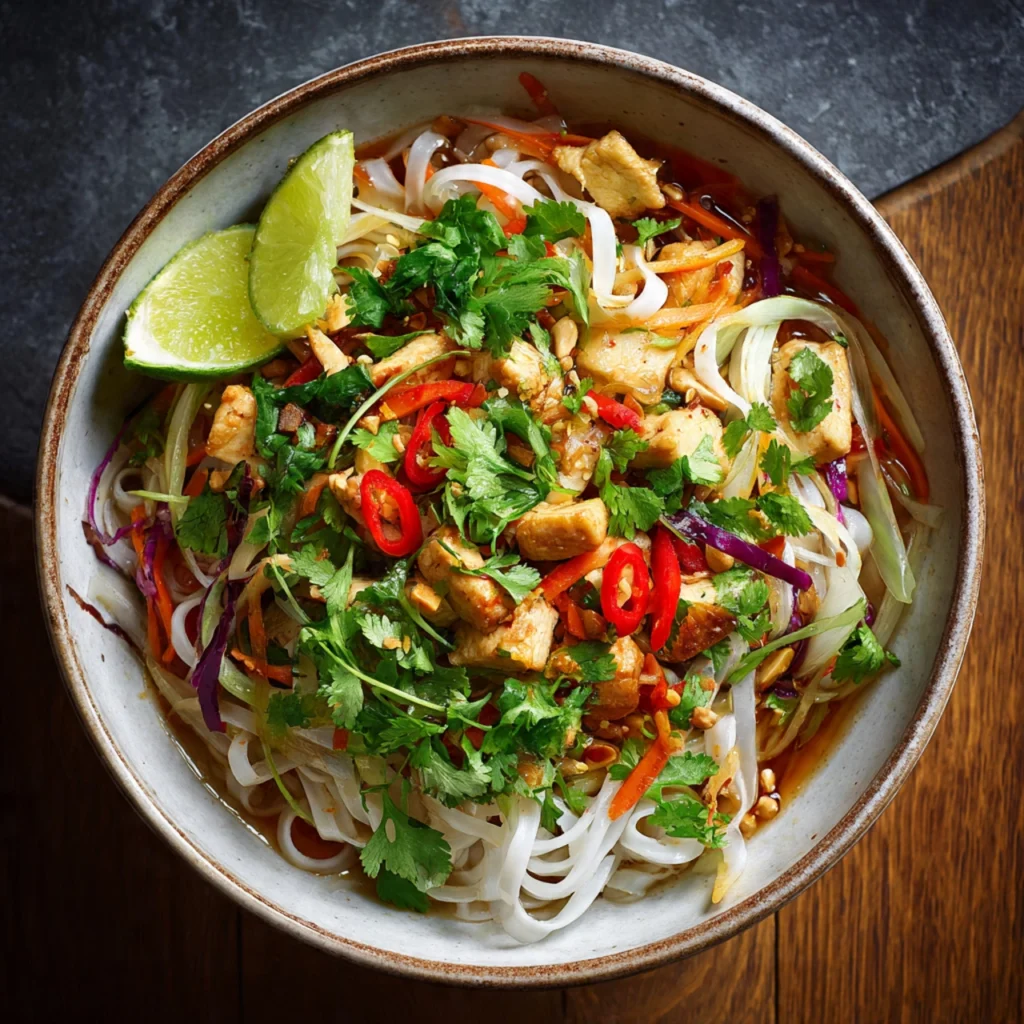
Understanding Rice Noodles: Types and Varieties
Before diving into recipes, let’s explore the different types of rice noodles you’ll encounter:
Pad Thai Noodles (Sen Lek): These flat, medium-width noodles are about 1/4 inch wide and perfect for stir-frying. They hold up well to high heat and have enough surface area to catch sauce.
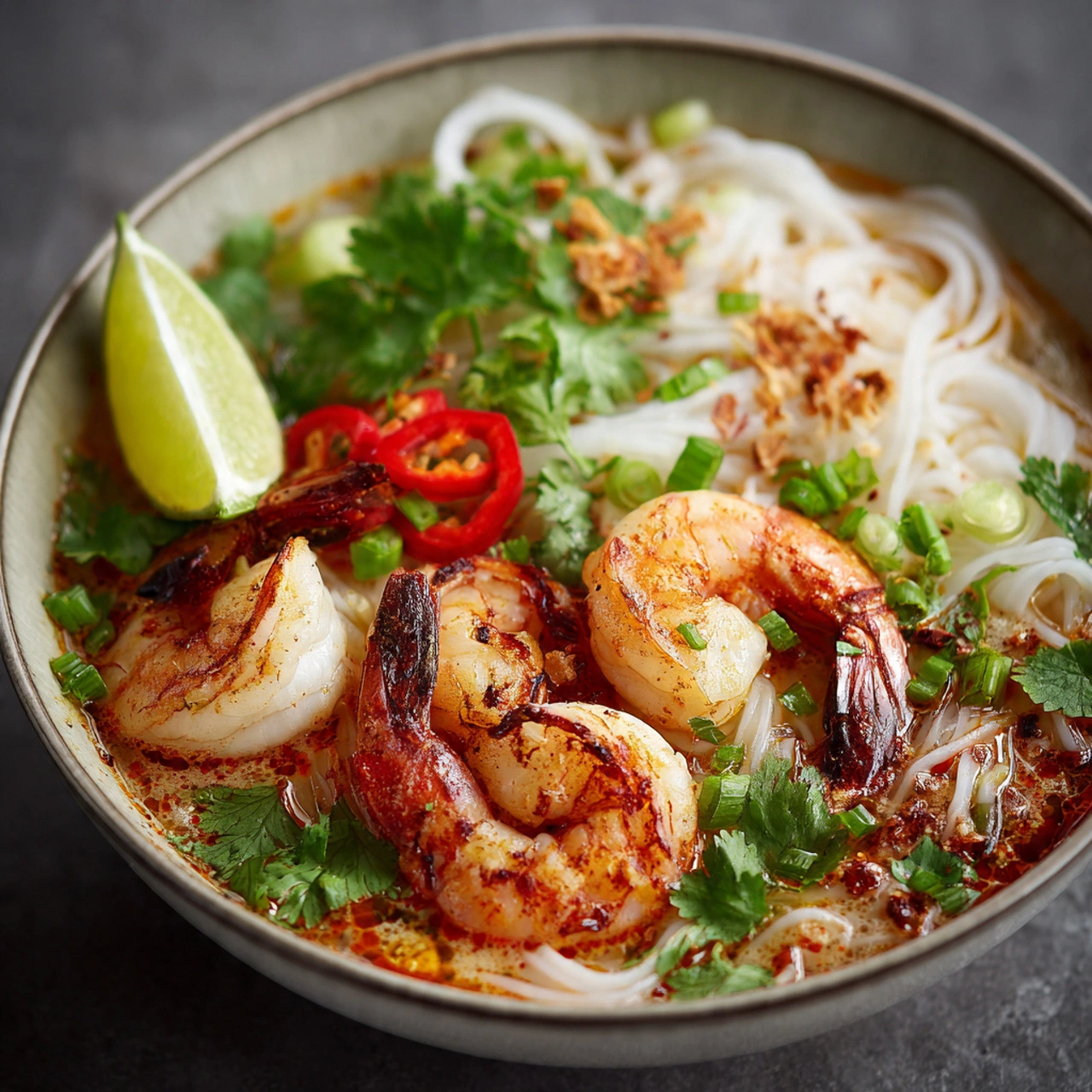
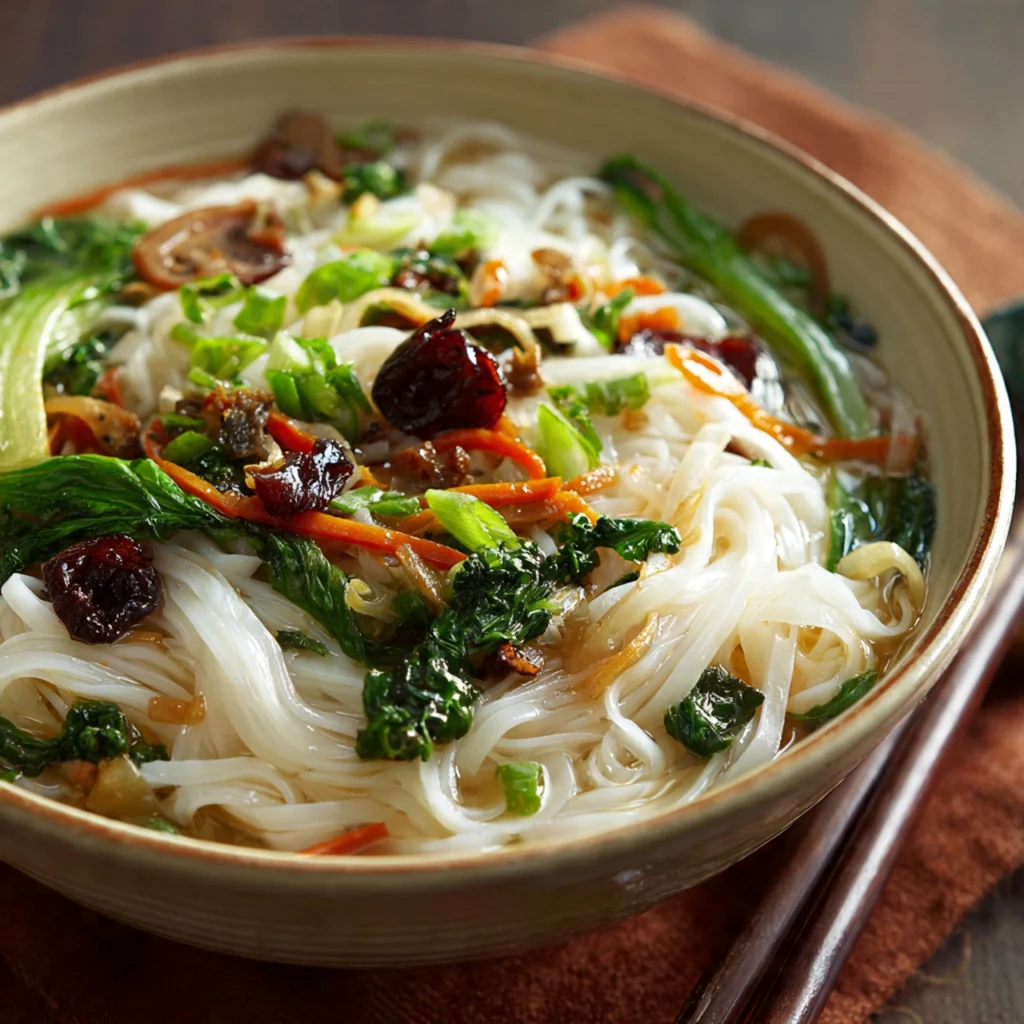
Pho Noodles (Banh Pho): Flat and wider than pad thai noodles, these are specifically designed for soup dishes. They’re silky and slippery in the best possible way.
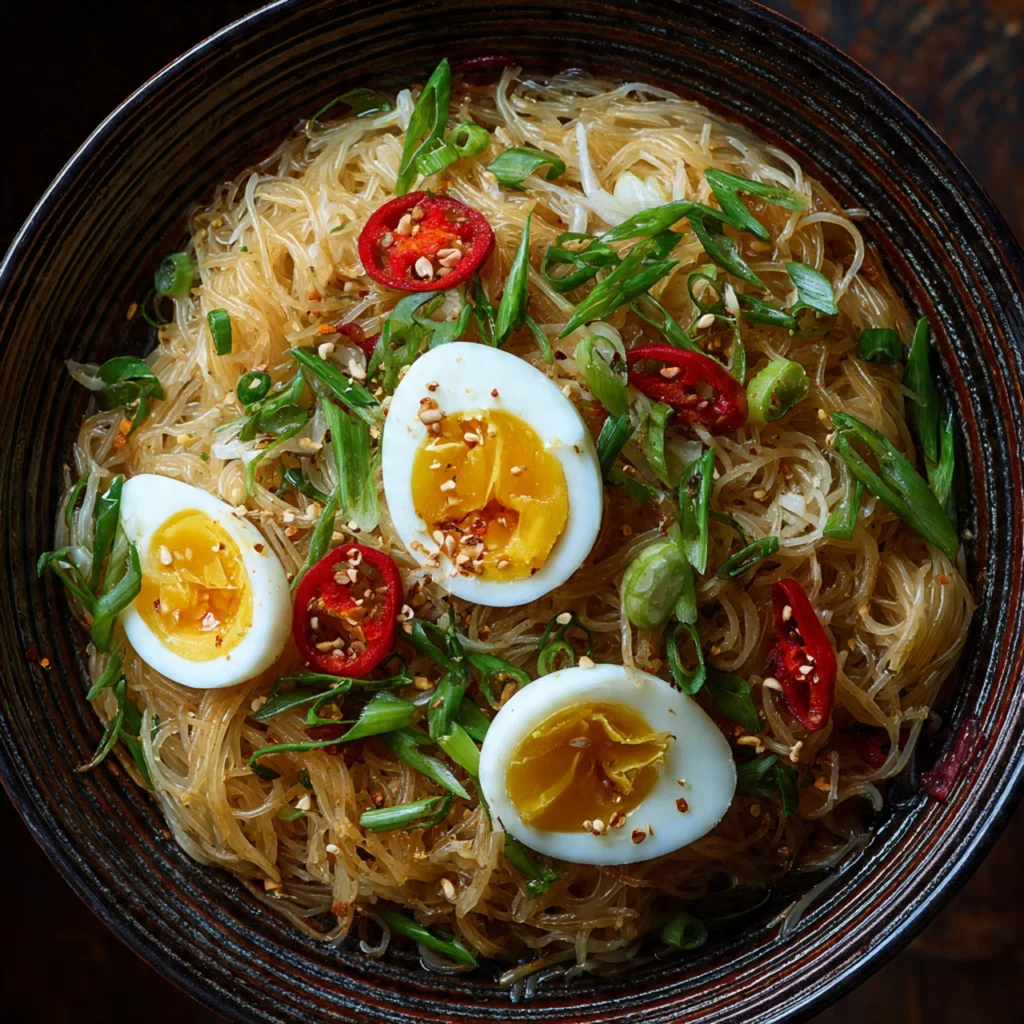
Rice Vermicelli (Bun): These thin, round noodles are incredibly versatile. Use them in soups, salads, spring rolls, or stir-fries. They cook quickly and have a delicate texture.
Wide Rice Noodles: Sometimes called “chow fun” noodles, these broad sheets are used in dishes like beef chow fun and drunken noodles.
Ingredients for Basic Rice Noodle Recipes
For the Noodles:
- 8-12 oz dried rice noodles (or fresh if available)
- Water for soaking/cooking
- 1 tablespoon vegetable oil (to prevent sticking)
Classic Stir-Fry Base Ingredients:
- 3 tablespoons vegetable oil or peanut oil
- 3 cloves garlic, minced
- 1-inch piece fresh ginger, grated
- 8 oz protein of choice (chicken, shrimp, tofu, beef)
- 2 cups mixed vegetables (bell peppers, carrots, snap peas, bean sprouts)
- 3 green onions, sliced
For the Sauce:
- 3 tablespoons soy sauce or tamari (for gluten-free)
- 2 tablespoons fish sauce
- 1 tablespoon rice vinegar
- 2 tablespoons brown sugar or palm sugar
- 1 tablespoon lime juice
- 1 teaspoon sriracha or chili paste (optional)
- 2 tablespoons water
Garnishes:
- Fresh cilantro
- Crushed peanuts
- Lime wedges
- Bean sprouts
- Fresh Thai basil
- Sliced red chilies
Step-by-Step Instructions for Perfect Rice Noodles
Step 1: Prepare Your Rice Noodles
The method depends on your noodle type and what you’re making:
For Stir-Fries: Soak dried rice noodles in room temperature water for 30-45 minutes until pliable but still firm. They should bend without breaking but not be completely soft. Drain thoroughly and toss with a small amount of oil.
For Soups: Bring a large pot of water to a rolling boil. Remove from heat, add noodles, and let sit for 5-8 minutes, stirring occasionally. Test for doneness—they should be tender but have a slight bite. Drain and rinse under cold water immediately.
For Salads: Follow the soup method but rinse thoroughly with cold water to stop the cooking process completely.
Step 2: Prepare Your Mise en Place
This French term means “everything in its place,” and it’s crucial for rice noodle recipes. Because stir-frying happens quickly, you need everything ready:
- Cut all vegetables into uniform, bite-sized pieces
- Slice protein into thin, even pieces
- Mix your sauce in a small bowl
- Have drained noodles ready near the stove
- Arrange garnishes on a plate
Step 3: Cook Your Protein
Heat a wok or large skillet over high heat until smoking. Add 1 tablespoon oil and swirl to coat. Add protein in a single layer and let sear without moving for 1-2 minutes. Flip and cook until just done. Remove to a plate.
Step 4: Stir-Fry Aromatics and Vegetables
Once hot, garlic and ginger are added and stirred constantly for about 30 seconds, just until fragrant.
Next, the harder vegetables such as carrots and broccoli go in and are stir-fried for 2–3 minutes.
Finally, softer vegetables like bell peppers and snap peas are added and cooked for another minute.
.
Step 5: Combine Everything
Push vegetables to the side of the wok. Add the final tablespoon of oil to the center and add your drained rice noodles. Let them sit undisturbed for 30 seconds to develop a slight char, then toss everything together. Pour sauce over the noodles and toss vigorously for 1-2 minutes until the noodles are evenly coated and heated through.
Step 6: Final Touches
Return the cooked protein to the wok. Add green onions and bean sprouts. Toss for 30 seconds. Taste and adjust seasoning with additional soy sauce, lime juice, or sugar as needed.
Step 7: Serve Immediately
Transfer to serving plates and garnish generously with fresh herbs, crushed peanuts, and lime wedges. Rice noodle recipes are best enjoyed hot, straight from the wok.
Pro Tips for Perfect Rice Noodle Recipes
Tip 1: Don’t Oversoak Your Noodles
The single biggest mistake is over-softening noodles before cooking. They should be pliable but still have resistance. Remember, they’ll continue cooking when you add them to the hot wok. Under-soaked noodles can always be softened more, but mushy noodles are irreversible.
Tip 2: Work in Batches for Large Quantities
Your wok or pan needs to be screaming hot to properly stir-fry rice noodles. Overcrowding drops the temperature and leads to steaming instead of frying. If cooking for more than four people, work in two batches.
Tip 3: Use the Right Oil
Oils with high smoke points work best—peanut oil, vegetable oil, or avocado oil. Avoid olive oil or butter, which can burn at the high temperatures needed for stir-frying.
Tip 4: Have Your Sauce Ready
Mixed and measured in a bowl before you start cooking. Once you begin the stir-fry process, there’s no time to mix ingredients. Everything happens in minutes.
Tip 5: Embrace the Char
A little browning on your noodles adds incredible flavor. Let them sit undisturbed in the hot wok for brief moments to develop that characteristic “wok hei” or breath of the wok that restaurants achieve.
Tip 6: Fresh vs. Dried Noodles
If you can find fresh rice noodles at an Asian grocery store, grab them. They’re incredibly tender and require no soaking—just separate the strands and add directly to your wok. They’ll transform your rice noodle recipes.
Tip 7: Layer Your Flavors
Beyond the sauce, consider adding depth with toasted sesame oil (just a few drops at the end), crispy fried shallots, or a squeeze of fresh lime juice right before serving.
Tip 8: Temperature Control is Everything
Keep your heat high during the actual stir-fry, but don’t be afraid to remove the wok from the heat momentarily if things are cooking too quickly or if you need a few seconds to organize.
Common Mistakes to Avoid with Rice Noodle Recipes
Mistake 1: Using Boiling Water to Soak
Unless you’re making soup, don’t use boiling water to soak rice noodles for stir-fries. Hot tap water or room temperature water works better because it rehydrates them slowly and evenly without cooking them prematurely.
Mistake 2: Not Draining Thoroughly
Excess water on your noodles creates steam in the wok, preventing proper stir-frying and diluting your sauce. After soaking or cooking, drain noodles completely. I even pat them dry with paper towels for stir-fries.
Mistake 3: Adding Sauce Too Early
If you add sauce when the wok isn’t hot enough or before the noodles have had a chance to sear slightly, you end up with a soggy, steamed dish rather than a properly stir-fried one.
Mistake 4: Ignoring Noodle Variety
Not all rice noodles are interchangeable. Thin vermicelli won’t work well in dishes calling for wide, flat noodles. Pay attention to what the recipe specifies, as each type has different cooking times and textures.
Mistake 5: Skipping the Prep Work
Trying to chop vegetables while your wok is heating or your noodles are burning never ends well. Complete all your prep before you turn on the stove.
Mistake 6: Overcooking
Rice noodles cook quickly and continue to soften from residual heat even after you’ve removed them from the wok. Slightly undercooking them ensures they won’t become mushy by the time they reach the table.
Mistake 7: Using Low Heat
Low or medium heat might work for other dishes, but rice noodle stir-fries demand high heat. This creates the texture contrast and flavor complexity that makes restaurant versions so addictive.
Storage and Serving Suggestions For Rice Noodle Recipes
Storing Cooked Rice Noodles
Cooked rice noodle dishes are best eaten immediately, but leftovers can be stored in an airtight container in the refrigerator for up to 3 days. The texture will change—noodles continue absorbing sauce and become softer—but they’re still delicious.
To reheat, add a splash of water or broth to a hot wok or skillet and stir-fry the noodles over high heat for 2-3 minutes. This revives them better than microwaving, which can make them gummy.
Storing Uncooked Rice Noodles
Dried rice noodles keep for months in a cool, dry pantry in their original packaging or an airtight container. Fresh rice noodles should be refrigerated and used within 3-4 days.
Serving Suggestions
Rice noodle recipes shine when served with contrasting textures and bright garnishes:
- Vietnamese Style: Serve with fresh herbs (Thai basil, cilantro, mint), lime wedges, bean sprouts, and sliced chilies on the side so everyone can customize their bowl.
- Thai Style: Garnish with crushed peanuts, dried shrimp, fresh lime, and a sprinkle of sugar for the classic four-flavor balance.
- As a Main Course: Pair with a light soup like hot and sour or a fresh spring roll appetizer.
- Family Style: Serve the noodles on a large platter surrounded by garnishes, letting everyone build their own perfect bite.
Make-Ahead Tips
While you can’t make the complete dish ahead, you can prep components:
- Soak noodles up to 4 hours in advance, drain, toss with oil, and refrigerate
- Prep all vegetables and store in containers
- Mix your sauce and refrigerate
- Cook protein in advance and reheat when stir-frying
Frequently Asked Questions (FAQ) For Rice Noodle Recipes
Q1: Can I use rice noodles for meal prep?
While rice noodles are best fresh, you can meal prep them with a few adjustments. Slightly undercook the noodles, store them separate from the sauce, and keep garnishes on the side. When ready to eat, reheat the noodles with a splash of water in a hot pan, add the sauce, and finish with fresh garnishes. They won’t be quite as perfect as freshly made, but they’re still delicious and convenient.
Q2: Are rice noodles gluten-free?
Yes! Pure rice noodles made only from rice flour and water are naturally gluten-free, making them an excellent option for people with celiac disease or gluten sensitivity. However, always check labels because some brands add wheat starch or process them in facilities with wheat products. Also be mindful of sauces—regular soy sauce contains gluten, so use tamari or coconut aminos instead.
Q3: Why do my rice noodles always stick together?
Sticking happens for several reasons: oversoaking (making them too sticky), not draining thoroughly (excess water causes clumping), insufficient oil (nothing to prevent sticking), or letting them sit too long before using. The solution: drain well, toss with a small amount of oil immediately after soaking, and use them promptly. If they do stick, gentle hands separating them under running water can help.
Q4: What’s the difference between rice noodles and rice vermicelli?
Rice vermicelli is actually a type of rice noodle—specifically the thin, round variety. “Rice noodles” is an umbrella term that includes vermicelli, pad thai noodles, pho noodles, and wide rice noodles. Think of it like “pasta” (general) versus “spaghetti” (specific). Vermicelli cooks fastest and works best in soups, salads, and spring rolls.
Q5: Can I substitute regular pasta for Rice Noodle Recipes?
While you can technically substitute wheat pasta in a pinch, the result will be completely different. Rice noodles have a unique delicate, slippery texture and neutral flavor that wheat pasta can’t replicate. They also absorb sauces differently. If you’re making these recipes specifically for their Asian flavors and textures, it’s worth seeking out actual rice noodles. Most grocery stores now carry them in the international aisle.
Q6: How do I prevent Rice Noodle Recipes from becoming mushy?
The key is in the soaking and cooking time. For stir-fries, soak in room temperature water only until pliable—they should still have some resistance. For soups, cook just until tender with a slight bite, then immediately rinse with cold water to stop the cooking. Always err on the side of undercooking since noodles continue to soften from residual heat. Using high heat when stir-frying also helps maintain texture.
Q7: Can I freeze cooked rice noodle dishes?
I don’t recommend freezing rice noodle dishes. The noodles become mushy and lose their texture when thawed. However, you can freeze components separately—cooked proteins, sauce, even pre-cut vegetables—then prepare fresh noodles when you’re ready to assemble the dish. This gives you most of the convenience of a freezer meal without sacrificing quality.
Nutrition Information (Per Serving)
Based on a basic stir-fried rice noodle recipe with chicken and vegetables (serves 4)
- Calories: 385
- Total Fat: 12g
- Saturated Fat: 2g
- Trans Fat: 0g
- Cholesterol: 55mg
- Sodium: 780mg
- Total Carbohydrates: 48g
- Dietary Fiber: 3g
- Sugars: 6g
- Protein: 22g
- Vitamin A: 45% DV
- Vitamin C: 65% DV
- Calcium: 6% DV
- Iron: 8% DV
Note: Nutrition information varies significantly based on specific ingredients, protein choices, oil amounts, and sauce components. These values are approximate estimates for general reference.
Conclusion
Rice Noodle Recipes represent some of the most accessible and rewarding dishes you can master in your home kitchen. With their gluten-free nature, quick cooking time, and incredible versatility, these noodles deserve a permanent place in your weekly meal rotation. Whether you’re drawn to the complex flavors of pad thai, the comforting warmth of pho, or simple stir-fried variations, the techniques you’ve learned here will serve you well.
Remember that cooking Rice Noodle Recipes is as much about understanding principles as following recipes. Master the soaking technique, respect the importance of high heat, prepare your ingredients before you start cooking, and don’t be afraid of a little char on those noodles. These fundamentals will allow you to improvise and create your own signature rice noodle recipes using whatever ingredients you have on hand.
The beauty of rice noodle recipes lies in their adaptability. Make them spicy or mild, load them with vegetables or keep them simple, serve them in aromatic broth or tossed with bold sauces—there’s no wrong way to enjoy these magnificent noodles. Start with the basic recipe provided here, then experiment with different proteins, vegetables, and flavor profiles until you find your perfect combination.
Now it’s time to heat up that wok and put your new knowledge to work. Your journey to rice noodle mastery starts with a single batch. Happy cooking!
PrintRice Noodle Recipes: 7 Delicious Ways to Master This Asian Kitchen Staple
Master the art of cooking rice noodles with this comprehensive guide featuring authentic techniques, pro tips, and versatile recipes. Learn how to create restaurant-quality rice noodle dishes at home, from classic stir-fries to aromatic soups.
- Prep Time: 20 minutes
- Cook Time: 15 minutes
- Total Time: 35 minutes (plus 30-45 minutes soaking time)
- Yield: 4 servings
- Category: Main Course
- Method: Stir-Fry
- Cuisine: Asian (Thai/Vietnamese inspired)
- Diet: Vegetarian
Ingredients
- 12 oz dried rice noodles (pad thai style)
- 3 tablespoons vegetable oil
- 3 cloves garlic, minced
- 1-inch ginger, grated
- 8 oz chicken breast, thinly sliced
- 2 cups mixed vegetables
- 3 green onions, sliced
- 3 tablespoons soy sauce
- 2 tablespoons fish sauce
- 1 tablespoon rice vinegar
- 2 tablespoons brown sugar
- 1 tablespoon lime juice
- Garnishes: cilantro, peanuts, lime wedges, bean sprouts
Instructions
- Soak rice noodles in room temperature water for 30-45 minutes until pliable. Drain thoroughly.
- Mix sauce ingredients in a small bowl and set aside.
- Heat wok over high heat. Add 1 tablespoon oil and cook chicken until just done. Remove.
- Add another tablespoon oil, stir-fry garlic and ginger for 30 seconds.
- Add vegetables and stir-fry for 2-3 minutes.
- Push vegetables aside, add remaining oil and noodles to center. Let sit 30 seconds.
- Toss everything together, add sauce, and stir-fry for 1-2 minutes.
- Return chicken to wok, add green onions, toss for 30 seconds.
- Serve immediately with garnishes.
Notes
- Don’t oversoak noodles—they should be pliable but still firm
- Work in batches if cooking for more than 4 people
- Fresh rice noodles can be used without soaking
- Substitute tamari for gluten-free version
- Adjust spice level with sriracha or chili paste