Introduction
Finding the perfect pizza crust recipe can feel like searching for a needle in a haystack, but what if I told you that creating pizzeria-quality crust at home is not only possible but surprisingly simple? After years of experimenting in kitchens across Italy and countless tests in my own home, I’ve cracked the code to achieving that ideal balance of crispy exterior and pillowy-soft interior that makes pizza truly unforgettable.
Whether you’re a complete beginner or someone who’s struggled with dense, cardboard-like results in the past, this comprehensive guide will transform your homemade pizza game forever. The secret isn’t in fancy equipment or hard-to-find ingredients—it’s all about understanding the science behind dough development and following a few crucial techniques that professional pizza makers have used for generations.
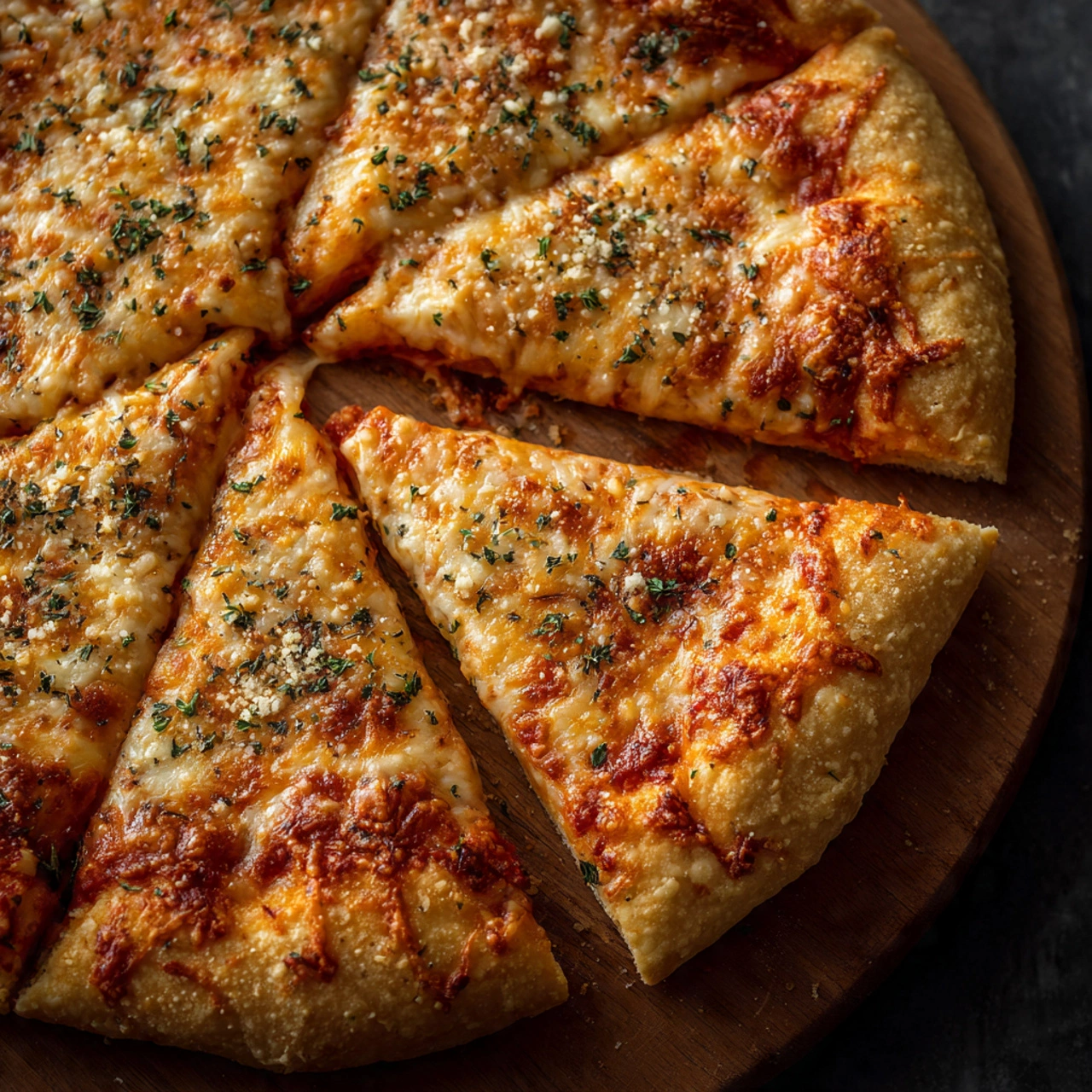
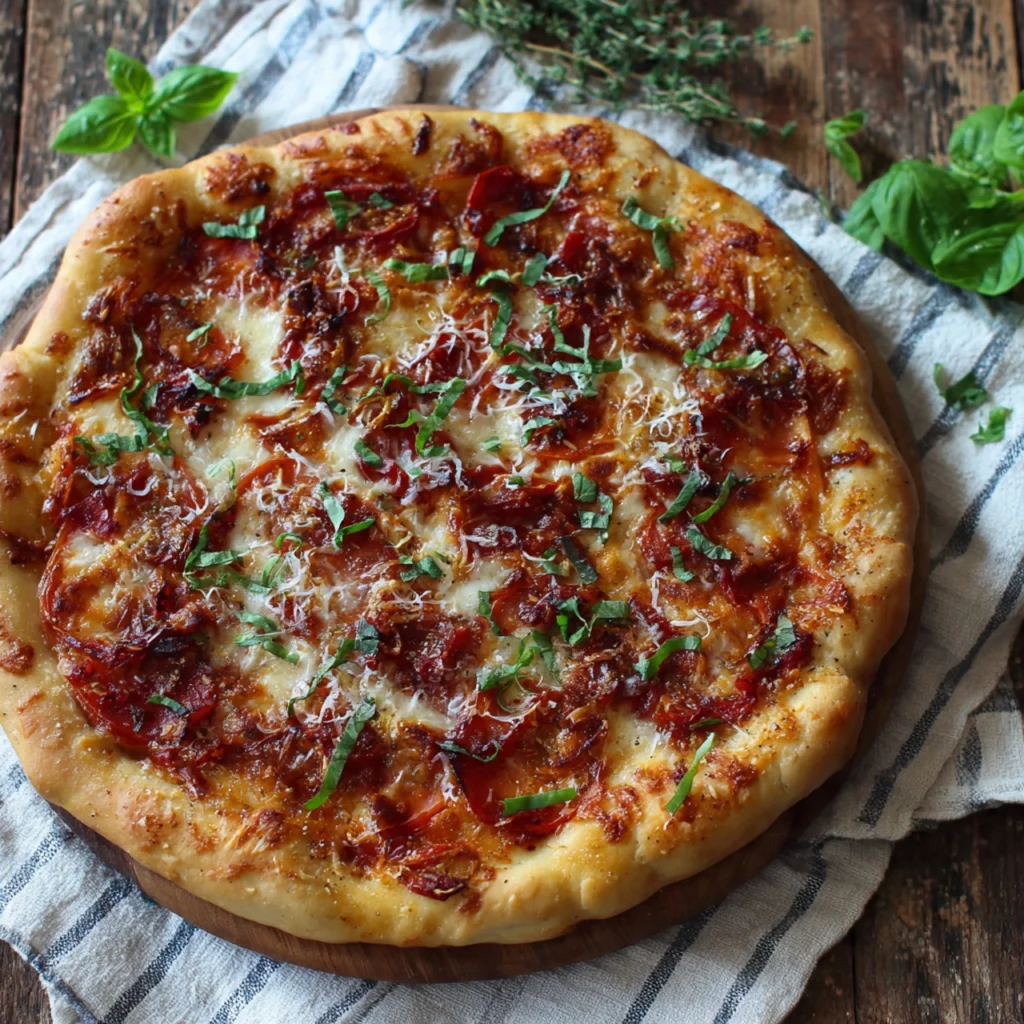
What makes this pizza crust recipe stand out from the hundreds of others you’ll find online? It’s versatile enough to create authentic Neapolitan-style pizza with its characteristic leopard-spotted char, classic New York-style slices with that perfect foldability, or even thick-crust variations that satisfy those deep-dish cravings. The foundation remains the same, giving you complete control over your pizza destiny.
In this detailed guide, you’ll discover everything you need to know about crafting exceptional pizza crust from scratch, including ingredient ratios that actually work, timing strategies that fit real-life schedules, troubleshooting tips for common problems, and professional secrets that will have your friends and family convinced you’ve been hiding a pizza oven in your backyard.
Ingredients For Pizza Crust Recipe
For the Pizza Dough:
- 4 cups (500g) bread flour or all-purpose flour (bread flour creates a chewier texture)
- 1½ cups (355ml) warm water (110°F/43°C)
- 2¼ teaspoons (7g) active dry yeast (one standard packet)
- 2 tablespoons (30ml) extra virgin olive oil (plus extra for coating)
- 2 teaspoons (10g) fine sea salt
- 1 teaspoon (4g) granulated sugar (feeds the yeast)
Optional Flavor Enhancers:
- 1 teaspoon dried Italian herbs (oregano, basil)
- ½ teaspoon garlic powder
- 1 tablespoon honey (for a slightly sweeter, golden crust)
Step-by-Step Instructions For Pizza Crust Recipe
Step 1: Activate the Yeast
Begin by pouring the warm water into a large mixing bowl. The water temperature is critical—too hot and you’ll kill the yeast, too cold and it won’t activate properly. Aim for bathwater temperature that feels comfortably warm on your wrist. Sprinkle the yeast and sugar over the water’s surface, give it a gentle stir, and let it sit undisturbed for five to ten minutes. You’ll know it’s ready when a foamy layer forms on top, resembling the head on a beer. This foam is proof that your yeast is alive and ready to create those beautiful air pockets in your crust.
Step 2: Combine the Dry Ingredients
While the yeast activates, measure out your flour and salt into a separate bowl. Some bakers make the mistake of adding salt directly to the yeast mixture, which can inhibit yeast activity. By keeping them separate initially, you give your yeast the best possible start. Whisk the flour and salt together to ensure even distribution throughout the dough.
Step 3: Mix the Dough
Once your yeast mixture is foamy and active, drizzle in the olive oil. Add the flour-salt mixture gradually, starting with about half and stirring with a wooden spoon or sturdy spatula. As the dough begins to come together, add the remaining flour in increments. The dough will transform from a shaggy, sticky mess into a cohesive mass. When it becomes too difficult to stir, it’s time to get your hands involved.
Step 4: Knead to Perfection
Turn the dough out onto a lightly floured surface. Kneading is where the magic happens—this is when you develop the gluten structure that gives pizza crust its characteristic chew. Push the dough away from you with the heels of your hands, fold it back over itself, rotate it a quarter turn, and repeat. Maintain a steady rhythm for eight to ten minutes. The dough should transition from sticky and rough to smooth, elastic, and slightly tacky. If it’s sticking to your hands excessively, dust with a tiny bit more flour, but resist the urge to add too much—slightly sticky dough produces a better texture.
The windowpane test tells you when kneading is complete: pinch off a small piece of dough and gently stretch it. If you can stretch it thin enough to see light through it without tearing, your gluten is fully developed.
Step 5: First Rise (Bulk Fermentation)
Coat a large bowl with olive oil, place your dough ball inside, and turn it to coat all sides with oil. This prevents a dry skin from forming during rising. Cover the bowl tightly with plastic wrap or a damp kitchen towel. Place it in a warm, draft-free spot—ideally between 75-80°F (24-27°C). Inside an oven with just the light on works perfectly, as does a sunny windowsill or the top of your refrigerator.
Allow the dough to rise for one to two hours, or until it has doubled in size. Don’t rush this stage—proper fermentation develops flavor complexity that instant dough simply can’t match. For even better flavor, you can slow-ferment the dough in the refrigerator overnight (eight to twenty-four hours), bringing it to room temperature before shaping.
Step 6: Divide and Shape
Once risen, punch down the dough to release excess gas. Turn it out onto your work surface and divide it into two equal portions for standard twelve-inch pizzas, or three to four portions for personal-sized pizzas. Shape each portion into a smooth ball by pulling the edges underneath and pinching them together at the bottom.
Step 7: Second Rise (Proofing)
Place the dough balls on a lightly oiled baking sheet or in individual containers, leaving several inches between them. Cover loosely and let them rest for thirty minutes to one hour. This second rise relaxes the gluten, making the dough much easier to stretch without springing back.
Step 8: Shape Your Pizza
When you’re ready to make pizza, resist the urge to use a rolling pin—it deflates those precious air bubbles you’ve been cultivating. Instead, place one dough ball on a lightly floured surface. Press it flat with your fingertips, starting from the center and working outward, leaving a slightly thicker border for the crust. Pick up the dough and let gravity help stretch it, rotating it in your hands and gently pulling at the edges. If you’re feeling adventurous, try the traditional toss—it’s not just for show; it actually creates an evenly stretched crust.
Step 9: Final Preparation
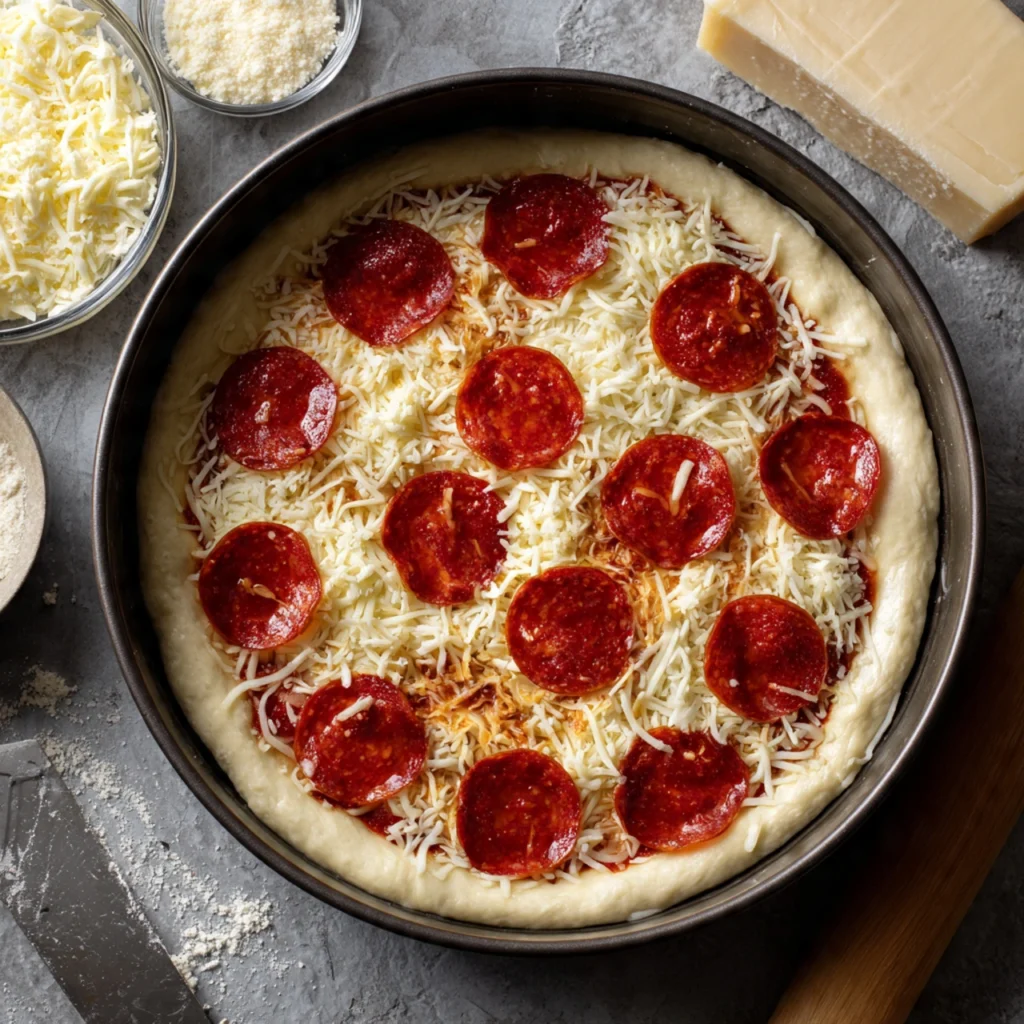
Transfer your stretched dough to a pizza peel dusted with cornmeal or semolina (prevents sticking), a baking sheet, or directly onto parchment paper. Add your favorite toppings quickly—the longer the dough sits with wet toppings, the soggier it becomes.
Step 10: Bake to Golden Perfection
Preheat your oven to its highest setting—typically 475-500°F (245-260°C)—for at least thirty minutes before baking. If you have a pizza stone, place it in the oven during preheating; if not, flip a baking sheet upside down to use as a makeshift stone.
Bake your pizza for ten to fifteen minutes, depending on thickness and toppings, until the crust is golden brown and the cheese is bubbling. For extra crispiness, finish under the broiler for the last minute or two, watching carefully to prevent burning.
Pro Tips for the Perfect Pizza Crust Recipe
Temperature Control is Everything
Professional pizza ovens reach temperatures of 800°F or higher, which we can’t replicate at home. However, you can maximize your oven’s potential by preheating for a full thirty minutes and placing your pizza stone or baking surface on the lowest rack position. The closer to the heat source, the better the bottom crust.
Flour Choice Matters More Than You Think
Bread flour contains more protein (around twelve to fourteen percent) than all-purpose flour (ten to twelve percent), which translates to more gluten development and a chewier texture. For authentic Neapolitan pizza, look for “00” flour, which is finely ground Italian flour specifically designed for pizza. That said, all-purpose flour works beautifully and creates a slightly more tender crust.
The Hydration Sweet Spot
Baker’s percentages might sound intimidating, but they’re simply the ratio of water to flour. This recipe sits at about seventy percent hydration (the weight of water is seventy percent of the flour weight), which creates a dough that’s manageable for beginners but still produces excellent results. Higher hydration (seventy-five to eighty percent) creates a more open crumb structure but requires more experience to handle.
Cold Fermentation Develops Superior Flavor
If you have time, refrigerating your dough for twenty-four to seventy-two hours dramatically improves flavor complexity. The slow fermentation allows enzymes to break down starches into sugars, creating deeper, more nuanced taste. Just remember to bring refrigerated dough to room temperature (about two hours) before stretching.
Don’t Overload Your Pizza
One of the biggest mistakes home cooks make is piling on too many toppings. Excess moisture from vegetables, sauce, and cheese creates steam that prevents the crust from crisping properly. Embrace minimalism—less is genuinely more when it comes to pizza toppings.
Invest in a Pizza Stone or Steel
While not absolutely necessary, a pizza stone or baking steel transforms home pizza-making. These surfaces absorb and radiate heat more efficiently than a baking sheet, creating that coveted crispy bottom crust. Preheat them for at least forty-five minutes for best results.
Par-Baking for Perfect Results
For particularly wet toppings or thick-crust pizzas, par-bake the crust for four to five minutes before adding toppings. This creates a moisture barrier that keeps the center from becoming soggy.
Common Pizza Crust Recipe Mistakes
Using Water That’s Too Hot or Too Cold
Water temperature directly affects yeast activity. Too hot (above 120°F/49°C) kills yeast instantly, while too cold (below 95°F/35°C) leaves it dormant. Always test with a thermometer or use the wrist test—it should feel pleasantly warm, not hot.
Skipping the Kneading Process
Hand-mixing or using a fork might seem easier, but proper kneading develops the gluten network essential for structure. Without adequate kneading, your crust will be dense, crumbly, and tear easily when stretched. If you’re using a stand mixer with a dough hook, knead on medium speed for five to seven minutes.
Adding Too Much Flour During Kneading
When dough feels sticky, the instinct is to add more flour. However, too much flour creates a dry, tough crust. The dough should be slightly tacky but not leaving residue all over your hands. Trust the process—it will become less sticky as gluten develops.
Not Letting the Dough Rise Properly
Rushing the fermentation process produces flat, flavorless crust. Give your dough the full rising time it needs. If your kitchen is particularly cold, the rise might take longer—judge by size, not the clock.
Using a Rolling Pin
Rolling pins compress the dough and squeeze out those beautiful air bubbles that create texture. Always stretch by hand, even if your first attempts aren’t perfectly circular. Rustic, irregular shapes have charm!
Baking at Too Low a Temperature
Pizza needs high heat to create that crispy exterior before the interior dries out. If your oven doesn’t reach at least 450°F (230°C), consider making flatbreads or focaccia instead, which perform better at lower temperatures.
Not Preheating Your Baking Surface
Placing dough on a cold stone or baking sheet results in uneven cooking and a pale, soft bottom. Always preheat your baking surface along with the oven.
Storage and Serving Suggestions For Pizza Crust Recipe
Storing Uncooked Dough
Refrigerator: Tightly wrapped pizza dough keeps in the refrigerator for up to five days. The flavor actually improves with time. Bring to room temperature before using.
Freezer: For longer storage, freeze dough balls individually wrapped in plastic wrap and placed in freezer bags for up to three months. Thaw overnight in the refrigerator, then bring to room temperature before shaping.
Storing Baked Pizza
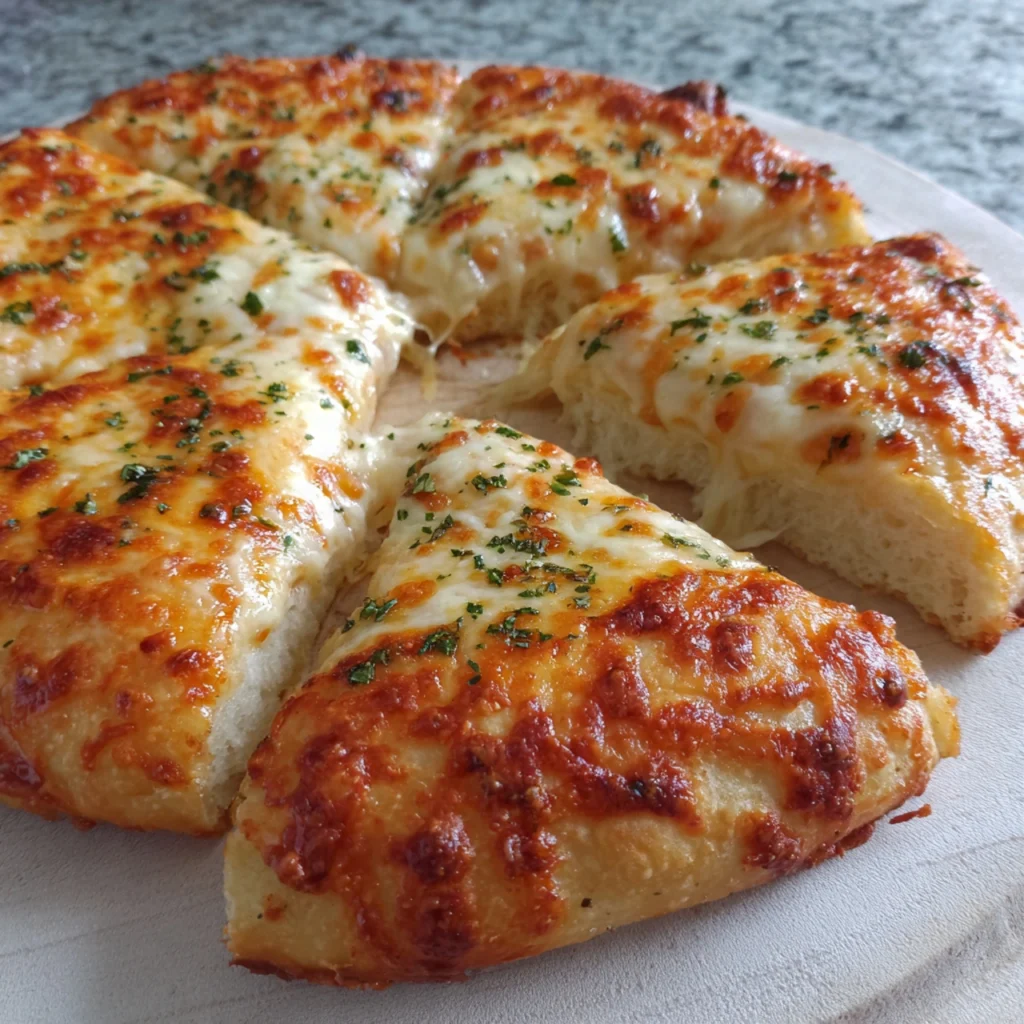
Leftover baked pizza should be cooled completely, then stored in an airtight container in the refrigerator for three to four days. For best reheating results, use a skillet over medium heat with a lid—it re-crisps the bottom while melting the cheese without drying out the toppings.
Serving Suggestions
Fresh pizza crust is incredibly versatile beyond traditional tomato-and-cheese combinations:
- White Pizza: Ricotta, mozzarella, garlic, and fresh herbs
- Breakfast Pizza: Scrambled eggs, bacon, cheese, and arugula
- Dessert Pizza: Nutella, strawberries, and powdered sugar
- Flatbread: Olive oil, rosemary, and sea salt for a simple side
- Calzones: Fold the dough over fillings and seal the edges for stuffed pockets
Pair your homemade pizza with a simple green salad dressed with lemon vinaigrette to cut through the richness, or serve alongside garlic knots made from extra dough.
FAQ
Can I make Pizza Crust Recipe without yeast?
Yes, though the results differ significantly. Yeast-free Pizza Crust Recipe dough typically uses baking powder as a leavening agent, creating a texture more similar to flatbread or biscuits. It won’t have the characteristic chew and complex flavor of yeasted dough, but it’s ready in minutes rather than hours. Greek yogurt-based doughs are popular yeast-free alternatives.
Why is my Pizza Crust Recipe tough and chewy?
Excessive chewiness (beyond the desirable texture) usually results from too much gluten development, often caused by over-kneading or using too much flour. It can also happen when the dough hasn’t rested adequately before shaping—the gluten needs time to relax. Make sure you’re allowing the full proofing time after dividing the dough.
How do I get my crust crispy like restaurant pizza?
The secret to crispy crust is heat—lots of it. Preheat your oven to maximum temperature with a pizza stone on the lowest rack for at least thirty minutes. Use a pizza peel to transfer the topped pizza quickly, and avoid overloading with wet toppings. Brushing the crust edges with olive oil before baking also promotes browning and crispiness.
Can I use instant yeast instead of active dry yeast?
Absolutely! Instant yeast (also called rapid-rise or bread machine yeast) can be mixed directly into the flour without proofing, and it works about twenty-five percent faster. Use the same amount and skip the activation step—just add it to the dry ingredients and proceed with mixing.
My dough keeps shrinking back when I try to stretch it. What am I doing wrong?
This is a sign that the gluten is too tight and needs more resting time. After your second rise, let the dough balls sit for an additional fifteen to thirty minutes before attempting to stretch. If it continues resisting, cover it and wait another ten minutes—fighting with tense dough only leads to frustration and torn crusts.
Can I make the dough in advance?
Yes, and it’s actually recommended! Pizza Crust Recipe dough can be made one to five days ahead and refrigerated, which enhances flavor through slow fermentation. You can also freeze shaped dough balls for up to three months. The flexibility of make-ahead dough is one of the recipe’s greatest advantages for busy home cooks.
What’s the difference between Neapolitan and New York-style Pizza Crust Recipe?
Neapolitan crust uses “00” flour, higher heat (traditionally wood-fired ovens), and minimal toppings, resulting in a softer, more delicate crust with characteristic charred spots. New York-style uses bread flour, is stretched thinner, baked at slightly lower temperatures, and produces a sturdier, foldable slice with more chew. This recipe can be adapted for either style.
Nutrition Information (Approximate Values per Serving)
Serving Size: 1 slice (based on 8 slices per 12-inch pizza)
- Calories: 180
- Total Fat: 4g
- Saturated Fat: 0.5g
- Trans Fat: 0g
- Cholesterol: 0mg
- Sodium: 290mg
- Total Carbohydrates: 31g
- Dietary Fiber: 1g
- Sugars: 1g
- Protein: 6g
Note: Nutrition information is for the crust only and does not include toppings. Values are approximate and will vary based on exact ingredients used and portion sizes.
Conclusion
Mastering a reliable pizza crust recipe opens up endless culinary possibilities in your kitchen. What starts as a simple combination of flour, water, yeast, and salt transforms through patient fermentation and proper technique into something truly special—a canvas for creativity and a source of genuine satisfaction.
The beauty of this Pizza Crust Recipe lies not just in its delicious results, but in its adaptability to your schedule, your equipment, and your taste preferences. Whether you’re planning a casual weeknight dinner, hosting a pizza-making party with friends, or simply craving that authentic pizzeria experience at home, this foundational recipe serves you well.
Remember that pizza-making is as much art as science. Your first attempt might not be perfect, and that’s completely okay. Each time you make this dough, you’ll develop a better feel for the texture, learn to read the signs of proper fermentation, and discover your personal preferences for thickness and crispiness. Embrace the learning process, experiment with variations, and most importantly, enjoy the journey.
So preheat that oven, dust your hands with flour, and get ready to create pizza magic. Your perfect homemade pizza crust awaits—and trust me, once you taste the difference, you’ll never want to go back to store-bought or delivery. Happy pizza making!
Print7 Secrets to the Perfect Pizza Crust Recipe (Better Than Pizzeria!)

This foolproof homemade pizza crust recipe creates the perfect foundation for any style of pizza. With a crispy exterior, tender interior, and authentic pizzeria flavor, this versatile dough can be customized to your preferences and made ahead for convenience. Whether you’re craving classic margherita, loaded supreme, or creative gourmet combinations, this recipe delivers consistent, delicious results every time.
- Prep Time: 20 minutes
- Cook Time: 12 minutes
- Total Time: 2 hours 32 minutes (including rising time)
- Yield: 2 large 12-inch pizzas (16 slices total) or 4 personal 8-inch pizzas
- Category: Main Course, Dinner, Lunch
- Method: Baking
- Cuisine: Italian, American
- Diet: Vegetarian
Ingredients
- 4 cups (500g) bread flour or all-purpose flour
- 1½ cups (355ml) warm water (110°F/43°C)
- 2¼ teaspoons (7g) active dry yeast
- 2 tablespoons (30ml) extra virgin olive oil
- 2 teaspoons (10g) fine sea salt
- 1 teaspoon (4g) granulated sugar
Instructions
- Activate yeast in warm water with sugar for 5-10 minutes until foamy
- Combine flour and salt in a separate bowl
- Add olive oil to yeast mixture, then gradually incorporate flour
- Knead dough for 8-10 minutes until smooth and elastic
- First rise in oiled bowl for 1-2 hours until doubled
- Divide into portions and shape into balls
- Second rise for 30-60 minutes
- Stretch dough by hand to desired thickness
- Add toppings and bake at 475-500°F for 10-15 minutes
- Cool slightly before slicing and serving
Notes
- For enhanced flavor, refrigerate dough for 24-72 hours before using
- Dough can be frozen for up to 3 months
- “00” flour creates the most authentic Italian-style crust
- Don’t skip the second rise—it makes stretching much easier
- Use a pizza stone preheated for at least 30 minutes for best results
- Less is more with toppings to prevent soggy crust