Introduction
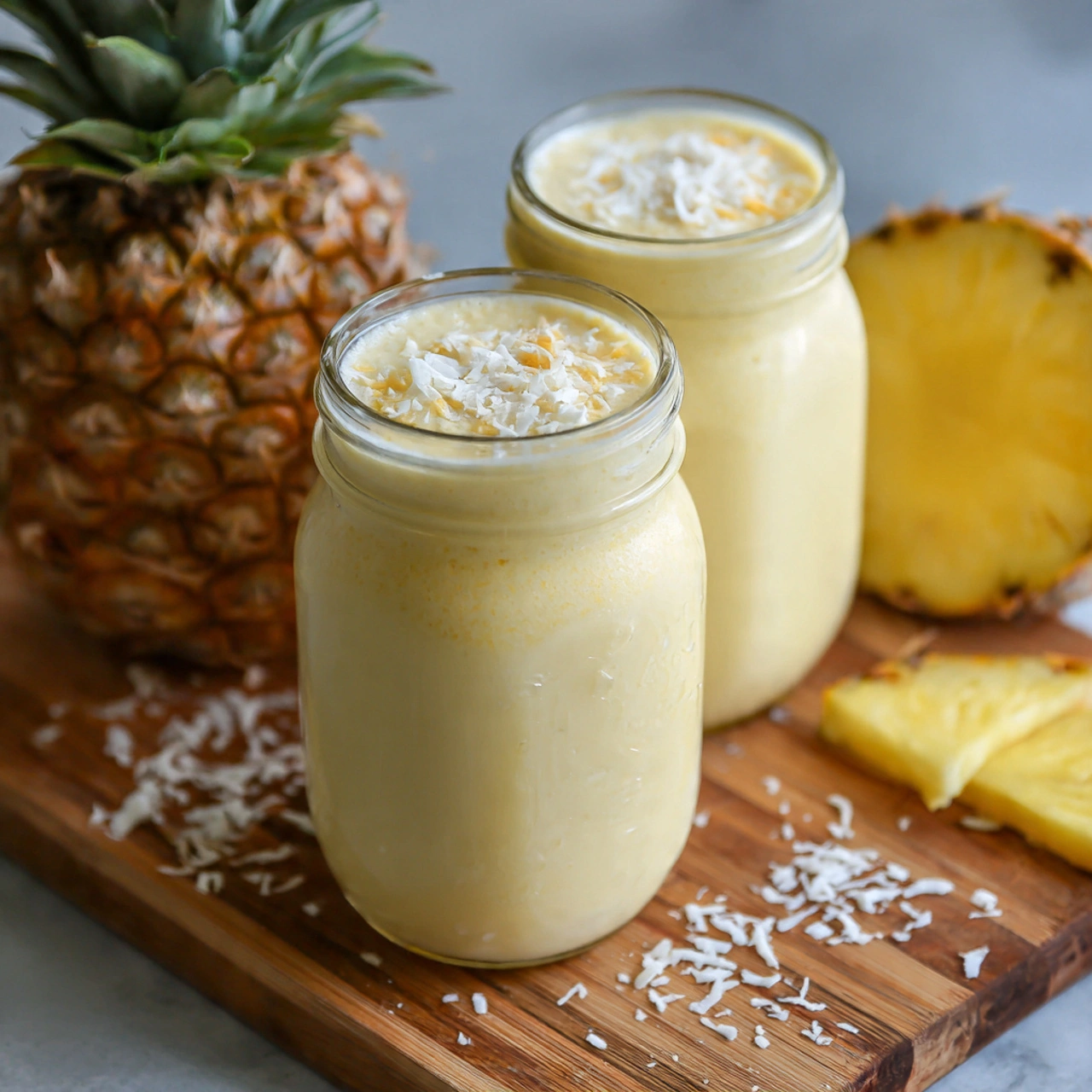
There’s something absolutely magical about sipping a Piña Colada Protein Smoothie that instantly transports you to a sun-drenched beach, even when you’re standing in your kitchen at 6 AM on a Tuesday morning. This isn’t your typical sugary vacation drink loaded with rum and empty calories—it’s a powerhouse blend of tropical flavors and muscle-building nutrition that transforms the classic Caribbean cocktail into a guilt-free, protein-packed breakfast or post-workout treat.
I’ll never forget the first time I made this recipe. I’d just finished a brutal HIIT session and was desperately craving something sweet, refreshing, and satisfying. My regular chocolate protein shake felt boring and uninspiring that morning. As I stared into my refrigerator, a can of coconut milk caught my eye next to some frozen pineapple chunks, and suddenly, inspiration struck. What if I could recreate that vacation feeling while still hitting my protein goals?
The result was extraordinary. This Piña Colada Protein Smoothie delivers all the creamy, tropical bliss of the original cocktail while packing 25-30 grams of protein per serving. It’s become my go-to recipe for clients who struggle with traditional protein shakes, and I’ve watched countless gym-goers light up when they taste it for the first time. The best part? It takes just five minutes to blend together, requires only six simple ingredients, and tastes like an indulgent dessert rather than a fitness supplement.
Whether you’re a fitness enthusiast looking for creative ways to increase your protein intake, a smoothie bowl lover seeking your next tropical creation, or simply someone who believes healthy eating should never be boring, this recipe will revolutionize your morning routine. Let’s dive into creating this absolutely delicious, nutritionally balanced tropical escape in a glass.
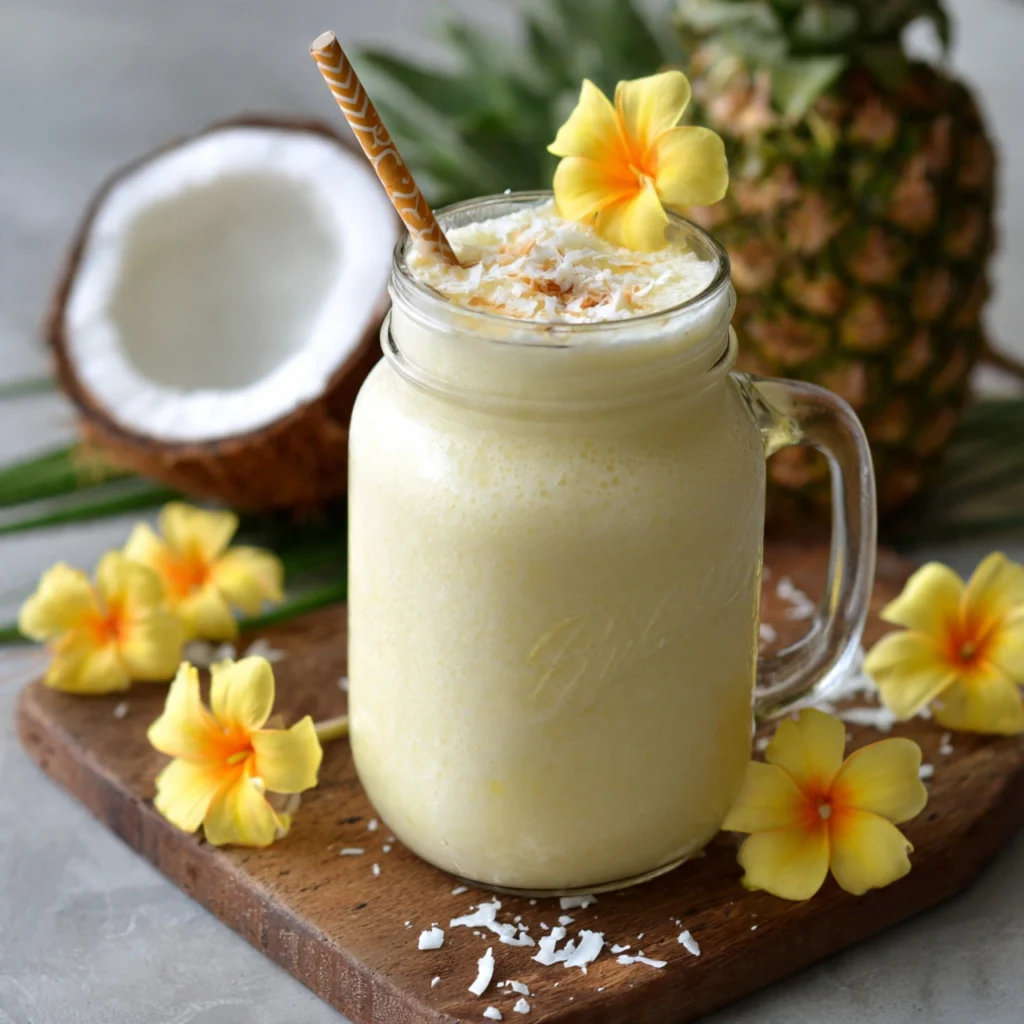
Ingredients For Piña Colada Protein Smoothie
For the Base Piña Colada Protein Smoothie:
- 2 cups frozen pineapple chunks (about 300g) – provides natural sweetness, vitamin C, and the perfect icy texture
- 1 cup full-fat coconut milk (from a can, well-stirred) – creates that signature creamy, tropical richness
- 1 scoop vanilla protein powder (about 30g) – typically yields 20-25g protein; whey, plant-based, or collagen all work beautifully
- ½ cup plain Greek yogurt (or coconut yogurt for dairy-free) – adds extra protein, probiotics, and incredible creaminess
- ½ cup coconut water (or regular water) – thins the consistency to your preferred thickness
- 1-2 teaspoons pure maple syrup or honey (optional) – only if your pineapple isn’t sweet enough or you prefer a sweeter profile
Optional Add-Ins for Extra Nutrition:
- 1 tablespoon chia seeds – adds omega-3 fatty acids and fiber
- ½ frozen banana – creates an even creamier texture and natural sweetness
- 1 tablespoon coconut flakes – intensifies coconut flavor and adds texture
- Handful of spinach or kale – sneaks in greens without affecting the tropical taste
- 1 teaspoon vanilla extract – enhances the overall flavor profile
- Pinch of sea salt – balances sweetness and brings out tropical flavors
- ½ teaspoon fresh lime juice – brightens all the flavors magnificently
For Garnishing:
- Fresh pineapple wedges
- Toasted coconut flakes
- Fresh mint leaves
- Maraschino cherry (for that classic piña colada presentation)
- Lime wheel
Step-by-Step Instructions
Step 1: Prepare Your Ingredients (2 minutes)
Before you begin blending, take a moment to gather and prepare everything. If your coconut milk has separated in the can (which is completely normal), open it and whisk it thoroughly until the cream and liquid are fully combined. This ensures an evenly creamy smoothie rather than chunks of coconut cream throughout.
Measure out your frozen pineapple chunks—they should be rock-solid frozen for the best texture. If you’re using fresh pineapple instead, you’ll need to add ice cubes to achieve that thick, frosty consistency. Cut any large pineapple pieces into smaller chunks to help your blender process them more easily.
Room temperature Greek yogurt blends more smoothly than cold, so if you remember, pull it from the refrigerator about 10-15 minutes before making your smoothie. This small step prevents your blender motor from working overtime.
Step 2: Layer Ingredients Strategically (1 minute)
The order in which you add ingredients to your blender makes a significant difference in achieving a smooth, lump-free result. Start with your liquids at the bottom—pour in the coconut milk and coconut water first. This creates a vortex that pulls the frozen ingredients down toward the blades rather than letting them sit stubbornly at the top.
Next, add your Greek yogurt and protein powder. By positioning these in the middle layer, they’ll blend evenly without clumping or sticking to the sides of the blender container.
Finally, top everything with your frozen pineapple chunks. The weight of the frozen fruit will push down on the other ingredients, helping create that powerful blending vortex.
Step 3: Blend to Creamy Perfection (2 minutes)
Start your blender on the lowest speed setting for about 10-15 seconds. This initial gentle blending breaks down the largest pieces without overworking your blender motor. You’ll hear the sound change as the frozen pineapple begins to break into smaller pieces.
After this initial blending, increase to medium speed for another 20-30 seconds. Use your blender’s tamper (if it has one) to push down any frozen pieces that are avoiding the blades. If your blender doesn’t have a tamper, stop the motor, remove the lid, and use a spatula to scrape down the sides and redistribute the ingredients.
Finally, increase to the highest speed setting and blend for 30-60 seconds until the mixture is completely smooth and creamy with no visible chunks. The smoothie should have a thick, spoonable consistency similar to soft-serve ice cream. If it’s too thick to blend properly, add coconut water one tablespoon at a time. If it’s too thin, add more frozen pineapple or a handful of ice cubes.
Step 4: Taste and Adjust (30 seconds)
This is the most important step that many people skip! Dip a spoon into your Piña Colada Protein Smoothie and taste it. Pineapple sweetness varies dramatically depending on ripeness and variety, so your smoothie might need adjustments.
Is it too tart? Add a teaspoon of maple syrup or honey and blend for 10 more seconds. Not tropical enough? Add a splash more coconut milk or a few extra coconut flakes. Not cold enough? Toss in a few ice cubes and blend again. Want a stronger protein flavor masked? Add a pinch of salt and a quarter teaspoon of vanilla extract—these enhance the tropical notes while minimizing any chalky protein powder taste.
Step 5: Serve Immediately (30 seconds)
Pour your Piña Colada Protein Smoothie into a large glass or bowl. If you’re feeling fancy (and why not treat yourself?), rim the glass with toasted coconut flakes before pouring. Add your garnishes—a pineapple wedge on the rim, a sprinkle of coconut flakes on top, and perhaps a mint sprig for that resort-worthy presentation.
Insert a thick smoothie straw or a spoon if it’s particularly thick, and enjoy immediately while it’s perfectly frosty and fresh. This smoothie begins to separate and lose its ideal texture after about 10-15 minutes, so drink it right away for the best experience.
Pro Tips for the Perfect Piña Colada Protein Smoothie
Choosing the Right Protein Powder
Not all protein powders work equally well in this recipe. Vanilla protein powder is my top recommendation because it complements rather than competes with the tropical flavors. I’ve tested this recipe with whey isolate, whey concentrate, pea protein, brown rice protein, collagen peptides, and various blends, and here’s what I’ve learned:
Whey protein isolate creates the smoothest, creamiest texture with minimal aftertaste. It blends effortlessly and doesn’t add grittiness. However, it contains dairy, so it’s not suitable for vegans or those with lactose intolerance.
Plant-based proteins (pea, brown rice, hemp) can work beautifully, but choose high-quality brands that use natural sweeteners and vanilla flavoring. Some plant proteins have an earthy or chalky taste that requires extra sweetener or a pinch of salt to balance. Vega, Orgain, and Garden of Life all produce excellent plant-based options that work wonderfully in this smoothie.
Collagen peptides create a lighter, less thick smoothie that some people prefer for easier drinking. Collagen is flavorless and dissolves completely, though it doesn’t create quite the same creamy mouthfeel as whey. If using collagen, increase the Greek yogurt to ¾ cup for better texture.
Unflavored protein powder also works but requires additional vanilla extract (½-1 teaspoon) and possibly extra sweetener to achieve that classic piña colada taste.
Frozen vs. Fresh Pineapple
Frozen pineapple is genuinely superior for this recipe. It creates that thick, frosty, almost ice-cream-like consistency that makes this smoothie so satisfying and dessert-like. Frozen pineapple is also typically harvested at peak ripeness and flash-frozen, which often makes it sweeter than fresh pineapple bought at the grocery store.
If you must use fresh pineapple, cut it into chunks and freeze it yourself for at least 4 hours (overnight is better). Alternatively, add 1-1½ cups of ice cubes to achieve the proper texture, but this will dilute the flavor somewhat.
The Coconut Milk Secret
The type of coconut milk you use dramatically impacts the final result. Full-fat canned coconut milk creates the most authentic, creamy piña colada experience. The coconut cream provides richness and body that’s essential to the recipe. Don’t substitute it with the watery coconut milk from cartons (the kind sold in the refrigerated section)—this will produce a thin, disappointing smoothie.
Before opening your can, shake it vigorously or turn it upside down for a minute. Coconut milk naturally separates with the cream rising to the top, so mixing it before opening ensures you get a consistent ratio of cream to liquid.
For a lighter version, you can use “lite” coconut milk, but I recommend using ¾ cup lite coconut milk plus ¼ cup full-fat for the best flavor-to-calorie ratio.
Blender Power Matters
High-powered blenders like Vitamix, Blendtec, or Ninja produce the smoothest, creamiest results with frozen ingredients. If you’re working with a less powerful blender, try these tricks:
- Let frozen pineapple sit at room temperature for 5 minutes to soften slightly
- Cut pineapple into smaller chunks before freezing
- Add liquid first and blend briefly before adding frozen fruit
- Stop and scrape down sides multiple times during blending
- Be patient and allow the blender extra time to process frozen ingredients
Customizing Thickness
Everyone has different texture preferences. Some people love a thick, spoonable smoothie bowl consistency, while others prefer something they can sip through a straw. Here’s how to adjust:
For a thicker smoothie: Add more frozen pineapple (¼ cup at a time), reduce coconut water, add frozen banana, or include a handful of ice cubes.
For a thinner, drinkable consistency: Increase coconut water or coconut milk by ¼ cup, reduce frozen pineapple slightly, or let the smoothie sit for 2-3 minutes before drinking—it will naturally thin as ice crystals melt.
Boosting Nutritional Value
While this Piña Colada Protein Smoothie is already nutritionally balanced, you can enhance it further:
- Add healthy fats: A tablespoon of almond butter, cashew butter, or coconut oil increases satiety and helps with vitamin absorption
- Increase fiber: Chia seeds, flax seeds, or a handful of oats boost fiber content significantly
- Sneak in vegetables: A generous handful of spinach or frozen cauliflower adds nutrients without affecting the tropical flavor
- Include adaptogens: A teaspoon of maca powder or ashwagandha complements the vanilla-coconut flavor profile
- Add digestive support: Fresh ginger (¼ teaspoon grated) or turmeric (⅛ teaspoon) adds anti-inflammatory benefits
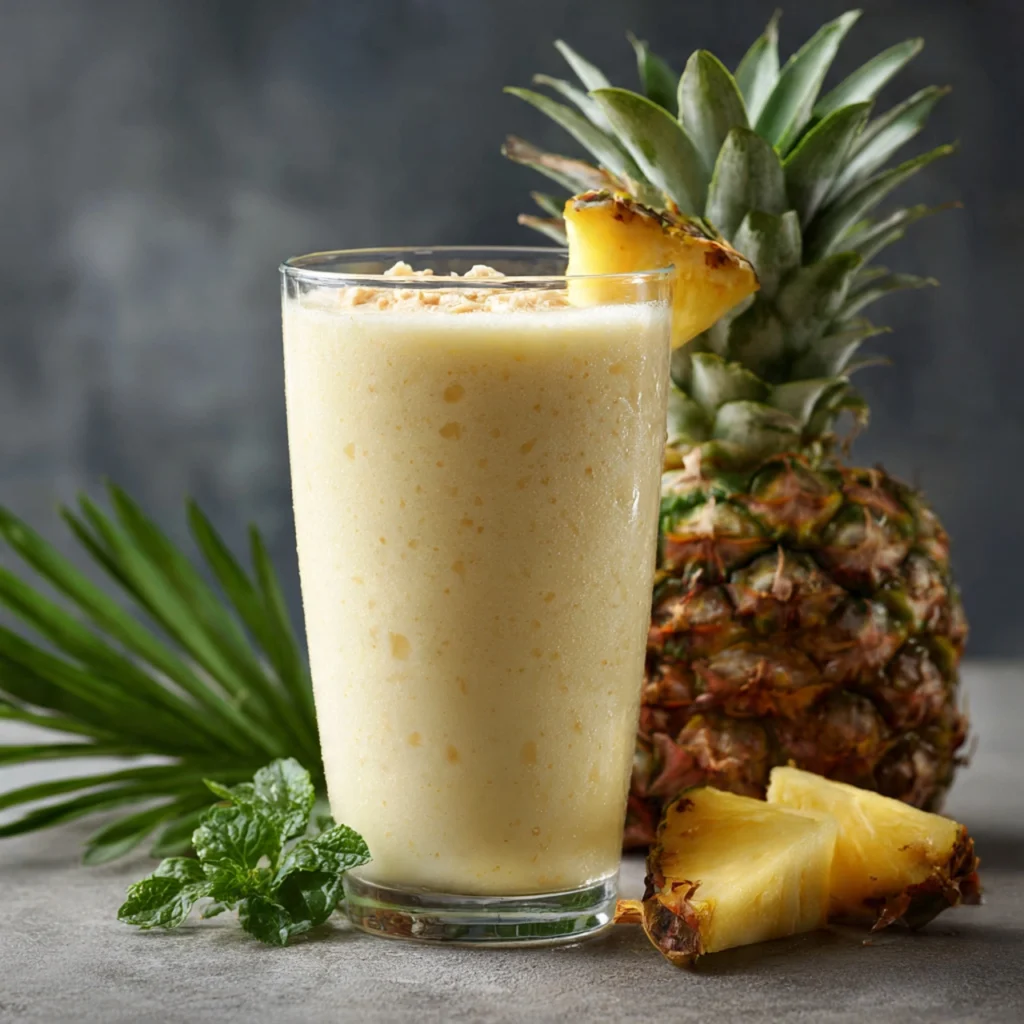
Common Mistakes to Avoid For Piña Colada Protein Smoothie
Mistake #1: Using Too Much Liquid
The number one complaint I hear about homemade protein smoothies is “mine turned out watery and thin!” This happens when people add too much liquid at the beginning. Remember, you can always add more liquid to thin a smoothie, but you can’t take it away once it’s in there.
Start with the minimum amount of coconut water (½ cup) and add more only if your blender struggles to process the frozen ingredients. A properly made Piña Colada Protein Smoothie should be thick enough that you can almost eat it with a spoon.
Mistake #2: Adding Protein Powder Last
When protein powder goes in last (on top of frozen ingredients), it often gets stuck on the sides of the blender container or creates protein powder clumps that never fully incorporate. These dry pockets taste chalky and unpleasant. Always add your protein powder in the middle layer, sandwiched between liquids and frozen ingredients, for seamless blending.
Mistake #3: Skipping the Taste Test
Pineapple acidity and sweetness vary wildly based on variety, ripeness, and growing season. One batch of frozen pineapple might create a perfectly balanced smoothie, while another tastes too tart or not sweet enough. Always taste before serving and adjust with sweetener, salt, or extra coconut milk as needed.
Mistake #4: Over-Blending
While you want a smooth consistency, blending for too long (over 2-3 minutes continuously) can actually warm up your smoothie from the friction created by the blender blades. This causes ice crystals to melt, producing a thin, less refreshing drink. Blend just until smooth, no longer.
Mistake #5: Using Sweetened Protein Powder with Extra Sweetener
Many protein powders are already quite sweet. If you’re using a sweetened vanilla protein powder and then adding maple syrup or honey, you might end up with an overly sweet smoothie that tastes more like candy than a balanced tropical drink. Taste your protein powder first—if it’s already sweet, skip additional sweeteners until after you’ve blended and tasted the final result.
Mistake #6: Not Accounting for Protein Powder Texture
Different protein powders have different textures. Some are fine and silky, while others are grainy or chalky. If your protein powder tends to be gritty, you need to blend for an extra 20-30 seconds to break down the texture completely. Adding a pinch of salt also helps mask any chalkiness.
Mistake #7: Forgetting to Clean the Blender Immediately
This isn’t about the smoothie itself, but trust me—protein smoothies become cement-like when left to dry in a blender. The protein powder and coconut cream harden into a stubborn residue that’s incredibly difficult to remove. Fill your blender with hot water and a drop of dish soap immediately after pouring your smoothie, blend for 10 seconds, and rinse. Your future self will thank you.
Storage and Serving Suggestions
Immediate Serving
This Piña Colada Protein Smoothie is absolutely best enjoyed fresh, within 10-15 minutes of blending. The texture is at its peak—thick, creamy, and perfectly frosty. Serve it in a chilled glass for the best experience (pop your glass in the freezer for 10 minutes before making the smoothie if you think ahead).
Short-Term Storage (Same Day)
If you need to make your smoothie a few hours in advance, pour it into an airtight container, filling it to the very top to minimize air exposure. Store in the refrigerator for up to 4 hours. The smoothie will separate and thin slightly, so you’ll need to stir or re-blend briefly before drinking. The texture won’t be quite as perfect as fresh, but it’s still delicious and convenient.
Freezing for Later
While I don’t generally recommend freezing complete smoothies, it can work in a pinch. Pour your Piña Colada Protein Smoothie into freezer-safe jars or containers, leaving about an inch of headspace for expansion. Freeze for up to 2 months.
To use, transfer the container from freezer to refrigerator the night before you want it. In the morning, it will be partially thawed with an icy, slushy consistency—pour it into your blender with a splash of coconut milk and blend for 20-30 seconds to restore the creamy texture.
Alternatively, you can pour the smoothie into popsicle molds for a protein-packed frozen treat. These are fantastic post-workout snacks during hot summer months.
Meal Prep Strategy
The smartest way to “prep” this smoothie is to create individual freezer bags with pre-measured ingredients. In each bag, combine 2 cups frozen pineapple chunks, 1 tablespoon coconut flakes, and 1 tablespoon chia seeds. Store these bags in your freezer.
When ready to make your smoothie, dump the contents of one bag into your blender, add your protein powder, coconut milk, Greek yogurt, and coconut water, and blend. This gives you the convenience of prep without sacrificing texture or freshness.
Serving as a Smoothie Bowl
Transform this into a stunning smoothie bowl by using slightly less liquid (reduce coconut water to ¼ cup) for an extra-thick consistency. Pour into a bowl and top with:
- Fresh pineapple chunks
- Toasted coconut flakes
- Sliced banana
- Granola or muesli
- Chia seeds
- Macadamia nuts or cashews
- Fresh berries for color contrast
- A drizzle of coconut cream
- Mint leaves
This presentation turns your protein smoothie into an Instagram-worthy breakfast that feels like an indulgent treat while delivering excellent nutrition.
Portion Control
This recipe makes approximately 2-2.5 cups (16-20 oz) of smoothie, which is a generous single serving or two smaller servings. If you’re using it as a meal replacement, one full Piña Colada Protein Smoothie recipe is appropriate. If it’s a snack or post-workout drink alongside other food, consider splitting it in half or reducing the recipe by one-third.
Piña Colada Protein Smoothie FAQ
1. Can I make this Piña Colada Protein Smoothie dairy-free?
Absolutely! This Piña Colada Protein Smoothie recipe adapts beautifully to dairy-free diets. Simply swap the Greek yogurt for coconut yogurt, almond yogurt, or cashew yogurt (look for unsweetened varieties with live cultures for the probiotic benefits). Use a plant-based protein powder like pea protein, brown rice protein, or hemp protein instead of whey. The coconut milk and coconut water are already dairy-free, so those stay the same. The result is a completely vegan, dairy-free tropical smoothie that’s just as creamy and delicious as the original version.
2. How can I reduce the sugar content in this smoothie?
While this smoothie contains natural sugars from pineapple, you can reduce the overall sugar content in several ways. First, use only 1-1.5 cups of frozen pineapple instead of 2 cups, and make up the volume with frozen cauliflower florets (sounds strange, but they add creaminess without flavor). Use unsweetened protein powder and skip any additional maple syrup or honey. Choose unsweetened coconut yogurt instead of vanilla-flavored varieties. Add a pinch of salt and extra vanilla extract to enhance sweetness perception without adding actual sugar. You can also add a few drops of liquid stevia or monk fruit sweetener if you need extra sweetness without the carbohydrates.
3. What’s the best time to drink this protein smoothie?
This Piña Colada Protein Smoothie is incredibly versatile timing-wise. It works beautifully as a post-workout recovery drink within 30-60 minutes after exercise when your muscles need protein and carbohydrates for repair and glycogen replenishment. It’s also fantastic as a balanced breakfast, especially if you’re not a morning appetite person—the cold, refreshing nature makes it easier to consume than solid food. As an afternoon snack, it provides sustained energy without the crash of sugary treats. Some people even enjoy it as a healthy dessert alternative in the evening, though I generally recommend consuming protein smoothies earlier in the day when you can best utilize the energy from the natural carbohydrates.
4. Can I use fresh coconut instead of coconut milk?
Yes, but with some adjustments. If you have access to fresh young coconuts, you can use the coconut water and coconut meat to create an incredibly fresh version of this smoothie. Use ½ cup fresh coconut water and scoop out the soft coconut meat from one young coconut (about ½-¾ cup). Blend these with your other ingredients. The texture will be slightly different—often thicker and richer—than using canned coconut milk. You may need to add extra liquid to reach your desired consistency. Fresh coconut creates an amazingly authentic tropical flavor, though it’s significantly more time-consuming and expensive than canned coconut milk.
5. Why does my smoothie taste chalky or have an unpleasant protein powder aftertaste?
The chalky taste typically comes from lower-quality protein powder or insufficient blending. First, invest in a high-quality protein powder—this makes an enormous difference. Brands like Optimum Nutrition, Dymatize, Vega, or Orgain produce cleaner-tasting products. Second, add a pinch of sea salt to your smoothie—salt naturally masks bitterness and enhances other flavors. Third, make sure you’re blending thoroughly for at least 60-90 seconds to fully incorporate the protein powder. Fourth, add ½ teaspoon of vanilla extract to enhance the vanilla-coconut profile. Finally, if your protein powder consistently tastes bad in smoothies, try unflavored collagen peptides instead—they’re virtually tasteless and blend seamlessly into any smoothie.
6. Can I add alcohol to make this an actual piña colada?
Certainly! To transform this into an adult beverage, reduce the coconut water to ¼ cup and add ¼ cup of white rum (or coconut rum for even more tropical flavor). Keep in mind that adding alcohol will reduce the overall protein content per volume and add additional calories. This makes a fantastic poolside treat or weekend brunch drink. If you want to keep the protein benefits while enjoying a cocktail, make the full protein smoothie recipe as written and serve it alongside a traditional piña colada rather than mixing alcohol directly in.
7. How do I prevent my smoothie from separating?
Separation is natural with homemade smoothies because they don’t contain the stabilizers and emulsifiers found in commercial products. To minimize separation, use full-fat coconut milk rather than lite versions (fat helps keep ingredients emulsified), add a tablespoon of chia seeds (they absorb liquid and reduce separation), blend extremely thoroughly to break down all particles to the same size, and drink immediately. If your smoothie does separate after sitting, simply stir it thoroughly or dump it back in the blender for a 10-second remix before drinking.
8. Is this smoothie appropriate for weight loss?
This Piña Colada Protein Smoothie can absolutely fit into a weight loss plan when consumed mindfully. At approximately 300-350 calories per serving (depending on protein powder and yogurt choices), it provides excellent satiety from protein and healthy fats, which helps reduce overall calorie consumption throughout the day. The fiber from pineapple supports digestive health and fullness. To make it more weight-loss friendly, use lite coconut milk, reduce the portion size by one-third, skip additional sweeteners, and consider it a meal replacement rather than a snack. The protein content (25-30g) helps preserve muscle mass during calorie restriction, which is crucial for maintaining metabolic rate during weight loss.
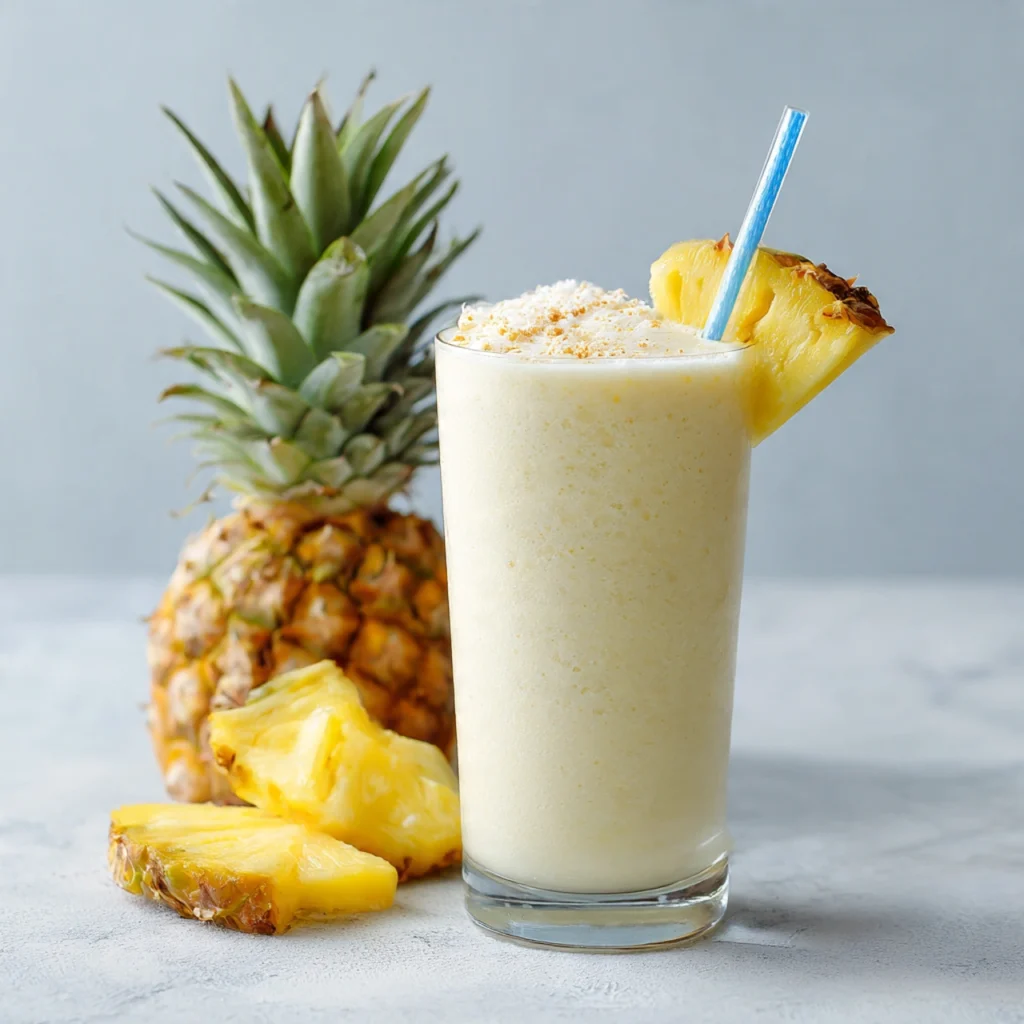
Nutrition Information (Approximate Values)
Serving Size: 1 smoothie (full recipe, about 20 oz)
Servings Per Recipe: 1
Calories: 340-380 kcal
Total Fat: 16g
- Saturated Fat: 12g
- Trans Fat: 0g
Cholesterol: 15mg (with Greek yogurt; 0mg if dairy-free)
Sodium: 125mg
Total Carbohydrates: 35g
- Dietary Fiber: 4g
- Sugars: 28g (all naturally occurring from pineapple)
- Added Sugars: 0g (if no sweetener added)
Protein: 25-30g (varies by protein powder brand)
Vitamin D: 0mcg
Calcium: 180mg (18% DV)
Iron: 2mg (11% DV)
Potassium: 520mg (15% DV)
Vitamin C: 95mg (105% DV)
Vitamin A: 45mcg (5% DV)
Additional Micronutrients:
- Excellent source of manganese (from pineapple)
- Good source of vitamin B6
- Contains medium-chain triglycerides (MCTs) from coconut
- Provides probiotics (from Greek yogurt)
- Rich in bromelain enzyme (from pineapple)
Notes on Nutrition:
- Values will vary based on specific brands of protein powder, yogurt, and coconut milk used
- Using lite coconut milk reduces calories by approximately 80-100 per serving
- Plant-based protein powders may have slightly different macronutrient profiles than whey
- Adding optional ingredients like chia seeds, bananas, or nut butters will increase calorie and nutrient content accordingly
Final Thoughts
This Piña Colada Protein Smoothie has genuinely transformed how I approach post-workout nutrition and breakfast. What started as a creative experiment born from boredom with my usual protein shakes has become a recipe I make at least three times per week, and one that I’ve shared with hundreds of clients, friends, and family members who’ve all fallen in love with it.
The beauty of this smoothie lies not just in its incredible tropical flavor, but in its versatility. It adapts seamlessly to different dietary needs—vegan, dairy-free, low-sugar, high-protein—without losing what makes it special. Whether you’re a competitive athlete tracking macros precisely, a busy parent looking for a nutritious breakfast you can consume on the go.
I encourage you to make this your own. Experiment with the add-ins, adjust the thickness to your preference, play with garnishes until you find your perfect presentation. Some of my clients love adding a tablespoon of peanut butter for a Thai-inspired twist, while others prefer extra lime juice for brightness. There’s no single “right” way to enjoy this smoothie.
The most rewarding part of creating and sharing this recipe has been hearing from people who previously struggled to consume enough protein or dreaded their daily protein shakes. When they tell me they actually look forward to this smoothie, that they’ve stopped skipping breakfast because they’re excited to make it, or that their kids beg for “the pineapple drink” instead of sugary treats—that’s when I know this recipe is doing exactly what I hoped it would.
So grab your blender, stock up on frozen pineapple, and give yourself permission to enjoy protein supplementation that feels like an indulgence rather than a chore. Your taste buds and your muscles will thank you.
Cheers to healthy eating that never feels like a sacrifice!
PrintPiña Colada Protein Smoothie: The Ultimate Tropical Post-Workout Recipe (5 Minutes)
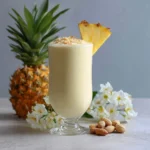
This Piña Colada Protein Smoothie is a tropical paradise in a glass—combining sweet pineapple, creamy coconut, and high-quality protein powder for a nutritious breakfast or post-workout recovery drink that tastes like a vacation. With 25-30 grams of protein and over 100% of your daily vitamin C, this five-minute recipe proves that healthy eating can be absolutely delicious and incredibly satisfying.
- Prep Time: 3 minutes
- Cook Time: 0 minutes
- Total Time: 5 minutes
- Yield: 1 large smoothie (20 oz) or 2 small servings (10 oz each)
- Category: Breakfast, Smoothie, Post-Workout, Snack
- Method: Blending
- Cuisine: Caribbean-inspired, Tropical, American Fusion
- Diet: Vegetarian
Ingredients
- 2 cups frozen pineapple chunks (300g)
- 1 cup full-fat coconut milk (canned, well-stirred)
- 1 scoop vanilla protein powder (30g)
- ½ cup plain Greek yogurt (or coconut yogurt for dairy-free)
- ½ cup coconut water (or regular water)
- 1-2 teaspoons pure maple syrup or honey (optional, to taste)
- Ice cubes (optional, if using fresh pineapple)
Optional Add-Ins:
- 1 tablespoon chia seeds
- ½ frozen banana
- 1 tablespoon coconut flakes
- Handful of spinach
- ½ teaspoon vanilla extract
- Pinch of sea salt
Garnishes:
- Fresh pineapple wedge
- Toasted coconut flakes
- Fresh mint leaves
- Maraschino cherry
- Lime wheel
Instructions
- Prepare ingredients: Open and thoroughly whisk canned coconut milk until cream and liquid are fully combined. Measure all ingredients and have them ready near your blender.
- Layer strategically: Pour coconut milk and coconut water into blender first. Add Greek yogurt and protein powder in the middle. Top with frozen pineapple chunks.
- Blend to perfection: Start on low speed for 10-15 seconds, increase to medium for 20-30 seconds (scraping down sides if needed), then blend on high for 30-60 seconds until completely smooth and creamy.
- Taste and adjust: Sample the smoothie. Add sweetener if too tart, extra coconut milk if too thick, or ice if not cold enough. Blend for 10 more seconds after any additions.
- Serve immediately: Pour into a large glass, add garnishes, and enjoy right away for the best texture and flavor.
Notes
- Protein powder substitutions: Any vanilla protein works—whey, plant-based, or collagen peptides. Adjust sweetener based on how sweet your protein powder is.
- Consistency control: For thicker texture, add more frozen pineapple or reduce liquid. For thinner consistency, add more coconut water.
- Make it vegan: Use coconut yogurt and plant-based protein powder.
- Reduce sugar: Replace 1 cup pineapple with frozen cauliflower florets, skip sweetener, use unsweetened protein.
- Prep ahead: Create freezer bags with pre-measured pineapple and add-ins. Add liquids and protein when ready to blend.
- Storage: Best fresh, but can refrigerate in airtight container for 4 hours. Stir well before drinking.