
Introduction
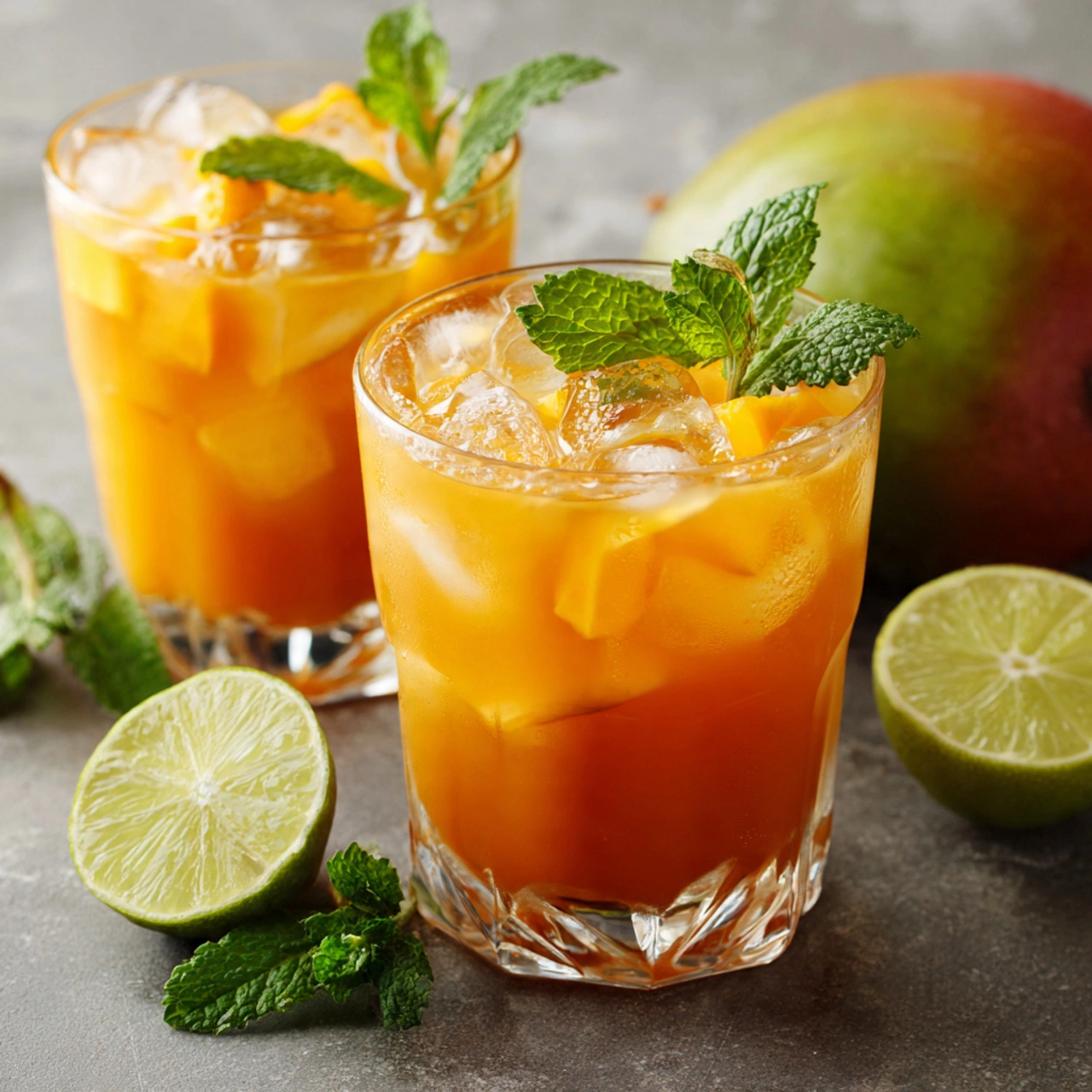
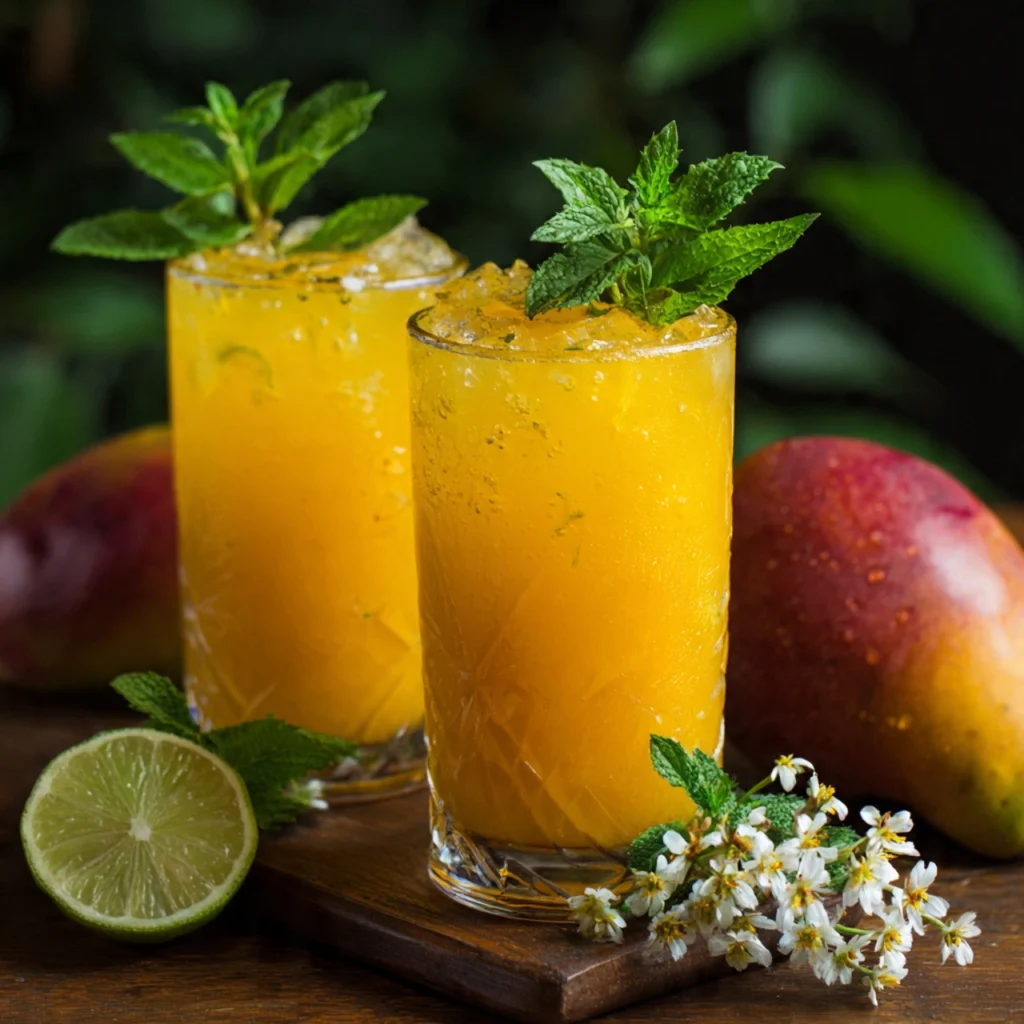
Craving a Mango Lemonade that perfectly balances tropical sweetness with bright citrus tang? This homemade version transforms ripe mangoes and fresh lemons into a refreshing drink that’s leagues better than anything you’ll find at a restaurant or coffee shop. With just four simple ingredients and about 10 minutes of your time, you can create a pitcher of sunshine-yellow refreshment that tastes like summer in a glass, making it perfect for backyard barbecues, pool parties, or simply cooling down on a hot afternoon.
What makes this Mango Lemonade truly exceptional is how the natural sweetness of ripe mangoes complements the tartness of fresh lemon juice, creating a flavor profile that’s neither too sweet nor too sour—just perfectly balanced and incredibly refreshing. The mango adds body and a silky texture that regular lemonade lacks, while the lemon provides that essential bright acidity that cuts through the richness and keeps you reaching for glass after glass. It’s like a tropical vacation and classic summer refreshment had a delicious baby.
This recipe has become my go-to beverage for entertaining because it impresses everyone who tries it, yet requires minimal effort and no special equipment beyond a blender. Kids love the sweet mango flavor, adults appreciate the sophisticated balance, and health-conscious folks appreciate that you control exactly how much sugar goes in. Plus, the gorgeous golden color makes every glass Instagram-worthy without even trying.
I’ve perfected this Mango Lemonade over countless batches, testing different mango varieties, adjusting lemon-to-sugar ratios, and experimenting with techniques until I achieved absolute consistency. The version you’re about to learn produces the same delicious results every single time.
Ingredients
Essential Ingredients:
- 2 large ripe mangoes (about 3 cups mango flesh), peeled and cubed
- 1 cup fresh lemon juice (about 4-6 lemons)
- ½ cup granulated sugar (adjust to taste)
- 4 cups cold water, divided
- Ice for serving
Optional Enhancements:
- Fresh mint leaves (for garnish and extra freshness)
- Lemon slices or mango chunks (for garnish)
- 1 tablespoon honey (in addition to or instead of sugar)
- Pinch of salt (enhances flavors)
- ½ teaspoon vanilla extract (adds depth)
Variations:
- Sparkling Mango Lemonade: Replace 2 cups water with sparkling water
- Frozen Mango Lemonade: Blend with ice for a slushie texture
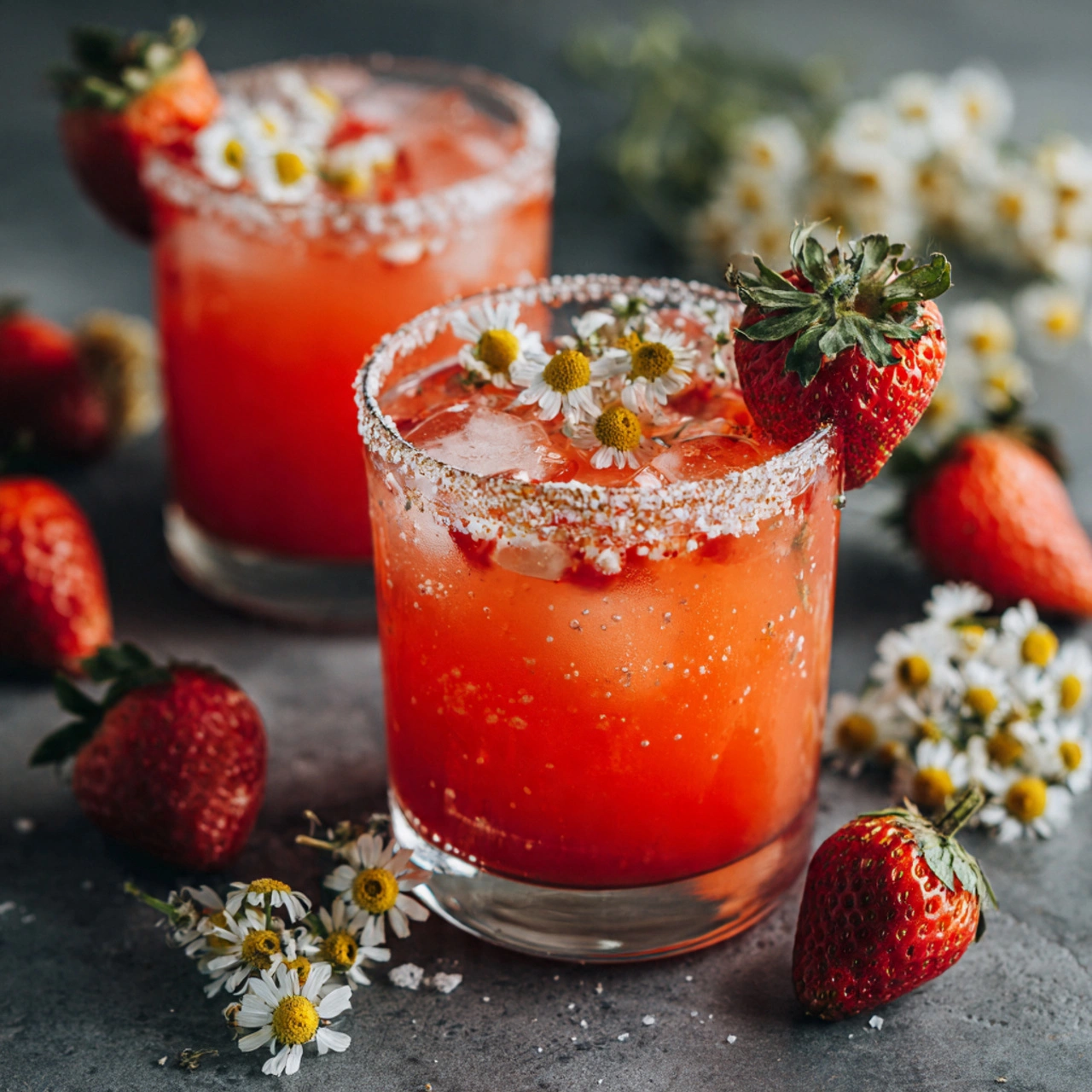
- Strawberry Mango Lemonade: Add 1 cup fresh strawberries
- Ginger Mango Lemonade: Add 1 teaspoon grated fresh ginger
- Coconut Mango Lemonade: Replace 1 cup water with coconut water
Sweetener Alternatives:
- Honey (use ⅓ cup)
- Agave nectar (use ⅓ cup)
- Stevia (adjust to taste, much less needed)
- Maple syrup (use ⅓ cup for unique flavor)
Step-by-Step Instructions
Step 1: Prepare the Mangoes
Select ripe mangoes that give slightly when gently squeezed and have a sweet, fruity aroma at the stem end. To prepare, stand each mango upright on a cutting board and slice down each side of the flat pit, creating two large “cheeks.” Score the flesh in a crosshatch pattern without cutting through the skin, then push the skin to invert it and cut off the cubed mango flesh. Peel the remaining strip around the pit and cut off any flesh. You should have about 3 cups of mango cubes total. If your mangoes aren’t perfectly ripe, they’ll work but may be less sweet and require more sugar.
Step 2: Juice the Lemons
Roll each lemon firmly on the countertop with your palm, pressing down slightly—this breaks down the internal membranes and makes juicing easier. Cut the lemons in half and juice them using a citrus juicer, handheld reamer, or just your hands, straining out seeds as you go. You need 1 cup of fresh lemon juice, which typically requires 4-6 lemons depending on size and juiciness. Fresh lemon juice is essential—bottled juice simply won’t deliver the bright, vibrant flavor this recipe needs.
Step 3: Blend the Base
Add the cubed mango, 1 cup fresh lemon juice, ½ cup sugar, and 2 cups of cold water to a blender. Blend on high speed for 45-60 seconds until completely smooth with no mango chunks remaining. The mixture should be thick and vibrant yellow-orange in color. Taste the mixture at this concentrated stage—it should be intensely flavorful and quite sweet since you’ll be diluting it with more water. If it’s too tart, add another tablespoon of sugar and blend again. If too sweet, add more lemon juice.
Step 4: Strain for Smoothness
For the smoothest, most refined Mango Lemonade, strain the blended mixture through a fine-mesh strainer into a large pitcher, pressing on the solids with a spoon or spatula to extract all the liquid. This removes any fibrous mango bits and creates a silky-smooth texture. If you prefer a more rustic lemonade with texture and fiber, you can skip this step—the drink will just have a bit more body and pulp.
Step 5: Dilute and Adjust
Add the remaining 2 cups of cold water to the pitcher and stir well to combine. Taste and adjust the sweetness and tartness to your preference. Remember that adding ice will dilute the flavors slightly, so the lemonade should taste slightly more intense than your desired final result. add lemon juice 1 tablespoon at a time for extra brightness, stir in sugar 1 tablespoon at a time if it needs more sweetness, or thin with water, adding ¼ cup at a time until the texture is right.
Step 6: Chill and Serve
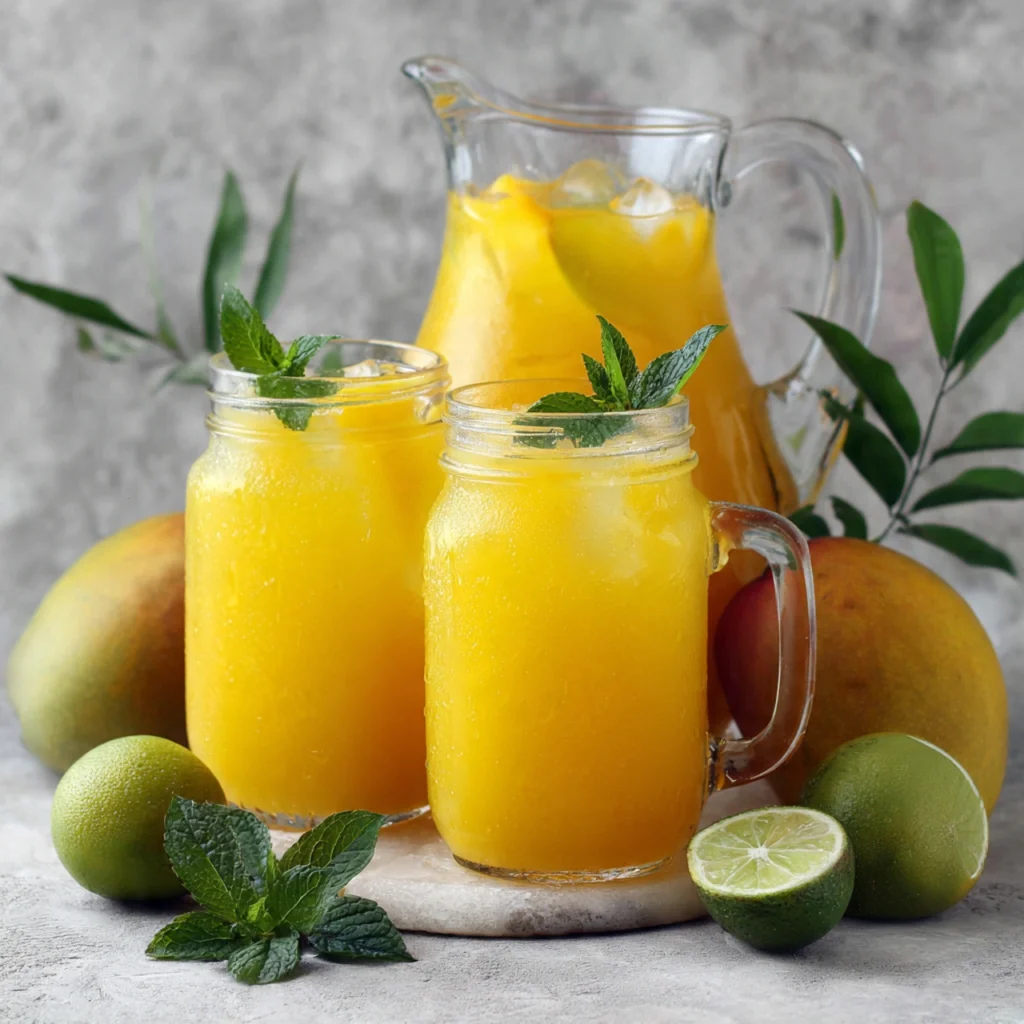
Refrigerate the Mango Lemonade for at least 30 minutes to get it thoroughly chilled, or serve immediately over plenty of ice. Give it a good stir before serving as some settling may occur. Pour into glasses filled with ice, garnish with fresh mint leaves, lemon slices, or mango chunks if desired, and serve immediately. The lemonade is best enjoyed cold—the flavors are most balanced and refreshing when properly chilled.
Pro Tips for Perfect Mango Lemonade
Choose Ripe Mangoes: Ripe mangoes are naturally sweet, fragrant, and slightly soft when pressed. Under-ripe mangoes are fibrous and overly tart, while overripe ones can develop fermented flavors. Always look for smooth skin and a sweet aroma at the stem end for best results.
Use Fresh Lemon Juice: Freshly squeezed lemon juice is essential for bright, clean flavor. Bottled juice tastes dull and artificial. If needed, juice lemons ahead and freeze the juice in small portions.
Adjust Sweetness to Your Mangoes: Mango varieties vary in sweetness. Start with less sugar, taste the lemonade, and adjust gradually to avoid overpowering the mango flavor.
Blend Thoroughly for Smooth Texture: Blend long enough to fully break down mango fibers. If the texture feels grainy, blend longer or add liquid first to help the blades work smoothly.
Chill Everything for Best Results:Using cold water and chilled ingredients makes the lemonade more refreshing. If short on time, chill briefly in the freezer before serving.
Add a Pinch of Salt:A small pinch of salt enhances sweetness and balances acidity without making the drink taste salty.
Use Simple Syrup for Even Sweetness: Dissolving sugar in water before mixing helps it blend evenly and creates a smoother, more polished lemonade.
Common Mistakes to Avoid
Using Under-Ripe Mangoes: This is the most common mistake. Under-ripe mangoes are starchy, fibrous, and lack sweetness, which leads to overly tart, unpleasant lemonade. Always choose mangoes that are soft to the touch and smell sweet at the stem.
Not Straining the Mixture:Skipping this step leaves fibrous pulp in the drink. While it’s safe to drink, straining creates a smoother, cleaner texture that feels more refreshing and restaurant-quality.
Adding All the Water at Once:Adding all the water too early prevents proper flavor adjustment. Start with a concentrated blend, taste, then dilute gradually to control sweetness and acidity.
Over-Sweetening: Too much sugar can overpower the mango and lemon flavors. Since ripe mangoes are naturally sweet, begin with less sugar and increase slowly if needed.
Using Old or Oxidized Lemon Juice:Fresh lemon juice provides brightness and balance. Juice lemons just before making the lemonade, or store fresh juice tightly sealed in the fridge for up to 24 hours.
Not Blending Long Enough:Short blending times leave mango chunks and grainy texture. Blend until fully smooth—standard blenders usually need 45–60 seconds.
Serving Without Adequate Chilling:Warm lemonade tastes flat and overly sweet. Chill well before serving and pour over ice for the most refreshing, balanced flavor.
Storage and Serving Suggestions
Storage:
Refrigeration: Store Mango Lemonade in an airtight pitcher or sealed glass container in the refrigerator for up to 3 days. The flavors actually improve after a few hours as they meld together. Shake or stir well before serving as separation is natural and occurs as the mango solids settle.
Separation is Normal: Because this is made with real fruit, some separation will occur during storage. The heavier mango particles settle to the bottom while the liquid rises to the top. Simply stir or shake before serving to recombine—this doesn’t indicate spoilage.
Freezing: You can freeze Mango Lemonade in ice cube trays, then transfer the cubes to freezer bags for up to 3 months. Use these cubes in future glasses of lemonade, smoothies, or cocktails. You can also freeze in larger containers, though the texture may change slightly when thawed. Thaw in the refrigerator and stir well before serving.
Extending Freshness: For the longest shelf life, don’t add ice directly to the pitcher—this dilutes the lemonade as it melts. Instead, keep the lemonade concentrated and add ice to individual glasses when serving.
Serving Suggestions:
Summer Gatherings: Mango Lemonade is perfect for barbecues, picnics, pool parties, and outdoor gatherings. Make a double batch and serve in a large drink dispenser with fresh fruit floating on top for visual appeal.
Mocktails and Cocktails: This lemonade serves as an excellent base for both virgin and alcoholic drinks. For mocktails, add fresh berries, coconut water, or sparkling water. For cocktails, add vodka, rum, tequila, or champagne. A splash of rum creates a tropical cocktail that’s dangerously drinkable.
Brunch Beverage: Serve Mango Lemonade at breakfast or brunch alongside eggs, pastries, and fruit. It’s a refreshing alternative to orange juice and pairs beautifully with both sweet and savory breakfast foods.
Kids’ Parties: Children love the sweet mango flavor and fun color. Serve in clear cups so they can see the vibrant yellow-orange hue. Freeze some lemonade in ice cube trays and add these to glasses for extra fun—they keep drinks cold without diluting flavor.
Elegant Presentation: Serve in wine glasses or mason jars with cute paper straws. Garnish the rim with a sugar coating (wet the rim with lemon juice, dip in sugar), add fresh mint sprigs, and include a lemon wheel and mango chunk on a cocktail pick.
Frozen Pops: Pour the lemonade into popsicle molds and freeze for a healthy, refreshing frozen treat. Kids and adults both love these on hot days.
Frequently Asked Questions
Q1: Can I use frozen mango instead of fresh?
Yes! Frozen mango works very well and is often more convenient than fresh. Use about 3 cups straight from the freezer—thawing isn’t required, but slightly thawed mango blends more easily and smoothly.
Q2: How can I make this Mango Lemonade less sweet?
Reduce the sugar to taste, increase the lemon juice for extra tang, or replace part of the water with unsweetened coconut water. Always start with less sweetener and adjust gradually.
Q3: Why is my Mango Lemonade turning brown?
Browning happens because of oxidation. To slow this, store the lemonade in an airtight container, add a little extra lemon juice, and stir before serving. The flavor remains fine even if the color changes slightly.
Q4: Can I make this ahead for a party?
Yes! Mango Lemonade tastes even better after a few hours. Prepare it up to 24 hours in advance, keep it chilled, and add ice only when serving.
Q5: What’s the best type of mango to use?
Any ripe mango works well. Ataulfo and Alphonso mangoes are especially sweet and low in fiber, making the lemonade smoother and more flavorful.
Q6: How do I know when a mango is ripe?
A ripe mango feels slightly soft when gently squeezed and has a sweet aroma near the stem. Color varies by variety, so smell and softness are better indicators.
Q7: Can I make this sugar-free?
Yes! Use stevia, monk fruit, or erythritol instead of sugar and adjust to taste. Natural options like honey or agave work too, but they still contain sugar.
Nutrition Information (Approximate Values per Serving)
Serving Size: 1 cup (8 ounces, based on 6 servings)
- Calories: 110
- Total Fat: 0g
- Saturated Fat: 0g
- Cholesterol: 0mg
- Sodium: 5mg
- Total Carbohydrates: 28g
- Dietary Fiber: 1g
- Sugars: 26g
- Protein: 1g
- Vitamin C: 45% DV
- Vitamin A: 15% DV
- Potassium: 4% DV
- Folate: 8% DV
Nutritional Highlights:
- Excellent source of vitamin C
- Contains vitamin A from mangoes
- Naturally fat-free and cholesterol-free
- Provides antioxidants from fresh fruit
- Good source of natural hydration
Note: Nutritional information is approximate and based on the recipe as written using ½ cup granulated sugar. Values will vary based on mango ripeness, exact sugar amount used, and serving size. Recipe makes approximately 6 cups or 6 servings.
Final Thoughts
This Mango Lemonade recipe proves that the best refreshments are often the simplest. With just four ingredients and a blender, you can create a drink that rivals anything from fancy cafes or restaurants, all while controlling the quality of ingredients and sweetness level. The tropical sweetness of mango combined with the bright acidity of fresh lemon creates a flavor combination that’s universally appealing and endlessly refreshing.
What makes this recipe truly special is its versatility and ease. Make it exactly as written for classic mango lemonade, or experiment with the variations and additions to create your own signature version. Either way, you’ll have a delicious, crowd-pleasing beverage that takes minimal effort but delivers maximum enjoyment.
So grab some ripe mangoes and fresh lemons, and get ready to blend up the most refreshing drink of the summer!
PrintMango Lemonade: The Perfect Sweet-Tart Refreshment for Hot Days

Mango Lemonade is a refreshing tropical drink that combines sweet ripe mangoes with fresh lemon juice for the perfect balance of sweet and tart. Ready in just 10 minutes with 4 simple ingredients, this homemade lemonade is perfect for summer gatherings, pool parties, or anytime you need a cool, delicious beverage.
- Prep Time: 10 minutes
- Cook Time: 0 minutes
- Total Time: 40 minutes (or 10 minutes if serving immediately)
- Yield: 6 cups (6 servings)
- Category: Beverage, Drink
- Method: Blending, No-Cook
- Cuisine: American, Tropical
- Diet: Vegan
Ingredients
- 2 large ripe mangoes (3 cups cubed)
- 1 cup fresh lemon juice (4-6 lemons)
- ½ cup granulated sugar (adjust to taste)
- 4 cups cold water (divided)
- Ice for serving
- Optional: fresh mint, lemon slices, mango chunks for garnish
Instructions
- Peel and cube mangoes (about 3 cups flesh)
- Juice lemons to get 1 cup fresh juice
- Add mango, lemon juice, sugar, and 2 cups water to blender
- Blend on high 45-60 seconds until completely smooth
- Strain through fine-mesh strainer into pitcher (optional for smoother texture)
- Add remaining 2 cups water; stir well
- Taste and adjust sweetness/tartness as needed
- Refrigerate 30 minutes or serve immediately over ice
- Stir before serving; garnish with mint and fruit
- Enjoy cold!
Notes
- Use very ripe mangoes for best sweetness and flavor
- Fresh lemon juice essential—don’t substitute bottled
- Adjust sugar based on mango ripeness (start with less, add more)
- Straining creates smoother texture but is optional
- Frozen mango works well—use 3 cups, slightly thawed
- Lemonade thickens/settles over time—stir before serving
- Add pinch of salt to enhance flavors
- Stores 3 days refrigerated in airtight container