Introduction: Why Irish Soda Bread Remains a Beloved Classic
Irish Soda Bread proves that great bread doesn’t need fancy equipment, expensive ingredients, or hours of rising. Just four simple pantry staples create a rustic, crusty loaf with a tender, slightly tangy crumb—perfect for butter or soaking up stew. I first made this on a whim before a dinner party, and that first warm, crusty slice convinced me that sometimes the simplest recipes are the most satisfying.
What makes Irish Soda Bread special is its simplicity and practicality. Traditional Irish families made it with just flour, baking soda, salt, and buttermilk—no yeast, no kneading, no long rising. The reaction between acidic buttermilk and baking soda naturally leavens the bread, creating a delicious, crusty loaf in under an hour. Its efficiency and authentic flavor make it a favorite for modern cooks.
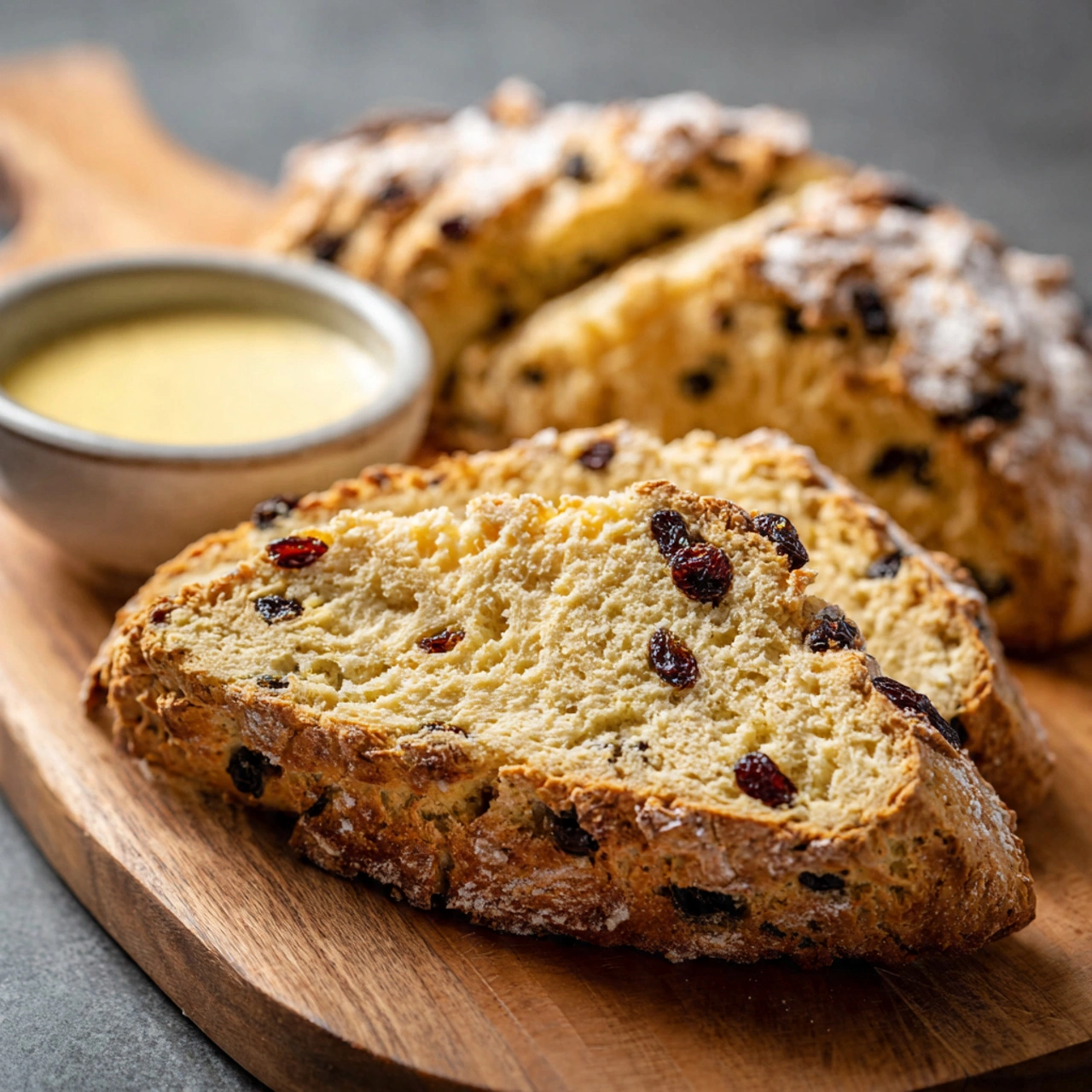
Beyond being quick and easy, Irish Soda Bread stands out from yeasted breads with its unique character. Its texture is tender and slightly cake-like, the flavor has a subtle buttermilk tang, and the crust turns golden-brown and rustic. Hearty yet light, it’s perfect alongside soups and stews or enjoyed with jam and tea.
I’ve baked countless loaves of Irish Soda Bread for St. Patrick’s Day, weeknight dinners, and spontaneous breakfasts. The recipe is forgiving and reliable, so even beginners get beautiful results. As it bakes, the sweet, yeasty aroma—despite containing no yeast—fills the kitchen and draws everyone together in anticipation.
The technique couldn’t be simpler: mix dry ingredients, add buttermilk, stir just until combined, shape into a round, score the top, and bake. No stand mixer needed, no special skills required, just straightforward mixing and baking that produces a loaf worthy of any table.
Ready to make Irish Soda Bread that’ll become your new go-to quick bread?
Ingredients: What You’ll Need for Perfect Irish Soda Bread
Traditional Recipe (Makes 1 Loaf)
- 4 cups all-purpose flour (500g) – The foundation
- 1 teaspoon baking soda – Essential leavening agent
- 1 teaspoon salt – Enhances all flavors
- 1¾ cups buttermilk (420ml) – Provides acidity and moisture
Optional Traditional Add-Ins
- 1 tablespoon sugar – Subtle sweetness (traditional in some regions)
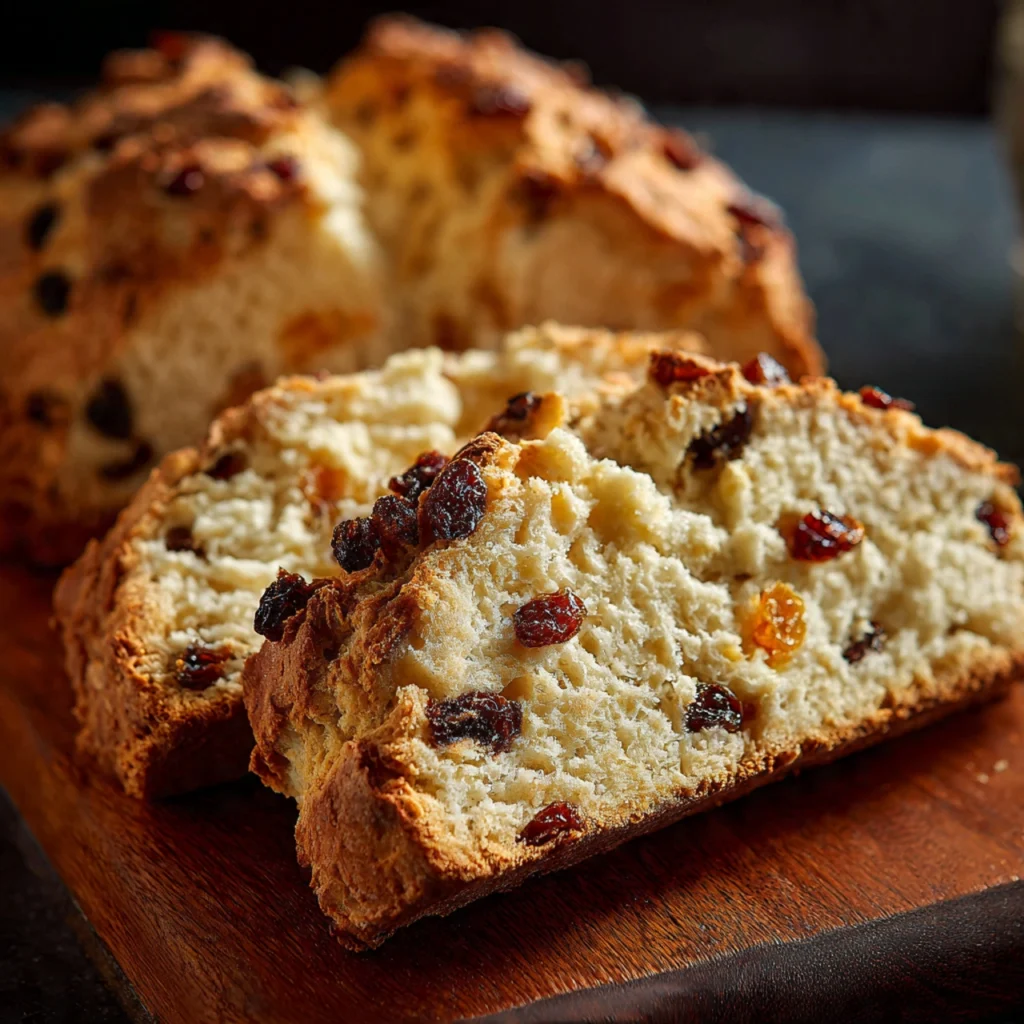
- ¼ cup raisins or currants – Sweet fruit addition
- 1 tablespoon caraway seeds – Traditional Irish flavoring
- 2 tablespoons butter, cold and cubed – Richer texture
For a Whole Wheat Version
- 2 cups all-purpose flour (250g)
- 2 cups whole wheat flour (250g)
- Add 2 tablespoons honey – Complements whole wheat
- May need extra 2-4 tablespoons buttermilk – Whole wheat absorbs more liquid
Equipment Needed
- Large mixing bowl
- Wooden spoon or spatula
- Measuring cups and spoons
- Sharp knife for scoring
- Baking sheet
- Parchment paper (optional but helpful)
- Pastry brush (optional, for butter wash)
Step-by-Step Instructions: Creating Perfect Irish Soda Bread
Step 1: Preheat and Prepare (5 minutes)
Preheat your oven to 425°F (220°C). This high temperature is essential for creating the characteristic crusty exterior while keeping the interior tender.
Line a baking sheet with parchment paper or lightly dust with flour. Parchment prevents sticking and makes cleanup easier. If you don’t have parchment, a well-floured baking sheet works fine.
Step 2: Mix the Dry Ingredients (2 minutes)
In a large mixing bowl, whisk together the flour, baking soda, and salt until completely combined. If adding sugar, raisins, or caraway seeds, add them now and whisk to distribute evenly.
Whisking ensures even distribution of the baking soda, which is crucial—uneven distribution creates pockets of different rise and can leave a metallic taste where the soda is concentrated.
If using butter for a richer loaf, cut it into small cubes and work it into the flour mixture with your fingers until it resembles coarse crumbs. This is optional but creates a slightly more tender texture.
Step 3: Add the Buttermilk (3 minutes)
Make a well in the center of the dry ingredients. Pour in the buttermilk all at once. Using a wooden spoon or your hand, stir from the center outward, gradually incorporating the flour into the buttermilk.
Mix just until the dough comes together into a shaggy, slightly sticky mass. Don’t overmix—the dough should look rough and barely combined. Overmixing develops gluten, creating tough bread instead of the desired tender, cake-like crumb.
The dough will be quite sticky and rough-looking. This is correct. If the dough is so dry it won’t come together, add buttermilk one tablespoon at a time. If it’s so wet it’s soupy, add flour one tablespoon at a time.
Step 4: Shape the Loaf (3 minutes)
Turn the dough out onto a lightly floured surface. With floured hands, gently pat and shape it into a round loaf about 7-8 inches in diameter and 2 inches high. Don’t knead or work the dough extensively—just bring it together into a cohesive round shape.
The loaf should look rustic and rough, not smooth and uniform. Embrace the imperfection—that’s part of its authentic charm.
Place the shaped loaf on your prepared baking sheet.
Step 5: Score the Top (1 minute)
Using a sharp knife, cut a deep cross (an X) into the top of the loaf, going about ½ inch deep and extending nearly to the edges. This cross isn’t just decorative—it helps heat penetrate to the center of the loaf and allows the bread to expand properly during baking.
Traditional Irish bakers said the cross “lets the fairies out” or “blesses the bread,” but practically, it’s essential for even baking and that characteristic split appearance.
If you want a softer crust, brush the top with a bit of melted butter or buttermilk before baking. For a crustier exterior, leave it plain.
Step 6: Bake (35-45 minutes)
Place the baking sheet in the preheated 425°F oven. Bake for 35-45 minutes until the bread is golden brown and sounds hollow when tapped on the bottom. The internal temperature should reach 190-200°F if using a thermometer.
The cross on top should open up during baking, creating that characteristic appearance. The crust should be deeply golden brown and firm.
If the top is browning too quickly but the bread isn’t done, tent it loosely with aluminum foil for the final 10 minutes of baking.
Step 7: Cool and Serve (15 minutes minimum)
Remove the bread from the oven and transfer to a wire cooling rack immediately. Let cool for at least 15 minutes before slicing—cutting into hot bread creates a gummy texture.
For the best texture, let the bread cool completely before slicing, though warm bread with butter is admittedly irresistible. Use a serrated knife and saw gently to avoid crushing the tender crumb.
Irish Soda Bread is best eaten the day it’s baked, though it keeps reasonably well for 2-3 days when stored properly.
Pro Tips for the Perfect Irish Soda Bread
Tip 1: Don’t Overmix the Dough
The single most important rule for tender Irish Soda Bread is minimal mixing. Stir just until the ingredients come together into a shaggy dough—no more. Overmixing develops gluten, creating tough, dense bread instead of the desired tender, cake-like texture. The dough should look rough and barely combined.
Tip 2: Use Fresh Baking Soda
Old baking soda loses its potency and won’t provide adequate rise. Check the expiration date, or test it: add ½ teaspoon to a tablespoon of vinegar—it should fizz vigorously. Weak fizzing means weak leavening power. Fresh baking soda is essential for proper rise and texture.
Tip 3: Buttermilk is Non-Negotiable
Real buttermilk provides the acidity needed to react with baking soda and create the rise. It also adds flavor and tenderizes the crumb. In a pinch, make a substitute by adding 1¾ tablespoons lemon juice or white vinegar to regular milk and letting it sit 5 minutes, but real buttermilk is genuinely better.
Tip 4: Work Quickly Once Wet Meets Dry
The chemical reaction between baking soda and buttermilk begins immediately when they combine. Work efficiently to get the bread shaped and into the oven promptly—don’t let the mixed dough sit around. The reaction produces carbon dioxide bubbles that leaven the bread, and those bubbles start escaping immediately.
Tip 5: Score Deeply for Proper Baking
The cross on top isn’t just traditional—it’s functional. Cut at least ½ inch deep and extend the cuts nearly to the edges. Shallow scoring prevents the bread from expanding properly and can create dense, underbaked centers. Deep scoring allows heat to penetrate and the loaf to rise evenly.
Tip 6: High Heat Creates the Perfect Crust
Don’t reduce the oven temperature thinking you’re being careful. Irish Soda Bread needs that initial blast of high heat (425°F) to create the characteristic crispy, golden crust while keeping the interior tender. Lower temperatures create pale, soft crusts and can result in dense texture.
Tip 7: The Tap Test is Your Friend
When you think the bread might be done, remove it from the baking sheet and tap firmly on the bottom. It should sound hollow, like knocking on a door. If it sounds dense or dull, bake for another 5 minutes and test again.
Tip 8: Embrace Imperfection
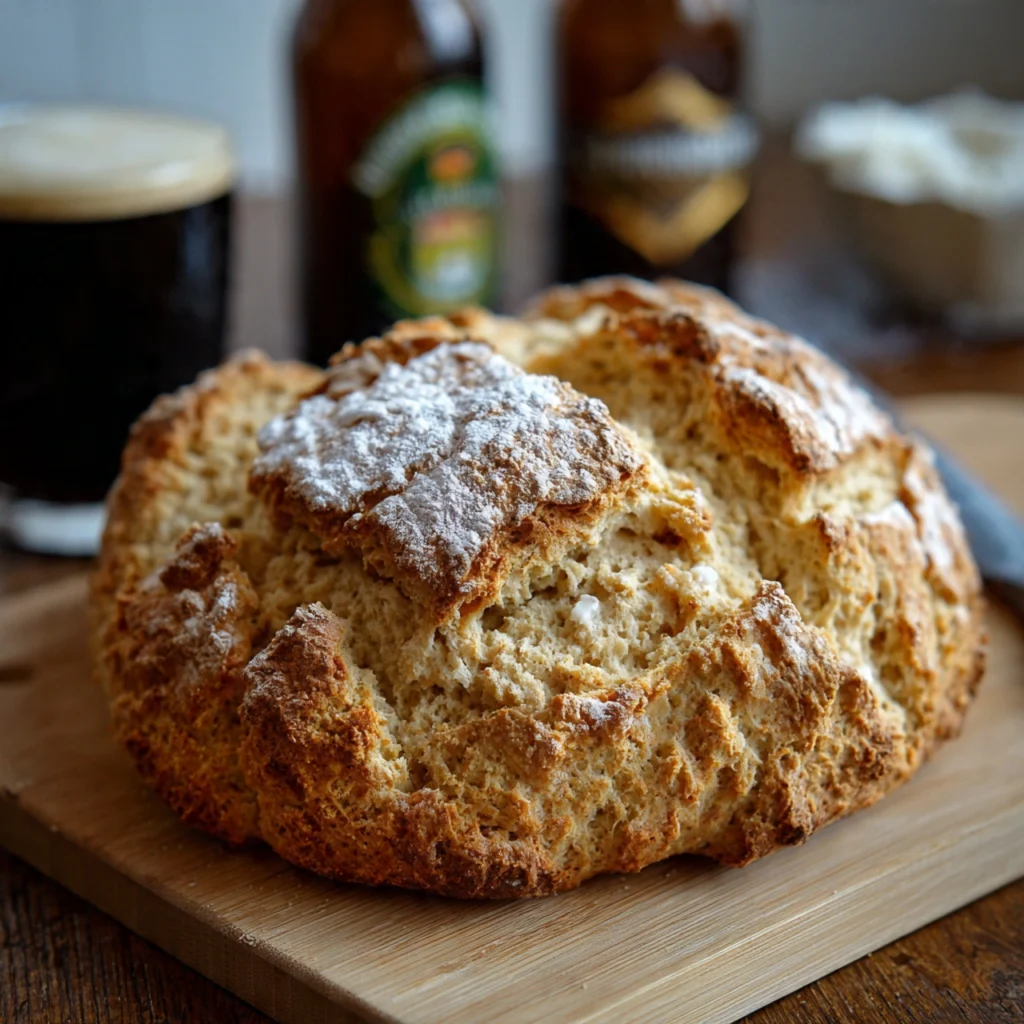
Irish Soda Bread is meant to be rustic and homey, not perfect and uniform. Cracks, rough surfaces, and irregular shape are all part of its authentic charm. Don’t stress about making it look bakery-perfect—embrace the rustic, homemade appearance.
Common Mistakes to Avoid When Making Irish Soda Bread
Mistake 1: Overmixing the Dough
Vigorous stirring or kneading develops gluten, creating tough, chewy bread instead of the desired tender crumb. Mix just until the dough comes together—it should look shaggy and rough. Stop as soon as no dry flour remains.
Mistake 2: Using Milk Instead of Buttermilk
Regular milk lacks the acidity needed to react with baking soda for proper rise. The tanginess of buttermilk is also essential to the authentic flavor. Using milk creates flat, dense bread with bland taste. Always use buttermilk or make the vinegar-milk substitute.
Mistake 3: Adding Too Much Flour While Shaping
Over-flouring your hands and work surface while shaping incorporates too much extra flour, creating dry, dense bread. Use just enough flour to prevent sticking—a light dusting is sufficient. The dough should remain quite soft and slightly sticky.
Mistake 4: Not Scoring Deeply Enough
Shallow scoring prevents proper expansion and heat penetration, creating dense centers and flat loaves. Cut at least ½ inch deep in a bold cross pattern extending nearly to the edges. Deep scoring is essential for proper baking.
Mistake 5: Baking at Too Low a Temperature
Lower temperatures don’t create the necessary crispy crust and can result in dense, pale bread. Irish Soda Bread needs high heat—425°F—to develop the characteristic crust and texture. Don’t reduce the temperature thinking you’re being cautious.
Mistake 6: Cutting Into Hot Bread
Slicing bread straight from the oven releases steam that’s still cooking the crumb, creating a gummy texture. Let the bread cool for at least 15 minutes—preferably longer—before slicing. Patience ensures the best texture.
Mistake 7: Using Old Baking Soda
Expired or old baking soda doesn’t provide adequate rise, creating flat, dense bread. Always use fresh baking soda and test it beforehand if you’re unsure of its potency. This is the only leavening agent, so it must be at full strength.
Mistake 8: Storing Improperly
Storing Irish Soda Bread in plastic bags while still warm creates condensation that makes the crust soft and soggy. Let the bread cool completely before wrapping, and use paper bags or cloth to maintain the crust. Plastic is acceptable after cooling but softens the crust.
Storage and Serving Suggestions for Irish Soda Bread
How to Store
Room Temperature: Store completely cooled Irish Soda Bread wrapped in a clean kitchen towel or paper bag at room temperature for up to 2 days. The crust will soften slightly but the bread remains delicious.
Refrigerator: Not recommended—refrigeration accelerates staling and makes the bread dry and tough. Room temperature or freezer storage is better.
Freezer: Freeze completely cooled bread wrapped tightly in plastic wrap, then aluminum foil, for up to 3 months. Thaw at room temperature still wrapped. To refresh, warm in a 300°F oven for 10 minutes.
Reviving Day-Old Bread: Sprinkle stale bread lightly with water, wrap in foil, and warm in a 300°F oven for 10-15 minutes. This restores some softness, though it won’t be exactly like fresh.
Serving Suggestions
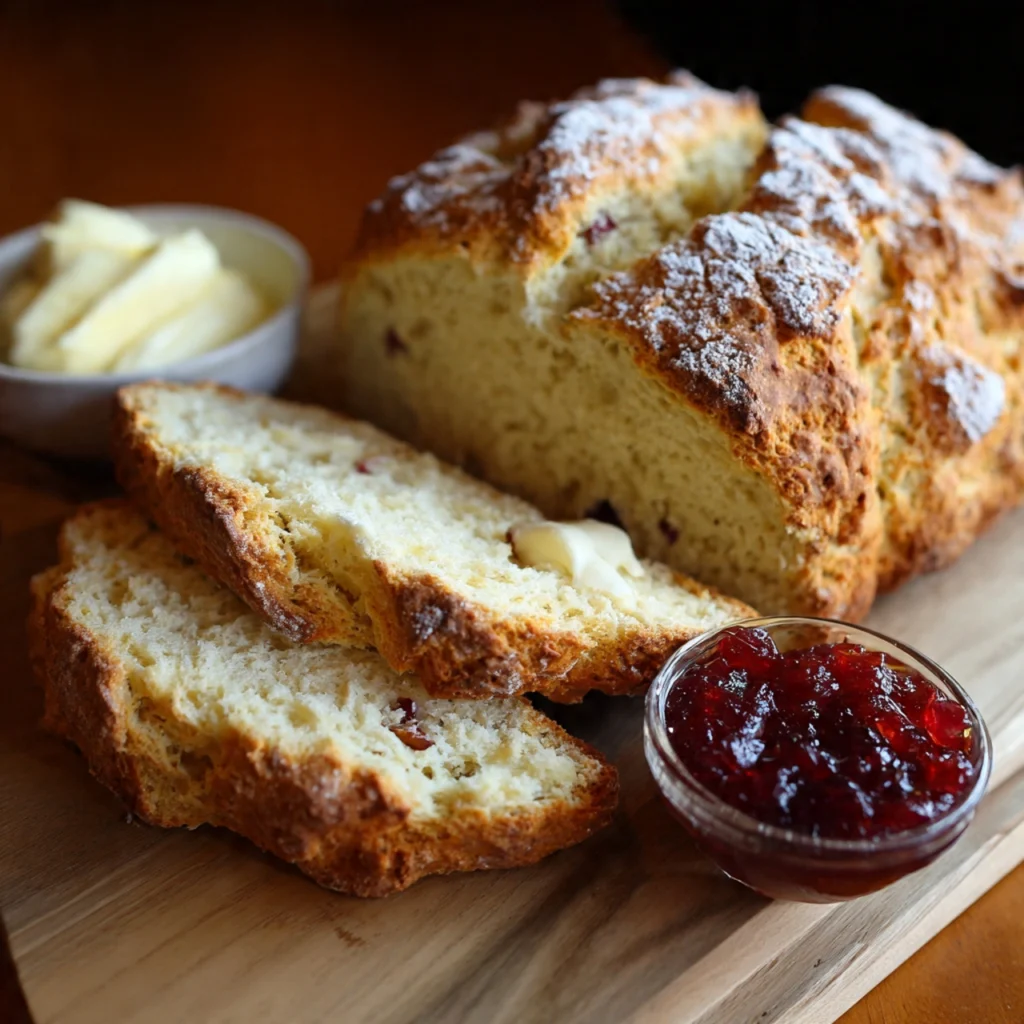
Classic Irish Style: Serve warm slices with salted butter and jam. Traditional Irish breakfast includes soda bread with butter, marmalade, and strong tea.
With Soup or Stew: Tear off chunks to dunk in Irish stew, beef and Guinness stew, or hearty vegetable soup. The sturdy texture soaks up broth beautifully without falling apart.
Toast It: Day-old soda bread makes exceptional toast. The slightly denser texture toasts beautifully, creating crispy edges and a tender center.
Make Sandwiches: Slice for sandwiches—particularly good with corned beef and mustard, or smoked salmon and cream cheese.
Bread Pudding: Use stale soda bread for bread pudding. The slight sweetness and dense texture work perfectly.
With Cheese: Serve alongside a cheese plate with sharp cheddar, aged gouda, and Irish cheeses.
Breakfast Toast: Toast and top with avocado, poached eggs, or cream cheese for a hearty breakfast.
Traditional Pairings
Irish Butter: Use proper Irish butter like Kerrygold for authentic flavor
Marmalade or Jam: Orange marmalade is traditional, but any jam works
Honey: Drizzle warm honey over buttered slices
Smoked Salmon: Top with cream cheese and smoked salmon for an elegant appetizer
Soup: Serve alongside any hearty soup or stew
Strong Tea: Traditional Irish breakfast tea is the classic beverage pairing
Frequently Asked Questions (FAQ)
1. Can I make Irish Soda Bread without buttermilk?
While buttermilk is traditional and provides the best flavor and texture, you can make a substitute: add 1¾ tablespoons lemon juice or white vinegar to regular milk to make 1¾ cups total, then let sit 5 minutes before using. This creates the acidity needed for the baking soda reaction, though the flavor won’t be quite as rich.
2. Why is my Irish Soda Bread dense and heavy?
Dense bread usually results from overmixing the dough, using old/expired baking soda, not enough liquid, or adding too much extra flour while shaping. Mix minimally, use fresh baking soda, and keep the dough quite soft. Also ensure your oven is properly preheated to 425°F for correct rise.
3. Can I make Irish Soda Bread ahead of time?
Irish Soda Bread is best eaten the day it’s baked. However, you can bake it the night before and store wrapped at room temperature, or bake and freeze for up to 3 months. Make the dough fresh—don’t try to make and refrigerate dough overnight, as the leavening reaction will be spent by morning.
4. What’s the difference between Irish Soda Bread and American soda bread?
Traditional Irish Soda Bread contains only four ingredients: flour, baking soda, salt, and buttermilk. American versions often add eggs, butter, sugar, and raisins, creating a richer, sweeter bread. Both are legitimate, but the traditional Irish version is simpler and less sweet.
5. Can I make this bread in a cast iron skillet?
Yes! A well-seasoned cast iron skillet creates a beautifully crusty bottom. Preheat the skillet in the oven, dust with flour, place the shaped dough in the hot skillet, score the top, and bake as directed. The cast iron provides excellent heat distribution for even baking.
6. Why did my bread not rise?
Poor rise usually means old/expired baking soda, overmixing the dough (which developed gluten that trapped the gas), or letting the mixed dough sit too long before baking (allowing the leavening gases to escape). Use fresh baking soda, mix minimally, and bake promptly.
7. Can I add other ingredients like herbs or cheese?
Yes! Irish Soda Bread is quite adaptable. Add shredded cheese, fresh herbs (rosemary, thyme), sun-dried tomatoes, or olives. Just don’t add so many mix-ins that you disrupt the dough structure. About 1 cup of add-ins maximum works well.
8. How do I know when the bread is done?
The bread should be deep golden brown, sound hollow when tapped on the bottom, and reach an internal temperature of 190-200°F. The cross on top should have opened up during baking. If you’re unsure, bake for an extra 5 minutes—slightly over-baked is better than under-baked.
Nutrition Information (Per Slice, Based on 12 Slices)
Calories: 145 kcal
Total Fat: 0.5g
- Saturated Fat: 0g
- Trans Fat: 0g
Cholesterol: 2mg
Sodium: 280mg
Total Carbohydrates: 31g
- Dietary Fiber: 1g
- Sugars: 2g
Protein: 5g
Vitamin A: 0% DV
Vitamin C: 0% DV
Calcium: 6% DV
Iron: 10% DV
Note: Nutrition information is approximate and based on traditional recipe without optional add-ins. Adding butter, sugar, or raisins will increase calories and fat. This is a simple, wholesome bread meant to be enjoyed as part of a balanced diet.
Conclusion: Your Irish Soda Bread Journey Starts Now
Irish Soda Bread proves that some of the best recipes are the simplest—four basic ingredients mixed together in ten minutes create bread that’s crusty, tender, and satisfying enough to earn its place as a beloved tradition passed down through generations. This isn’t complicated artisan baking; it’s honest, straightforward bread-making that produces real results from real ingredients without requiring special equipment or expertise.
What I treasure most about this recipe is how it democratizes bread-making. You don’t need a stand mixer, bread machine, or hours of rising time. You don’t need special skills or training. In just need flour, baking soda, salt, buttermilk, and an hour to create fresh, homemade bread that fills your kitchen with the most wonderful aroma and tastes infinitely better than anything store-bought.
Since mastering this recipe, fresh bread has become a regular occurrence in my kitchen rather than a special occasion production. The simplicity means I can decide at 5pm to have fresh bread with dinner at 6pm. The reliability means even on rushed evenings, I can produce something that makes the meal feel special.
The beauty is in how this bread connects us to history and tradition while remaining completely practical for modern life. Every loaf links us to generations of Irish home cooks who fed their families with this same simple recipe, creating something nourishing from the most basic ingredients available.
So grab that buttermilk, measure your flour, and prepare to discover why Irish Soda Bread has remained a beloved classic for centuries. Your journey to rustic, homemade bread starts now.
Happy baking!
PrintIrish Soda Bread: The No-Yeast Quick Bread That’s Ready in Under an Hour
This traditional Irish Soda Bread uses just 4 simple ingredients—flour, baking soda, salt, and buttermilk—to create a rustic loaf with a crispy crust and tender, cake-like crumb. No yeast, no kneading, and ready in under an hour. Perfect for St. Patrick’s Day or everyday meals!
- Prep Time: 10 minutes
- Cook Time: 40 minutes
- Total Time: 50 minutes
- Yield: 1 loaf (12 slices)
- Category: Bread, Quick Bread
- Method: Baking
- Cuisine: Irish
- Diet: Vegetarian
Ingredients
- 4 cups all-purpose flour (500g)
- 1 teaspoon baking soda
- 1 teaspoon salt
- 1¾ cups buttermilk (420ml)
Optional: 1 tablespoon sugar, ¼ cup raisins, 1 tablespoon caraway seeds, 2 tablespoons cold butter cubed
Instructions
- Preheat: Preheat oven to 425°F (220°C). Line baking sheet with parchment paper.
- Mix dry: Whisk flour, baking soda, and salt in large bowl until combined. Add optional sugar, raisins, or seeds if using.
- Add buttermilk: Make well in center. Pour in buttermilk. Stir with wooden spoon just until dough comes together into shaggy mass. Don’t overmix—dough should look rough.
- Shape: Turn onto lightly floured surface. With floured hands, gently pat into 7-8 inch round, 2 inches high. Place on prepared baking sheet.
- Score: Cut deep cross (X) into top, ½ inch deep, extending nearly to edges.
- Bake: Bake 35-45 minutes until deep golden brown and sounds hollow when tapped on bottom (internal temp 190-200°F).
- Cool: Transfer to wire rack. Cool minimum 15 minutes before slicing.
Notes
- Don’t overmix—stir just until combined
- Use fresh baking soda for proper rise
- Real buttermilk is essential (or use milk + vinegar substitute)
- Work quickly once wet meets dry
- Score deeply—at least ½ inch
- High heat (425°F) is essential for crust
- Tap test: bread should sound hollow when done
- Best eaten day of baking
- Store wrapped at room temp 2 days
- Freezes well for 3 months