Introduction
Garlic lemon chicken has earned its place as a weeknight dinner hero, transforming simple ingredients into something restaurant-worthy without requiring culinary school expertise or hours in the kitchen. This classic combination brings together the robust, aromatic punch of fresh garlic with the bright, tangy zip of lemon, creating a flavor profile that feels both comforting and sophisticated at the same time.
What makes this dish truly remarkable is its incredible versatility and forgiving nature. Whether you’re cooking for picky kids who need something familiar, impressing dinner guests with minimal effort, or simply treating yourself to a meal that tastes far more complicated than it actually is, garlic lemon chicken delivers every single time. The marriage of garlic and lemon isn’t just delicious—it’s practically magical in how these two ingredients enhance and complement each other while bringing out the natural flavors of the chicken.
I’ve spent years perfecting this Garlic Lemon Chicken recipe through countless iterations, testing different techniques, adjusting ratios, and learning from both spectacular successes and unfortunate failures. The version you’re about to discover represents the culmination of all that experimentation, distilled down to its most reliable, delicious form. It’s the recipe I turn to when I need dinner on the table fast but refuse to compromise on flavor, and it’s become the dish my family requests more than any other.
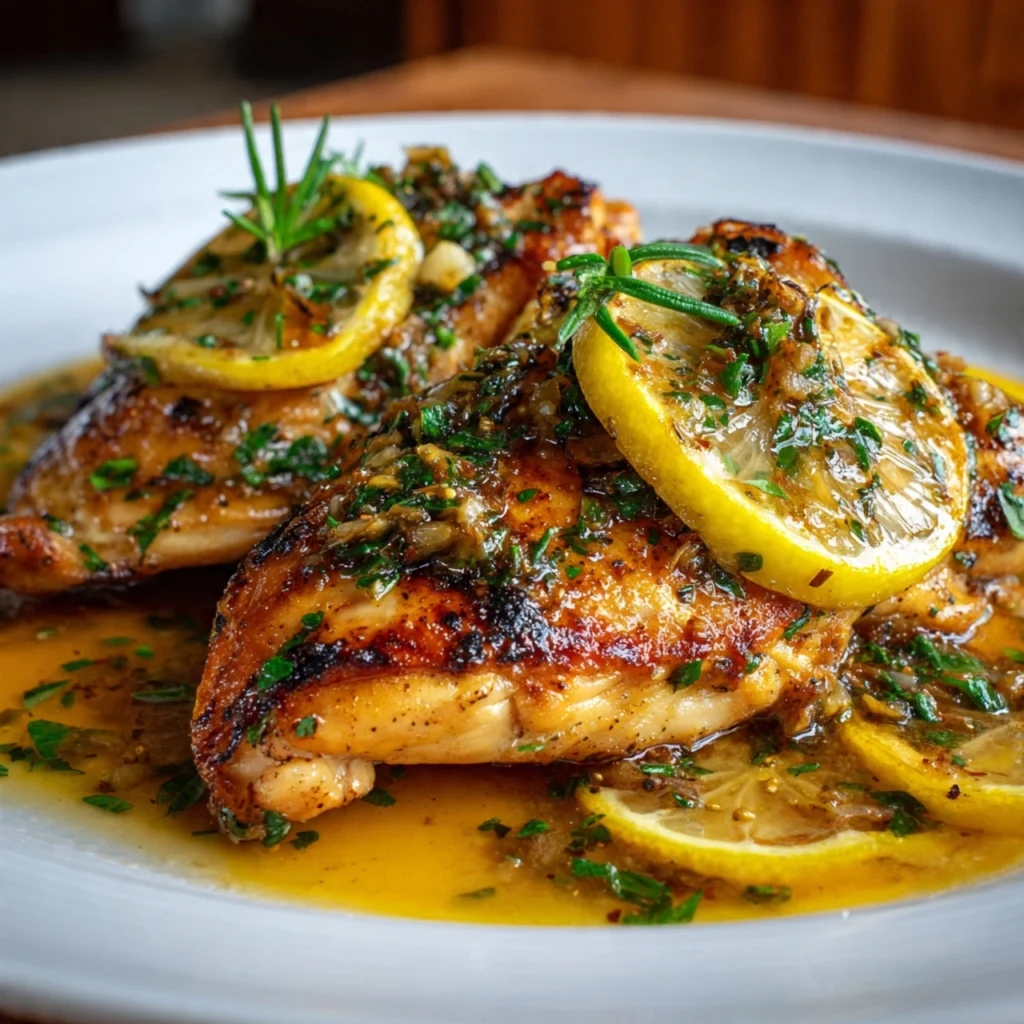
Ingredients
The beauty of garlic lemon chicken lies not just in its taste but in its adaptability. Serve it over pasta, alongside roasted vegetables, with fluffy rice, or tucked into warm pita bread—it works beautifully in virtually any context. The pan sauce that develops during cooking is liquid gold, perfect for drizzling over whatever side dish accompanies your meal. This isn’t just a Garlic Lemon Chicken recipe; it’s a technique you’ll return to again and again, making slight variations based on what’s in your pantry or what sounds good on any given evening.
For the Chicken:
- 4 boneless, skinless chicken breasts (about 1.5-2 pounds total, or use 6-8 thighs)
- 1 teaspoon salt
- ½ teaspoon black pepper
- ½ teaspoon paprika (sweet or smoked)
- 3 tablespoons all-purpose flour (for dredging, optional but recommended)
- 3 tablespoons olive oil (divided)
- 2 tablespoons butter (divided)
Garlic Lemon Chicken Sauce:
- 6-8 cloves garlic, minced (about 2 tablespoons)
- ¾ cup chicken broth (low sodium preferred)
- ⅓ cup fresh lemon juice (from 2-3 lemons)
- 1 tablespoon lemon zest (from 1 large lemon)
- 2 tablespoons capers (optional but adds great tang)
- 2 tablespoons fresh parsley, chopped
- 1 tablespoon honey (balances the acidity)
- 1 teaspoon Italian seasoning (or dried oregano)
- ¼ teaspoon red pepper flakes (optional, for heat)
For Finishing:
- 2 tablespoons cold butter (makes sauce glossy and rich)
- Fresh parsley for garnish
- Lemon slices for serving
- Extra black pepper to taste
Step-by-Step Instructions
Step 1: Prepare the Chicken
Start by bringing your chicken to room temperature, which takes about fifteen to twenty minutes. Cold chicken straight from the refrigerator cooks unevenly, with the outside overcooking before the center reaches a safe temperature. While the chicken warms, place each breast between two sheets of plastic wrap or parchment paper and gently pound them to an even thickness of about three-quarters of an inch using a meat mallet or heavy skillet. This crucial step ensures uniform cooking and prevents those dreaded dry, overcooked edges paired with undercooked centers.
Pat the chicken completely dry with paper towels—moisture is the enemy of browning. Season both sides generously with salt, pepper, and paprika, pressing the seasonings into the meat so they adhere properly. If using the flour for dredging (which I strongly recommend for a better crust and thicker sauce), spread it on a plate and lightly coat each chicken piece, shaking off any excess. The flour creates a beautiful golden crust and helps thicken the sauce later.
Step 2: Sear the Chicken to Golden Perfection
Heat a large skillet, preferably cast iron or stainless steel, over medium-high heat. Add two tablespoons of olive oil and one tablespoon of butter, swirling to coat the pan as the butter melts and begins to foam. This combination provides the best of both worlds—olive oil’s high smoke point prevents burning while butter adds incredible flavor and color.
Carefully place the chicken in the hot pan without overcrowding. You should hear an immediate sizzle—if you don’t, the pan isn’t hot enough yet. Let the chicken cook undisturbed for five to six minutes. Resist the urge to peek or move it around; this patience is rewarded with a gorgeous golden-brown crust. Flip the chicken and cook the second side for another five to six minutes until golden and cooked through (internal temperature should reach 165°F).
Transfer the cooked chicken to a clean plate and tent loosely with foil to keep warm. Don’t worry if the chicken isn’t completely cooked through yet—it will finish in the sauce. Actually, slightly undercooking at this stage prevents dry chicken later.
Step 3: Build the Flavor Base
Without wiping out the pan (those browned bits are pure flavor), reduce heat to medium and add the remaining tablespoon of olive oil. Add the minced garlic and sauté for just thirty to sixty seconds, stirring constantly. Garlic burns quickly and turns bitter, so keep a close eye on it. You want it fragrant and just beginning to turn golden, not brown.
If you’re using capers, add them now and let them sizzle in the garlicky oil for about thirty seconds. Capers add a briny, tangy dimension that beautifully complements the lemon.
Step 4: Deglaze and Create the Sauce
This is where magic happens. Pour in the chicken broth and immediately start scraping up all those delicious browned bits stuck to the bottom of the pan using a wooden spoon or spatula. This process, called deglazing, incorporates concentrated flavor directly into your sauce. Let the broth bubble vigorously for about two minutes, reducing slightly and concentrating the flavors.
Add the fresh lemon juice, lemon zest, honey, and Italian seasoning. Stir everything together and let it simmer for two to three minutes. The sauce should reduce by about one-third, becoming slightly thicker and more concentrated. Taste and adjust seasoning—you might want a pinch more salt, an extra squeeze of lemon, or a touch more honey depending on your lemons’ acidity and personal preference.
Step 5: Finish the Dish
Return the chicken to the pan along with any juices that accumulated on the plate. Spoon the sauce over the chicken, coating each piece generously. Let everything simmer together for three to four minutes, allowing the chicken to finish cooking if needed and absorbing some of that incredible sauce.
Remove the pan from heat and stir in the cold butter, one tablespoon at a time, swirling the pan until the butter melts completely and emulsifies into the sauce. This French technique called “mounting with butter” transforms a thin pan sauce into something luxuriously silky and restaurant-quality. Sprinkle with fresh parsley and give everything a final gentle toss.
Step 6: Serve with Style
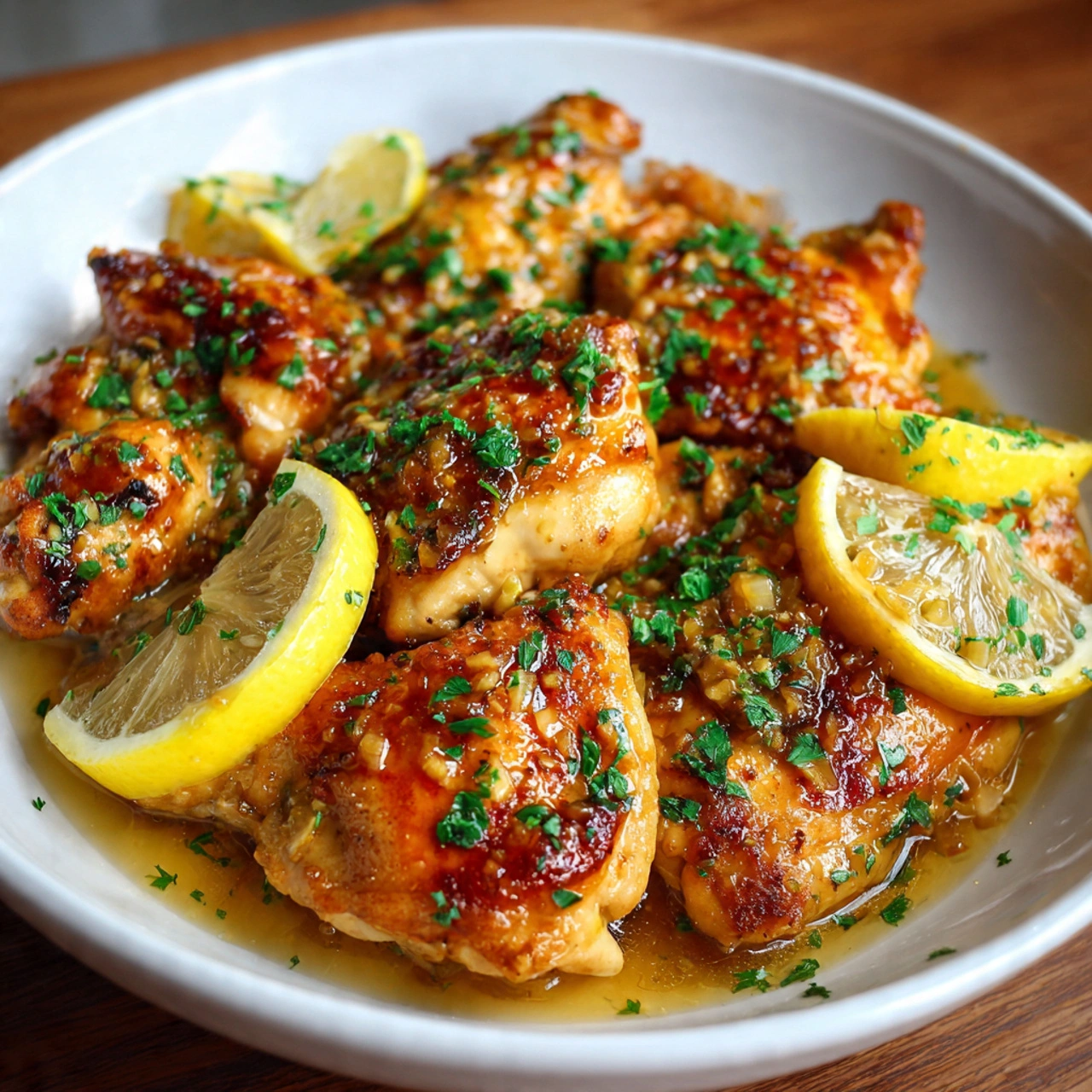
Transfer the chicken to serving plates or a platter, spooning extra sauce over the top. Garnish with fresh lemon slices and additional parsley. Serve immediately while everything is hot and the sauce is glossy and perfect.
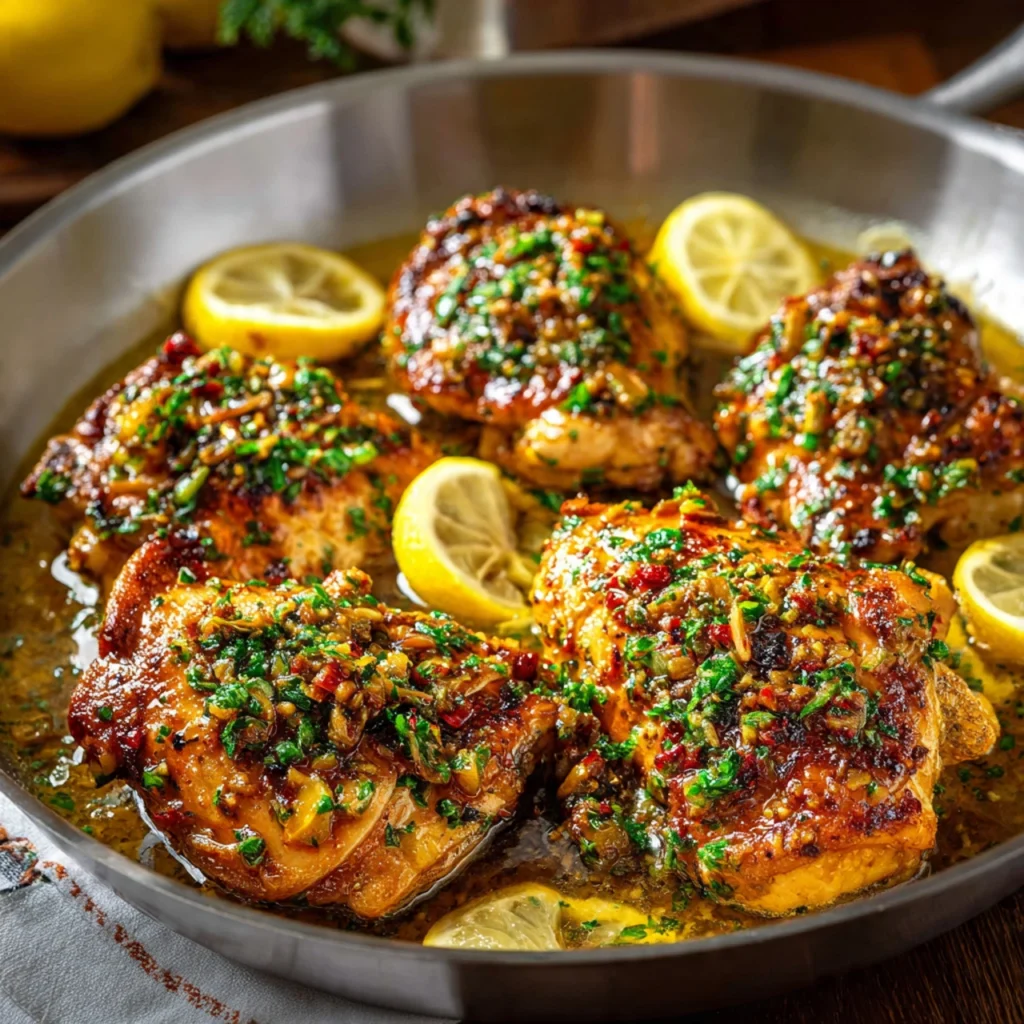
Pro Tips for the Perfect Garlic Lemon Chicken
Pound Your Chicken for Even Cooking
This bears repeating because it’s absolutely critical: chicken breasts vary dramatically in thickness, with the thick end often twice as substantial as the thin end. Pounding creates uniform thickness, which means perfectly cooked chicken throughout rather than dry edges and undercooked centers. It also tenderizes the meat slightly and helps it cook faster.
Don’t Skip the Flour Dredge
While technically optional, that light coating of flour serves multiple purposes beyond creating a beautiful crust. It forms a barrier that keeps moisture inside the chicken, helps the seasonings adhere better, and most importantly, thickens the sauce naturally as it cooks. The result is a sauce that clings to the chicken rather than pooling on the plate.
Use Fresh Lemon Juice, Never Bottled
Bottled lemon juice tastes flat, artificial, and bitter compared to freshly squeezed juice. Fresh lemons provide bright, complex acidity with natural sweetness and aromatic oils from the zest that bottled versions simply cannot replicate. Keep lemons at room temperature and roll them firmly on the counter before juicing to extract maximum juice.
Add Zest for Maximum Lemon Flavor
The yellow part of lemon peel contains intensely aromatic oils that provide pure lemon essence without additional acidity. When zesting, avoid the white pith underneath, which is bitter. A microplane grater makes this easy and creates fine, evenly distributed zest that incorporates seamlessly into the sauce.
Control Garlic Intensity with Timing
Raw garlic is sharp and pungent, while cooked garlic mellows into sweet, nutty richness. By adding garlic after removing the chicken, you prevent it from burning during the initial searing. Sautéing it for just sixty seconds in hot oil releases flavor without developing bitterness. For even more garlic punch, add half the minced garlic with the sauce in Step 4.
Choose the Right Pan
Cast iron and stainless steel skillets develop the best fond (those browned bits) and can handle high heat without issue. Nonstick pans don’t brown as effectively and can’t achieve the same depth of flavor through the deglazing process. If you must use nonstick, expect lighter color and slightly less complex sauce.
Rest Your Chicken Before Slicing
If you’re planning to slice the chicken for serving over pasta or salads, let it rest for five minutes after cooking. This allows juices to redistribute throughout the meat rather than running out onto the cutting board, ensuring moist, tender results.
Common Garlic Lemon Chicken Mistakes to Avoid
Overcrowding the Pan
Cramming all four chicken breasts into a too-small skillet drops the pan temperature dramatically, causing the chicken to steam rather than sear. This results in pale, rubbery exteriors instead of golden, crispy crusts. Use a large twelve-inch skillet or cook in batches if necessary, keeping the first batch warm in a low oven.
Cooking Chicken Straight from the Refrigerator
Cold chicken hits a hot pan and the exterior overcooks before the interior comes to temperature. Always let chicken sit at room temperature for fifteen to twenty minutes before cooking. This simple step ensures even cooking throughout and more tender results.
Moving the Chicken Too Much
When chicken first hits the hot pan, it will stick slightly. This is normal and actually desired—it’s forming that flavorful crust. If you try to flip too early, the chicken will tear and stick badly. Wait until it releases naturally, which happens once a proper crust forms. If it’s not releasing easily, give it another minute.
Burning the Garlic
Garlic transforms from perfect to bitter in seconds. Always add garlic to a pan that’s not screaming hot, stir constantly, and have your liquids ready to add immediately. If garlic does burn, unfortunately there’s no fixing it—you’ll need to wipe out the pan and start fresh with new garlic.
Using Too Much or Too Little Lemon
Balance is everything in this dish. Too much lemon juice and the sauce becomes puckering-ly tart; too little and it tastes flat. Start with the recommended amount, then taste and adjust. Remember that you can always add more lemon, but you can’t take it out once it’s in there.
Forgetting to Deglaze Properly
Those brown bits stuck to the pan aren’t burnt food—they’re concentrated flavor. Scraping them up with your liquid is essential for developing complex, restaurant-quality sauce. Use a wooden spoon or spatula and be thorough, getting into the corners and edges where fond likes to accumulate.
Overcooking the Chicken
Chicken breasts are lean and unforgiving when overcooked, becoming dry and stringy. Use an instant-read thermometer to ensure you pull them from the heat at exactly 165°F. Remember that carryover cooking will raise the temperature a few degrees as the chicken rests.
Storage and Serving Suggestions For Garlic Lemon Chicken
Storing Leftovers Properly
Cool the chicken completely before storing to prevent condensation and bacterial growth. Place chicken and sauce in an airtight container in the refrigerator for up to four days. For best results, store the chicken and sauce separately if possible—this prevents the chicken from becoming too soft from sitting in the acidic sauce.
Reheating Without Drying Out
The microwave is convenient but tends to dry out chicken. Instead, reheat gently in a covered skillet over medium-low heat with a splash of chicken broth or water to reconstitute the sauce. This takes just five to seven minutes and maintains the chicken’s moisture and the sauce’s silky consistency. Alternatively, reheat covered in a 325°F oven for about fifteen minutes.
Freezing for Future Meals
This dish freezes reasonably well for up to three months, though the texture of the chicken may be slightly less tender after freezing. Cool completely, transfer to freezer-safe containers or bags, and freeze flat for efficient storage. Thaw overnight in the refrigerator before reheating. The sauce may separate slightly after freezing; just whisk it back together while reheating.
Garlic Lemon Chicken Serving Ideas
The versatility of garlic lemon chicken means it pairs beautifully with countless sides:
Starches: Serve over angel hair pasta, fluffy white rice, buttery mashed potatoes, creamy polenta, or roasted baby potatoes. The sauce is meant to be soaked up, so don’t skip a starch.
Vegetables: Roasted asparagus, sautéed green beans, steamed broccoli, roasted Brussels sprouts, or a simple arugula salad dressed with olive oil and lemon all complement the bright flavors perfectly.
Bread: Crusty baguette, garlic bread, or warm pita are essential for mopping up every drop of that incredible sauce.
Complete Meals: Transform into a grain bowl with quinoa, chickpeas, cucumber, and tzatziki. Slice and stuff into sandwiches with arugula and sun-dried tomatoes. Dice and toss with pasta, cherry tomatoes, and feta for a Mediterranean pasta salad.
Wine Pairing Recommendations
The bright acidity and garlic in this dish pair beautifully with crisp white wines. Sauvignon Blanc is the classic choice, its herbaceous notes complementing the lemon perfectly. Pinot Grigio offers a lighter option, while unoaked Chardonnay provides richness that matches the butter in the sauce. For red wine lovers, a light Pinot Noir won’t overpower the delicate chicken.
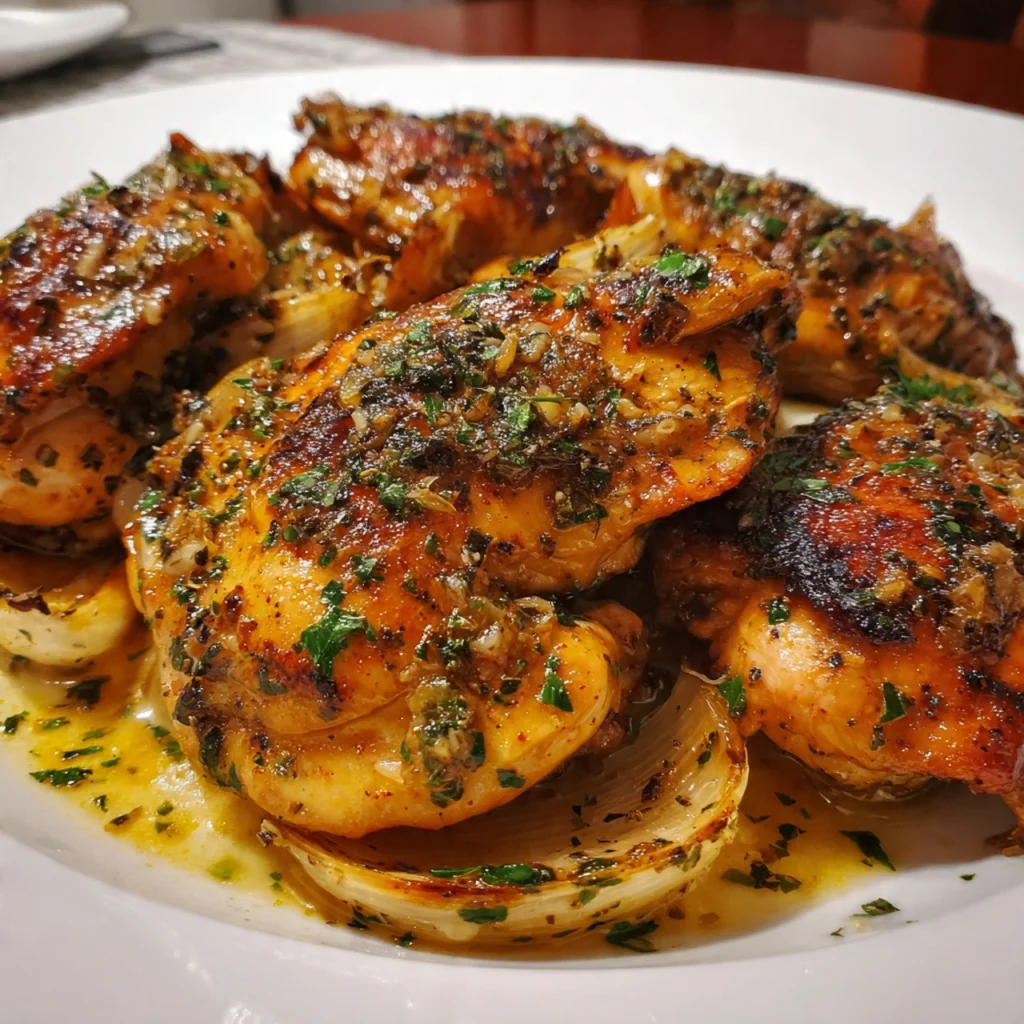
Garlic Lemon Chicken Recipe FAQ
Can I use chicken thighs instead of breasts?
Absolutely! Chicken thighs are more forgiving and harder to overcook due to their higher fat content. They also have richer flavor that many people prefer. Use boneless, skinless thighs and follow the same technique, though they may need an extra minute or two of cooking time. The internal temperature should still reach 165°F.
What if I don’t have fresh lemons?
While fresh is always best, you can use bottled lemon juice in a pinch—you’ll need about one-third cup. However, you’ll lose the aromatic zest and some of the bright, complex flavor. Consider adding a bit of lemon extract (just a few drops) to compensate for the missing essential oils, and maybe a touch more honey to balance any bitterness from bottled juice.
Can I make this dish ahead of time?
The chicken is best cooked and served immediately for optimal texture, but you can prep components ahead. Pound and season the chicken in the morning, keeping it refrigerated. Mince the garlic, juice the lemons, and measure out ingredients. Then actual cooking takes only twenty-five minutes. If you must cook ahead completely, slightly undercook the chicken since reheating will cook it further.
How do I know when the chicken is fully cooked without a thermometer?
While an instant-read thermometer is the most reliable method (165°F at the thickest part), you can also cut into the thickest part of one breast—the juices should run clear, not pink, and the meat should be white throughout with no translucent areas. The chicken should feel firm to the touch but still have some give, not rigid.
Can I make this Garlic Lemon Chicken recipe dairy-free?
Yes! The butter adds richness and helps emulsify the sauce, but you can substitute additional olive oil or use dairy-free butter alternatives. The dish will be slightly less rich but still delicious. Make sure your chicken broth is also dairy-free, as some brands contain butter or milk solids.
Why is my sauce too thin or too thick?
Sauce consistency depends on several factors: how much the liquid reduces, whether you used flour on the chicken, and how much butter you added at the end. For thicker sauce, let it reduce longer before returning the chicken, or whisk in a slurry of one teaspoon cornstarch mixed with one tablespoon cold water. For thinner sauce, add a few tablespoons of chicken broth or white wine.
Can I add vegetables to the pan?
Definitely! After removing the cooked chicken, you can sauté sliced mushrooms, cherry tomatoes, spinach, or artichoke hearts in the pan before making the sauce. Just be aware that vegetables release moisture, which will thin your sauce, so you may need to reduce it a bit longer or add vegetables at the end to prevent overcooking them.
Nutrition Information (Approximate Values per Serving)
Serving Size: 1 chicken breast with sauce (based on 4 servings)
- Calories: 320
- Total Fat: 16g
- Saturated Fat: 6g
- Trans Fat: 0g
- Cholesterol: 125mg
- Sodium: 520mg
- Total Carbohydrates: 8g
- Dietary Fiber: 1g
- Sugars: 4g
- Protein: 36g
- Vitamin A: 8% DV
- Vitamin C: 25% DV
- Calcium: 3% DV
- Iron: 8% DV
Note: Nutrition information is approximate and will vary based on specific ingredients used, portion sizes, and whether you use chicken breasts or thighs. Values do not include side dishes or accompaniments.
Conclusion
There’s a reason garlic lemon chicken has remained a beloved classic across cultures and generations—it simply works. The combination of aromatic garlic, bright lemon, and tender chicken creates something far greater than the sum of its parts, delivering restaurant-quality results without requiring advanced cooking skills or obscure ingredients. It’s proof that sometimes the simplest approaches yield the most satisfying results.
What I love most about this Garlic Lemon Chicken recipe is how it respects your time while refusing to compromise on flavor. In less than forty minutes from start to finish, you can have an elegant meal on the table that looks and tastes like you spent hours in the kitchen. The technique you’ll learn here—building a pan sauce from fond, balancing acidity with richness, finishing with butter—extends far beyond this single recipe and will serve you well in countless other cooking adventures.
This dish has become a reliable favorite in my kitchen rotation, and I suspect it will in yours too. It’s the Garlic Lemon Chicken recipe I turn to when I need something quick but special, when I want to impress without stress, or when I simply crave the comforting combination of garlic and lemon with perfectly cooked chicken. The versatility means it never gets boring—change up the sides, adjust the seasonings slightly, or add vegetables to the pan, and you have an entirely different meal experience.
So heat up that skillet, grab some fresh lemons and garlic, and get ready to create something delicious. Your family, your taste buds, and your weeknight dinner routine will thank you. Happy cooking!
Print6 Easy Steps to Mouthwatering Garlic Lemon Chicken Tonight
This garlic lemon chicken recipe transforms simple ingredients into an elegant, restaurant-quality meal in just thirty minutes. Juicy chicken breasts are pan-seared to golden perfection, then finished in a bright, tangy sauce made with fresh lemon juice, aromatic garlic, and rich butter. The result is tender, flavorful chicken with a silky sauce that begs to be soaked up with bread, pasta, or rice. Perfect for busy weeknights yet impressive enough for entertaining, this Mediterranean-inspired dish delivers maximum flavor with minimal effort.
- Prep Time: 15 minutes
- Cook Time: 20 minutes
- Total Time: 25 minutes
- Yield: 4 servings
- Category: Main Course, Dinner, Lunch
- Method: Pan-Seared, Sautéed
- Cuisine: Mediterranean, Italian-American
- Diet: Gluten Free
Ingredients
For the Chicken:
- 4 boneless, skinless chicken breasts (1.5-2 pounds)
- 1 teaspoon salt
- ½ teaspoon black pepper
- ½ teaspoon paprika
- 3 tablespoons all-purpose flour
- 3 tablespoons olive oil, divided
- 2 tablespoons butter, divided
For the Sauce:
- 6-8 cloves garlic, minced
- ¾ cup chicken broth
- ⅓ cup fresh lemon juice
- 1 tablespoon lemon zest
- 2 tablespoons capers (optional)
- 2 tablespoons fresh parsley, chopped
- 1 tablespoon honey
- 1 teaspoon Italian seasoning
- ¼ teaspoon red pepper flakes (optional)
For Finishing:
- 2 tablespoons cold butter
- Fresh parsley and lemon slices for garnish
Instructions
- Pound chicken breasts to even thickness (about ¾ inch). Pat dry and season both sides with salt, pepper, and paprika. Lightly dredge in flour, shaking off excess.
- Heat 2 tablespoons olive oil and 1 tablespoon butter in a large skillet over medium-high heat until shimmering.
- Add chicken and cook undisturbed for 5-6 minutes until golden brown. Flip and cook another 5-6 minutes until cooked through (165°F internal temperature). Transfer to a plate and tent with foil.
- Reduce heat to medium and add remaining 1 tablespoon olive oil. Add minced garlic and capers (if using), sautéing for 30-60 seconds until fragrant but not browned.
- Pour in chicken broth and scrape up any browned bits from the pan bottom. Let simmer for 2 minutes to reduce slightly.
- Add lemon juice, lemon zest, honey, and Italian seasoning. Simmer for 2-3 minutes until sauce reduces by about one-third.
- Return chicken to the pan along with any accumulated juices. Spoon sauce over chicken and simmer together for 3-4 minutes.
- Remove from heat and stir in cold butter one tablespoon at a time until melted and sauce is glossy.
- Garnish with fresh parsley and lemon slices. Serve immediately with your choice of sides.
Notes
- Pounding chicken to even thickness is crucial for uniform cooking
- Don’t skip the flour dredge—it creates a better crust and thickens the sauce naturally
- Use freshly squeezed lemon juice for best flavor; bottled juice tastes flat
- Watch garlic carefully to prevent burning and developing bitter flavor
- Sauce should be glossy and slightly thickened, not watery or overly thick
- For dairy-free version, substitute olive oil for all butter
- Chicken thighs can be substituted and are more forgiving if slightly overcooked
- Leftovers keep refrigerated for up to 4 days; reheat gently to prevent drying out
- For meal prep, slightly undercook chicken as it will cook further when reheated