Introduction: Why Dandelion Flower Jelly Recipe Is the Ultimate Foraging Project
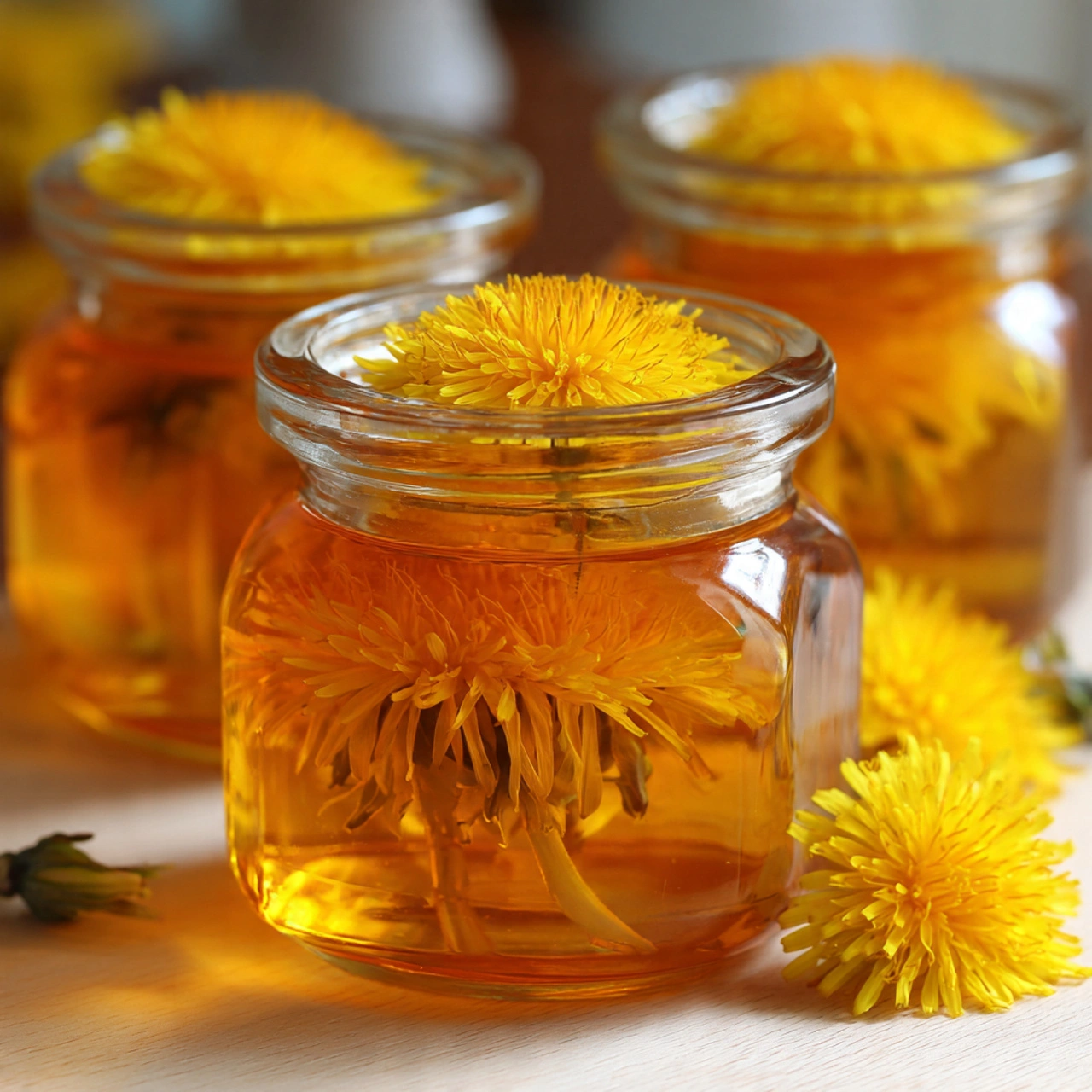
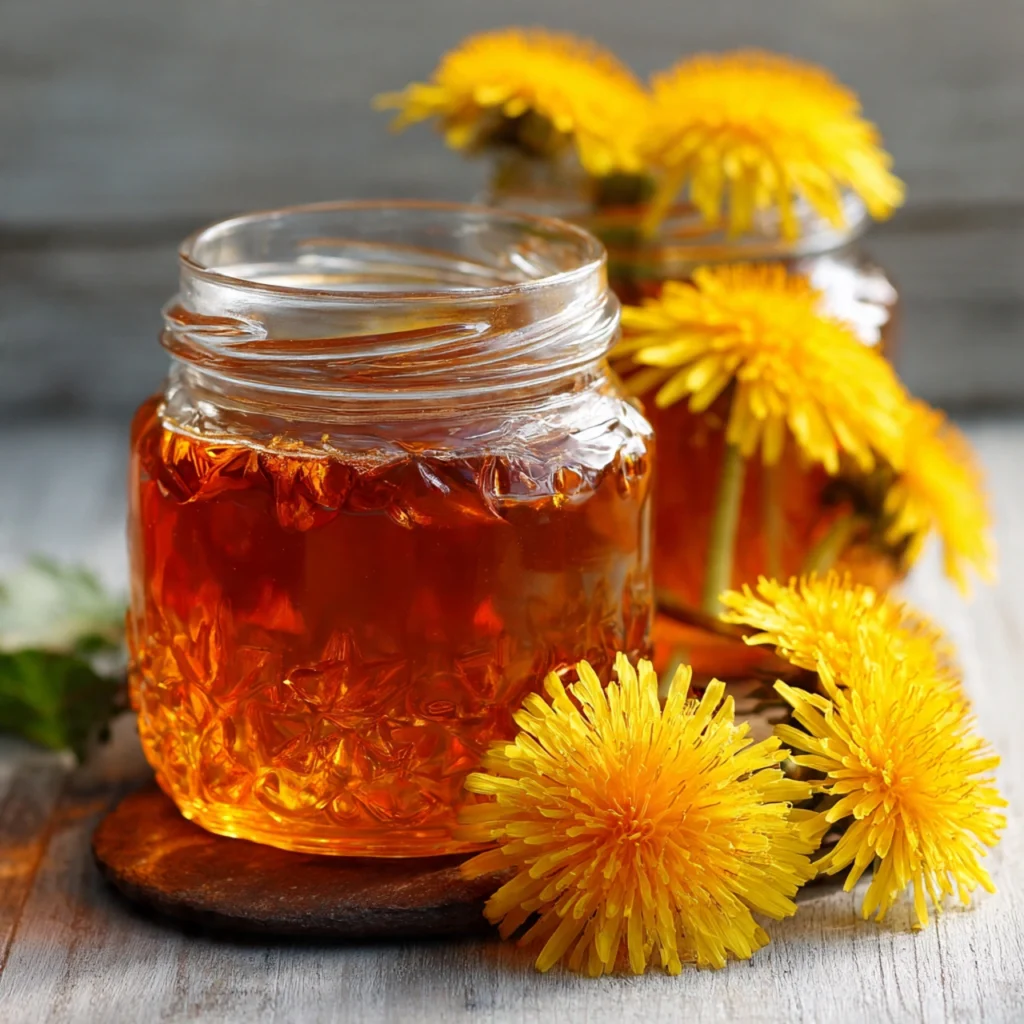
Dandelion Flower Jelly Recipe is the kind of preserving project that transforms what most people consider annoying lawn weeds into delicate, honey-flavored jelly with a gorgeous golden color—making something genuinely delicious and beautiful from ingredients that are completely free and abundant in nearly every yard during spring and early summer. I first made this jelly after reading about Depression-era recipes where resourceful cooks used whatever nature provided, and that first taste—sweet, floral, with subtle honey notes and zero bitterness—completely changed how I viewed those cheerful yellow flowers dotting my lawn.
What makes Dandelion Flower Jelly Recipe genuinely special is how it connects you to traditional foodways while creating something unique and conversation-starting. Most people have never tasted dandelion jelly, making it a fascinating gift or brunch offering that generates genuine curiosity.
Beyond tasting surprisingly delicious, making dandelion jelly offers practical advantages. The “ingredients” are free and abundant—dandelions grow prolifically in lawns, fields, and roadsides everywhere. This makes it an economical preserving project that requires no grocery shopping for the main ingredient.
I’ve made countless batches of dandelion jelly over the years, gifting jars to curious friends, serving it at brunches where it always generates conversation, and keeping several jars for my own breakfast table. Each batch connects me to the seasons and reminds me that food can come from unexpected sources if you’re willing to look at familiar things in new ways.
The process involves foraging dandelion flowers, steeping them to make “dandelion tea,” straining, adding sugar and pectin, and processing in a water bath canner. While it takes time, the actual hands-on work is minimal, and the result is truly special jelly you can’t buy anywhere.
Ready to turn your lawn into a source of delicious homemade jelly?
Ingredients: What You’ll Need for Perfect Dandelion Flower Jelly
For the Dandelion Infusion
- 4 cups fresh dandelion flowers (just the yellow petals, tightly packed) – The star ingredient
- 4 cups water – Creates the infusion
- 2 tablespoons fresh lemon juice – Brightens flavor and aids setting
For the Jelly
- 3 cups dandelion flower infusion (strained) – Flavored liquid base
- 1 package (1.75 oz) powdered pectin – Creates gel
- 4½ cups granulated sugar – Sweetness and preservation
- 2 tablespoons lemon juice – Additional brightness
Equipment Needed
- Large basket or bowl (for collecting flowers)
- Large pot (for making infusion)
- Fine-mesh strainer or cheesecloth
- Large, heavy-bottomed pot (for making jelly)
- Wooden spoon
- Water bath canner or large stockpot
- Canning jars (half-pint or pint size)
- New canning lids and rings
- Jar lifter and canning funnel
- Clean kitchen towels
Step-by-Step Instructions: Creating Perfect Dandelion Flower Jelly
Step 1: Forage the Dandelion Flowers (30-60 minutes)
Choose dandelions from areas that haven’t been treated with pesticides or herbicides—your own untreated lawn, a friend’s organic yard, or wild areas away from roadsides. Avoid areas where dogs frequently walk.
Pick fully open, bright yellow flowers on a sunny day when they’re completely dry (no dew or rain). You want flowers in full bloom—not buds or flowers going to seed.
You’ll need about 4 cups of just the yellow petals, tightly packed. This requires harvesting quite a few flowers—plan on collecting a large basket full. It’s actually a lovely, meditative activity on a spring morning.
Step 2: Prepare the Flowers (20 minutes)
This is the most time-consuming step but essential for good-tasting jelly. You need to remove all the green parts—the sepals (green base) and any stem. The green parts are extremely bitter and will ruin your jelly if included.
Hold each flower and pull or snip off just the yellow petals. Some people use scissors to snip the petals right at the green base. Discard all green parts. This is tedious but necessary.
Once you have 4 cups of just yellow petals (no green), rinse them gently in a colander to remove any insects or debris. Let drain.
Step 3: Make the Dandelion Infusion (Overnight)
Place the cleaned yellow petals in a large pot. Add 4 cups of water and 2 tablespoons of lemon juice.
Bring to a boil over high heat, then immediately reduce heat and simmer for 3 minutes. Remove from heat.
Cover the pot and let the flowers steep for at least 8 hours or overnight at room temperature. This long steeping extracts maximum flavor and color from the petals. The liquid will turn golden.
Step 4: Strain the Infusion (10 minutes)
After steeping, strain the liquid through a fine-mesh strainer or several layers of cheesecloth, pressing on the flowers to extract all liquid. Discard the spent petals.
Measure the liquid. You need exactly 3 cups for this recipe. If you have more, save the extra for another batch or discard it. If you have less, add water to make 3 cups.
The infusion should be golden yellow and smell pleasantly floral. This is your “dandelion tea” that will become jelly.
Step 5: Prepare Jars and Canner (15 minutes)
Wash canning jars in hot, soapy water and rinse well. Keep them hot by placing in your water bath canner filled with water and heating to a simmer, or by running through the dishwasher and keeping hot.
Place new lids in a small bowl and cover with boiling water. Let sit until ready to use. The rings can be washed and air-dried.
Fill your water bath canner with enough water to cover jars by 1-2 inches. Begin heating the water.
Step 6: Make the Jelly (20 minutes)
In a large, heavy-bottomed pot, combine the 3 cups of dandelion infusion with the powdered pectin. Stir well to dissolve the pectin.
Bring to a full, rolling boil over high heat, stirring frequently.
Add all 4½ cups of sugar at once. Stir to dissolve, then bring back to a full, rolling boil (a boil that can’t be stirred down). Boil hard for 1-2 minutes, stirring constantly.
Remove from heat. Skim off any foam with a spoon.
Test for gel point: Place a small amount on a cold plate and place in freezer for 1 minute. Run your finger through it—if it wrinkles and separates, it’s ready. If still liquid, boil another minute and test again.
Step 7: Fill and Process Jars (30 minutes)
Remove hot jars from the canner. Using a canning funnel, ladle hot jelly into jars, leaving ¼ inch headspace at the top.
Wipe the rims of the jars with a clean, damp cloth to remove any jelly drips. Place a hot lid on each jar, then screw on a ring until fingertip-tight (don’t over-tighten).
Using a jar lifter, carefully place filled jars into the water bath canner. Make sure water covers jars by 1-2 inches. Bring water to a full, rolling boil.
Process jars in boiling water for 5 minutes (adjusting for altitude if necessary). Start timing when water returns to a full boil.
After processing, turn off heat and let jars sit in canner for 5 minutes before removing.
Step 8: Cool and Check Seals (12-24 hours)
Carefully remove jars from canner using jar lifter and place on a clean kitchen towel on the counter. Don’t tilt jars. Let cool undisturbed for 12-24 hours.
You should hear the satisfying “ping” sound as jars seal. After cooling completely, check seals by pressing the center of each lid. If it doesn’t flex up and down, it’s sealed. If it pops, it didn’t seal—refrigerate and use within 3 weeks.
Remove rings (they can rust if left on), label jars with contents and date, and store in a cool, dark place for up to 1 year.
Pro Tips for the Perfect Dandelion Flower Jelly
Tip 1: Forage Responsibly and Safely
Only collect dandelions from areas you know haven’t been treated with chemicals. Your own untreated lawn is ideal. Avoid roadsides (car exhaust), dog parks, and golf courses. If you’re not sure about an area, don’t forage there. Safety first.
Tip 2: Remove ALL Green Parts
This cannot be emphasized enough. Every bit of green creates bitterness. Take the time to remove all sepals and stems, using only the yellow petals. Yes, it’s tedious. Yes, it’s necessary. This step determines whether your jelly tastes delicate and sweet or bitter and unpleasant.
Tip 3: Use Powdered Pectin for Best Results
Liquid and powdered pectin are not interchangeable in recipes. This recipe is formulated for powdered pectin specifically. Using liquid pectin or attempting to make this without pectin will result in dandelion syrup instead of jelly.
Tip 4: The Full Rolling Boil is Essential
A “full rolling boil” means vigorous bubbling that continues even when you stir. This is crucial for activating the pectin and creating proper gel. Don’t skip or shorten the hard boil time—your jelly won’t set properly.
Tip 5: Steeping Time Affects Color and Flavor
Longer steeping creates deeper color and stronger flavor. The minimum is 8 hours, but 12-24 hours creates more intensely flavored jelly. Don’t steep longer than 24 hours or the flavor can become too strong or develop off-notes.
Tip 6: Test for Gel Point
Don’t assume the jelly will set just because you boiled it. Always test with the cold plate method. Under-set jelly is syrupy; over-boiled jelly becomes stiff and can develop sugar crystals. Testing ensures perfect consistency.
Tip 7: Process in Water Bath for Safety
Even though this is a high-sugar preserve, proper water bath canning ensures safe storage at room temperature for a full year. Don’t skip processing or you’ll need to refrigerate and use within weeks.
Tip 8: Collect Flowers in Peak Condition
Wilted, rain-soaked, or partially closed flowers don’t create as flavorful an infusion. Harvest on a sunny morning after dew has dried, choosing flowers in full, vibrant bloom. Quality flowers make quality jelly.
Common Mistakes to Avoid When Making Dandelion Flower Jelly
Mistake 1: Including Green Parts
The most common error is not removing all green sepals and stems. Even a little green creates bitter jelly. Take the time to meticulously remove every bit of green, using only the yellow petals. This tedious step is what separates excellent jelly from disappointing bitterness.
Mistake 2: Harvesting from Treated Lawns
Foraging dandelions from lawns or areas treated with pesticides or herbicides is dangerous. Always verify the area is chemical-free. When in doubt, don’t harvest. Your safety is more important than free ingredients.
Mistake 3: Not Measuring Infusion Accurately
The recipe requires exactly 3 cups of dandelion infusion. Too much liquid creates jelly that won’t set; too little creates overly stiff jelly. Measure carefully and adjust with water if needed.
Mistake 4: Skipping the Gel Test
Assuming the jelly is set just because you boiled it for the specified time is risky. Conditions vary—humidity, exact heat level, altitude all affect setting. Always test on a cold plate to confirm gel point.
Mistake 5: Boiling Too Long
Over-boiling after adding sugar creates jelly that’s too stiff and can crystallize during storage. Once you reach gel point, remove from heat immediately. Prolonged boiling doesn’t improve gel—it ruins texture.
Mistake 6: Improper Water Bath Processing
Shortcuts in canning create safety risks. Don’t skip processing, don’t under-process, and make sure water covers jars completely. Proper canning technique ensures safe, shelf-stable preserves.
Mistake 7: Disturbing Jars While Cooling
Moving or tilting jars while they’re still hot can prevent proper sealing. Place them on a towel in a draft-free spot and leave them completely undisturbed for 12-24 hours. Patience prevents seal failures.
Mistake 8: Using Old or Damaged Equipment
Cracked jars, rusty rings, or old lids (which can’t be reused) compromise safety. Always use new lids for each canning session and inspect jars and rings for damage before using.
Storage and Serving Suggestions for Dandelion Flower Jelly
How to Store
Sealed Jars: Properly processed and sealed jars store in a cool, dark place (pantry or cellar) for up to 1 year. Direct light can fade the golden color.
Opened Jars: Once opened, store in the refrigerator for up to 3 months. Always use clean utensils to prevent contamination.
Failed Seals: If a jar doesn’t seal, refrigerate immediately and use within 3 weeks, or reprocess within 24 hours with a new lid.
Freezing: While not traditional, you can freeze dandelion jelly in freezer-safe containers for up to 1 year if you prefer to skip canning.
Serving Suggestions For Dandelion Flower Jelly
On Toast or Biscuits: The classic use—spread on warm buttered toast, English muffins, or homemade biscuits for breakfast.
With Cheese: Dandelion jelly pairs beautifully with sharp cheddar, aged gouda, or creamy goat cheese on a cheese board.
On Pancakes or Waffles: Use as a unique syrup alternative for pancakes, waffles, or French toast.
In Tea: Stir a spoonful into hot tea for natural sweetness and floral flavor.
Glaze for Meat: Melt and use as a glaze for pork chops, chicken, or ham for a sweet-savory combination.
Gift Giving: Homemade dandelion jelly in pretty jars with fabric toppers makes thoughtful, unique gifts that start conversations.
PB&J Sandwiches: Use in place of regular jelly for unique peanut butter and dandelion jelly sandwiches.
Fun Facts About Dandelion Jelly
- Historical Recipe: Dandelion jelly was popular during the Great Depression when people used free, foraged ingredients
- Surprisingly Sweet: Despite coming from “weeds,” the flavor is delicate and honey-like, not bitter
- Nutritional Benefits: Dandelions are rich in vitamins A, C, and K
- Zero Waste: Uses something most people try to eliminate from their lawns
- Conversation Starter: Guests are always fascinated by jelly made from dandelions
Frequently Asked Questions (FAQ)
1. Is dandelion jelly safe to eat?
Yes! When made from dandelions harvested from untreated areas and properly canned, dandelion jelly is completely safe. Dandelions are edible plants that have been consumed for thousands of years. The key is ensuring your dandelions come from chemical-free areas.
2. What does dandelion jelly taste like?
Dandelion jelly has a delicate, floral flavor similar to honey but with its own unique character. It’s sweet with subtle floral notes and no bitterness when made correctly (removing all green parts). Many people describe it as tasting like “liquid sunshine” or “honey with flowers.”
3. Can I make dandelion jelly without pectin?
Traditional jelly requires pectin to gel properly. Without added pectin, you’d need to use methods like adding apple pectin or cooking for extremely long times, which would affect flavor. For reliable, consistent results, use powdered pectin as directed.
4. Do I have to remove every single green part?
Yes, absolutely. Even small amounts of green create noticeable bitterness. The tedious task of removing all sepals and stems is essential for delicate, sweet-tasting jelly. This is the most important step—don’t skip or rush it.
5. Can I use dandelions from my lawn if I haven’t used chemicals in a year?
Generally yes, though it depends on the chemicals used and how long they persist. To be safest, wait at least 2-3 years after any chemical treatment before foraging. If you’re uncertain, choose a different location or start a small area of your lawn as a dedicated foraging zone.
6. Why didn’t my jelly set?
Common causes: not reaching a full rolling boil, not boiling long enough after adding sugar, incorrect measurements, old pectin, or skipping the gel test. If jelly doesn’t set, you can reprocess it: measure, add more pectin according to package instructions for remaking jelly, and process again.
7. Can I make larger batches?
It’s not recommended to double canning recipes. The cooking time and pectin activation can be affected by batch size. Instead, make multiple single batches. This ensures proper gelling and safe canning.
8. What time of year should I make dandelion jelly?
Spring through early summer when dandelions are blooming prolifically. Peak season is typically April-June in most regions. Choose a period of several consecutive sunny days for the best flowers.
Nutrition Information (Per 1 Tablespoon Serving)
Calories: 50 kcal
Total Fat: 0g
- Saturated Fat: 0g
- Trans Fat: 0g
Cholesterol: 0mg
Sodium: 0mg
Total Carbohydrates: 13g
- Dietary Fiber:** 0g
- Sugars: 13g
Protein: 0g
Vitamin A: 0% DV
Vitamin C: 2% DV
Calcium: 0% DV
Iron: 0% DV
Note: Nutrition information is approximate and similar to other jellies. This is a high-sugar preserve meant for occasional use in small amounts. Dandelion flowers contain vitamins, though most are lost in processing.
Conclusion: Your Dandelion Flower Jelly Adventure Starts Now
Dandelion Flower Jelly Recipe proves that the most delightful ingredients sometimes grow right under our feet, dismissed as weeds until we learn to see them differently. This recipe connects you to traditional foodways, sustainable foraging, and the satisfaction of creating something genuinely unique from completely free ingredients.
What I treasure most about making dandelion jelly is how it changes my perspective. What was once an annoyance becomes a resource. A sunny morning spent collecting flowers becomes meditation. The tedious task of removing green parts becomes an act of intention. And the final golden jars become tangible proof that food can come from unexpected sources.
Since discovering this recipe, I view spring differently—those yellow flowers dotting lawns signal jelly-making season rather than yard work. Each batch connects me to generations of resourceful cooks who saw abundance where others saw problems.
The beauty is in the transformation—from lawn weed to gourmet preserve, from tedious task to cherished tradition, from ordinary yard to edible landscape. That shift in perspective extends beyond jelly into how we see food, nature, and our relationship with both.
So grab a basket, head outside on a sunny morning, and prepare to create Dandelion Flower Jelly that’ll surprise and delight everyone who tastes it. Your foraging journey starts now.
Happy foraging and preserving!
PrintDandelion Flower Jelly Recipe: Transform Your Lawn Into Delicious Homemade Preserves
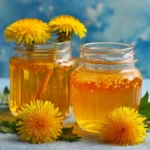
This unique Dandelion Flower Jelly transforms free, foraged dandelions into delicate, honey-flavored preserves with a gorgeous golden color. Made from just the yellow petals, this sweet, floral jelly tastes nothing like weeds and makes a fascinating homemade gift!
- Prep Time: 2 hours (includes foraging and flower prep)
- Cook Time: 30 minutes
- Total Time: 12-26 hours (includes overnight steeping)
- Yield: About 5 half-pint jars
- Category: Preserves, Jelly, Canning
- Method: Foraging, Steeping, Water Bath Canning
- Cuisine: American, Traditional
- Diet: Vegan
Ingredients
Dandelion Infusion:
- 4 cups fresh dandelion flowers (yellow petals only, no green)
- 4 cups water
- 2 tablespoons lemon juice
For Jelly:
- 3 cups dandelion infusion (strained)
- 1 package (1.75 oz) powdered pectin
- 4½ cups granulated sugar
- 2 tablespoons lemon juice
Instructions
- Forage: Collect dandelions from untreated areas. Choose fully open, bright yellow flowers.
- Prepare flowers: Remove ALL green parts (sepals and stems). Use only yellow petals. Rinse gently. Need 4 cups petals.
- Make infusion: Combine petals, 4 cups water, 2 tbsp lemon juice in pot. Boil, simmer 3 min. Remove from heat, cover, steep 8-24 hours.
- Strain: Strain infusion through fine-mesh strainer or cheesecloth. Measure exactly 3 cups liquid.
- Prepare equipment: Sterilize jars, heat lids, prepare water bath canner.
- Make jelly: Combine 3 cups infusion and pectin in large pot. Bring to full rolling boil. Add all sugar at once. Return to hard boil for 1-2 min, stirring constantly. Test for gel point.
- Can: Fill hot jars leaving ¼” headspace. Wipe rims, apply lids. Process in boiling water bath 5 min.
- Cool: Remove from canner, let cool undisturbed 12-24 hours. Check seals. Store sealed jars up to 1 year.
Notes
- Forage only from untreated areas—no pesticides
- Remove ALL green parts—they cause bitterness
- Use powdered pectin specifically
- Full rolling boil is essential for setting
- Steep 8-24 hours for best flavor
- Always test gel point
- Process in water bath for safe storage
- Don’t double batch—make multiple single batches
- Peak season: spring through early summer
- Sealed jars keep 1 year; opened jars refrigerate 3 months