Introduction: The Bar That Changed Everything
Chocolate Peanut Butter Oatmeal Bars are hands down the recipe that converted me from a skeptic of no-bake desserts into an absolute devotee—and after two decades of professional baking and recipe development, that’s saying something. These bars manage to deliver everything you want from a homemade treat: rich chocolate flavor, creamy peanut butter satisfaction, wholesome oat texture, and that essential element of “I can’t believe I made this myself” pride.
I first encountered a version of these bars at a potluck nearly fifteen years ago, and I couldn’t stop thinking about them for weeks afterward. The person who brought them refused to share the recipe, which of course meant I spent the next several months reverse-engineering them in my kitchen. What emerged from that obsessive experimentation is this refined formula that’s become one of my most-made recipes—the bars I bring to every gathering, make for last-minute gift needs, and whip up when I need chocolate immediately but don’t want to wait for anything to bake and cool.
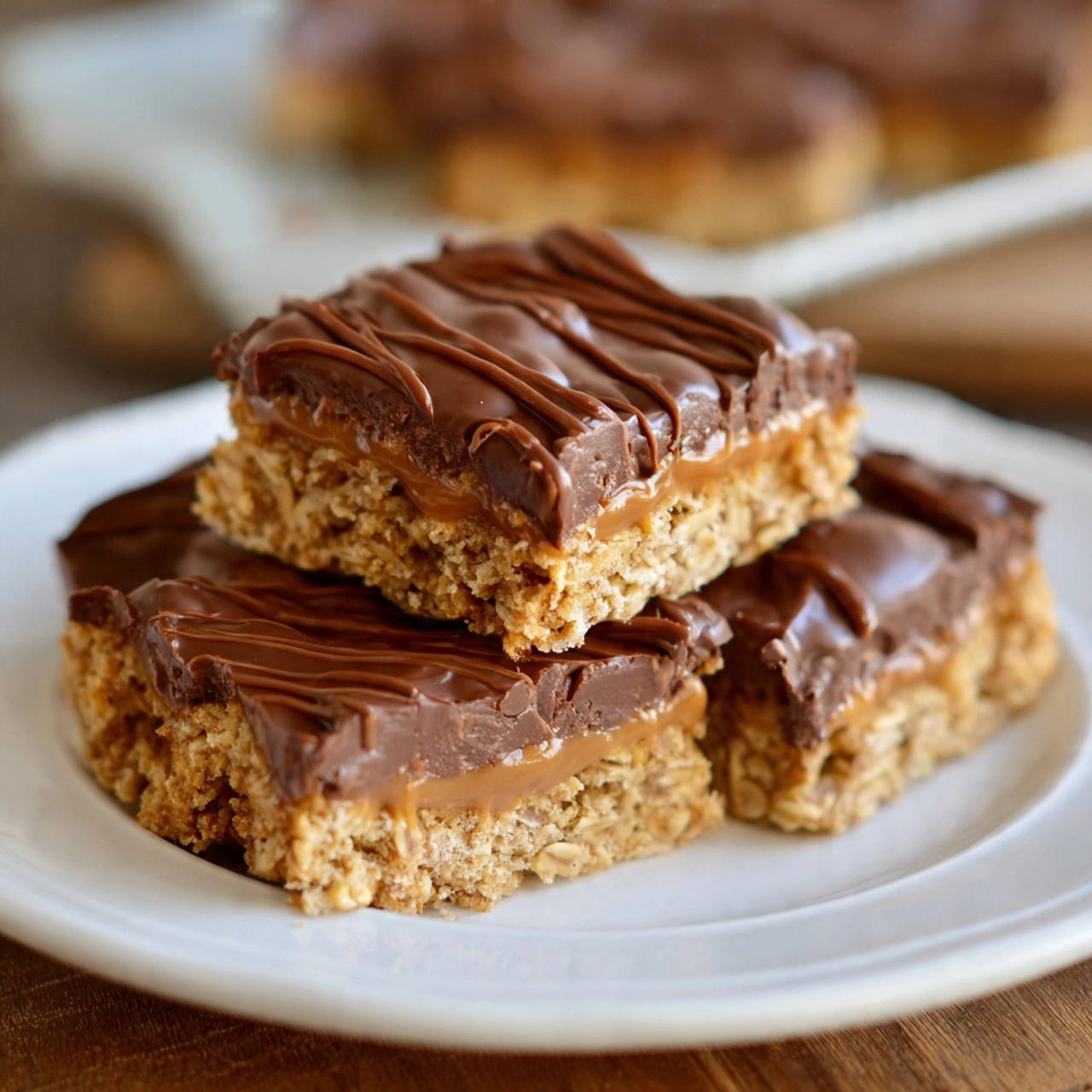
What makes these Chocolate Peanut Butter Oatmeal Bars genuinely special is the perfect balance they strike between indulgent and wholesome. The base layer combines oats, peanut butter, and honey into a chewy-crispy foundation that tastes like the best parts of a granola bar. The chocolate topping is smooth, rich, and just thick enough to bite through cleanly without shattering.
Throughout this comprehensive guide, I’ll share everything I’ve learned from making literally hundreds of batches—from achieving the ideal texture ratio between base and topping to preventing common issues like crumbly bases or chocolate that won’t set, from developing foolproof technique to creating variations that keep these bars exciting even when you’re making them weekly.
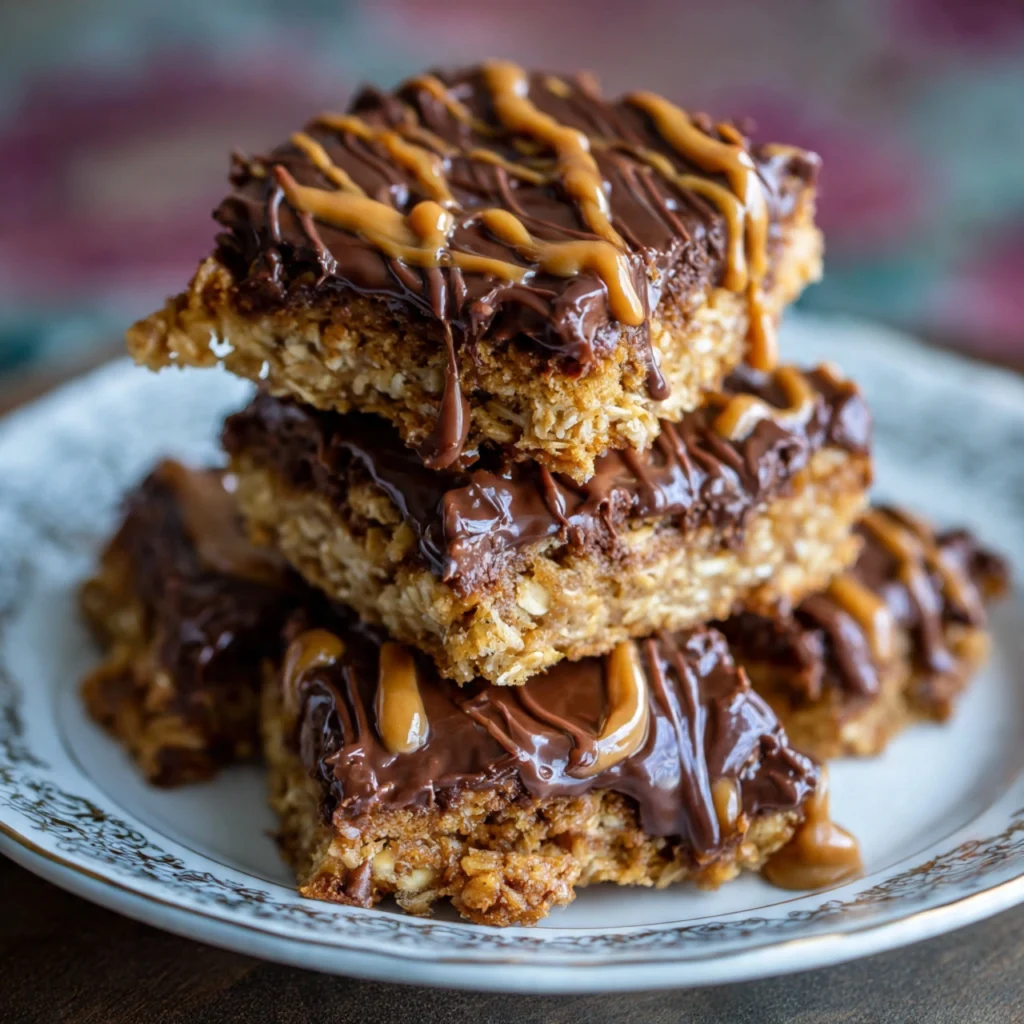
Why This Combination Works So Perfectly
Before we dive into the Chocolate Peanut Butter Oatmeal Bars recipe, let me explain the magic behind this particular formula. Peanut butter provides both flavor and structural integrity—its natural oils bind the oat base together while its protein content creates satisfying richness. The slight saltiness in peanut butter also enhances the chocolate’s sweetness, preventing these bars from being cloying despite containing honey and chocolate.
Chocolate isn’t just flavoring here—it’s a functional component that sets into a firm topping that holds the bars together and provides clean slicing. The cocoa butter in chocolate solidifies as it cools, creating that professional bakery-quality finish. Using chocolate chips rather than cocoa powder means you get smooth, glossy topping without needing to temper chocolate or master complicated techniques.
Oats bring nutritional credibility to what might otherwise be pure indulgence. They provide fiber, complex carbohydrates, and a pleasant chewiness that makes these bars feel substantial rather than candy-like. Old-fashioned rolled oats have just the right texture—they soften slightly from the other ingredients but maintain enough structure to create proper bar consistency.
The honey serves triple duty: it sweetens naturally, it provides moisture that helps everything bind together, and its sticky quality acts as an additional binder that keeps the base from crumbling when you bite into it. This is why these bars hold together so beautifully without needing eggs or extensive baking.
Ingredients: Simple Pantry Staples
Here’s everything you’ll need to create these addictive bars. The beauty is that most of these are probably already in your pantry:
For the Oat Base:
- 3 cups old-fashioned rolled oats (not quick oats or steel-cut)
- 1 cup natural peanut butter (creamy or crunchy—your preference)
- ½ cup honey (or maple syrup for different flavor profile)
- ¼ cup coconut oil (melted, or use butter)
- 1 teaspoon vanilla extract
- ½ teaspoon salt (reduce to ¼ teaspoon if using salted peanut butter)
For the Chocolate Topping:
- 2 cups semi-sweet chocolate chips (or dark chocolate for less sweet version)
- ½ cup peanut butter (for extra peanut butter flavor and smoother texture)
- 2 tablespoons coconut oil (optional, makes chocolate layer smoother and easier to cut)
Optional Mix-Ins and Variations:
- ½ cup mini chocolate chips (mixed into base layer)
- ¼ cup chopped peanuts (for extra crunch)
- 2 tablespoons ground flaxseed (nutrition boost)
- 2 tablespoons chia seeds (adds nutrition and helps binding)
- ¼ cup shredded coconut (tropical twist)
- Pinch of cinnamon (warmth and depth)
- Sea salt flakes (for sprinkling on top before chocolate sets)
Step-by-Step Instructions: Foolproof Assembly
These bars are remarkably simple, but following the proper technique ensures perfect results every time:
Step 1: Pan Preparation
Line an 8×8-inch baking pan with parchment paper, leaving overhang on two opposite sides to create handles for easy removal. Alternatively, use a 9×9-inch pan for slightly thinner bars or a 9×13-inch pan for thin, crispy bars (adjust quantities accordingly).
Pro tip: Lightly spray the parchment with cooking spray or wipe with coconut oil. This prevents sticking and ensures the bars release cleanly after setting.
Step 2: Prepare the Oat Base
In a large microwave-safe bowl, combine peanut butter, honey, coconut oil, vanilla, and salt. Microwave for 30-45 seconds until the mixture is warm and easily stirrable. Alternatively, heat these ingredients in a saucepan over low heat until melted and combined.
Stir the mixture thoroughly until completely smooth and uniform. The warmth makes everything fluid and easy to mix.
Add the oats to the peanut butter mixture. Using a sturdy spoon or spatula, stir vigorously until every oat is coated and the mixture is uniform. This takes some muscle—the mixture will be thick and sticky, but keep stirring until you don’t see any dry oats.
Critical technique: Mix thoroughly! Every oat needs to be coated with the peanut butter mixture. Inadequate mixing creates dry pockets that crumble when you cut the bars.
Step 3: Press the Base Layer
Transfer the oat mixture to your prepared pan. Using your hands (slightly damp or lightly oiled to prevent sticking), press the mixture firmly and evenly into the pan. Pay special attention to corners and edges where gaps are most likely.
The pressing technique: Press very firmly! Use the palm of your hand or the bottom of a measuring cup to compact the mixture. The base should be dense and tightly packed—this is crucial for bars that hold together when cut. Spend at least 2-3 minutes pressing and smoothing.
The surface should be level and smooth. Any unevenness will show through the chocolate layer and make cutting more difficult.
Step 4: Make the Chocolate Topping
In a microwave-safe bowl, combine chocolate chips, peanut butter, and coconut oil (if using). Microwave in 30-second intervals, stirring thoroughly between each interval, until the mixture is completely melted and smooth. This typically takes 1-2 minutes total.
Alternatively, melt the chocolate mixture in a double boiler (a heat-safe bowl set over a pot of simmering water), stirring constantly until smooth.
Important: Don’t overheat the chocolate! High heat can cause it to seize (become grainy and lumpy). Use 50% power in the microwave or gentle heat on the stovetop, and stir frequently.
Step 5: Assemble and Set
Pour the melted chocolate mixture over the pressed oat base. Using an offset spatula or the back of a spoon, spread it evenly to cover the entire surface, reaching all the way to the edges.
If desired, sprinkle with sea salt flakes, chopped peanuts, or any other toppings while the chocolate is still wet.
Refrigerate uncovered for at least 2 hours, or until the chocolate is completely set and firm to the touch. For faster setting, place in the freezer for 45-60 minutes.
Step 6: Cut and Serve
Once fully set, use the parchment paper handles to lift the entire slab out of the pan onto a cutting board. Use a large, sharp knife to cut into 16-20 squares, depending on your preferred serving size.
For cleanest cuts: Let the bars sit at room temperature for 5-10 minutes after removing from the refrigerator (slightly softened chocolate cuts more cleanly), use a sharp chef’s knife, wipe the knife clean between cuts with a warm, damp towel, and use a gentle sawing motion rather than pressing straight down.
Pro Tips for Perfect Chocolate Peanut Butter Oatmeal Bars
After making these bars more times than I can count, I’ve developed specific techniques that guarantee excellent results:
Peanut Butter Selection Secrets
Natural vs. conventional: Natural peanut butter (ingredients: peanuts, salt) has a thinner consistency and may require slightly more oats or a bit less honey to achieve proper texture. Conventional peanut butter (like Jif or Skippy) contains added oils and stabilizers that make the mixture more cohesive—either works, but conventional is slightly easier for beginners.
Creamy vs. crunchy: Creamy peanut butter creates a smoother, more uniform base. Crunchy peanut butter adds textural interest with peanut pieces throughout. I actually prefer half creamy, half crunchy for the best of both worlds—smooth binding with nuggets of crunch.
Almond butter alternative: You can substitute almond butter, cashew butter, or sunflower seed butter (for nut-free version) one-for-one. Each creates slightly different flavor but all work structurally. Sunflower seed butter may turn slightly green due to a harmless chemical reaction with baking soda if you add it—purely aesthetic, perfectly safe.
Temperature matters: Room temperature or slightly warmed peanut butter incorporates more easily than cold peanut butter straight from the refrigerator. If your peanut butter is cold and stiff, warm it briefly before combining with other base ingredients.
Chocolate Peanut Butter Oatmeal Bars Achieving Perfect Texture
Oat selection: Old-fashioned rolled oats are essential. Quick oats become mushy and don’t provide enough structure. Steel-cut oats are too hard and don’t bind properly. Rolled oats are the Goldilocks choice—just right.
The honey-to-oat ratio: The ½ cup honey to 3 cups oats ratio is carefully calibrated. Less honey and the bars are too dry and crumbly; more honey and they’re sticky and won’t hold shape. If you prefer less sweet, you can reduce honey to ⅓ cup but add 2 tablespoons of coconut oil to compensate for lost moisture.
Pressing technique mastery: This cannot be overstated—firm, even pressing is the difference between bars that hold together beautifully and bars that fall apart. Press as if you’re trying to compress the mixture to half its thickness. The surface should feel solid and compact when you’re done, not spongy.
Chilling time: Don’t rush the setting time. Under-chilled bars have soft chocolate that smears when cut and bases that haven’t fully firmed. Two hours is minimum; overnight is even better for easiest cutting and best texture.
Chocolate Layer Excellence
Chocolate quality: Better chocolate makes better bars. I use Ghirardelli or Guittard chocolate chips for consistently smooth melting and excellent flavor. Cheaper chocolate chips sometimes contain more stabilizers that can make the melted chocolate grainy.
Dark vs. semi-sweet vs. milk: Semi-sweet chocolate provides balanced sweetness. Dark chocolate (70% cacao or higher) creates a more sophisticated, less sweet bar. Milk chocolate makes the bars very sweet—use it only if you love really sweet treats.
The coconut oil secret: Adding coconut oil to the melted chocolate makes it smoother, shinier, and easier to spread. It also helps the chocolate cut more cleanly without shattering. If you don’t have coconut oil, skip it—the bars still work, just with slightly different texture.
Preventing chocolate bloom: Chocolate bloom (those white streaks that sometimes appear on chocolate) is harmless but unattractive. Store bars in airtight containers and avoid temperature fluctuations to prevent bloom.
Mix-In Suggestions Chocolate Peanut Butter Oatmeal Bars
Mini chocolate chips in the base: Fold ½ cup mini chocolate chips into the oat mixture before pressing for chocolate throughout. Regular-sized chips are too large and create uneven texture.
Nut additions: Chopped peanuts, almonds, or pecans add crunch. Toast them first for enhanced flavor—just 5-7 minutes at 350°F until fragrant.
Dried fruit: Chopped dried cherries, cranberries, or raisins add fruity sweetness. Use ⅓ cup maximum or they make the bars too soft.
Protein powder: Add 2-3 tablespoons of vanilla or chocolate protein powder to boost protein content. Reduce oats by the same amount to maintain proper ratio.
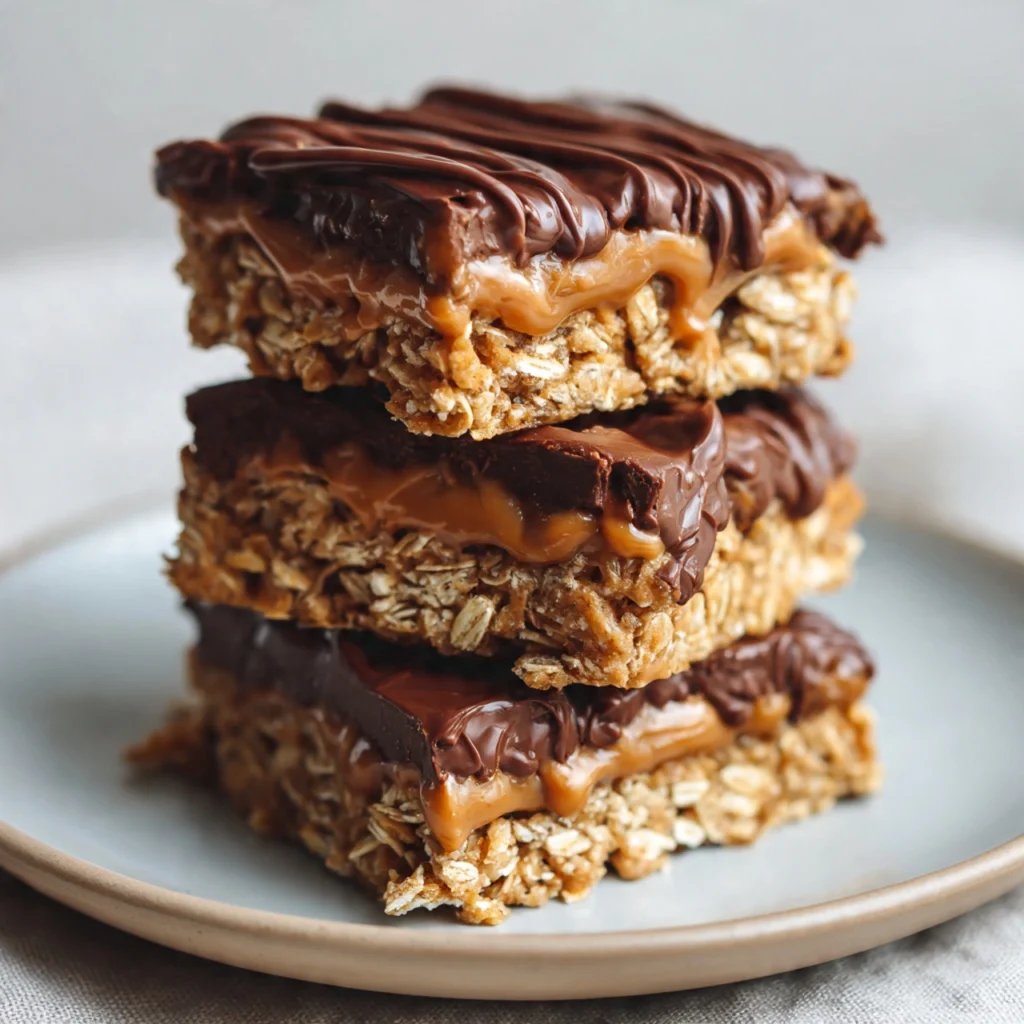
Common Mistakes to Avoid
Even this simple Chocolate Peanut Butter Oatmeal Bars recipe has potential pitfalls:
Mistake #1: Using Quick Oats
Quick oats are pre-steamed and cut thinner than rolled oats, so they absorb liquid differently and become mushy rather than maintaining pleasant chewiness. The bars end up soft, sticky, and difficult to cut cleanly. Always use old-fashioned rolled oats clearly labeled as such.
Mistake #2: Not Pressing the Base Firmly Enough
This is the number one reason bars fall apart when cut. A loosely packed base doesn’t form a cohesive layer—it remains a collection of individual oats that separate when you try to slice through. Press firmly with your full palm or the bottom of a sturdy glass or measuring cup until the surface feels solid.
Mistake #3: Overheating the Chocolate
Chocolate can seize (turn grainy and hard) if overheated or if even a drop of water gets into it. Use low heat and short microwave bursts, stirring frequently. If using a double boiler, ensure the bottom of the bowl doesn’t touch the water and that no steam gets into the chocolate.
Mistake #4: Cutting Too Soon
Warm or under-chilled bars have soft chocolate that smears everywhere when you try to cut them. The base also hasn’t fully firmed, so it crumbles rather than slicing cleanly. Always chill for at least 2 hours before attempting to cut. Patience pays off with beautiful, clean-edged bars.
Mistake #5: Using a Dull Knife
A dull knife crushes the bars rather than slicing through them cleanly, creating messy edges and causing the layers to separate. Use your sharpest chef’s knife and wipe it clean between cuts for the neatest results.
Mistake #6: Inadequate Mixing
If you don’t stir the oat mixture thoroughly, some oats remain uncoated while others get too much peanut butter mixture. This creates inconsistent texture with dry, crumbly pockets. Stir until your arm gets tired, then stir a bit more—every single oat should be visibly coated.
Mistake #7: Wrong Pan Size
Using a significantly larger pan creates bars that are too thin and crispy-hard rather than chewy. Using a smaller pan makes them too thick and difficult to bite through. Stick to 8×8 or 9×9 inches for ideal thickness and texture. If you only have different sizes, adjust quantities proportionally.
Mistake #8: Skipping the Parchment Paper
Trying to cut bars directly in the pan or removing them without a parchment sling is frustrating and messy. Even well-greased pans often stick. The parchment paper overhang technique makes removal effortless and cutting much easier.
Chocolate Peanut Butter Oatmeal Bars Storage and Serving Suggestions
Proper storage keeps these bars fresh and delicious Chocolate Peanut Butter Oatmeal Bars:
Room Temperature Storage for Chocolate Peanut Butter Oatmeal Bars
In moderate climates (below 75°F), these bars can be stored at room temperature in an airtight container for up to 5 days. Place parchment paper between layers to prevent sticking.
However, the chocolate layer can soften in warm conditions, so refrigeration is safer in most cases.
Chocolate Peanut Butter Oatmeal Bars Refrigerator Storage
Store Chocolate Peanut Butter Oatmeal Bars in an airtight container in the refrigerator for up to 2 weeks. The cold keeps the chocolate firm and the base texture perfect.
Let refrigerated bars sit at room temperature for 10-15 minutes before serving to allow flavors to fully bloom and texture to soften slightly. Some people prefer them cold and firm (they’re like candy bars), while others prefer them at room temperature when the peanut butter flavor is more pronounced.
Chocolate Peanut Butter Oatmeal Bars Freezer Storage
These bars freeze beautifully! Wrap individual bars in plastic wrap or place them in a single layer in a freezer-safe container with parchment paper between layers. Freeze for up to 3 months.
To serve frozen bars, thaw at room temperature for 20-30 minutes or enjoy them straight from the freezer for a firmer, almost ice-cream-bar-like texture. I actually love eating them partially frozen on hot summer days.
Chocolate Peanut Butter Oatmeal Bars Serving Suggestions
As-is: These bars are perfect on their own—the chocolate-peanut butter combination needs no enhancement.
With coffee or milk: The classic pairing. Cold milk is especially excellent with these bars—it cuts the richness perfectly.
Crumbled over ice cream: Break bars into chunks and use as an ice cream topping for an incredible sundae.
Breakfast bar: These have enough oats and peanut butter to work as a quick breakfast with a piece of fruit and some yogurt.
Pre or post-workout: The combination of carbs from oats and honey with protein from peanut butter makes these excellent workout fuel.
Gift packaging: Stack bars in cellophane bags tied with ribbon for lovely homemade gifts. They’re stable enough to mail if packed carefully.
Party presentation: Cut into small bite-sized pieces for dessert buffets or parties. The chocolate layer looks elegant and professional.
Frequently Asked Questions Chocolate Peanut Butter Oatmeal Bars
1. Can I make these bars without chocolate topping?
Absolutely! Without the chocolate layer, these become excellent granola-style bars. Press the oat mixture into the pan as directed, then refrigerate for 30-60 minutes to firm up before cutting. You might want to decrease the honey slightly (to ⅓ cup) and increase the oats slightly (to 3½ cups) since the chocolate layer helps hold everything together. These plain bars are less sweet and make great breakfast or snack bars. You can also drizzle melted chocolate over the top instead of a solid layer for a middle-ground option.
2. Can I make these gluten-free?
Yes! Oats are naturally gluten-free, but they’re often processed in facilities that also handle wheat, so look for oats specifically labeled “certified gluten-free” if you have celiac disease or severe gluten sensitivity. Use certified gluten-free oats and ensure your chocolate chips and peanut butter don’t contain any gluten-containing additives (most don’t, but always check labels). No other modifications are needed—the recipe is naturally gluten-free when using appropriate oats.
3. Why are my bars too crumbly and falling apart?
Several factors cause crumbly bars: First, insufficient pressing—you need to compact the base layer very firmly. Second, too many oats or not enough binding ingredients (peanut butter and honey)—follow measurements carefully. Third, old or dried-out peanut butter can be less sticky; if your peanut butter seems very thick and dry, add an extra tablespoon of honey or coconut oil. Fourth, cutting before fully chilled prevents the bars from setting properly. Finally, inadequate mixing means some oats aren’t bound to the mixture. Mix thoroughly and press very firmly for best results.
4. Can I use maple syrup instead of honey?
Yes! Maple syrup works beautifully as a honey substitute with no modifications needed. The bars will have a subtle maple flavor instead of honey’s floral sweetness. Pure maple syrup works best—avoid pancake syrup which contains additives. Agave nectar also works as a one-to-one honey substitute. Brown rice syrup is another option, though it’s less sweet, so you might want to add a tablespoon of sugar if using it.
5. How do I make these bars vegan?
These bars are easily made vegan! Simply ensure your chocolate chips are dairy-free (many dark chocolate chips are naturally vegan, but check labels as some contain milk derivatives). Use maple syrup instead of honey (honey isn’t vegan). Use coconut oil instead of butter if the recipe calls for it. Verify that your peanut butter contains only peanuts and salt with no animal-derived additives. With these simple swaps, the bars are completely plant-based and just as delicious.
6. Can I reduce the sugar content?
You can somewhat reduce sugar, though it affects both texture and taste. The honey/maple syrup provides essential binding and moisture, not just sweetness. You can reduce it to ⅓ cup minimum, but compensate by adding 2 tablespoons of coconut oil or nut butter to maintain proper moisture. Use dark chocolate (70% cacao or higher) to reduce sugar in the topping. You can also use sugar-free chocolate chips, though they often contain sugar alcohols that some people find digestively troubling. Stevia-sweetened chocolate chips exist but can have slight aftertaste.
7. What’s the best way to cut perfectly clean squares?
For bakery-worthy cuts: First, ensure bars are fully chilled (at least 2 hours, preferably overnight). Second, remove from refrigerator and let sit 5-10 minutes—slightly softened chocolate cuts more cleanly than rock-hard chocolate. Third, use the sharpest knife you own (a chef’s knife works best). Fourth, warm the blade by running it under hot water, then dry it completely before cutting. Fifth, make one clean cut, then wipe the blade clean with a warm, damp cloth. Repeat the warm-wipe-cut process for each cut. Sixth, use gentle sawing motion rather than pressing straight down. These steps create professional-looking bars with clean edges.
8. Can I make these nut-free for allergies?
Yes! Replace peanut butter with sunflower seed butter or soy nut butter (if soy is okay) for a nut-free version. Sunflower seed butter works identically to peanut butter in this recipe. Note that sunflower seed butter can react with baking soda and turn slightly green—this doesn’t happen in this recipe since there’s no baking soda, but if you add any, be aware. The bars will taste different than the peanut butter version but are still delicious. Use nut-free chocolate chips (many brands are processed in nut-free facilities—check labels carefully). These modifications create completely nut-free bars safe for those with peanut and tree nut allergies.
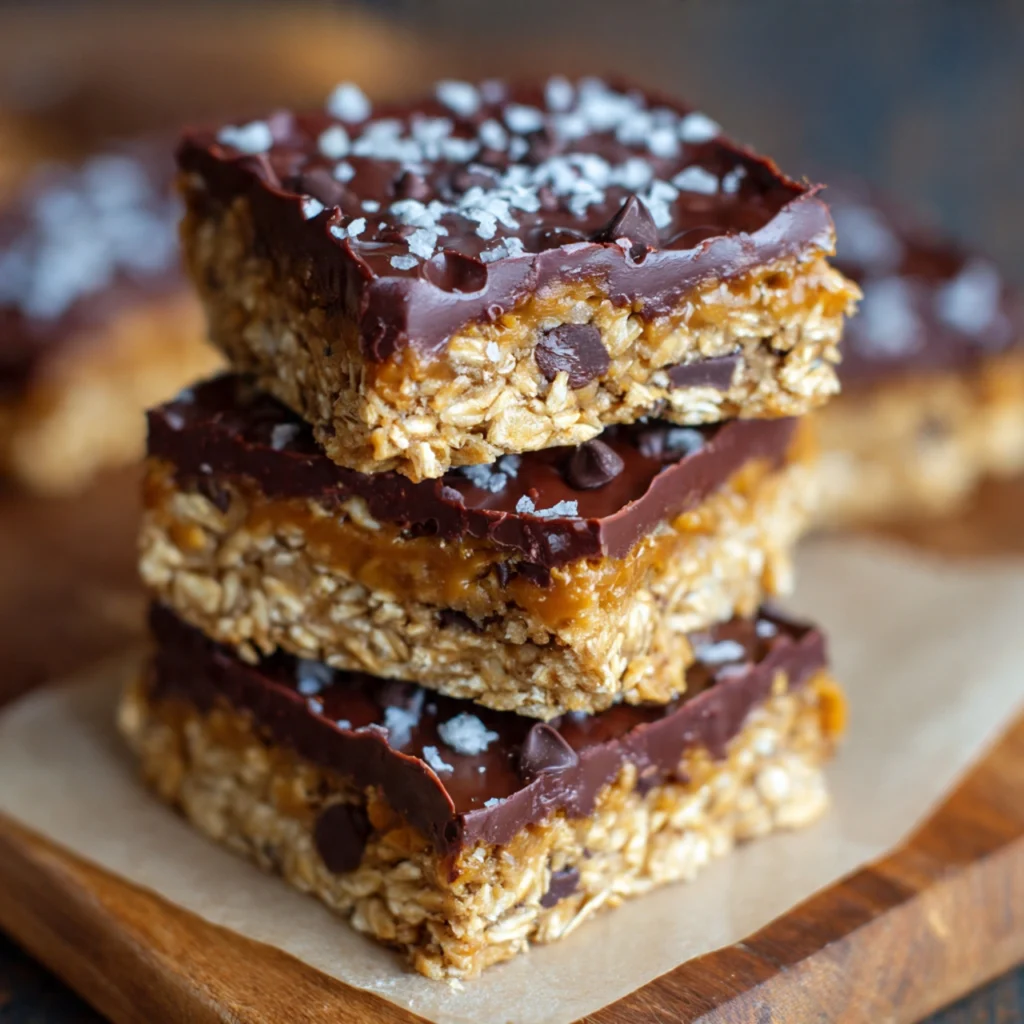
Nutrition Information (Chocolate Peanut Butter Oatmeal Bars)
Based on cutting into 16 bars:
Serving Size: 1 bar Servings Per Recipe: 16
- Calories: 285
- Total Fat: 16g
- Saturated Fat: 6g
- Trans Fat: 0g
- Cholesterol: 0mg
- Sodium: 105mg
- Total Carbohydrates: 32g
- Dietary Fiber**: 3g
- Sugars**: 18g
- Added Sugars: 16g
- Protein: 7g
- Iron: 1.8mg (10% DV)
- Potassium: 210mg (4% DV)
- Magnesium: 52mg (12% DV)
- Phosphorus: 145mg (12% DV)
Nutritional Highlights:
While these are certainly a treat, they offer more nutrition than typical candy bars or cookies. The oats provide whole grain fiber and complex carbohydrates for sustained energy. Peanut butter contributes protein and healthy monounsaturated fats. The bars also provide iron, magnesium, and phosphorus. They’re satisfying enough that one bar genuinely satisfies sweet cravings, whereas you might eat several cookies to feel the same satisfaction. The combination of protein, fat, and complex carbs makes these more balanced than many desserts.
Final Thoughts: Your Go-To No-Bake Chocolate Peanut Butter Oatmeal Bars Recipe
Mastering these Chocolate Peanut Butter Oatmeal Bars means having a reliable, foolproof recipe that solves countless kitchen dilemmas—last-minute dessert needs, potluck contributions, after-school snacks, homemade gifts, or simply those moments when you need chocolate immediately and can’t wait for anything to bake. What I love most is how they deliver maximum impact with minimal effort, proving that simple techniques and quality ingredients create impressive results without complexity.
Over the years, these bars have become one of my most valuable recipes. They’re what I make when my nieces and nephews visit, what I bring to book club meetings, what I pack for hiking trips, and what I turn to when I need something sweet but don’t want to heat up the kitchen in summer. There’s something universally appealing about chocolate and peanut butter—it’s a combination that transcends age, dietary preferences, and occasions.
The journey from that first mysterious potluck bar to this perfected recipe has taught me that sometimes the best recipes aren’t the most elaborate ones—they’re the ones you actually make regularly because they’re straightforward, delicious, and adaptable to whatever’s happening in your life.
I encourage you to make this Chocolate Peanut Butter Oatmeal Bars recipe your own foundation. Start with my tested formula, then explore. Maybe you’ll discover that adding espresso powder creates your perfect version, or that swapping in almond butter takes it somewhere you love even more. Perhaps you’ll develop your own signature topping variation or find creative mix-ins that make these bars uniquely yours.
So grab that jar of peanut butter, those oats from your pantry, and that bag of chocolate chips, and create your first or your hundredth batch of these incredible no-bake bars. May your base be firm, your chocolate be smooth, and your bars disappear faster than you expected!
PrintChocolate Peanut Butter Oatmeal Bars: The Ultimate No-Bake Treat
No-bake bars featuring a chewy peanut butter oat base topped with smooth chocolate. Ready in 15 minutes (plus chilling time), these require no oven and just 7 simple ingredients. Perfect for easy desserts, snacks, or anytime chocolate-peanut butter cravings strike!
- Prep Time: 15 minutes
- Cook Time: 0 minutes
- Total Time: 2 hours 15 minutes (includes chilling)
- Yield: 16 bars (8×8-inch pan)
- Category: Dessert, Snack, No-Bake Bars, Energy Bars
- Method: No-Bake
- Cuisine: American
- Diet: Vegetarian
Ingredients
For the Oat Base:
- 3 cups old-fashioned rolled oats
- 1 cup natural peanut butter (creamy or crunchy)
- ½ cup honey or maple syrup
- ¼ cup coconut oil, melted
- 1 teaspoon vanilla extract
- ½ teaspoon salt
For the Chocolate Topping:
- 2 cups semi-sweet chocolate chips
- ½ cup peanut butter
- 2 tablespoons coconut oil (optional)
Instructions
- Prepare pan: Line an 8×8-inch pan with parchment paper, leaving overhang on two sides. Lightly grease the parchment.
- Make base: In a large microwave-safe bowl, combine peanut butter, honey, coconut oil, vanilla, and salt. Microwave 30-45 seconds until warm and fluid. Stir until smooth.
- Add oats: Add oats to the peanut butter mixture. Stir vigorously until every oat is completely coated and the mixture is uniform.
- Press firmly: Transfer mixture to prepared pan. Using your hands or the bottom of a measuring cup, press very firmly and evenly into the pan. The base should be compact and solid.
- Make chocolate topping: In a microwave-safe bowl, combine chocolate chips, peanut butter, and coconut oil. Microwave in 30-second intervals, stirring between each, until completely melted and smooth (1-2 minutes total).
- Assemble: Pour chocolate mixture over pressed oat base. Spread evenly to edges using a spatula.
- Chill: Refrigerate uncovered for at least 2 hours until chocolate is completely set and firm.
- Cut and serve: Use parchment handles to lift bars from pan. Cut into 16 squares with a sharp knife, wiping blade between cuts.
Notes
- Old-fashioned rolled oats are essential—don’t use quick oats
- Press the base layer VERY firmly for bars that hold together
- Natural peanut butter or conventional both work
- Chill fully before cutting for cleanest slices
- For thinner bars, use a 9×13-inch pan
- Substitute almond butter or sunflower seed butter for peanut butter
- Use dark chocolate chips for less sweet version
- Bars freeze beautifully for up to 3 months