Introduction: Why Cheesy Garlic Bread Is the Ultimate Crowd-Pleaser
Cheesy Garlic Bread is the kind of recipe that makes everyone reach for the last slice. Warm, buttery bread with crispy edges, a soft center, and gooey melted cheese on top—who can resist? It’s simple, comforting, and always the first thing to disappear from the table.
The first time I made it from scratch with fresh garlic, real butter, and generous cheese, it completely stole the spotlight from the main dish. Forget the frozen version—this homemade bread is richer, fresher, and unbelievably satisfying.
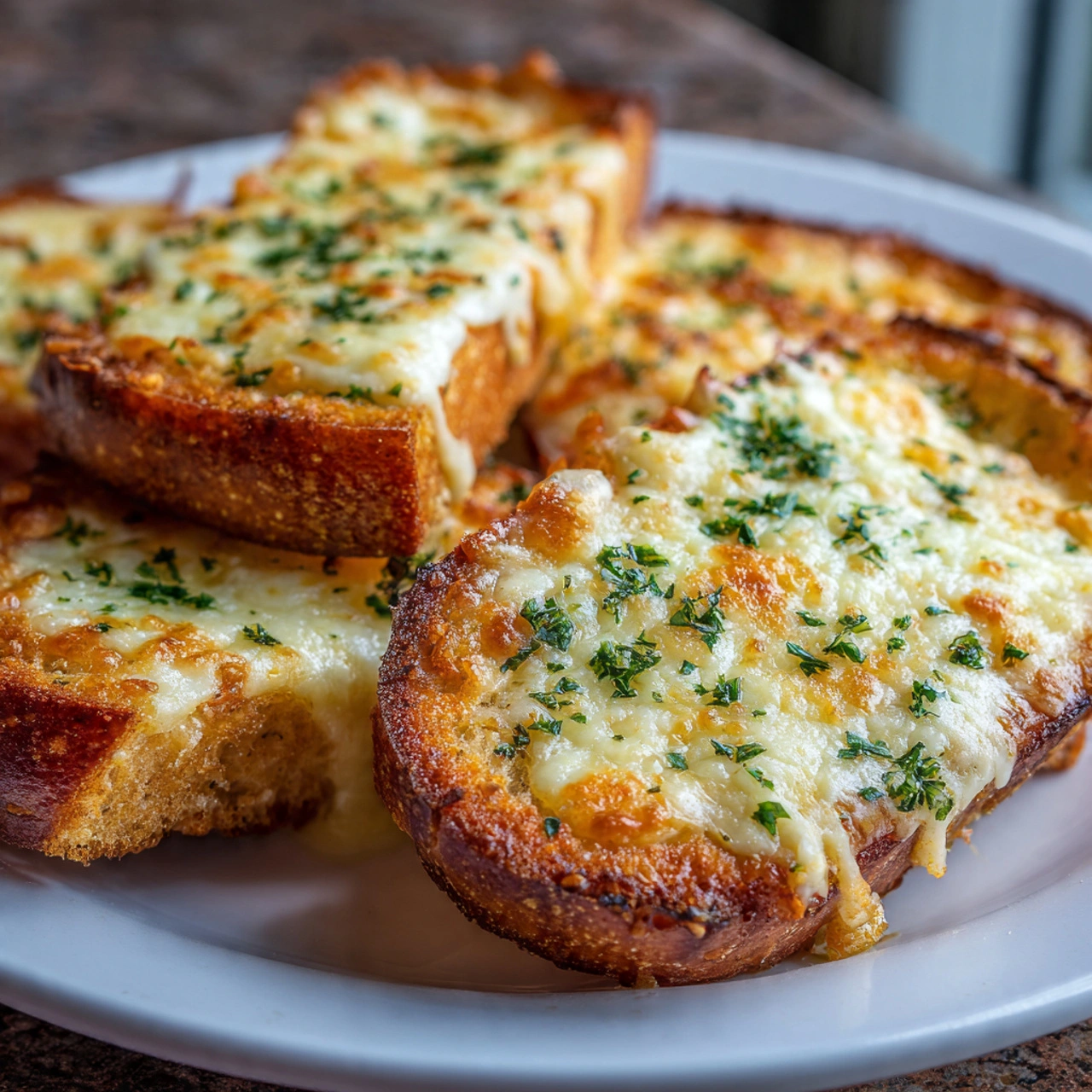
What makes it so special is the perfect balance of textures and flavors. Crispy golden edges, soft garlic-infused interior, and bubbly cheese with those irresistible browned spots on top. A sprinkle of fresh herbs right out of the oven makes it even better.
It’s also incredibly versatile. Serve it with pasta, lasagna, soup, or enjoy it as an appetizer with marinara sauce. You can even make it a light meal with a fresh salad on the side.
Best of all, it’s easy to customize. Mix different cheeses, add herbs, or sprinkle chili flakes for heat. Once you master the basics, you can make it exactly how you love it.
Ready to make Cheesy Garlic Bread so good it might actually outshine your main course?

Ingredients: What You’ll Need for Perfect Cheesy Garlic Bread
For the Garlic Butter Base
- 1 large loaf Italian or French bread (about 16 inches long) – The foundation
- ½ cup (1 stick) unsalted butter, softened – Rich, creamy base
- 4-6 cloves fresh garlic, minced or pressed – The star flavor
- 2 tablespoons fresh parsley, finely chopped – Bright, fresh notes
- ½ teaspoon salt – Enhances everything
- ¼ teaspoon black pepper – Subtle warmth
- ½ teaspoon garlic powder (optional) – Extra garlic punch
- ¼ teaspoon dried oregano or Italian seasoning – Herbal complexity
For the Cheese Topping
- 1½ cups shredded mozzarella cheese (about 150g) – Classic melty cheese
- ½ cup shredded parmesan cheese (about 50g) – Sharp, salty flavor
- ¼ cup shredded provolone (optional) – Adds depth and creaminess
Optional Additions
- 1 tablespoon olive oil – Mixed into butter for extra richness
- Red pepper flakes – For spicy kick
- Fresh basil, chopped – Added after baking
- Sun-dried tomatoes, chopped – Mediterranean twist
- Crispy bacon bits – For bacon lovers
- Caramelized onions – Sweet contrast
Equipment Needed
- Baking sheet or large oven-safe skillet
- Aluminum foil
- Mixing bowl
- Pastry brush or butter knife
- Sharp bread knife
Step-by-Step Instructions: Creating Perfect Cheesy Garlic Bread
Step 1: Prepare Your Oven and Bread (3 minutes)
Preheat your oven to 400°F (200°C). This temperature is the sweet spot for Cheesy Garlic Bread—hot enough to crisp the edges and melt the cheese beautifully, but not so hot that the bread burns before the cheese gets properly melted and bubbly.
Using a sharp serrated bread knife, slice your loaf of bread in half horizontally, creating two long, flat pieces. You’re essentially butterflying the loaf so you have two surfaces to work with. Make sure your cut is as even as possible so both halves cook uniformly.
Line a large baking sheet with aluminum foil for easy cleanup—cheese has a tendency to drip and create a mess, and cleaning melted cheese off a baking sheet is nobody’s idea of a good time. Place your bread halves on the prepared sheet, cut side facing up.
Step 2: Make the Garlic Butter (5 minutes)
In a medium mixing bowl, combine your softened butter with minced garlic, chopped fresh parsley, salt, black pepper, garlic powder if using, and Italian herbs. The butter should be soft enough to mix easily but not completely melted—room temperature is perfect.
Use a fork or wooden spoon to cream everything together until well combined and fluffy. You want the garlic and herbs evenly distributed throughout the butter so every bite of your Cheesy Garlic Bread has consistent flavor. Take a moment to smell this mixture—if it doesn’t make you excited to eat, add more garlic or herbs until it does.
For even more intense garlic flavor, let this mixture sit at room temperature for 15-30 minutes before using so the flavors meld together. If you’re in a hurry, skip this step and proceed immediately.
Step 3: Spread the Garlic Butter (3 minutes)
Using a pastry brush, butter knife, or offset spatula, generously spread the garlic butter mixture over the entire cut surface of both bread halves. Don’t be shy here—you want butter reaching all the way to the edges and into any cracks or air pockets in the bread. This thorough coverage is what creates those crispy, flavorful edges everyone fights over.
Pay special attention to the crust edges. Butter that reaches the very edge of the bread creates the most delicious crispy, almost fried texture during baking. If you have any extra garlic butter, save it for spreading on the hot bread when it comes out of the oven—trust me on this.
Step 4: Toast the Bread (8-10 minutes)
Place your buttered bread halves in the preheated oven and bake for 8-10 minutes. You’re looking for the bread to turn lightly golden and crispy on the edges. The surface should look toasted and the butter should be fully absorbed with some visible browning.
Don’t skip this pre-baking step! It’s tempting to add the cheese immediately and bake everything at once, but pre-toasting the bread ensures you get that essential textural contrast—crispy base with soft interior—rather than a soggy bottom that sometimes happens when cheese goes directly on untoasted bread.
Step 5: Add the Cheese (2 minutes)
Remove the bread from the oven. Working quickly while it’s still hot, sprinkle the shredded mozzarella evenly over both bread halves, making sure to cover the entire surface right to the edges. Top the mozzarella with shredded parmesan and provolone if using.
The key to cheese distribution is generosity and consistency. You don’t want some bites to be cheese-heavy while others are barely covered. Think of it like putting cheese on pizza—even coverage means every bite is perfect. If you’re making this for a crowd, pile the cheese a bit higher than you think necessary. People love extra cheese.
Step 6: Final Bake (5-7 minutes)
Return the cheese-covered bread to the oven and bake for another 5-7 minutes until the cheese is completely melted, bubbly, and starting to turn golden brown in spots. For even more color and those desirable crispy cheese edges, switch your oven to broil for the final 1-2 minutes—but watch it carefully because the line between perfectly browned and burnt happens fast under the broiler.
The cheese should be bubbling actively and have golden-brown spots across the surface. Those browned spots are where the most intense cheese flavor lives, so don’t pull the bread too early thinking pale melted cheese is done. Give it time to develop color and flavor.
Step 7: Garnish and Serve (2 minutes)
Remove from the oven and immediately sprinkle with additional fresh parsley, fresh basil if using, or a pinch of red pepper flakes for heat. Some people also like to drizzle a tiny bit of olive oil over the top while it’s still piping hot—this adds shine and a subtle fruity note.
Let the Cheesy Garlic Bread rest for 2-3 minutes before cutting—this allows the cheese to set slightly so it doesn’t all slide off when you slice. Use a sharp knife or pizza cutter to slice each half into 6-8 pieces, depending on size preference.
Serve immediately while hot. The bread is at its absolute best within the first 10-15 minutes after baking when the edges are still crispy and the cheese is at peak gooeyness.
Pro Tips for the Perfect Cheesy Garlic Bread
Tip 1: Fresh Garlic is Non-Negotiable
Garlic powder has its place in cooking, but for truly exceptional Cheesy Garlic Bread, fresh garlic is essential. The difference in flavor is dramatic—fresh garlic provides pungent, complex flavor that garlic powder simply can’t replicate. Mince it very finely or use a garlic press for the most even distribution and strongest flavor. Some people even grate it on a microplane for the finest texture.
Tip 2: Room Temperature Butter Spreads Better
Cold butter tears bread and doesn’t mix well with other ingredients. Softened butter (left at room temperature for 30-60 minutes) spreads smoothly and blends easily with garlic and herbs. In a pinch, you can soften butter quickly by cutting it into small pieces and microwaving in 5-second bursts, stirring between—but be careful not to melt it completely.
Tip 3: Pre-Toast for Perfect Texture
Many recipes skip the pre-toasting step and put cheese directly on buttered raw bread. This creates acceptable garlic bread but not exceptional garlic bread. Pre-toasting allows the butter to fully absorb into the bread, crisps the bottom, and creates a protective barrier that prevents cheese moisture from making the bread soggy. Those extra 8-10 minutes make all the difference.
Tip 4: Cheese Blend Creates Complexity
While 100% mozzarella works fine, combining mozzarella with parmesan (and optionally provolone or asiago) creates more interesting, complex flavor. Mozzarella provides that essential gooey melt, parmesan adds sharp, salty notes, and provolone contributes creaminess. The combination is significantly better than any single cheese alone.
Tip 5: Edge-to-Edge Butter Coverage
The most common mistake in homemade garlic bread is not buttering all the way to the edges. Those crispy, buttery edges are arguably the best part, so make sure your garlic butter reaches every millimeter of bread surface. Pay special attention to corners and the very edges of the crust.
Tip 6: Watch the Broiler Closely
Using the broiler for the final 1-2 minutes creates beautiful golden-brown cheese with crispy edges, but it requires vigilance. Broilers are powerful and things can go from perfect to burnt in literally 30 seconds. Stand at the oven with the door slightly open and watch continuously during broiling. The moment you see the color you want, pull it out.
Tip 7: Bread Type Matters
Italian bread or French baguettes are classic choices because they have a sturdy crust and soft interior—perfect for this application. Sourdough creates a tangier, more complex flavor profile. Ciabatta works wonderfully with its open crumb. Avoid very soft sandwich bread which becomes too soggy, or extremely crusty artisan breads which can be hard to bite through after toasting.
Tip 8: Add Fresh Herbs After Baking
While dried herbs can go into the garlic butter, save fresh herbs like parsley and basil for sprinkling on top immediately after the bread comes out of the oven. The residual heat warms them and releases their aromatic oils without cooking them into oblivion, giving you bright, fresh herbal notes that contrast beautifully with the rich, heavy cheese and butter.

Common Mistakes to Avoid When Making Cheesy Garlic Bread
Mistake 1: Using Pre-Shredded Cheese
Pre-shredded cheese contains anti-caking agents (usually cellulose or potato starch) that prevent clumping in the bag but also prevent optimal melting. It never gets quite as gooey and stretchy as cheese you shred yourself from a block. Spend the extra three minutes shredding your own cheese—the texture improvement is absolutely worth it.
Mistake 2: Not Letting Butter Soften Properly
Trying to work with cold, hard butter creates frustration and uneven coverage. You’ll tear your bread trying to spread it, and the garlic and herbs won’t incorporate properly. Plan ahead and leave butter out for 30-60 minutes. If you forget, microwave it in 5-second intervals until soft (not melted), stirring between bursts.
Mistake 3: Skimping on Garlic
Garlic is literally in the name of this dish. Using only 1-2 cloves creates garlic bread that’s barely garlicky. For proper punch, use 4-6 cloves of fresh garlic minimum. If you’re a garlic lover, go up to 8 cloves. The baking process mellows raw garlic significantly, so what seems like “too much” raw will be perfect when cooked.
Mistake 4: Adding Cheese Too Soon
Putting cheese directly on unbaked bread and baking everything together often results in a soggy bottom because the bread doesn’t get a chance to crisp up before cheese moisture hits it. The two-stage baking process (toast first, then add cheese) ensures crispy bread texture under that melted cheese layer.
Mistake 5: Uneven Cheese Distribution
Piling cheese in the center while leaving edges bare creates an uneven eating experience. Spread cheese evenly from edge to edge so every single slice has equal cheese coverage. This seems obvious but watch people make garlic bread and you’ll see uneven distribution is surprisingly common.
Mistake 6: Overbaking and Drying Out the Bread
Leaving garlic bread in the oven too long creates rock-hard, dried-out bread that’s more crouton than anything else. Watch timing carefully—usually 8-10 minutes for the first bake and 5-7 for the cheese phase. If edges are getting too dark while cheese hasn’t melted enough, tent the edges loosely with foil and continue baking.
Mistake 7: Cutting Before It Rests
Slicing into Cheesy Garlic Bread immediately after removing from the oven causes all the melted cheese to slide right off onto your cutting board. Let it rest for 2-3 minutes—the cheese will set slightly and cling to the bread properly when you cut, giving you those beautiful cheese-topped slices instead of bare bread with cheese everywhere else.
Mistake 8: Not Using Enough Butter
Garlic bread is not the place for restraint with butter. You need enough to fully coat the entire surface, soak into the bread slightly, and create crispy edges. Skimping on butter creates dry, flavorless garlic bread. Use the full ½ cup—your taste buds will thank you even if your cardiologist might raise an eyebrow.
Storage and Serving Suggestions for Cheesy Garlic Bread
How to Store
Best Fresh: Cheesy Garlic Bread is genuinely best served immediately after baking while the exterior is crispy and the cheese is melted and gooey. Quality declines as it cools because the crispy texture softens.
Room Temperature: If you must hold it briefly (up to 30 minutes), leave it uncovered on a wire rack so steam doesn’t make it soggy. Don’t cover it—trapped steam destroys the crispy texture you worked to create.
Refrigerator: Store cooled garlic bread in an airtight container or wrapped tightly in foil for up to 3 days. The texture will change significantly—it will no longer be crispy—but it can be refreshed somewhat during reheating.
Freezer: Cheesy Garlic Bread freezes well for up to 2 months. Wrap cooled bread tightly in plastic wrap, then aluminum foil. Alternatively, you can assemble the garlic bread completely (through the buttering stage) but freeze it before baking. This allows you to bake fresh garlic bread anytime by going straight from freezer to oven.
Make-Ahead Strategy: For the freshest results when entertaining, prepare the garlic butter mixture up to 3 days ahead and refrigerate. Spread on bread and bake right before serving. You can also butter the bread and refrigerate it covered for up to 8 hours before baking.
Reheating Tips
Oven (Best Method): Wrap bread in foil and reheat at 350°F for 10-12 minutes until warmed through. For the final 2 minutes, unwrap the foil to re-crisp the top slightly. This method best restores the original texture.
Air Fryer: Reheat at 350°F for 3-5 minutes. The air fryer does an excellent job restoring crispiness to the exterior while warming the inside.
Skillet: Heat a dry skillet over medium heat and toast each side of leftover garlic bread slices for 1-2 minutes. This creates a crispy exterior but doesn’t warm the center as thoroughly as the oven.
Microwave (Not Recommended): The microwave makes garlic bread soggy and rubbery. Only use this method if you have absolutely no other option and are desperate. Even then, 20-30 seconds maximum.
From Frozen: Bake frozen assembled garlic bread (unbaked) at 400°F for 20-25 minutes. For fully baked frozen garlic bread, wrap in foil and bake at 350°F for 15-20 minutes until heated through.
Serving Suggestions
Classic Pasta Companion: Serve alongside spaghetti with marinara, fettuccine alfredo, lasagna, chicken parmesan, or any Italian pasta dish. The garlic bread is perfect for soaking up extra sauce left on plates.
Soup and Salad: Pair with tomato soup, minestrone, Italian wedding soup, or a simple Caesar salad. The rich, buttery bread contrasts beautifully with light, brothy soups.
Appetizer Platter: Cut into smaller pieces and arrange on a platter with marinara sauce for dipping. Add some mozzarella sticks and you have an Italian-themed appetizer spread that disappears instantly at parties.
Game Day Snack: Cut into bite-sized pieces and serve during sports watching. People can grab a piece easily without needing plates or utensils.
Breakfast Twist: Leftover Cheesy Garlic Bread makes an unconventional but delicious breakfast alongside scrambled eggs. The savory, garlicky flavor pairs surprisingly well with morning eggs.
Variation Ideas
Pull-Apart Style: Instead of slicing the loaf horizontally, make deep cuts vertically every inch without cutting through the bottom. Spread garlic butter between slices and over the top, add cheese between cuts and on top, then bake. Creates fun pull-apart pieces.
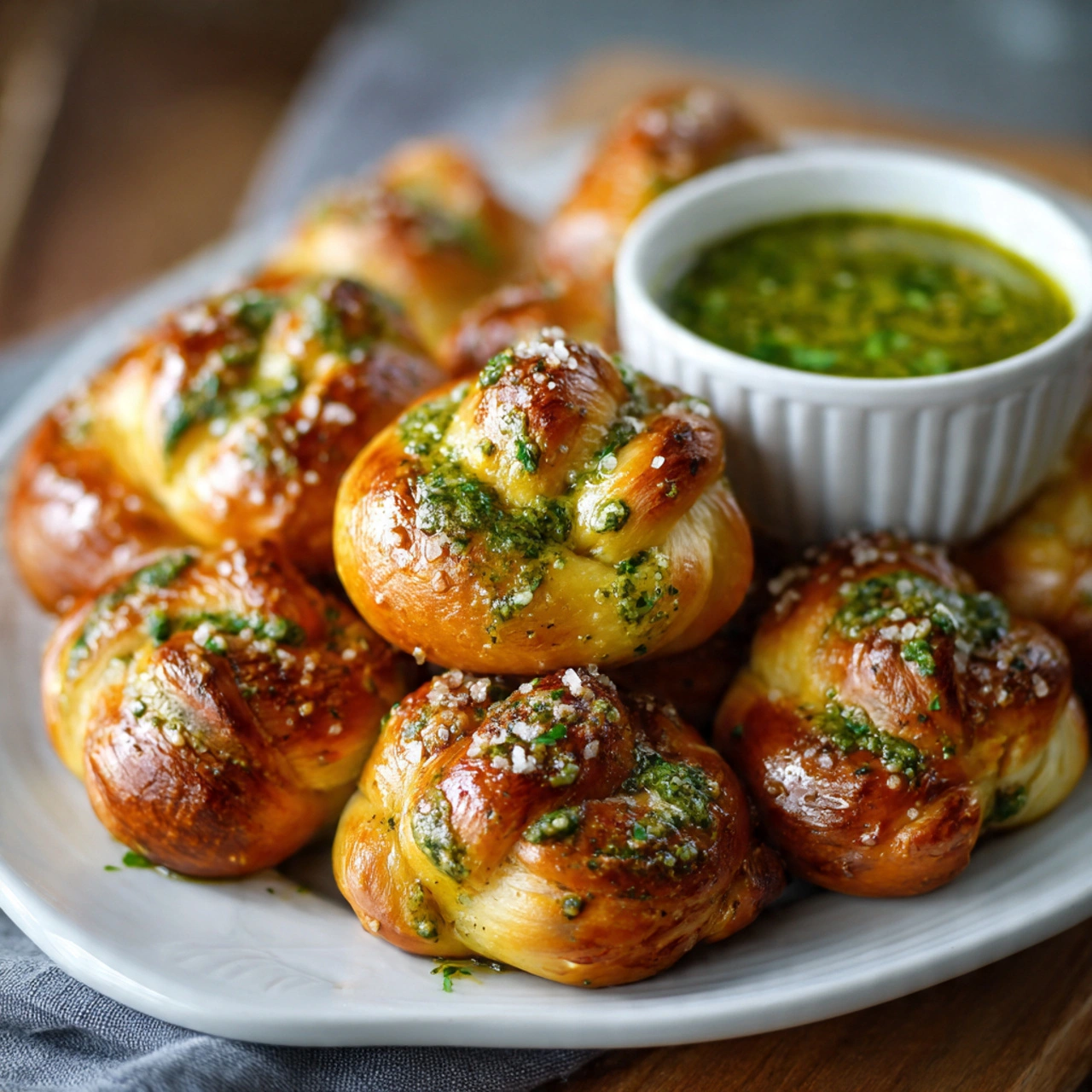
Garlic Knots: Use pizza dough instead of bread. Roll into ropes, tie into knots, brush with garlic butter, bake, then toss with cheese and return to oven briefly.
Cheesy Garlic Breadsticks: Use a French baguette, cut into lengthwise strips, butter, cheese, and bake. Creates fun dippable sticks.
Spicy Version: Add ½ teaspoon red pepper flakes to the garlic butter and use pepper jack cheese instead of mozzarella.
Herb Lover’s Version: Add fresh oregano, basil, and thyme to the butter along with parsley. Use Italian cheese blend with added romano.
Everything Bagel Style: Sprinkle everything bagel seasoning over the buttered bread before adding cheese.

Frequently Asked Questions (FAQ)
1. Can I make Cheesy Garlic Bread without fresh garlic?
While fresh garlic is strongly recommended for best flavor, you can use garlic powder in a pinch. Use 2-3 teaspoons of garlic powder mixed into the butter instead of fresh cloves. The flavor will be milder and less complex, but still recognizably garlicky. Jarred minced garlic works better than powder—use about 2 tablespoons to replace 4-6 fresh cloves. For even better results, use both garlic powder AND fresh garlic for maximum punch.
2. What’s the best bread for Cheesy Garlic Bread?
Italian bread and French baguettes are classic choices because they have a sturdy structure, good crust, and soft interior that contrasts beautifully when toasted. Sourdough adds tangy complexity. Ciabatta works wonderfully. Avoid very soft sandwich breads which become too soggy, or extremely dense artisan breads which can be too chewy. The ideal bread has enough structure to support butter and cheese while still having a tender interior.
3. Can I use margarine instead of butter?
You can, but butter is strongly recommended for superior flavor. Butter has a richness and depth that margarine simply cannot replicate. If you must use margarine due to dietary restrictions, choose a high-quality brand and consider adding a tablespoon of olive oil to the mixture to improve the flavor. For dairy-free versions, use plant-based butter which generally performs better than margarine in this application.
4. How do I prevent the cheese from sliding off when I cut the bread?
Let the bread rest for 2-3 minutes after removing from the oven before cutting. This brief cooling period allows the cheese to set slightly and adhere better to the bread. Also, make sure you’re using freshly shredded cheese (not pre-shredded) which melts and sticks better. Cut with a sharp knife or pizza wheel using a swift sawing motion rather than pressing down, which can push the cheese off.
5. Can I make Cheesy Garlic Bread in advance for a party?
Yes! The best approach is to prepare the garlic butter mixture up to 3 days ahead and refrigerate. On party day, bring the butter to room temperature, spread it on bread, and bake fresh right before serving. Alternatively, you can fully assemble the buttered bread (before adding cheese), wrap tightly, and refrigerate for up to 8 hours. Add cheese and bake just before serving. For maximum make-ahead, assemble completely and freeze unbaked for up to 2 months.
6. Why isn’t my garlic bread getting crispy?
Several factors cause this: the bread wasn’t toasted long enough before adding cheese, there’s too much moisture from wet ingredients, the oven temperature is too low, or you covered it while baking/cooling (trapped steam makes it soggy). Make sure you’re baking at 400°F, toasting the buttered bread for a full 8-10 minutes before adding cheese, and leaving the bread uncovered throughout the entire process.
7. Can I add meat to Cheesy Garlic Bread?
Absolutely! Cooked, crumbled bacon is a popular addition—sprinkle it under or over the cheese before the final bake. Pepperoni slices work wonderfully for a pizza-garlic bread hybrid. Cooked Italian sausage, crumbled, adds hearty flavor. Always use pre-cooked meat since the baking time isn’t long enough to cook raw meat safely. Add meat after the initial toast and before the cheese for best results.
8. What can I serve with Cheesy Garlic Bread besides pasta?
Cheesy Garlic Bread pairs well with countless dishes: any soup (especially tomato, minestrone, or chicken noodle), grilled meats like steak or chicken, roasted vegetables, salads, chili, stews, or even as part of a charcuterie/appetizer board. Some people enjoy it alongside breakfast eggs. Really, it’s so universally loved that it works with almost anything—or even as a standalone snack.
Nutrition Information (Per Serving, Based on 8 Servings)
Calories: 285 kcal
Total Fat: 16g
- Saturated Fat: 9g
- Trans Fat: 0g
Cholesterol: 40mg
Sodium: 520mg
Total Carbohydrates: 27g
- Dietary Fiber: 1g
- Sugars: 2g
Protein: 10g
Vitamin A: 8% DV
Vitamin C: 2% DV
Calcium: 22% DV
Iron: 8% DV
Note: Nutrition information is approximate and based on Italian bread, butter, fresh garlic, and a mozzarella-parmesan cheese blend. Values will vary based on specific bread type, cheese varieties used, and serving size. This is an indulgent side dish meant to be enjoyed as part of a balanced meal.

Conclusion: Cheesy Garlic Bread That Deserves Center Stage
Cheesy Garlic Bread is one of those rare recipes where the side dish has genuine potential to steal the show from the main course—and honestly, that’s perfectly okay. Life’s too short not to celebrate food that brings this much joy to the table.
What I love most about this recipe is how it takes simple, everyday ingredients and elevates them into something genuinely special through proper technique. The two-stage baking, generous garlic, quality butter, and freshly shredded cheese all work together to create something that’s exponentially better than the sum of its parts. It’s not complicated or fussy—it’s just done right.
Since perfecting this recipe, I’ve made Cheesy Garlic Bread for countless meals, parties, and gatherings. It’s become my signature contribution to potlucks because I know it will disappear completely. I’ve watched picky eaters who “don’t like garlic” suddenly become garlic bread enthusiasts. I’ve seen people who are supposedly watching their carbs abandon all discipline for one more piece. That’s the power of really good garlic bread.
The beauty is in how adaptable it is to your preferences. Love extra garlic? Add more. Want it spicier? Red pepper flakes are your friend. Prefer different cheeses? Mix and match to your heart’s content. Once you nail the fundamental technique, you can play with flavors endlessly.
So preheat that oven, soften that butter, and get ready to make garlic bread that’ll have people reaching across the table, abandoning politeness, and quite possibly suggesting you open a restaurant. Your Cheesy Garlic Bread journey starts now.
Happy baking!
PrintCheesy Garlic Bread: The Irresistible Side That Steals the Show

This ultimate Cheesy Garlic Bread features a perfectly crispy, buttery, garlicky base topped with a generous layer of melted cheese that bubbles and browns beautifully. The two-stage baking process ensures crispy edges and soft centers while the cheese gets perfectly melty. Ready in just 20 minutes, this crowd-pleasing side dish pairs with pasta, soup, salads, or stands alone as an irresistible appetizer.
- Prep Time: 10 minutes
- Cook Time: 15 minutes
- Total Time: 25 minutes
- Yield: 8 servings
- Category: Side Dish, Appetizer, Bread
- Method: Baking
- Cuisine: American, Italian
- Diet: Vegetarian
Ingredients
Garlic Butter:
- 1 large loaf Italian or French bread (about 16 inches)
- ½ cup (1 stick) unsalted butter, softened
- 4-6 cloves fresh garlic, minced
- 2 tablespoons fresh parsley, finely chopped
- ½ teaspoon salt
- ¼ teaspoon black pepper
- ½ teaspoon garlic powder (optional)
- ¼ teaspoon Italian seasoning
Cheese Topping:
- 1½ cups shredded mozzarella cheese
- ½ cup shredded parmesan cheese
- ¼ cup shredded provolone (optional)
Optional: red pepper flakes, fresh basil, olive oil drizzle
Instructions
- Prep: Preheat oven to 400°F. Line baking sheet with foil. Slice bread loaf in half horizontally.
- Make garlic butter: Combine softened butter, minced garlic, parsley, salt, pepper, garlic powder, and herbs in bowl. Mix until well combined and fluffy.
- Butter bread: Spread garlic butter generously over both bread halves, reaching all the way to edges.
- First bake: Bake 8-10 minutes until bread is lightly golden and crispy on edges.
- Add cheese: Remove from oven. Sprinkle mozzarella evenly over both halves, then top with parmesan and provolone.
- Final bake: Return to oven and bake 5-7 minutes until cheese is melted and bubbly. Optional: broil 1-2 minutes for golden-brown spots (watch carefully).
- Finish: Sprinkle with fresh parsley or basil. Let rest 2-3 minutes, slice into pieces, and serve hot.
Notes
- Fresh garlic is essential for best flavor
- Pre-toast bread before adding cheese for crispy texture
- Use freshly shredded cheese for better melting
- Don’t skip the resting time before cutting
- Butter all the way to edges for crispiest results
- Watch closely when broiling—burns happen fast
- Can assemble ahead and bake just before serving
- Freezes well unbaked for up to 2 months
- Reheat in oven wrapped in foil for best results
- Best served fresh and hot within 10-15 minutes