
Introduction
Have you ever experienced Baked Yogurt, the sublime Middle Eastern dessert that transforms simple yogurt into a golden, caramelized delicacy with the texture of silk and the flavor of heaven? This ancient recipe, cherished across Turkey, Lebanon, and throughout the Mediterranean, creates something truly magical through the simple act of slow baking—turning everyday yogurt into a luxurious custard-like dessert that’s simultaneously rich and refreshing, indulgent yet surprisingly light.
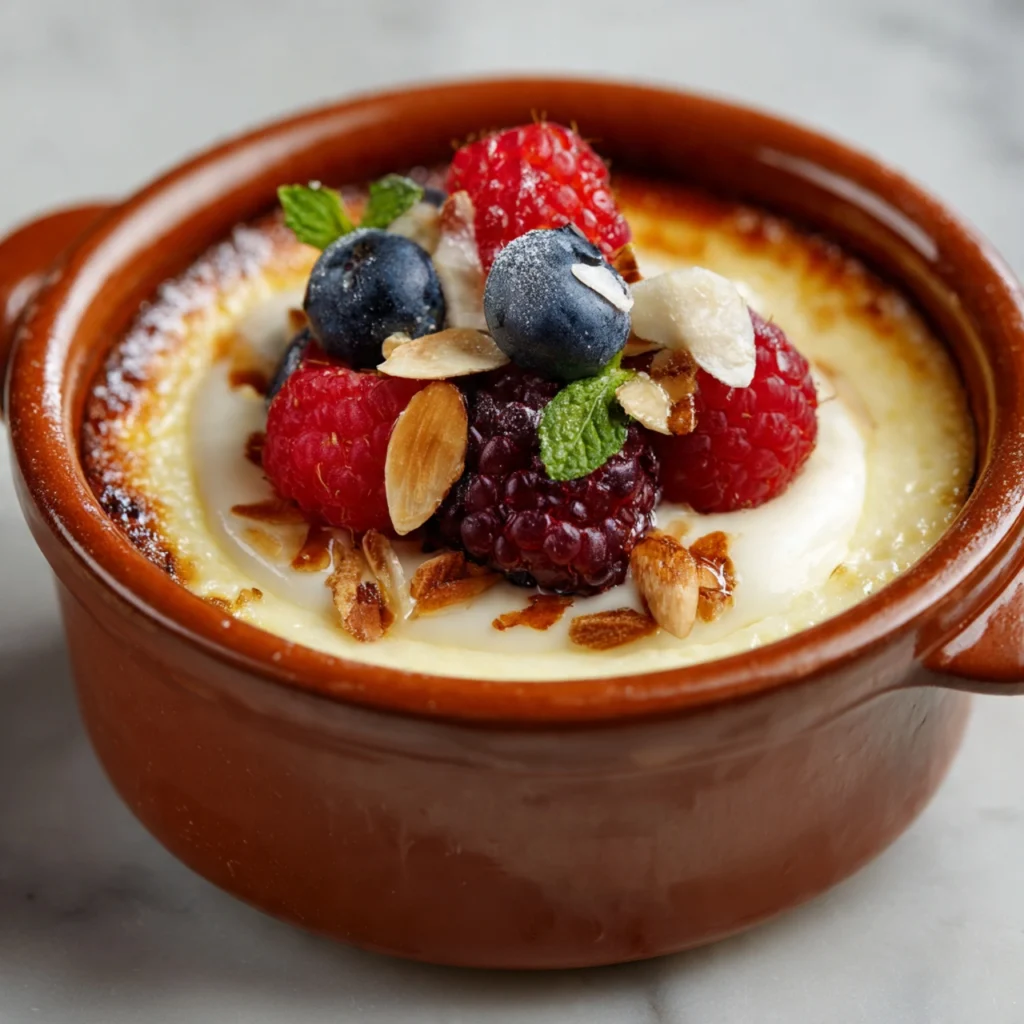
Unlike regular yogurt or parfaits, baked yogurt transforms in the oven. Gentle heat concentrates the flavor, creates a lightly caramelized golden top, and produces an ultra-creamy texture between panna cotta, crème brûlée, and rich Greek yogurt. Elegant enough for guests, yet easy enough for a weeknight dessert.
What makes Baked Yogurt particularly special is its versatility and the way it bridges cultures and occasions. In Turkey, it’s called “Fırın Sütlaç” when made with rice, but the pure yogurt version stands gloriously on its own. Serve it warm for a comforting winter dessert, chilled for a refreshing summer treat, drizzled with honey and nuts for an impressive dinner party finale, or simply plain with fresh fruit for a healthier indulgence. The gentle sweetness, tangy undertones, and velvety texture make it universally appealing.
I first encountered Baked Yogurt at a small family restaurant in Istanbul, where the grandmother made batch after batch in ancient ceramic dishes, each one emerging from the oven with that signature golden top and irresistible aroma. After years of experimentation and recipe testing, I’ve perfected a version that captures that same magic while being completely achievable in your home kitchen with regular ingredients and equipment.
Ingredients
For the Baked Yogurt Base:
- 4 cups (32 ounces/950ml) full-fat plain Greek yogurt
- ¾ cup (150g) granulated sugar
- 3 large eggs, room temperature
- 2 large egg yolks, room temperature
- ⅓ cup (40g) all-purpose flour
- 2 teaspoons pure vanilla extract
- ¼ teaspoon salt
- Zest of 1 lemon (optional, for brightness)
For the Topping and Serving:
- 2 tablespoons honey or maple syrup
- ¼ cup pistachios, roughly chopped
- ¼ cup sliced almonds, toasted
- 2 tablespoons dried rose petals (optional, for garnish)
- Fresh berries or pomegranate seeds
- Ground cinnamon or cardamom for dusting
Alternative Sweetener Options:
- ¾ cup honey (for honey-sweetened version)
- ⅔ cup maple syrup (for maple version)
- ½ cup coconut sugar (for lower glycemic option)
Flavor Variation Add-Ins (Optional):
- 1 teaspoon rose water or orange blossom water
- ½ teaspoon ground cardamom
- 1 teaspoon ground cinnamon
- 2 tablespoons tahini (for nutty depth)
Step-by-Step Instructions
Step 1: Prepare Your Oven and Baking Dish
Preheat your oven to 325°F (165°C). This moderate temperature is crucial—too hot and your Baked Yogurt will curdle or develop an unpleasant grainy texture; too low and it won’t set properly or develop that characteristic golden top. Choose a 9×13-inch baking dish, a deep 10-inch round ceramic dish, or 6-8 individual ramekins depending on your presentation preference. Lightly butter or oil your chosen dish(s), ensuring every surface is coated. This prevents sticking and makes serving effortless later. Place your baking dish inside a larger roasting pan—you’ll be creating a water bath (bain-marie), which ensures gentle, even cooking.
Step 2: Mix Your Wet Ingredients Thoroughly
In a large mixing bowl, combine 4 cups of full-fat Greek yogurt with ¾ cup sugar. Using a whisk or wooden spoon, stir vigorously for 1-2 minutes until the sugar begins dissolving into the yogurt and the mixture becomes smooth. Don’t rush this step—proper incorporation prevents graininess in your final product. The mixture should be completely homogeneous with no streaks of yogurt or pockets of sugar. If you’re using honey or maple syrup instead of granulated sugar, they’ll incorporate even more easily.
Step 3: Add Eggs Gradually for Smooth Texture
In a separate bowl, lightly beat together 3 whole eggs and 2 egg yolks until the yolks and whites are just combined—you don’t want to incorporate too much air. Add the beaten eggs to your yogurt mixture about one-third at a time, whisking continuously after each addition. This gradual incorporation prevents the eggs from curdling or cooking prematurely from contact with the yogurt. Whisk until each addition is completely smooth before adding the next portion. The resulting mixture should be silky, pourable, and uniform in color.
Step 4: Incorporate Flour and Flavorings
Sift ⅓ cup all-purpose flour directly into your yogurt-egg mixture. Sifting is important—it prevents lumps and ensures the flour disperses evenly throughout. Whisk gently but thoroughly until no flour streaks remain and the batter is perfectly smooth. Add 2 teaspoons vanilla extract, ¼ teaspoon salt, and any optional flavorings like lemon zest, rose water, or spices. The salt is crucial—it balances the sweetness and enhances all the other flavors. Whisk everything together until completely combined, about 1 minute. The batter should be smooth, creamy, and pourable, similar to thick cream or pancake batter.
Step 5: Pour and Prepare for Baking
Pour your prepared Baked Yogurt mixture into your greased baking dish(es), distributing evenly. If using multiple ramekins, fill each to about ¾ inch from the top to allow for slight expansion during baking. Gently tap the dish on the counter 2-3 times to release any air bubbles trapped in the batter—these can create holes or uneven texture in your finished dessert. Place your filled baking dish into the larger roasting pan. Carefully pour hot (not boiling) water into the roasting pan until it reaches halfway up the sides of your yogurt dish. This water bath regulates temperature and prevents the edges from overcooking while the center sets.
Step 6: Bake Low and Slow
Carefully transfer the entire setup to your preheated 325°F oven, taking care not to splash water into the yogurt mixture. Bake for 50-70 minutes, depending on the depth of your dish. Individual ramekins will take 45-50 minutes, while a deeper single dish needs the full 65-70 minutes. The Baked Yogurt is done when the edges are set and slightly puffed, the top has developed a beautiful golden color with darker caramelized spots, and the center still has a slight jiggle when you gently shake the pan—similar to a just-set custard or cheesecake. A toothpick inserted 2 inches from the edge should come out mostly clean with just a few moist crumbs.
Step 7: Cool Properly for Best Texture
Remove the roasting pan from the oven and carefully lift your yogurt dish out of the water bath using oven mitts—it will be extremely hot. Place on a wire cooling rack and allow to cool at room temperature for 30 minutes. During this time, the Baked Yogurt will continue cooking gently from residual heat and the texture will firm up. After 30 minutes, cover loosely with plastic wrap or aluminum foil (don’t let it touch the surface) and transfer to the refrigerator. Chill for at least 4 hours or preferably overnight. The extended chilling time allows flavors to develop fully and the texture to become perfectly creamy and spoonable.
Step 8: Serve and Garnish
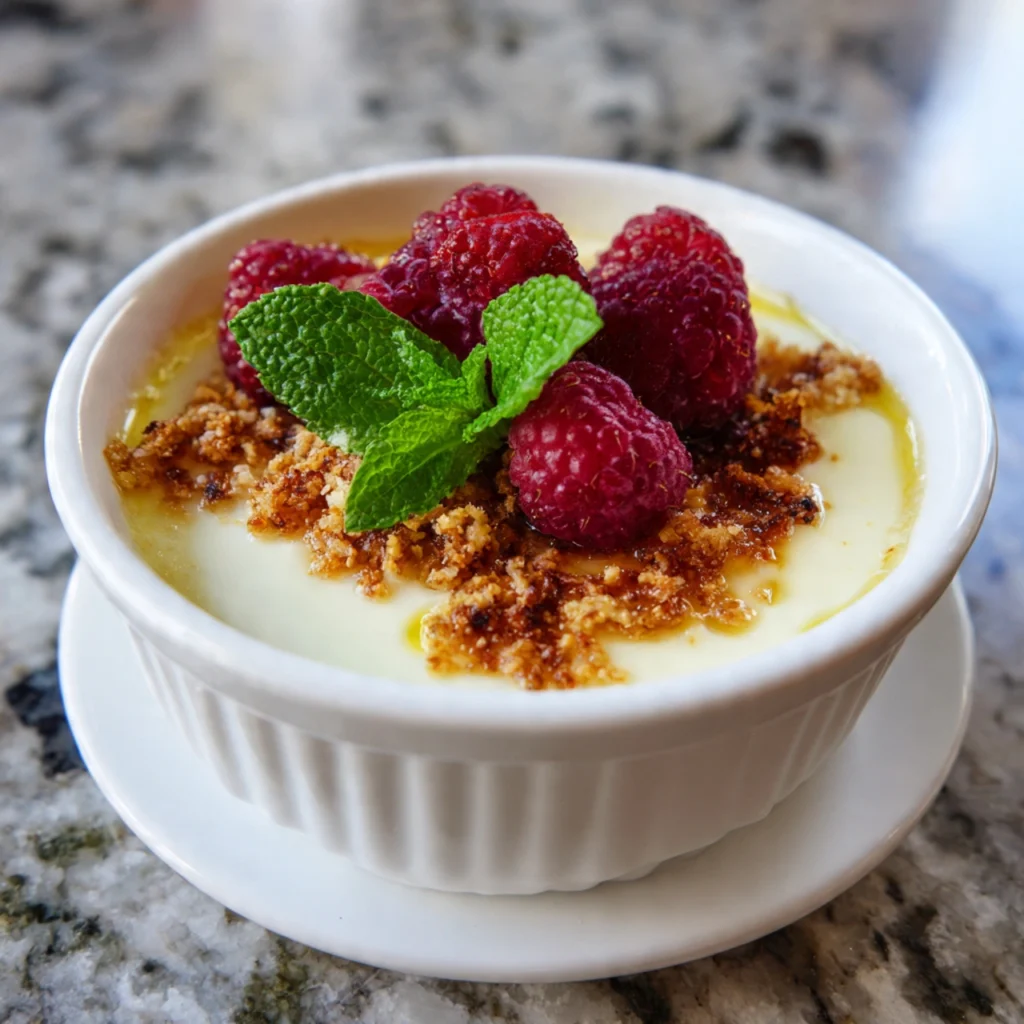
When ready to serve, remove your Baked Yogurt from the refrigerator. It can be served chilled (my preference for hot weather) or brought to room temperature for 20-30 minutes (which intensifies the flavors). Drizzle the top with honey or maple syrup, scatter with chopped pistachios and toasted almonds, add fresh berries or pomegranate seeds, and dust lightly with cinnamon or cardamom. You can also sprinkle dried rose petals for an authentic Middle Eastern touch. Scoop generous portions into serving bowls and watch your guests marvel at this extraordinary dessert.
Pro Tips for the Perfect Baked Yogurt
Choose Full-Fat Greek Yogurt: Full-fat Greek yogurt is essential for a creamy, custard-like texture. Low-fat yogurt turns grainy and watery. If using regular yogurt, strain it for 4–6 hours first.
Use Room Temperature Ingredients: Cold eggs can cause curdling. Bring eggs to room temperature or warm them briefly in water before mixing.
Always Use a Water Bath:
A bain-marie ensures gentle, even baking, prevents cracks, and keeps the texture silky. Skipping it risks rubbery edges and an undercooked center.
Know When It’s Done: The center should jiggle slightly. Test near the edge, not the center. Overbaking causes graininess—cooling will finish the set.
Add Traditional Flavors: Cardamom, cinnamon, saffron, rose water, or orange blossom water enhance authenticity without overpowering the yogurt.
Toast Nuts First:
Toasted pistachios or almonds add deeper flavor and crunch. Toast at 350°F for 5–7 minutes.
Adjust Sweetness Carefully: Use ½ cup sugar for a lighter dessert or up to 1 cup for richer sweetness. Remember toppings add extra sweetness.
Use Ramekins if Possible: Individual portions look elegant, cook faster, and create more caramelized tops.
Try Other Thick Yogurts:Skyr or Turkish süzme yogurt work well. Avoid thin or runny yogurts.
Finish with Toppings: Nuts, dried fruit, berries, and spices add texture, flavor, and a restaurant-quality look.
Common Mistakes to Avoid
Using Low-Fat Yogurt: Low-fat or non-fat yogurt creates a watery, grainy texture. Full-fat yogurt is essential for a rich, custardy result.
Overbaking: The center should jiggle slightly when removed from the oven. It firms up while cooling. Overbaking causes curdling and graininess.
Skipping the Water Bath:The water bath ensures even cooking and a smooth texture. Skipping it leads to cracks, rubbery edges, and undercooked centers.
Adding Eggs Too Fast: Add eggs gradually, whisking after each addition to avoid curdling or eggy pockets.
Not Sifting the Flour: Unsifted flour causes lumps and a gritty texture. Sifting takes seconds and improves smoothness.
Using Cold Ingredients: Cold ingredients prevent proper emulsification. Bring everything to room temperature before mixing.
Overmixing: Overmixing adds air, creating bubbles and holes. Mix just until smooth.
Not Cooling Long Enough: Warm baked yogurt won’t hold its shape. Cool completely, then refrigerate at least 4 hours (overnight is best).
Forgetting to Grease the Dish: Greasing ensures easy release and clean serving, especially for slicing.
Wrong Oven Temperature: Bake at 325°F for best results. Higher heat causes curdling; lower heat prevents proper setting.
Storage and Serving Suggestions
Storage Guidelines:
Refrigerator Storage: Store Baked Yogurt covered tightly with plastic wrap or in an airtight container in the refrigerator for up to 5 days. The flavor actually improves over the first 2-3 days as the sweetness mellows and the tanginess becomes more pronounced. Make sure your storage container is airtight to prevent the yogurt from absorbing other refrigerator odors.
Freezing (Not Recommended): Unlike many desserts, Baked Yogurt doesn’t freeze well. The freezing and thawing process causes the proteins to separate, resulting in a grainy, watery texture when defrosted. If you have leftovers you can’t finish within 5 days, it’s better to share them with neighbors than attempt freezing.
Make-Ahead Timing: Baked Yogurt is an excellent make-ahead dessert, perfect for entertaining. Make it 1-2 days before your event, allowing flavors to develop fully. Add toppings just before serving to maintain textural contrast—nuts can become soggy if added too early.
Portion Storage: If you’ve made individual ramekins, you can cover each one individually with plastic wrap. This is convenient if different people will be eating them at different times, and it prevents the entire batch from being exposed to air each time someone takes a serving.
Serving Suggestions:
Temperature Options:
Serve baked yogurt chilled for a refreshing dessert or at room temperature to enhance flavor. For a warm option, microwave for 15–20 seconds.
Classic Middle Eastern Style:Drizzle with honey, top with pistachios and rose petals, and serve with Turkish coffee or mint tea.
Fruit Pairings:Pair with berries, figs, pomegranate seeds, or caramelized pears. Macerate fruit with sugar and lemon juice for extra flavor.
Breakfast Idea:Serve with granola, fresh fruit, and maple syrup for a protein-rich, indulgent breakfast.
Dinner Party Serving:Present in individual ramekins with powdered sugar, mint, and a cookie for a restaurant-style finish.
Brunch Buffet Option:Offer as a lighter brunch dessert with assorted toppings so guests can customize.
Sauce Pairings:Enhance with berry coulis, chocolate, caramel, or tahini-date syrup for variety
Frequently Asked Questions (FAQs)
Q1: Can I use regular yogurt instead of Greek yogurt?
Yes, but you must strain full-fat regular yogurt first to remove excess liquid. Refrigerate it in a cheesecloth-lined strainer for 4–6 hours (or overnight). You’ll need about 6 cups of regular yogurt to get 4 cups thick yogurt. Greek yogurt is easier and more consistent.
Q2: Why did my Baked Yogurt turn grainy or curdled?
This usually happens from low-fat yogurt, high oven temperature, or overbaking. Use full-fat yogurt, bake at 325°F, and remove it while the center still jiggles slightly. Room-temperature ingredients also help.
Q3: Is Baked Yogurt healthy?
More nutritious than most desserts, this baked yogurt is rich in protein, calcium, and vitamin B12, with some probiotics remaining after baking. Reducing the sugar to ½ cup makes it a lighter option.
Q4: Can I make Baked Yogurt without eggs?
Eggs are key for structure and creaminess, but you can try substitutes. Use ¾ cup blended silken tofu or a commercial egg replacer for 5 eggs, and increase flour to ½ cup. The texture will be more pudding-like.
Q5: How is this different from other baked yogurt dishes?
This is a sweet Middle Eastern custard-style dessert. Other baked yogurts are tangy and spreadable, while dishes like Turkish Fırın Sütlaç include rice. This version is creamy with a golden top.
Q6: Can I reduce the sugar?
Yes, reduce to ½ cup. The dessert will be tangier, slightly firmer, and less caramelized. You can also replace half the sugar with honey or maple syrup, but don’t go below ½ cup.
Q7: Why is there liquid on top after baking?
That’s whey, usually caused by overbaking or low-fat yogurt. Blot it gently before serving. Next time, shorten baking time slightly and use full-fat Greek yogurt.

Nutrition Information (Approximate Values per Serving)
Serving Size: 1 cup (based on 8 servings from 9×13 pan)
- Calories: 215
- Total Fat: 8g
- Saturated Fat: 4.5g
- Trans Fat: 0g
- Cholesterol: 130mg
- Sodium: 135mg
- Total Carbohydrates: 26g
- Dietary Fiber: 0g
- Sugars: 24g
- Protein: 10g
- Calcium: 18% DV
- Vitamin A: 6% DV
- Vitamin B12: 15% DV
- Riboflavin: 12% DV
- Phosphorus: 15% DV
Additional Nutritional Notes:
- High in protein compared to most desserts
- Good source of calcium for bone health
- Contains probiotics (though reduced during baking)
- Rich in B vitamins from eggs and yogurt
Note: Nutritional information is approximate and based on full-fat Greek yogurt and granulated sugar without toppings. Actual values will vary based on specific brands, yogurt fat content, and any additions like nuts, honey, or fruit. Toppings will add additional calories, fats, and nutrients.
Final Thoughts
Baked Yogurt represents the beautiful simplicity of Mediterranean and Middle Eastern cuisine—taking humble, everyday ingredients and transforming them through technique and time into something truly extraordinary. This isn’t a dessert that relies on exotic ingredients, complicated procedures, or expensive equipment. Instead, it showcases what happens when you treat simple foods with respect, patience, and proper technique.
What I love most about this recipe is how it surprises people. Guests always ask, “What is this?” with genuine curiosity and delight. When you explain it’s basically baked yogurt, they’re amazed that something so simple can taste so sophisticated. The gentle tang of yogurt, the custard-like creaminess, the caramelized top, and the complementary toppings create a flavor and texture experience that feels special without being fussy.
Baked Yogurt also represents a healthier indulgence—while it contains sugar and should be enjoyed in moderation, it delivers genuine nutritional value through protein, calcium, and probiotics rather than empty calories. Compared to cakes, ice cream, or other rich desserts, this feels like a more balanced choice that satisfies your sweet tooth while nourishing your body.
Whether you’re exploring Middle Eastern cuisine, looking for impressive make-ahead desserts for entertaining, or simply want to experience how a few simple ingredients can create magic in the oven, this Baked Yogurt recipe deserves a place in your culinary repertoire. The ancient wisdom of Mediterranean grandmothers knew what they were doing—sometimes the best recipes are the ones that have been quietly perfected over centuries, passed down through generations, and finally shared with the wider world.
Make this Baked Yogurt, serve it proudly, and experience a dessert tradition that has delighted people across cultures and continents for generations!
PrintBaked Yogurt: The Creamy Middle Eastern Dessert That Will Transform Your Kitchen

Baked Yogurt is a luxurious Middle Eastern dessert that transforms simple Greek yogurt into a golden, caramelized delicacy with silky custard-like texture. Gently baked in a water bath until creamy and set, then topped with honey, pistachios, and fresh fruit, this elegant yet easy dessert bridges the gap between comfort food and sophisticated entertaining.
- Prep Time: 15 minutes
- Cook Time: 60 minutes
- Total Time: 5 hours 15 minutes
- Yield: 8-10 servings
- Category: Dessert, Pudding
- Method: Baking (water bath)
- Cuisine: Middle Eastern, Turkish, Mediterranean
- Diet: Vegetarian
Ingredients
- Base: 4 cups full-fat Greek yogurt, ¾ cup sugar, 3 whole eggs, 2 egg yolks, ⅓ cup flour, 2 tsp vanilla, ¼ tsp salt
- Optional: Lemon zest, rose water, cardamom
- Toppings: Honey, pistachios, almonds, fresh berries, pomegranate seeds, rose petals, cinnamon
Instructions
- Preheat oven to 325°F; grease 9×13 baking dish; prepare water bath setup
- Mix yogurt and sugar until smooth and sugar dissolves (1-2 minutes)
- Gradually add beaten eggs in three additions, whisking constantly
- Sift in flour; add vanilla, salt, and optional flavorings; whisk until smooth
- Pour into prepared dish; tap to release air bubbles; place in water bath
- Bake 50-70 minutes until edges set, center jiggles, and top is golden
- Cool at room temperature 30 minutes, then refrigerate minimum 4 hours
- Serve chilled or room temperature with honey, nuts, and fresh fruit
Notes
- Full-fat Greek yogurt is essential—low-fat creates grainy texture
- Water bath prevents curdling and ensures even, custard-like consistency
- Center should jiggle slightly when done; it sets during cooling
- Room temperature eggs prevent curdling and ensure smooth incorporation
- Flavor improves after 1-2 days in refrigerator
- Best consumed within 5 days; doesn’t freeze well
- Adjust sugar to taste (½-1 cup range depending on preference)