Introduction
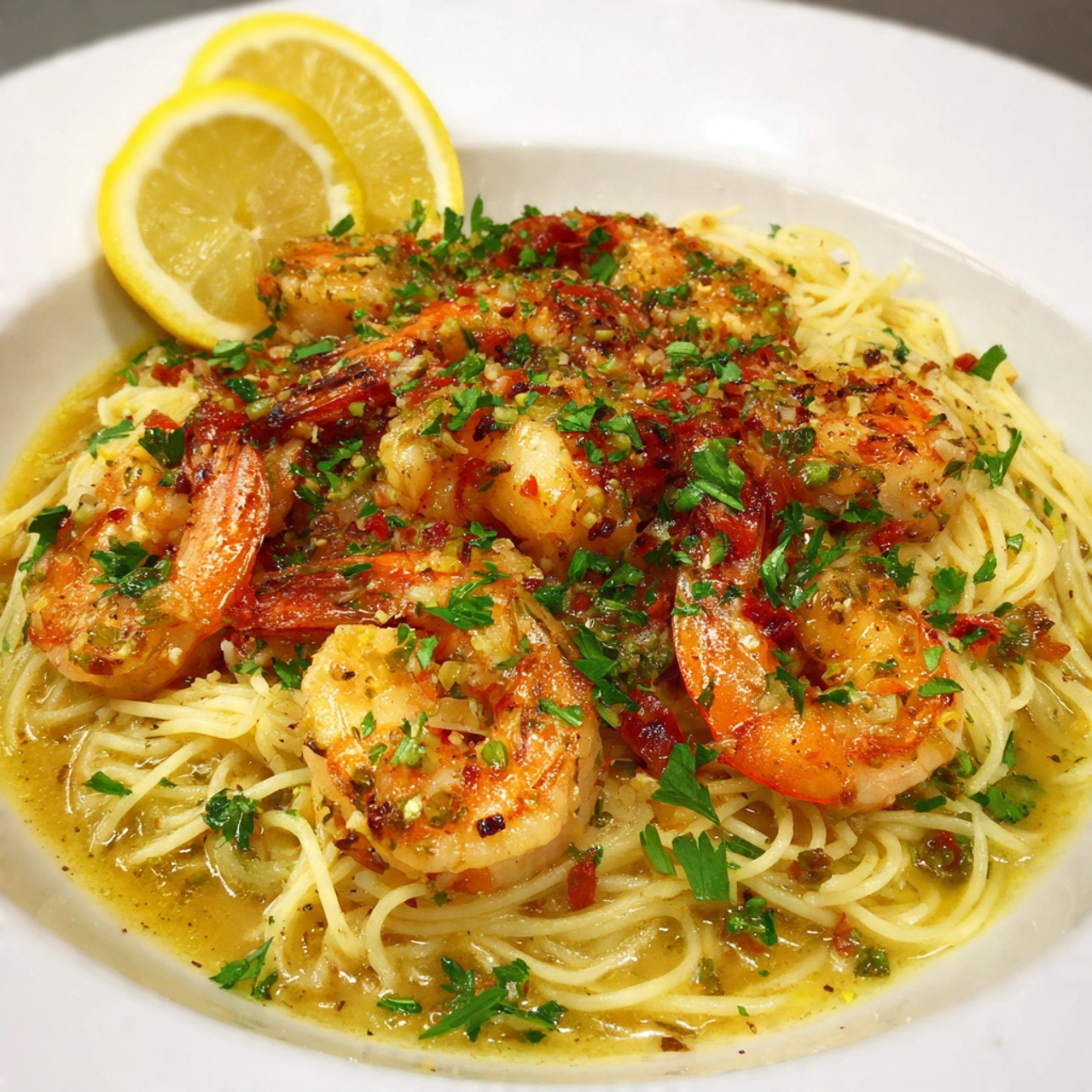
This shrimp scampi recipe combines succulent shrimp with a garlic butter wine sauce in just 20 minutes, delivering restaurant-quality flavor. With simple, high-quality ingredients and proper technique, it’s perfect for a romantic dinner, quick weeknight meal, or mastering a classic Italian-American dish.
What makes shrimp scampi recipe so beloved is its incredible versatility paired with foolproof execution. The basic technique—sautéing shrimp in butter and garlic, deglazing with wine, finishing with lemon and parsley—creates a sauce so delicious you’ll want to soak it up with crusty bread, toss it with pasta, or serve it over rice. The shrimp cook in mere minutes, developing a beautiful golden exterior while staying tender inside, and the sauce brings brightness from lemon, depth from wine, richness from butter, and aromatic complexity from garlic. It’s a dish that feels special enough for company yet easy enough for a Tuesday night.
My love affair with shrimp scampi recipe began at a small Italian-American restaurant where I watched the chef prepare it tableside, the kitchen aromas of garlic and butter wafting through the dining room. After that meal, I became determined to recreate those flavors at home, testing countless variations until I perfected this version that captures everything I love about the dish. The secret lies in not overcooking the shrimp (they turn rubbery fast!), using quality butter and wine, and balancing the garlic so it’s pronounced but not overwhelming. This recipe has become my go-to when I want to impress without stress.

Ingredients
For the Shrimp Scampi:
- 1½ pounds large shrimp (21-25 count), peeled and deveined, tails on or off
- 4 tablespoons unsalted butter, divided
- 2 tablespoons extra virgin olive oil
- 6-8 large cloves garlic, minced (about 2 tablespoons)
- ½ teaspoon red pepper flakes (optional, adjust to taste)
- ½ cup dry white wine (Sauvignon Blanc, Pinot Grigio, or dry vermouth)
- 3 tablespoons fresh lemon juice (about 1 large lemon)
- ¼ cup fresh parsley, finely chopped
- Salt and freshly ground black pepper to taste
- Lemon zest from 1 lemon (optional, for extra brightness)
For Serving:
- 1 pound pasta (linguine, angel hair, or spaghetti) cooked according to package directions
- OR crusty Italian bread for soaking up sauce
- OR cooked white rice or cauliflower rice
- Extra fresh parsley for garnish
- Lemon wedges for serving
- Grated Parmesan cheese (optional, though not traditional)
Step-by-Step Instructions
Step 1: Prepare Your Ingredients
Pat the shrimp completely dry with paper towels—this is essential for getting a nice sear rather than steaming them. Season the shrimp on both sides with salt and pepper. Mince your garlic finely (don’t use a garlic press, which makes it too watery), juice your lemon, chop your parsley, and measure out your wine and butter.
Having everything prepped and ready before you start cooking is crucial for this shrimp scampi recipe because once you begin, things move quickly. This is classic mise en place, and it prevents scrambling while your shrimp overcook. If serving with pasta, start cooking it now so it’s ready when your shrimp scampi is done.
Step 2: Sear the Shrimp
Heat a large skillet (preferably 12-inch) over medium-high heat. Add 2 tablespoons of butter and the olive oil. Once the butter is melted and the foam subsides, add the shrimp in a single layer—work in batches if necessary to avoid crowding.
Cook the shrimp for 1-2 minutes on the first side without moving them, until they’re pink and slightly golden on the bottom. Flip and cook for another 1 minute on the second side. The shrimp don’t need to be fully cooked at this point—they’ll finish cooking in the sauce. Transfer the shrimp to a plate and set aside.
This initial sear is what gives your shrimp scampi recipe that restaurant-quality appearance and adds depth to the overall flavor through caramelization.
Step 3: Build the Garlic Base
In the same skillet (don’t wipe it out—those browned bits add flavor!), reduce heat to medium. Add the remaining 2 tablespoons of butter. Once melted, add the minced garlic and red pepper flakes if using.
Sauté for 30-60 seconds, stirring constantly, until the garlic is fragrant and just beginning to turn golden. Be very careful not to burn the garlic—it turns bitter quickly. If your pan seems too hot, remove it from the heat while adding garlic, then return it.
This step is critical for a great shrimp scampi recipe because garlic is the aromatic foundation of the dish. You want it cooked enough to mellow its raw bite but not so much that it browns deeply or burns.
Step 4: Deglaze with Wine
Pour in the white wine all at once. The wine will sizzle and steam dramatically—this is deglazing, and it’s lifting all those flavorful browned bits (fond) from the bottom of the pan. Use a wooden spoon to scrape up any stuck-on bits.
Let the wine simmer vigorously for 2-3 minutes to cook off the alcohol and reduce the liquid by about half. The sauce will concentrate in flavor and the raw wine taste will cook out, leaving behind just the wine’s acidity and depth.
This reduction is what creates the complex, restaurant-quality sauce that defines a proper shrimp scampi recipe. Don’t rush it—those few minutes make a huge difference.
Step 5: Add Lemon and Return Shrimp
Stir in the fresh lemon juice and lemon zest if using. Return the shrimp to the skillet along with any juices that accumulated on the plate. Toss everything together and let the shrimp finish cooking in the sauce for 1-2 minutes until they’re just cooked through—they should be pink, opaque, and slightly firm but not rubbery.
The lemon brightens the rich butter and wine sauce, creating perfect balance. Fresh lemon juice is essential here—bottled lemon juice doesn’t have the same vibrant flavor and can taste artificial in a delicate dish like shrimp scampi recipe.
Step 6: Finish with Parsley and Season
Remove the skillet from heat. Stir in the chopped fresh parsley, coating the shrimp evenly. Taste the sauce and adjust seasoning with more salt, pepper, or lemon juice as needed. The sauce should taste bright, garlicky, buttery, and well-balanced—not too acidic or too rich.
If the sauce seems thin, you can swirl in an extra tablespoon of cold butter off the heat, which will help emulsify and slightly thicken it. If it’s too thick, add a splash of pasta water or chicken stock.
Step 7: Serve Immediately
Shrimp scampi recipe is best served immediately while everything is hot and the shrimp are perfectly tender. If serving over pasta, add the hot cooked and drained pasta directly to the skillet with the shrimp and toss everything together, adding pasta water as needed to create a silky sauce.
If serving with bread, transfer the shrimp and sauce to a serving platter or individual plates and provide plenty of crusty bread for soaking up that incredible garlic butter wine sauce. Garnish with extra parsley and lemon wedges.
Pro Tips for the Perfect Shrimp Scampi Recipe
Don’t Overcook the Shrimp: The most important tip: shrimp cook in just 2–3 minutes. They’re done when pink and opaque. Overcooked shrimp become rubbery, so if unsure, slightly undercook—they’ll finish with residual heat.
Use Large Shrimp: Large (21–25) or extra-large (16–20) shrimp work best for shrimp scampi—they sear well and look impressive. Avoid small shrimp, which overcook quickly.
Quality Wine Matters: Use a wine you’d actually drink—”cooking wine” often contains salt and additives that ruin the sauce. A crisp, dry white wine like Sauvignon Blanc, Pinot Grigio, or unoaked Chardonnay works perfectly. Dry vermouth is also an excellent choice and lasts longer once opened.
Fresh Garlic is Essential: Pre-minced garlic from a jar doesn’t have the same pungent, aromatic quality as fresh garlic. For the best shrimp scampi recipe, mince fresh garlic cloves just before cooking.
Don’t Crowd the Pan: If your skillet isn’t large enough to hold all the shrimp in a single layer with space between them, cook in batches. Crowded shrimp steam instead of sear, and they won’t develop that nice golden color.
Reserve Pasta Water: If serving with pasta, save at least 1 cup of the starchy pasta cooking water before draining. This liquid is gold for adjusting sauce consistency and helping it cling to the pasta in your shrimp scampi recipe.
Fresh Parsley, Not Dried: Dried parsley tastes dusty and has none of the bright, fresh flavor that fresh parsley brings to shrimp scampi recipe. Fresh flat-leaf (Italian) parsley is preferred, but curly parsley works too.
Serve Immediately: Shrimp scampi recipe doesn’t hold well. Make it just before serving for the best texture and flavor. The shrimp toughen if kept warm too long, and the sauce can separate.
Common Mistakes to Avoid
Overcooking the Shrimp: I can’t stress this enough! Overcooked shrimp is the most common mistake in shrimp scampi recipe. Watch them carefully and remove them from heat as soon as they’re pink and opaque—they cook in 2-3 minutes.
Burning the Garlic: Garlic burns easily and turns bitter when burned. Add it to medium (not high) heat, stir constantly, and don’t let it get deeply brown. If your garlic burns, start over—there’s no saving burned garlic in a delicate dish like this.
Using Too Little Garlic: Some recipes are timid with garlic, but shrimp scampi recipe should be boldly garlicky. Don’t be afraid to use 6-8 cloves—that’s what makes it special!
Skipping the Wine: The wine isn’t optional—it’s what creates the signature sauce in shrimp scampi recipe. If you absolutely can’t use wine, substitute low-sodium chicken broth with extra lemon juice, but the flavor won’t be quite the same.
Not Drying the Shrimp: Wet shrimp won’t sear properly—they’ll steam and release water into the sauce, making it thin and watery. Always pat shrimp completely dry with paper towels before cooking.
Using Margarine Instead of Butter: Real butter is essential for authentic shrimp scampi recipe. Margarine doesn’t have the same rich flavor or emulsification properties. Use quality unsalted butter.
Forgetting to Season: Shrimp and the sauce both need seasoning. Don’t forget salt and pepper on the shrimp before cooking, and always taste and adjust the sauce at the end.
Not Reducing the Wine: If you don’t let the wine simmer and reduce, your sauce will taste too acidic and alcoholic. Let it bubble vigorously for 2-3 minutes to cook off the alcohol and concentrate the flavors.
Storage and Serving Suggestions
Storage Instructions:
Refrigerator: Store leftover shrimp scampi in an airtight container in the refrigerator for up to 2 days. The shrimp will firm up when chilled but can be gently reheated. Note that reheated shrimp will never be quite as tender as freshly cooked.
Freezer: While you can technically freeze shrimp scampi recipe, I don’t recommend it. The shrimp become rubbery and the sauce separates when thawed. If you must freeze, use within 1 month and thaw in the refrigerator overnight.
Reheating: Reheat gently in a skillet over low heat, adding a splash of chicken broth or white wine to loosen the sauce. Don’t overheat or the shrimp will toughen. You can also reheat in the microwave on 50% power in short bursts, stirring between.
Make-Ahead: This isn’t really a make-ahead dish since it comes together so quickly and is best fresh. However, you can prep ingredients (peel shrimp, mince garlic, chop parsley, measure wine) several hours ahead and refrigerate until ready to cook.
Serving Suggestions:
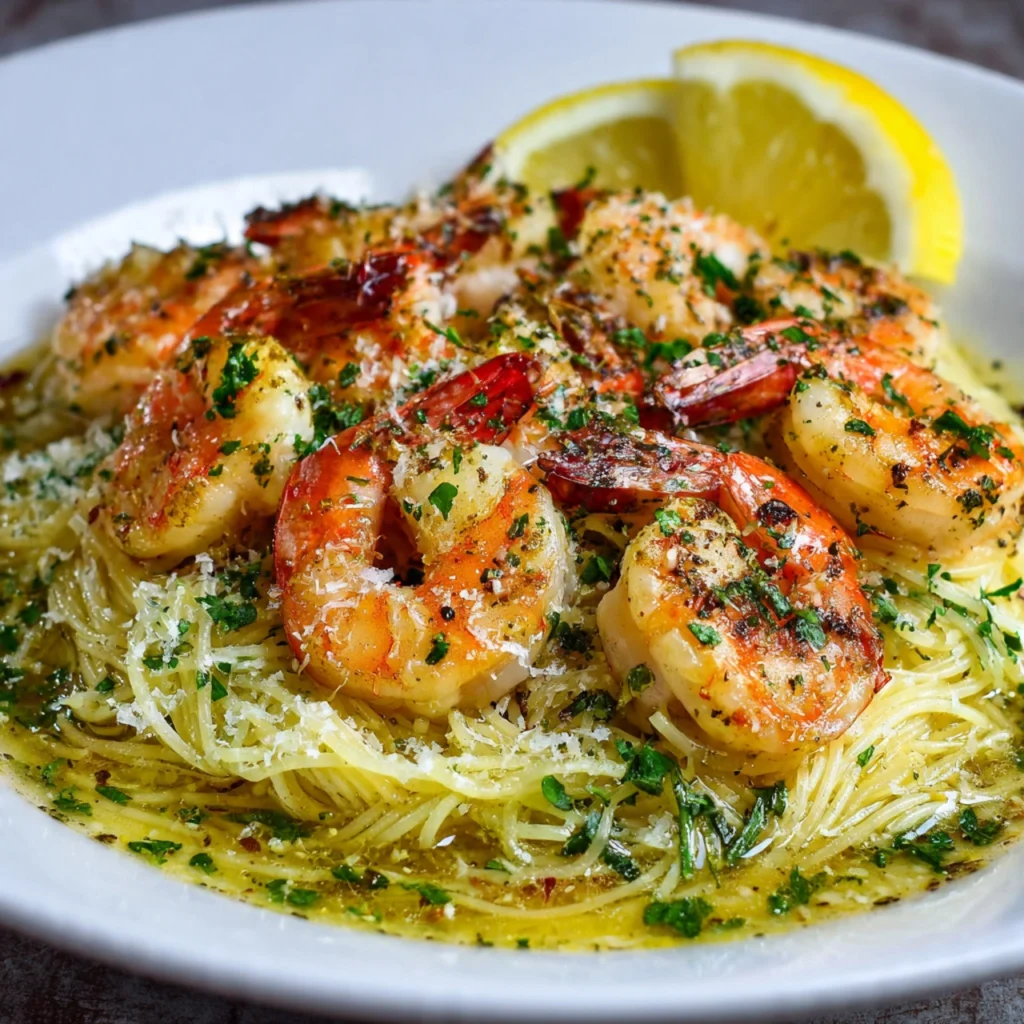
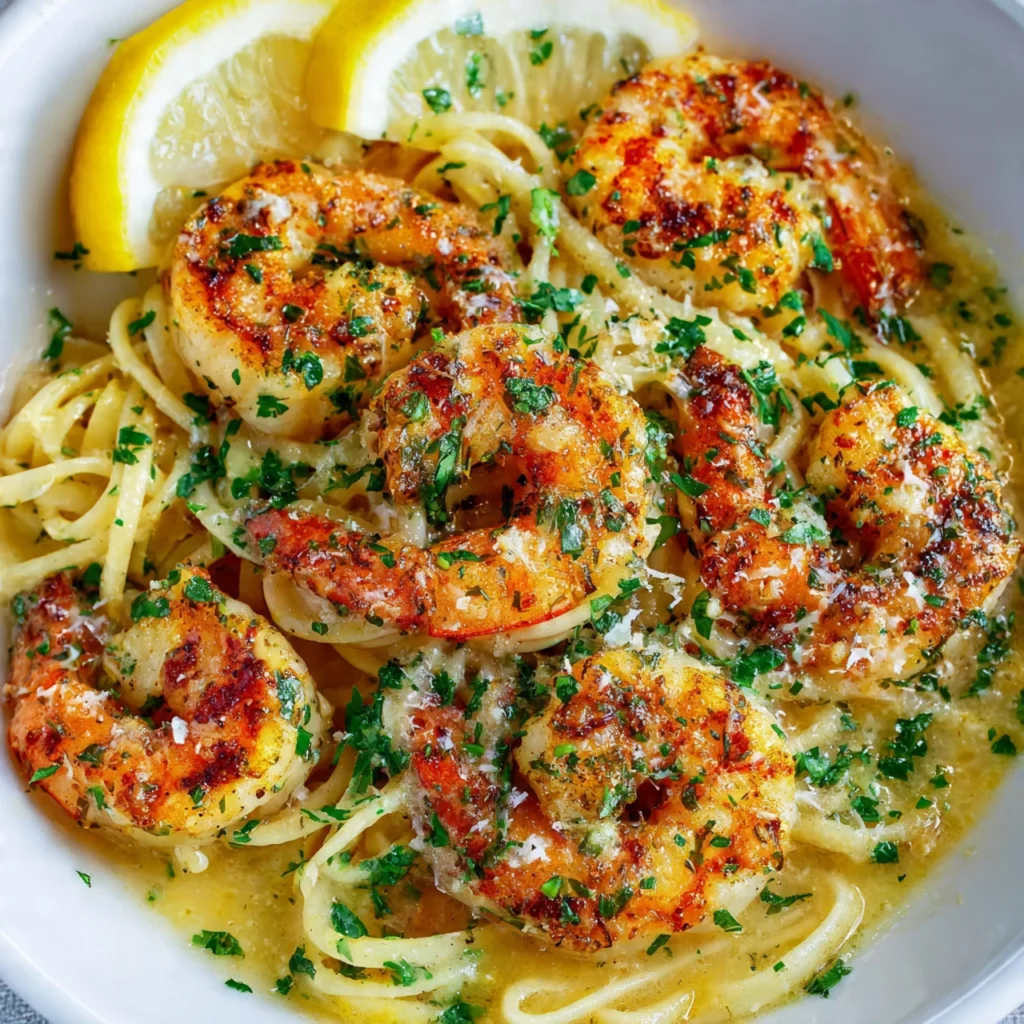
Over Pasta: The most classic presentation is shrimp scampi recipe tossed with linguine, angel hair, or spaghetti. The pasta soaks up that incredible garlic butter wine sauce beautifully.
With Crusty Bread: Serve the shrimp and sauce in shallow bowls with crusty Italian or French bread for soaking up every drop of sauce. This is simple but incredibly satisfying.
Over Rice or Grains: Serve over white rice, brown rice, cauliflower rice, orzo, or quinoa for a gluten-free or grain-based option that soaks up the delicious sauce.
With Vegetables: Add vegetables like spinach, cherry tomatoes, or asparagus to make it a complete meal. Toss them in during the last minute of cooking.
As an Appetizer: Serve smaller portions of shrimp scampi recipe as an elegant appetizer with cocktail forks and bread for dipping.
Side Dish Pairings: Round out the meal with a Caesar salad, roasted vegetables, garlic bread, or a simple arugula salad with lemon vinaigrette.
Wine Pairing: Serve with the same white wine you cooked with, or try a crisp Pinot Grigio, Sauvignon Blanc, or unoaked Chardonnay.
Frequently Asked Questions (FAQ)
Q1: Can I make shrimp scampi recipe without wine?
Wine adds flavor and acidity, but you can substitute chicken broth with lemon juice or grape juice with vinegar (3:1). The taste changes slightly, but it remains delicious, and the alcohol cooks off.
Q2: Should I leave the tails on or remove them?
Tails on look nice for appetizers or bread, while tails off are easier for pasta. For shrimp scampi over pasta, tails off is best.
Q3: What size shrimp should I use?
Large (21–25) or extra-large (16–20) shrimp sear perfectly and look impressive. Jumbo shrimp work too—just cook longer. Avoid small shrimp, which overcook easily.
Q4: Can I use frozen shrimp?
Yes! Most grocery store shrimp were previously frozen anyway. Choose good-quality frozen, wild-caught shrimp if possible, thaw overnight in the fridge, and pat dry before cooking. Avoid pre-cooked shrimp—you need raw shrimp for shrimp scampi.
Q5: Why is my sauce watery?
Watery shrimp scampi sauce happens if the shrimp weren’t dried, the wine wasn’t reduced, there’s too much liquid, or the pan wasn’t hot enough. Fix it by simmering the sauce alone or stirring in cold butter off heat to thicken.
Q6: Can I add cream to shrimp scampi recipe?
Traditional shrimp scampi has a butter-and-wine sauce, without cream. For a richer version, stir in ¼–½ cup heavy cream after deglazing and simmer briefly. This creates a creamier, less acidic sauce, though it’s no longer the classic style—both are delicious!
Q7: How do I know when shrimp are perfectly cooked?
Perfect shrimp for shrimp scampi are pink, opaque, slightly firm, and curl into a loose “C.” Overcooked shrimp curl tightly into an “O” and become rubbery. Cooking takes just 2–3 minutes—stop as soon as they turn pink and opaque.
Nutrition Information (Approximate Values per Serving)
Serving Size: About 6 oz shrimp with sauce (based on 4 servings, without pasta)
- Calories: 285 kcal
- Total Fat: 18g
- Saturated Fat: 9g
- Trans Fat: 0g
- Cholesterol: 260mg
- Sodium: 340mg
- Total Carbohydrates: 4g
- Dietary Fiber: 0g
- Sugars: 1g
- Protein: 24g
- Vitamin A: 12% DV
- Vitamin C: 15% DV
- Calcium: 8% DV
- Iron: 18% DV
- Potassium: 285mg
Note: Nutrition information is calculated for the shrimp scampi recipe only, without pasta, rice, or bread. Values may vary depending on specific ingredients and brands used. If serving over 1 cup of cooked pasta, add approximately 200 calories and 40g carbohydrates per serving. This dish is naturally low-carb and can fit into keto diets when served without pasta. For the most accurate nutrition information, input your exact ingredients into a nutrition calculator.
Conclusion
This shrimp scampi recipe shows that elegance can be simple. With a few quality ingredients and the right technique, you’ll create a restaurant-worthy dish in just 20 minutes—the key is perfectly cooked shrimp, gentle garlic, reduced wine, and a bright finish of lemon and parsley.
What makes this shrimp scampi recipe so special is its versatility. Serve it with pasta, crusty bread, or rice, or present it as an elegant appetizer. No matter how you enjoy it, the buttery garlic-wine-lemon sauce is so irresistible that no drop will go to waste.
This recipe has become my go-to when I need something impressive but don’t have much time. I’ve served it for romantic dinners, family gatherings, casual weeknight meals, and dinner parties, and it’s always met with enthusiasm and requests for seconds. The beauty of shrimp scampi recipe is that it feels special enough for company yet is easy enough to make any day of the week.
Remember, the keys to perfect shrimp scampi recipe are: don’t overcook the shrimp, use quality ingredients (especially the wine and butter), let the wine reduce properly, and serve it immediately while everything is hot. Follow these principles, and you’ll create a dish that tastes like it came from an upscale Italian restaurant.
So whether you’re cooking for date night, need a quick weeknight dinner, want to impress guests, or simply crave the classic combination of garlic, butter, and seafood, this shrimp scampi recipe is ready to deliver. Heat up that skillet, uncork some wine, and get ready to experience why this Italian-American classic has been beloved for generations.
Happy cooking, and may your shrimp always be tender, your garlic perfectly golden, and your shrimp scampi recipe absolutely delicious!
PrintShrimp Scampi Recipe: Classic Italian-American Dish in 20 Minutes
This classic shrimp scampi recipe features succulent shrimp sautéed in a luscious garlic butter wine sauce with fresh lemon and parsley. Ready in just 20 minutes, it’s an elegant yet easy dish perfect for weeknight dinners or special occasions. Serve over pasta, with crusty bread, or over rice.
- Prep Time: 10 minutes
- Cook Time: 10 minutes
- Total Time: 20 minutes
- Yield: 4 servings
- Category: Main Dish, Seafood, Dinner
- Method: Sautéing
- Cuisine: Italian-American
- Diet: Halal
Ingredients
- 1½ lbs large shrimp, peeled and deveined
- 4 tbsp butter, divided
- 2 tbsp olive oil
- 6-8 cloves garlic, minced
- ½ tsp red pepper flakes (optional)
- ½ cup dry white wine
- 3 tbsp fresh lemon juice
- ¼ cup fresh parsley, chopped
- Salt and pepper to taste
- Pasta, bread, or rice for serving
Instructions
- Pat shrimp dry; season with salt and pepper
- Heat 2 tbsp butter and olive oil in large skillet over medium-high
- Sear shrimp 1-2 minutes per side; remove to plate
- Add remaining butter; sauté garlic and pepper flakes 30-60 seconds
- Add wine; simmer 2-3 minutes to reduce by half
- Stir in lemon juice; return shrimp to pan
- Cook 1-2 minutes until shrimp are just cooked through
- Remove from heat; stir in parsley
- Adjust seasoning; serve immediately over pasta or with bread
Notes
- Don’t overcook shrimp—they cook in 2-3 minutes total
- Use wine you’d drink; avoid “cooking wine”
- Fresh garlic essential; don’t burn it
- Sauce should reduce to concentrate flavors
- Serve immediately for best texture
- Can add vegetables like spinach or tomatoes
- Tails on for presentation, off for ease with pasta