Introduction
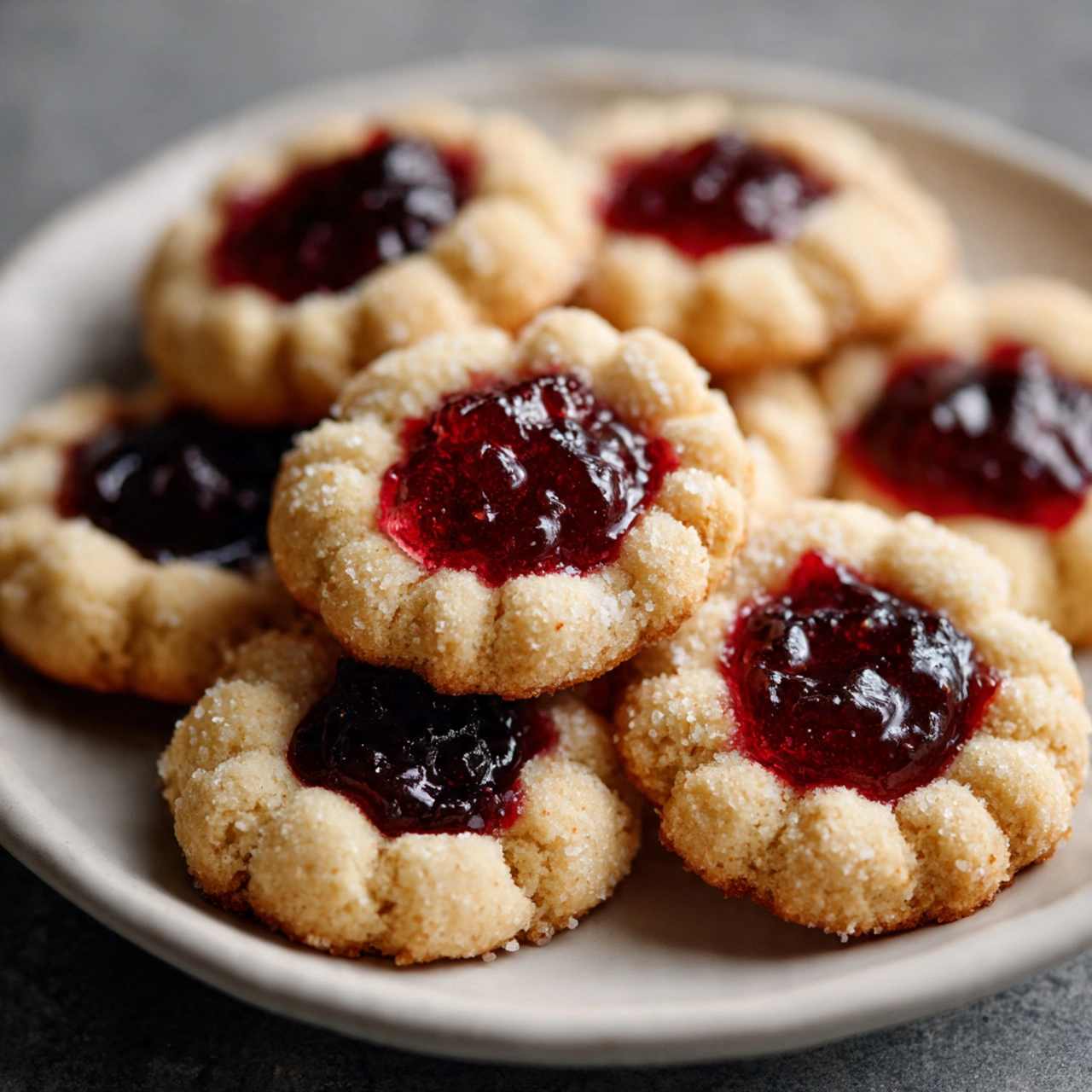
Thumbprint cookies are charming little treats with a buttery shortbread base and jewel-toned jam centers. They balance rich, tender cookie with sweet, fruity filling, making them perfect for holiday platters, tea time, or baking with kids.
What makes them so beloved is their simplicity and elegance. With just a few pantry staples—butter, sugar, flour, and flavorings—you can create cookies that look sophisticated and taste amazing. The signature thumb indentation filled with jam makes them fun to prepare and visually festive.
I first fell in love with thumbprint cookies during a holiday baking season with my grandmother. Watching simple dough turn into beautiful, jeweled cookies felt like magic. This recipe produces tender, buttery cookies that are easy to make, impressive to serve, and perfect for any occasion.

Ingredients
For the Thumbprint Cookie Dough:
- 1 cup (2 sticks) unsalted butter, softened to room temperature
- ⅔ cup granulated sugar
- 2 large egg yolks, room temperature
- 1 teaspoon pure vanilla extract
- ¼ teaspoon almond extract (optional but recommended)
- 2 cups all-purpose flour, spooned and leveled
- ½ teaspoon salt
- ¼ teaspoon baking powder
For the Coating and Filling:
- 1 large egg white, lightly beaten (for coating)
- 1½ cups finely chopped nuts (pecans, walnuts, or almonds—optional)
- ½ cup jam or preserves of your choice (raspberry, strawberry, apricot, or mixed)
Additional Options:
- Powdered sugar for dusting (optional)
- Melted chocolate for drizzling (optional)
- Different colored jams for variety
- Lemon curd as an alternative filling
- Nutella or chocolate hazelnut spread
Step-by-Step Instructions
Step 1: Prepare Your Workspace and Preheat
Preheat your oven to 350°F (175°C). Line two large baking sheets with parchment paper or silicone baking mats. Position your oven racks in the upper and lower thirds of the oven so you can bake two sheets at once, rotating them halfway through for even baking.
If you’re using the optional nut coating, place your finely chopped nuts in a shallow bowl. In another shallow bowl, lightly beat the egg white with a fork until it’s foamy. Set both bowls aside—you’ll use these for coating the thumbprint cookies before baking. Having everything ready before you start shaping makes the process smooth and efficient.
Step 2: Cream Butter and Sugar
In a large mixing bowl or the bowl of a stand mixer fitted with the paddle attachment, beat the softened butter on medium speed for about 2 minutes until it’s smooth and creamy. Add the granulated sugar and increase speed to medium-high. Cream the butter and sugar together for 3-4 minutes, stopping to scrape down the sides and bottom of the bowl occasionally.
The mixture should become noticeably lighter in color, fluffy in texture, and increased in volume. This creaming process is essential for creating tender thumbprint cookies with that signature melt-in-your-mouth texture. Don’t rush this step—proper creaming makes all the difference between good cookies and exceptional ones.
Step 3: Add Egg Yolks and Flavorings
Reduce the mixer speed to medium-low. Add the egg yolks (save the whites for coating!), vanilla extract, and almond extract if using. Beat for about 1 minute until everything is fully incorporated and the mixture is smooth and uniform. The almond extract adds a subtle depth that complements the jam beautifully, but you can omit it if you prefer pure vanilla flavor in your thumbprint cookies.
Scrape down the bowl again to ensure everything is evenly mixed. The batter should be thick, creamy, and pale yellow from the egg yolks.
Step 4: Mix in Dry Ingredients
In a separate medium bowl, whisk together the flour, salt, and baking powder. The small amount of baking powder helps the cookies hold their shape while still maintaining that tender shortbread texture. With your mixer on low speed, gradually add the flour mixture to the butter mixture.
Mix just until the flour is incorporated and no dry streaks remain—don’t overmix! Stop the mixer and finish combining the dough by hand with a rubber spatula if needed. The dough should come together into a soft, cohesive mass that’s slightly sticky but manageable. If the dough seems very sticky, you can refrigerate it for 15-20 minutes to firm up slightly, but this usually isn’t necessary.
Step 5: Shape and Coat the Cookies
Scoop the dough using a tablespoon or small cookie scoop (about 1 tablespoon per cookie) and roll it between your palms to form smooth balls. You should get approximately 36-40 cookies depending on size. Working with one dough ball at a time, dip it first into the beaten egg white, coating it completely.
If you’re using nuts, roll the egg-white-coated dough ball in the chopped nuts, pressing gently so the nuts adhere well. The nut coating is optional but adds wonderful texture and flavor contrast to the thumbprint cookies. If you’re skipping the nuts, just brush the dough balls lightly with egg white.
Place the prepared dough balls on your lined baking sheets, spacing them about 2 inches apart. They don’t spread much, but you want a little room for even baking.
Step 6: Create the Thumbprints
Here comes the fun part! Using your thumb, your index finger, or the back of a rounded ½-teaspoon measuring spoon, gently press down into the center of each dough ball to create an indentation. Press deep enough to create a well for the jam but not so hard that you crack the edges or press all the way through to the bottom.
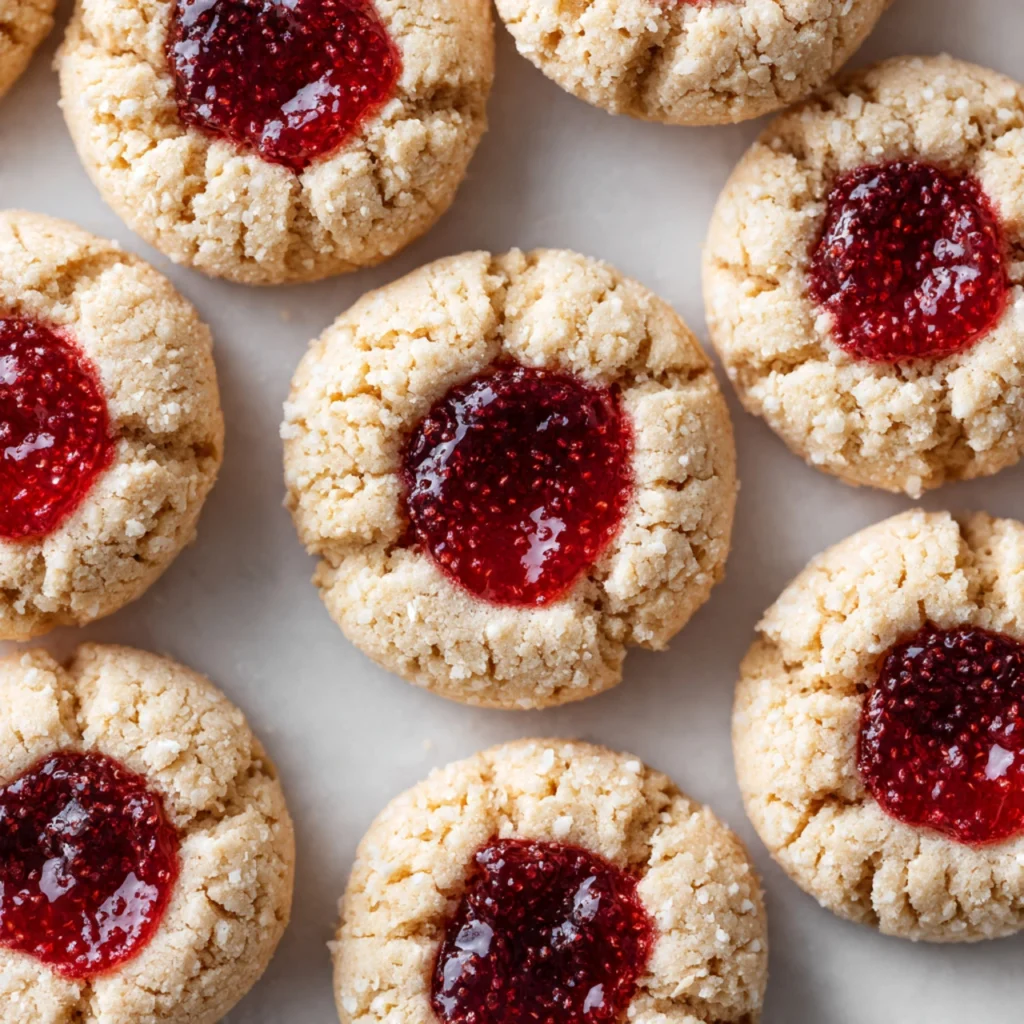
The indentation should be about ½ inch deep and ¾ inch wide—just right for holding a generous spoonful of jam. If the edges crack slightly, gently smooth them with your fingers. Don’t worry about making perfect circles—the rustic, handmade look is part of the charm of thumbprint cookies!
Step 7: Bake the Cookies
Place both baking sheets in the preheated oven. Bake for 10-12 minutes, rotating the pans from top to bottom and front to back halfway through baking. The thumbprint cookies are done when the edges are just barely starting to turn golden and the bottoms are lightly browned. The centers will still look pale and soft—that’s perfect!
Don’t overbake! These cookies continue to firm up as they cool. If you bake them until they look completely set in the oven, they’ll be too dry and crumbly once cooled. You want them to be tender and almost shortbread-like in texture.
Step 8: Fill with Jam
Remove the baking sheets from the oven and immediately re-press the indentations if they’ve puffed up during baking. Use the back of a spoon or your thumb (be careful—the cookies are hot!) to gently press down the centers again, restoring the well for the jam.
While the cookies are still warm, carefully spoon about ½ to 1 teaspoon of jam into each indentation. The warmth helps the jam settle nicely into the wells. You can use a single flavor of jam for all your thumbprint cookies or create a colorful variety with different flavors—raspberry, strawberry, apricot, blueberry, and fig all work beautifully.
Step 9: Cool and Set
Let the cookies cool on the baking sheets for 5 minutes, allowing the jam to set slightly. Then carefully transfer them to wire cooling racks using a thin spatula. The jam will still be quite soft at this point, so move them gently to avoid spilling.
Allow the thumbprint cookies to cool completely on the racks—this takes about 30-45 minutes. As they cool, both the cookies and the jam will firm up to the perfect texture. Once completely cool, you can drizzle them with melted chocolate or dust with powdered sugar if desired, though they’re absolutely beautiful and delicious just as they are.
Pro Tips for the Perfect Thumbprint Cookies
Use Room Temperature Butter:Use butter at 65–70°F so it creams well with sugar. Cold or melted butter won’t give tender cookies.
Don’t Skip the Egg Yolks: Egg yolks only: Using yolks makes the cookies rich and tender. The egg white helps the nuts stick.
Toast Nuts for Better Flavor: If you’re using the nut coating, toast the chopped nuts in a dry skillet over medium heat for 3-5 minutes before using. This intensifies their flavor and makes your thumbprint cookies taste even more amazing. Let them cool before using.
Choose Quality Jam: Since the jam is a starring feature, use good-quality preserves or jam. Seedless varieties work best for the smoothest appearance and texture. I love raspberry for its beautiful color and tart-sweet flavor, but any flavor you enjoy will work perfectly.
Make Uniform Balls: Using a cookie scoop ensures all your thumbprint cookies are exactly the same size, which means they bake evenly and look professionally uniform. A 1-tablespoon scoop is the perfect size.
Re-Press After Baking: The indentations often puff up slightly during baking. Re-pressing them immediately when the cookies come out of the oven ensures you have proper wells for the jam and creates that classic thumbprint cookie appearance.
Fill While Warm: Adding the jam while the cookies are still warm from the oven helps it settle beautifully into the indentations and creates a slight bond with the cookie that prevents it from easily falling out later.
Chill Dough if Needed: If your kitchen is very warm and the dough feels too soft to handle, refrigerate it for 15-20 minutes before shaping. This makes rolling the balls easier and helps the cookies hold their shape better during baking.
Common Mistakes to Avoid
Using Cold Butter: Cold butter simply won’t cream properly with sugar, resulting in dense, tough thumbprint cookies instead of tender, buttery ones. Always start with room temperature butter that’s soft but still holds its shape.
Overmixing the Dough: Once you add the flour, mix only until combined. Overmixing develops gluten, which makes cookies tough and chewy instead of tender and shortbread-like. Stop mixing as soon as you don’t see dry flour.
Making Indentations Too Shallow: If the thumbprints aren’t deep enough, there won’t be enough room for jam, or the jam might overflow during baking. Press down about ½ inch deep for the perfect well.
Overbaking: These cookies should be just barely golden around the edges when you remove them from the oven. They’ll continue to firm up during cooling. Overbaked thumbprint cookies are dry and crumbly instead of tender and buttery.
Adding Jam Before Baking: Some recipes call for adding jam before baking, but I find this causes the jam to bubble over and caramelize, making a mess. Adding it after baking keeps the jam bright and fresh-tasting.
Not Re-Pressing After Baking: If you skip this step, your indentations may be too shallow to hold the jam properly. Take the extra few seconds to re-press them when they come out of the oven.
Using Jelly Instead of Jam: Jelly is too thin and runny for thumbprint cookies—it will overflow and make a mess. Use jam or preserves, which have a thicker consistency and pieces of fruit that help them stay put.
Handling Cookies While Warm: The jam is very soft when the cookies first come out of the oven. Wait the full 5 minutes before transferring them to cooling racks, or the jam will smear everywhere.
Storage and Serving Suggestions
Storage Instructions:
Room Temperature: Store thumbprint cookies in an airtight container at room temperature for up to 1 week. Layer them between sheets of parchment or wax paper to prevent sticking. Keep them in a cool, dry place away from direct sunlight.
Refrigerator: In hot or humid weather, you can refrigerate thumbprint cookies to prevent the jam from becoming too soft or the cookies from getting soggy. Store in an airtight container for up to 2 weeks. Bring them to room temperature before serving for the best flavor and texture.
Freezer: These cookies freeze beautifully for up to 3 months! Freeze them in a single layer on a baking sheet until solid (about 1 hour), then transfer to freezer bags or airtight containers with parchment paper between layers. Thaw at room temperature for about 30 minutes before serving. The jam stays perfectly set even after freezing.
Unfilled Cookies: You can also freeze the baked but unfilled cookies, then add fresh jam when you’re ready to serve. This keeps the jam extra bright and fresh-tasting.
Serving Suggestions:
Holiday Cookie Platters: Thumbprint cookies are a classic addition to Christmas cookie trays, alongside gingerbread, sugar cookies, and shortbread. Use different colored jams for a festive rainbow of jewel tones.
Afternoon Tea: These elegant little cookies are perfect for tea time. Serve them on a pretty platter alongside scones, finger sandwiches, and other delicate treats.
Gift Boxes: Package thumbprint cookies in decorative tins or boxes tied with ribbon for beautiful homemade gifts. They travel well and stay fresh, making them ideal for shipping to loved ones.
Cookie Exchange: These are perfect for cookie swaps because they’re distinctive, beautiful, and universally loved. Make batches with different jams to offer variety.
Coffee Pairing: The buttery richness of thumbprint cookies pairs wonderfully with coffee—especially a rich espresso or cappuccino. The sweetness of the jam complements the slight bitterness of coffee perfectly.
Dessert Buffet: Include thumbprint cookies on dessert tables at weddings, showers, or parties. Their elegant appearance and individual portions make them ideal for self-service situations.
Kids’ Treats: Despite their fancy appearance, kids absolutely love thumbprint cookies! The sweet jam centers are irresistible, and children enjoy helping make the thumbprints during baking.
Frequently Asked Questions (FAQ)
Q1: Can I make them without nuts?
Yes! Nuts are optional. Skip them or use sugar, sprinkles, or coconut for coating. Still delicious!
Q2: What’s the best jam?
Almost any! Raspberry, strawberry, apricot, blueberry, cherry… use seedless jam for best results. If you love it on toast, it works in cookies.
Q3: Can I make the dough ahead?
Yes! Store in the fridge for 3 days or freeze up to 3 months. Let it soften a bit before shaping. Baked cookies freeze well too.
Q4: Why did my thumbprints disappear?
Indentations might have been too shallow or dough too soft. Press ½ inch deep and re-press after baking if needed.
Q5: Can I make them gluten-free?
Yes! Use a 1:1 gluten-free flour blend with xanthan gum. Handle gently—the dough is more delicate.
Q6: My cookies spread too much—why?
Butter too soft, dough overmixed, or oven too cool. Chill dough balls before baking and check your oven temp.
Q7: Can I use chocolate or other fillings?
Absolutely! Nutella, ganache, caramel, peanut butter, lemon curd… add chocolate while cookies are slightly warm.

Nutrition Information (Approximate Values per Serving)
Serving Size: 1 cookie (based on 36 cookies)
- Calories: 95 kcal
- Total Fat: 5g
- Saturated Fat: 3g
- Trans Fat: 0g
- Cholesterol: 20mg
- Sodium: 45mg
- Total Carbohydrates: 11g
- Dietary Fiber: 0g
- Sugars: 6g
- Protein: 1g
- Vitamin A: 3% DV
- Vitamin C: 0% DV
- Calcium: 1% DV
- Iron: 2% DV
- Potassium: 20mg
Note: Nutrition information is calculated based on the recipe as written, including the cookie base and jam filling but without the optional nut coating. Adding nuts will increase calories, fat, and protein content. Values may vary depending on specific ingredients, brands used, and the amount of jam used per cookie. For the most accurate nutrition information, input your exact ingredients into a nutrition calculator. Based on 36 cookies total.
Conclusion
These thumbprint cookies are the perfect blend of simplicity and elegance. With their buttery, tender base and jewel-toned jam centers, they look as beautiful as they taste. Made from basic ingredients—butter, sugar, flour, and jam—they transform into treats that feel special but are easy for any home baker to make.
I’ve been baking thumbprint cookies for decades, and they never fail to delight. Whether for holidays, tea parties, special occasions, or just a sweet treat on a regular day, these cookies always bring joy. There’s something satisfying about pressing your thumb into the dough, filling the wells with colorful jam, and watching them turn into perfect little cookies in the oven.
Their versatility makes them ideal for creativity. You can use different jams, coatings, or fillings—like chocolate, lemon curd, or caramel—to match holidays, themes, or personal taste. Once you master the basic technique, the variations are endless.
The secret to success is simple: use softened butter, avoid overmixing, create deep indentations, don’t overbake, and add the jam while cookies are still warm. Even imperfect thumbprints taste amazing and bring smiles to everyone who tries them.
So gather your ingredients, preheat your oven, and get ready to bake classic thumbprint cookies. They will fill your home with the aroma of fresh baking and your cookie jar with treats that disappear as quickly as you make them. These timeless cookies are sure to become favorites you’ll bake again and again.
Happy baking, and may your thumbprint cookies always be perfectly tender, beautifully filled, and absolutely delicious!
PrintThumbprint Cookies: Classic Buttery Recipe with Jam in 6 Easy Steps

These classic thumbprint cookies feature tender, buttery shortbread bases with sweet jam centers. The simple dough requires just six ingredients, and the signature indentation filled with colorful preserves creates an elegant treat that’s perfect for holidays, parties, gift-giving, or afternoon tea.
- Prep Time: 20 minutes
- Cook Time: 12 minutes
- Total Time: 32 minutes (plus cooling)
- Yield: 36-40 cookies
- Category: Dessert, Cookies, Holiday Baking
- Method: Baking
- Cuisine: American
- Diet: Vegetarian
Ingredients
Cookies:
- 1 cup butter, softened
- ⅔ cup sugar
- 2 egg yolks, room temperature
- 1 tsp vanilla extract
- ¼ tsp almond extract (optional)
- 2 cups all-purpose flour
- ½ tsp salt
- ¼ tsp baking powder
Coating & Filling:
- 1 egg white, beaten
- 1½ cups chopped nuts (optional)
- ½ cup jam or preserves
Instructions
- Preheat oven to 350°F; line two baking sheets with parchment
- Cream butter and sugar 3-4 minutes until fluffy
- Add egg yolks and extracts; beat until smooth
- Whisk flour, salt, and baking powder; add to butter mixture
- Roll dough into 1-tablespoon balls
- Dip in egg white, then roll in nuts if using
- Place on prepared sheets; press thumbprint into centers
- Bake 10-12 minutes until edges are barely golden
- Re-press indentations immediately after baking
- Fill each with ½-1 teaspoon jam while warm
- Cool 5 minutes on pan, then transfer to racks
Notes
- Room temperature butter is essential for proper texture
- Don’t overbake—cookies should be barely golden at edges
- Re-press indentations after baking if needed
- Add jam while cookies are still warm
- Use jam or preserves, not jelly (too runny)
- Nut coating is optional but adds great texture
- Can use different jams for colorful variety
- Store in airtight container up to 1 week