Introduction
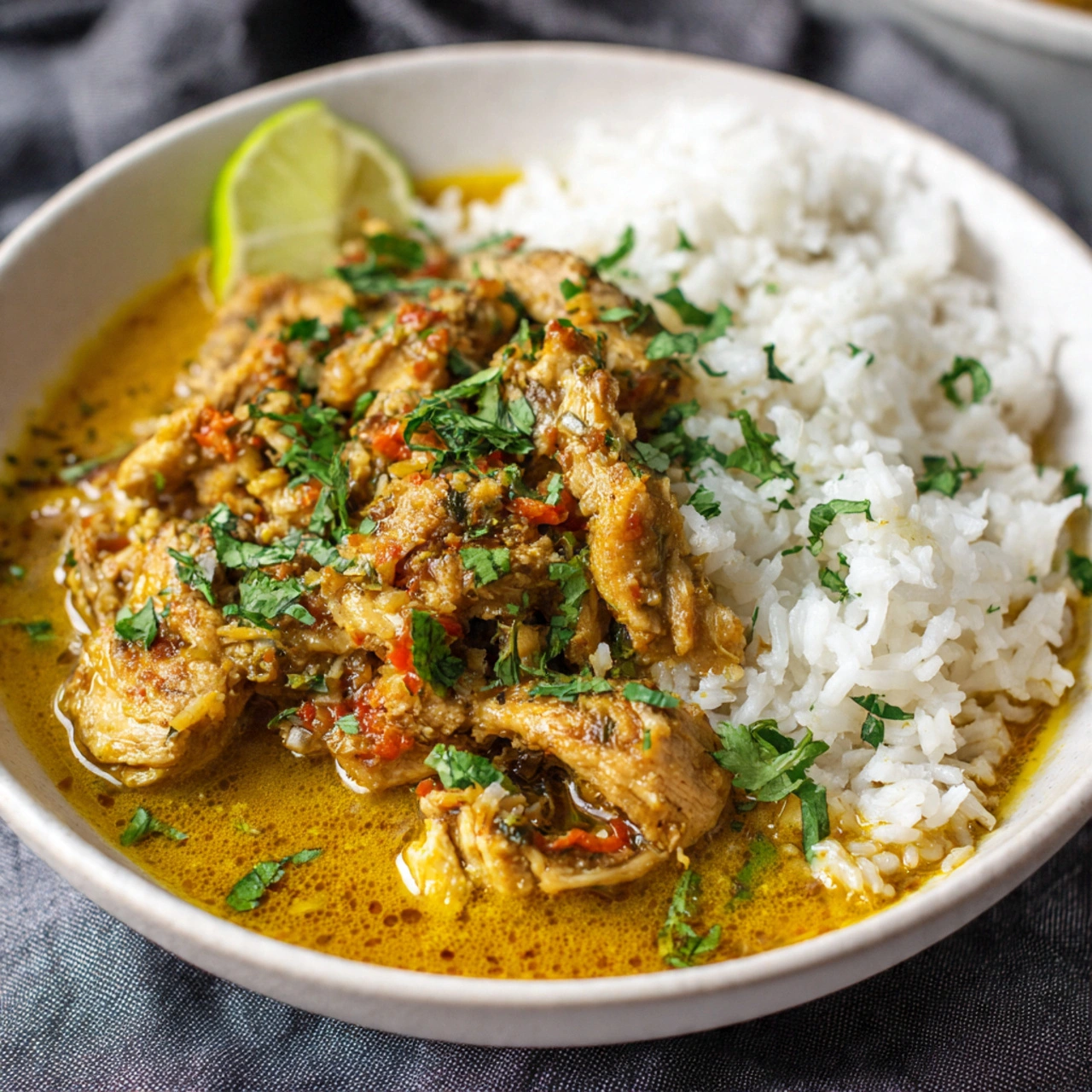
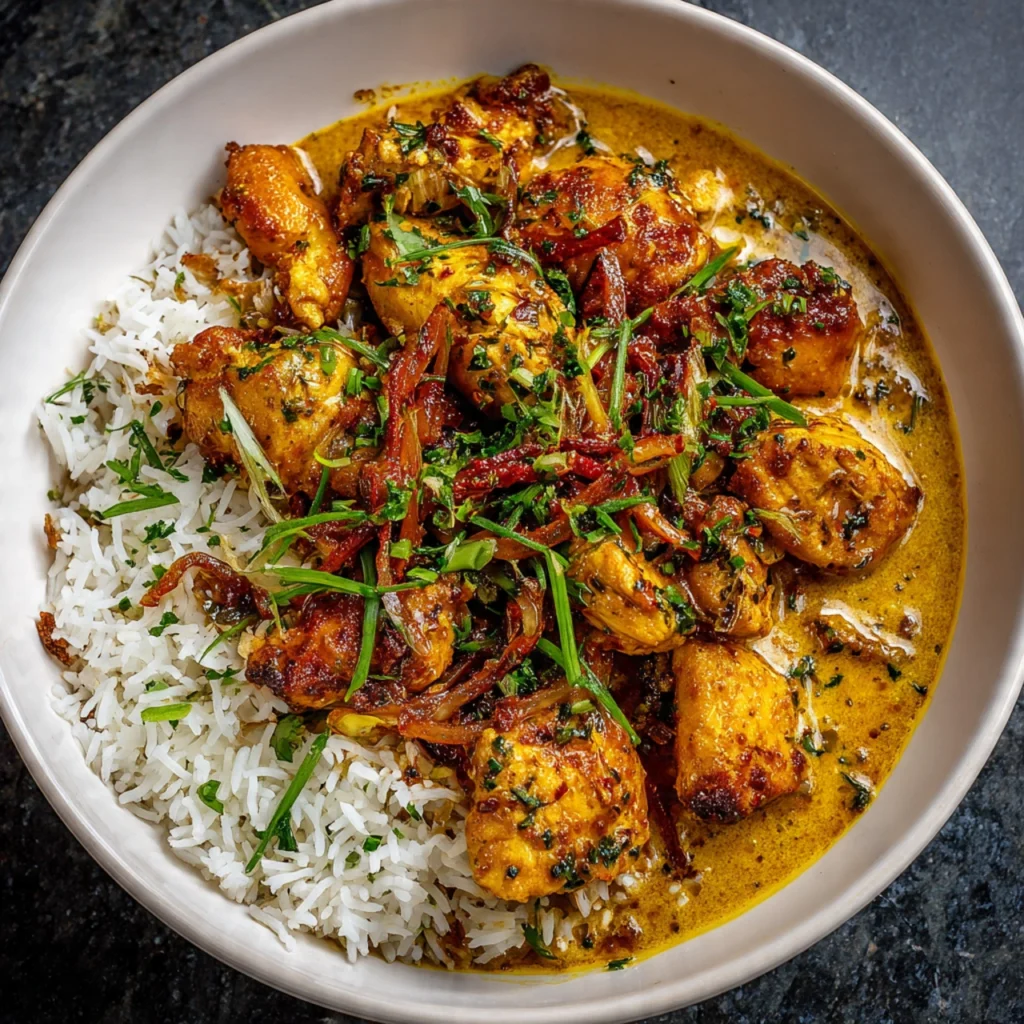
Coconut curry chicken is one of those magical dishes that transforms simple ingredients into an extraordinary meal bursting with flavor, warmth, and comfort. This beloved recipe combines tender chicken pieces with a luxuriously creamy coconut sauce infused with aromatic curry spices, creating a dish that tastes like it came straight from your favorite Thai restaurant. What makes this coconut curry chicken truly special is how it balances rich coconut milk with the complex heat of curry paste, the brightness of fresh herbs, and the subtle sweetness that rounds out every bite.
I still remember the first time I attempted making coconut curry chicken at home. After years of ordering it at restaurants and wondering if I could replicate those incredible flavors in my own kitchen, I finally took the plunge. The result? A dish so delicious that it immediately became a weekly staple in our household. My family now requests this coconut curry chicken more than any other dinner, and I’ve lost count of how many friends have asked me to share the recipe after tasting it at our dinner parties.
The beauty of coconut curry chicken lies not just in its incredible taste, but in its remarkable simplicity. Despite the complex, layered flavors that develop in the pot, this recipe comes together in about 30 minutes with ingredients you can easily find at any grocery store. Whether you’re a curry novice or a seasoned home cook, this coconut curry chicken will quickly become your go-to recipe for busy weeknights, special occasions, or any time you’re craving something deeply satisfying and utterly delicious.

Ingredients
For the Chicken:
- 2 pounds boneless, skinless chicken thighs or breasts, cut into 1-inch pieces
- 1 tablespoon vegetable oil or coconut oil
- 1 teaspoon salt
- ½ teaspoon black pepper
Creamy Coconut Curry Sauce Recipe:
- 2 tablespoons vegetable oil or coconut oil
- 1 large onion, finely diced
- 4 cloves garlic, minced
- 1 tablespoon fresh ginger, grated
- 3 tablespoons red or yellow curry paste (adjust to heat preference)
- 1 can (13.5 oz) full-fat coconut milk
- 1 cup chicken broth or stock
- 2 tablespoons fish sauce
- 1 tablespoon brown sugar or palm sugar
- 1 tablespoon lime juice (about half a lime)
- 2 medium bell peppers, cut into strips (red, yellow, or orange)
- 1 cup snap peas or green beans
- 1 medium zucchini, sliced into half-moons
For Garnish and Serving:
- Fresh cilantro leaves, chopped
- Fresh basil leaves (Thai basil if available)
- Red chili slices (optional, for heat)
- Lime wedges
- Cooked jasmine rice or basmati rice
- Naan bread or steamed rice noodles (optional)
Step-by-Step Instructions
Step 1: Prepare Your Ingredients
Before you begin cooking, take time to prep all your ingredients. Cut the chicken into uniform 1-inch pieces to ensure even cooking. Dice your onion, mince the garlic, grate the ginger, and slice all your vegetables. This preparation, known as mise en place in culinary terms, makes the cooking process smooth and stress-free. Having everything ready means you won’t be scrambling to chop vegetables while your curry sauce is bubbling away.
Step 2: Sear the Chicken
Heat 1 tablespoon of oil in a large, deep skillet or Dutch oven over medium-high heat. Season the chicken pieces with salt and pepper. Once the oil is shimmering, add the chicken in a single layer, working in batches if necessary to avoid overcrowding. Sear the chicken for 3-4 minutes on each side until golden brown. The chicken doesn’t need to be fully cooked at this stage—it will finish cooking in the curry sauce. Remove the chicken from the pan and set aside on a plate.
Step 3: Build the Aromatic Base
In the same pan, add another 2 tablespoons of oil and reduce heat to medium. Add the diced onion and cook for 5-6 minutes, stirring occasionally, until softened and translucent. The onions will pick up those beautiful browned bits left from the chicken, adding extra depth to your coconut curry chicken. Add the minced garlic and grated ginger, stirring constantly for about 1 minute until fragrant. Be careful not to burn the garlic.
Step 4: Add the Curry Paste
Push the onions to the side of the pan and add the curry paste to the center. Let it cook for about 1-2 minutes, stirring frequently. This step, called “blooming” the spices, releases the essential oils and intensifies the curry flavors. You’ll notice the paste becoming more fragrant and slightly darker in color. Stir the curry paste into the onion mixture until everything is well combined.
Step 5: Create the Creamy Coconut Sauce
Shake the can of coconut milk well before opening. Pour the entire can into the pan, stirring to combine with the curry paste mixture. Add the chicken broth, fish sauce, and brown sugar. Stir everything together until the sauce is smooth and well blended. The coconut milk will transform from white to a beautiful golden or red color (depending on your curry paste). Bring the mixture to a gentle simmer.
Step 6: Return the Chicken and Simmer
Add the seared chicken pieces back to the pan, along with any juices that have accumulated on the plate. Stir to coat the chicken in the curry sauce. Let the coconut curry chicken simmer gently for 10-12 minutes, stirring occasionally. The chicken will finish cooking through and become incredibly tender as it absorbs the flavors of the curry sauce.
Step 7: Add the Vegetables
Add your bell peppers, snap peas, and zucchini to the pan. Stir them into the curry sauce and continue simmering for another 5-7 minutes until the vegetables are tender-crisp. You want them cooked but still with a slight bite—nobody wants mushy vegetables in their coconut curry chicken. Taste the sauce and adjust the seasoning if needed, adding more fish sauce for saltiness, sugar for sweetness, or lime juice for brightness.
Step 8: Final Touches
Remove the pan from heat and stir in the fresh lime juice. This brightens all the flavors and adds a wonderful citrus note that cuts through the richness of the coconut milk. Let the coconut curry chicken rest for 2-3 minutes before serving. This allows the flavors to meld together beautifully.
Step 9: Serve and Garnish
Serve your coconut curry chicken over fluffy jasmine rice or with warm naan bread on the side. Garnish generously with fresh cilantro, basil leaves, and lime wedges. For those who love extra heat, scatter some sliced red chilies on top. The visual presentation is almost as satisfying as the taste!
Pro Tips for the Perfect Coconut Curry Chicken
Use Full-Fat Coconut Milk: Use full-fat coconut milk for rich, creamy curry chicken. The fat creates a velvety sauce that clings beautifully to chicken and vegetables.
Choose the Right Chicken Cut: Chicken thighs are recommended for this recipe—they stay juicier, more tender, and absorb curry flavors better than breasts. If using breasts, cut carefully and avoid overcooking.
Don’t Skip the Searing Step: Browning the chicken first creates fond—the caramelized bits on the pan—that adds incredible depth and flavor to your coconut curry chicken sauce, taking it from good to great.
Adjust the Heat Level: Curry pastes vary in spice. Start with 2 tablespoons if sensitive, taste before adding vegetables, and adjust as needed—you can always add heat, but not remove it.
Layer Your Vegetables: Add denser vegetables like carrots or potatoes earlier in the cooking process, and reserve quick-cooking vegetables like spinach, snap peas, or bean sprouts for the last few minutes. This ensures everything cooks perfectly.
Let It Rest: Allowing your coconut curry chicken to sit for a few minutes before serving lets the sauce thicken slightly and the flavors deepen. The dish actually tastes even better the next day as the flavors continue to develop.
Toast Your Curry Paste: That brief moment of cooking the curry paste alone before adding liquids is crucial. This technique intensifies the spices and removes any raw taste, resulting in a more complex, professional-tasting coconut curry chicken.
Balance Your Flavors: Great curry is all about balance between sweet, salty, sour, and spicy. Keep tasting and adjusting with fish sauce (salty), sugar (sweet), lime juice (sour), and curry paste or chili (spicy) until you achieve harmony.

Common Mistakes to Avoid
Using Cold Coconut Milk: Always shake your coconut milk can before opening. The cream separates from the liquid, and you need both components mixed together for a smooth, creamy sauce. Some recipes call for separating them, but not this one.
Overcrowding the Pan When Searing: When you add too much chicken at once, it steams instead of sears. Work in batches if necessary to achieve that golden-brown crust that adds so much flavor to your coconut curry chicken.
Boiling Instead of Simmering: A rapid boil will cause the coconut milk to separate and can make the chicken tough. Keep the heat at a gentle simmer where you see small bubbles breaking the surface but no violent bubbling.
Adding Lime Juice Too Early: Citrus can turn bitter when cooked for too long. Always add your lime juice at the very end, off the heat, to keep that bright, fresh flavor intact.
Forgetting to Taste and Adjust: Every batch of curry paste is different, and everyone’s taste preferences vary. Don’t be afraid to adjust the seasonings. Your coconut curry chicken should taste balanced and delicious to you.
Using Pre-Minced Garlic and Ginger: Fresh is truly best here. Pre-minced versions from jars lack the punch and aroma that fresh garlic and ginger bring to your coconut curry chicken.
Skipping the Fish Sauce: I know it sounds pungent in the bottle, but fish sauce adds an essential umami depth that you simply cannot replicate with salt alone. It doesn’t make your curry taste fishy—it makes it taste complete.
Overcooking the Vegetables: Mushy vegetables have no place in a beautiful coconut curry chicken. Add them toward the end and cook just until tender-crisp for the best texture and nutrition retention.
Storage and Serving Suggestions
Storage Instructions:
Refrigerator: Store leftover coconut curry chicken in an airtight container in the refrigerator for up to 4 days. The flavors actually deepen and improve after a day, making leftovers incredibly delicious. Let the curry cool to room temperature before refrigerating.
Freezer: This coconut curry chicken freezes beautifully for up to 3 months. Portion it into freezer-safe containers, leaving about an inch of headspace for expansion. Label with the date and contents. For best results, freeze the curry without the vegetables, as they can become mushy when thawed. You can always add fresh vegetables when reheating.
Reheating: Thaw frozen curry overnight in the refrigerator. Reheat gently on the stovetop over medium-low heat, stirring occasionally, until warmed through. Add a splash of coconut milk or chicken broth if the sauce has thickened too much. You can also microwave individual portions, stirring halfway through heating.
Serving Suggestions:
Classic Pairing: Serve your coconut curry chicken over steamed jasmine rice or basmati rice. The fluffy rice soaks up that incredible curry sauce perfectly.
Low-Carb Option: For a lighter meal, serve over cauliflower rice or zucchini noodles. The sauce is so flavorful that you won’t miss the carbs.
Bread Options: Warm naan, roti, or crusty baguette are perfect for scooping up every last bit of that creamy curry sauce.
Noodle Bowl: Turn your coconut curry chicken into a noodle bowl by serving it over rice noodles, egg noodles, or even ramen noodles for a fusion twist.
Complete the Meal: Round out your dinner with complementary sides like cucumber salad, spring rolls, mango chutney, or pickled vegetables. A light, crisp salad helps balance the richness of the coconut curry chicken.
Garnish Generously: Don’t skimp on the fresh herbs and lime wedges. These final touches add brightness, color, and fresh flavors that elevate the entire dish.
Frequently Asked Questions (FAQ)
Q1: Can I make coconut curry chicken with chicken breasts instead of thighs?
Chicken thighs are best for tenderness and flavor, but breasts work too. Cut evenly and reduce simmering by 2–3 minutes to avoid dryness. A meat thermometer ensures an internal temperature of 165°F.
Q2: What’s the difference between red and yellow curry paste?
Red curry paste is spicier and more intense, while yellow is milder, slightly sweet, and golden from turmeric. Use red for heat, yellow for a gentle, aromatic curry, or green for herbal, bright flavors.
Q3: Is coconut curry chicken gluten-free?
Coconut curry chicken is naturally gluten-free, but always check curry paste and fish sauce labels, as some contain wheat. Use certified gluten-free versions and serve with rice instead of naan to keep the meal safe for those with gluten sensitivities.
Q4: Can I make this recipe in a slow cooker or Instant Pot?
For a slow cooker, sear the chicken and aromatics, then cook on low 4–5 hours or high 2–3 hours, adding vegetables in the last 30 minutes. For an Instant Pot, sauté first, pressure cook on high 8 minutes with quick release, then add vegetables and simmer 5 minutes.
Q5: How can I make my coconut curry chicken spicier or milder?
To increase heat, add more curry paste, Thai chilies, red pepper flakes, or a splash of sriracha. To make it milder, use less curry paste, remove chili seeds, or add sugar and coconut milk. Always start with less—you can add more as needed.
Q6: What can I substitute for fish sauce?
If you don’t have fish sauce, soy sauce or tamari works—use 1.5 tablespoons with lime. Mushroom-based vegetarian fish sauce or diluted anchovy paste are good alternatives.
Nutrition Information (Approximate Values per Serving)
Serving Size: 1½ cups coconut curry chicken with sauce (based on 6 servings)
- Calories: 385 kcal
- Total Fat: 24g
- Saturated Fat: 14g
- Trans Fat: 0g
- Cholesterol: 115mg
- Sodium: 780mg
- Total Carbohydrates: 15g
- Dietary Fiber: 3g
- Sugars: 7g
- Protein: 31g
- Vitamin A: 15% DV
- Vitamin C: 95% DV
- Calcium: 4% DV
- Iron: 15% DV
- Potassium: 820mg
Note: Nutrition information is calculated based on the recipe as written and does not include rice or other serving accompaniments. Values may vary depending on specific ingredients used and portion sizes. For the most accurate nutrition information, input your specific ingredients into a nutrition calculator.
Conclusion
There’s something magical about a bowl of homemade coconut curry chicken that warms both body and soul. This beloved recipe delivers extraordinary flavor without requiring hard-to-find ingredients. The harmonious blend of creamy coconut milk, fragrant curry spices, tender chicken, and vibrant vegetables creates a dish greater than the sum of its parts.
What makes this coconut curry chicken truly special is its incredible versatility. Quick enough for busy weeknights, impressive enough for dinner guests, and comforting enough for anyone craving Thai-inspired flavors, this recipe satisfies every occasion. Forgiving for beginners yet sophisticated for experienced cooks, it balances simplicity with complex, layered flavors.
Mastering this coconut curry chicken goes beyond a single meal. Once you know the basics, you can confidently experiment—swap proteins, try seasonal vegetables, adjust the spice level, or transform leftovers into new dishes. This recipe becomes a foundation for countless delicious variations.
Make this coconut curry chicken your own. Swap in red curry paste, add fresh spinach, or double the recipe—each personal touch turns it into a cherished tradition. Sharing it with friends and family creates lasting memories while enjoying bold, comforting flavors.
Gather your ingredients, heat the pan, and let the intoxicating aroma of curry, coconut, and spices fill your kitchen. In just 30 minutes, your perfect bowl of coconut curry chicken is ready—every spoonful bursting with incredible flavor. Once you try it, it’ll quickly become a favorite in your household.
Now it’s your turn to experience the joy of creating restaurant-quality coconut curry chicken in your own home. Don’t forget to serve it with plenty of rice, garnish generously with fresh herbs, and most importantly, enjoy every delicious bite!
PrintCoconut Curry Chicken: A Creamy, Flavorful Recipe Ready in 30 Minutes

This coconut curry chicken features tender chicken pieces simmered in a rich, creamy coconut milk sauce infused with aromatic curry spices, garlic, ginger, and fresh vegetables. Ready in just 30 minutes, this restaurant-quality dish delivers complex flavors with minimal effort, making it perfect for weeknight dinners or special occasions.
- Prep Time: 15 minutes
- Cook Time: 30 minutes
- Total Time: 45 minutes
- Yield: 6 servings
- Category: Main Course, Dinner
- Method: Stovetop, Simmering
- Cuisine: Thai-Inspired, Asian Fusion
- Diet: Gluten Free
Ingredients
- 2 lbs boneless chicken thighs, cubed
- 3 tbsp oil (divided)
- 1 large onion, diced
- 4 cloves garlic, minced
- 1 tbsp fresh ginger, grated
- 3 tbsp curry paste
- 1 can (13.5 oz) coconut milk
- 1 cup chicken broth
- 2 tbsp fish sauce
- 1 tbsp brown sugar
- 1 tbsp lime juice
- 2 bell peppers, sliced
- 1 cup snap peas
- 1 zucchini, sliced
- Salt and pepper to taste
- Fresh cilantro and basil for garnish
Instructions
- Season and sear chicken in 1 tbsp oil until golden; set aside
- Sauté onion in 2 tbsp oil until soft (5-6 minutes)
- Add garlic and ginger; cook 1 minute
- Stir in curry paste; cook 1-2 minutes
- Add coconut milk, broth, fish sauce, and sugar; stir well
- Return chicken to pan; simmer 10-12 minutes
- Add vegetables; cook 5-7 minutes until tender-crisp
- Remove from heat; stir in lime juice
- Garnish with fresh herbs and serve over rice
Notes
- Use full-fat coconut milk for the creamiest sauce
- Chicken thighs stay more tender than breasts
- Adjust curry paste amount for desired heat level
- Curry tastes even better the next day
- Add quick-cooking vegetables at the end to prevent mushiness
- Can substitute soy sauce for fish sauce if needed