Introduction
Vanilla mug cake has changed dessert forever—turning your sweet craving into a 2-minute microwave miracle. This single-serve treat delivers all the comfort of homemade cake—fluffy, sweet, and warm—without the wait, cleanup, or leftover temptation.
I first discovered mug cakes during late-night college study sessions, needing something sweet but too tired to bake. After some trial and error, I perfected the recipe: tender, moist, and truly delicious.
The brilliance of this vanilla mug cake lies in its simplicity. Mix everything in a mug with just a fork—no mixer, no extra bowls, no fuss. Using common pantry ingredients and a forgiving microwave time, it’s easy to get perfect results every time. Plus, it makes a single serving, so portion control is built in.
This guide will show you how to master the vanilla mug cake, from choosing the right mug to achieving the ideal texture. Whether you’re a student, a busy parent, or just craving a quick dessert, this recipe is your go-to solution for a fast, satisfying treat.
Vanilla Mug Cake Ingredients
For One Vanilla Mug Cake:
- 4 tablespoons (¼ cup) all-purpose flour
- 3 tablespoons granulated sugar
- ⅛ teaspoon baking powder (a pinch, about half of ¼ teaspoon)
- Pinch of salt (just a tiny bit)
- 3 tablespoons milk (any kind works)
- 2 tablespoons vegetable oil (or melted butter)
- ¼ teaspoon pure vanilla extract
- Optional: 1 tablespoon sprinkles, chocolate chips, or vanilla chips
For Topping (Optional):
- Whipped cream
- Ice cream
- Powdered sugar for dusting
- Fresh berries
- Chocolate or caramel sauce
- Extra sprinkles
Step-by-Step Instructions
Step 1: Choose and Prepare Your Mug
Select a microwave-safe mug that holds at least 12 ounces (about 1½ cups). This is important—too small and your cake will overflow in the microwave, creating a mess. Ceramic or glass mugs work best. Avoid metal, obviously, and be cautious with mugs that have metallic paint or trim.
Lightly spray the inside of the mug with cooking spray or rub it with a bit of butter. This isn’t absolutely necessary since the cake contains oil, but it makes cleanup easier and helps the cake release if you want to turn it out onto a plate.
Step 2: Mix the Dry Ingredients
Add the flour, sugar, baking powder, and salt directly to your mug. Use a fork to whisk these dry ingredients together thoroughly, making sure there are no lumps and everything is evenly distributed. This step is crucial—if the baking powder isn’t well mixed, you’ll get uneven rising and potentially dense spots in your cake.
Break up any clumps of sugar or flour by pressing them against the side of the mug with your fork. The mixture should look uniform and light.
Step 3: Add the Wet Ingredients
Pour in the milk, oil, and vanilla extract. Now here’s the important part: mix thoroughly but gently with your fork, making sure to scrape the bottom and sides of the mug. Flour loves to hide in the bottom corners, and if you don’t incorporate it, you’ll end up with dry flour pockets in your finished cake.
Stir until the batter is completely smooth and uniform in color with no streaks of dry ingredients. The consistency should be similar to thick pancake batter—pourable but not thin. If you’re adding mix-ins like chocolate chips or sprinkles, gently fold them in now.
Step 4: Microwave to Perfection
Place your mug in the center of the microwave. Cook on high power for 1 minute and 30 seconds (90 seconds). This is the baseline time for a 1000-1200 watt microwave.
Watch through the microwave window during the last 20 seconds. The cake will rise dramatically and may look a bit jiggly on top when it’s done—that’s normal. It shouldn’t be liquid on top, but a slightly shiny surface is fine.
The cake is done when it has risen significantly and the top looks set rather than wet. A toothpick inserted in the center should come out clean or with just a few moist crumbs. If there’s wet batter on the toothpick, microwave in additional 10-second bursts until done.
Step 5: Cool Slightly Before Eating
Let the cake cool for 1-2 minutes before digging in. This serves two purposes: it allows the texture to set properly (mug cakes continue to cook slightly as they cool), and more importantly, it prevents you from burning your mouth on molten-hot cake. I’ve learned this lesson the hard way more than once.
During this time, the cake will settle slightly—it won’t stay as tall as it was right out of the microwave, and that’s completely normal.
Step 6: Serve and Enjoy
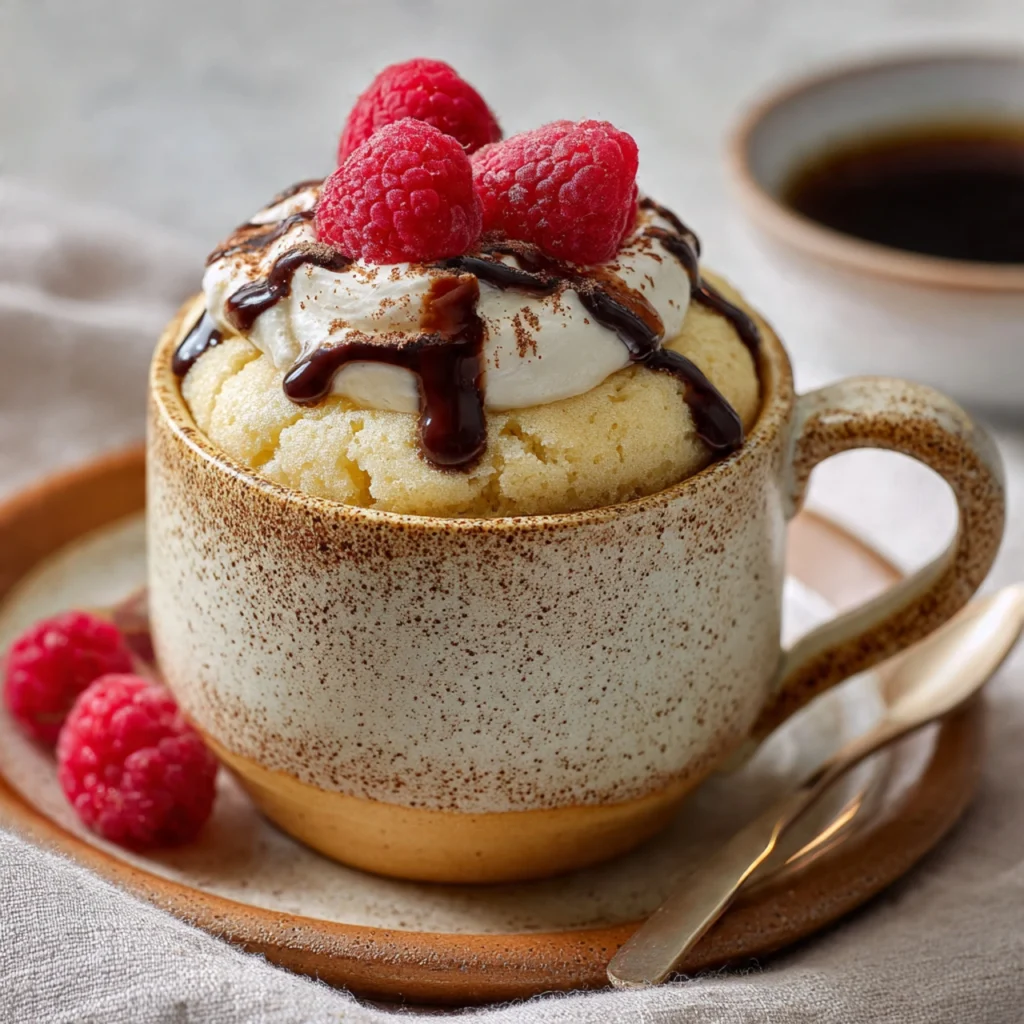
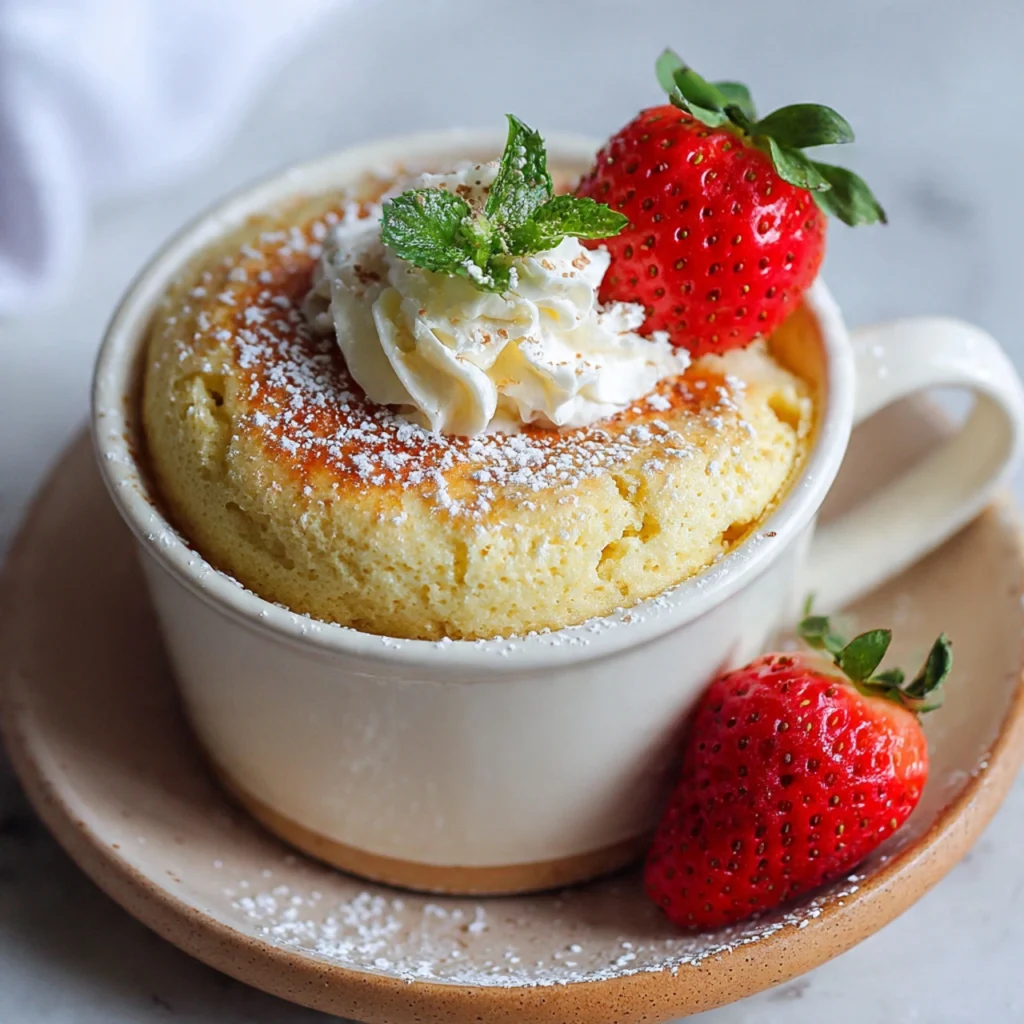
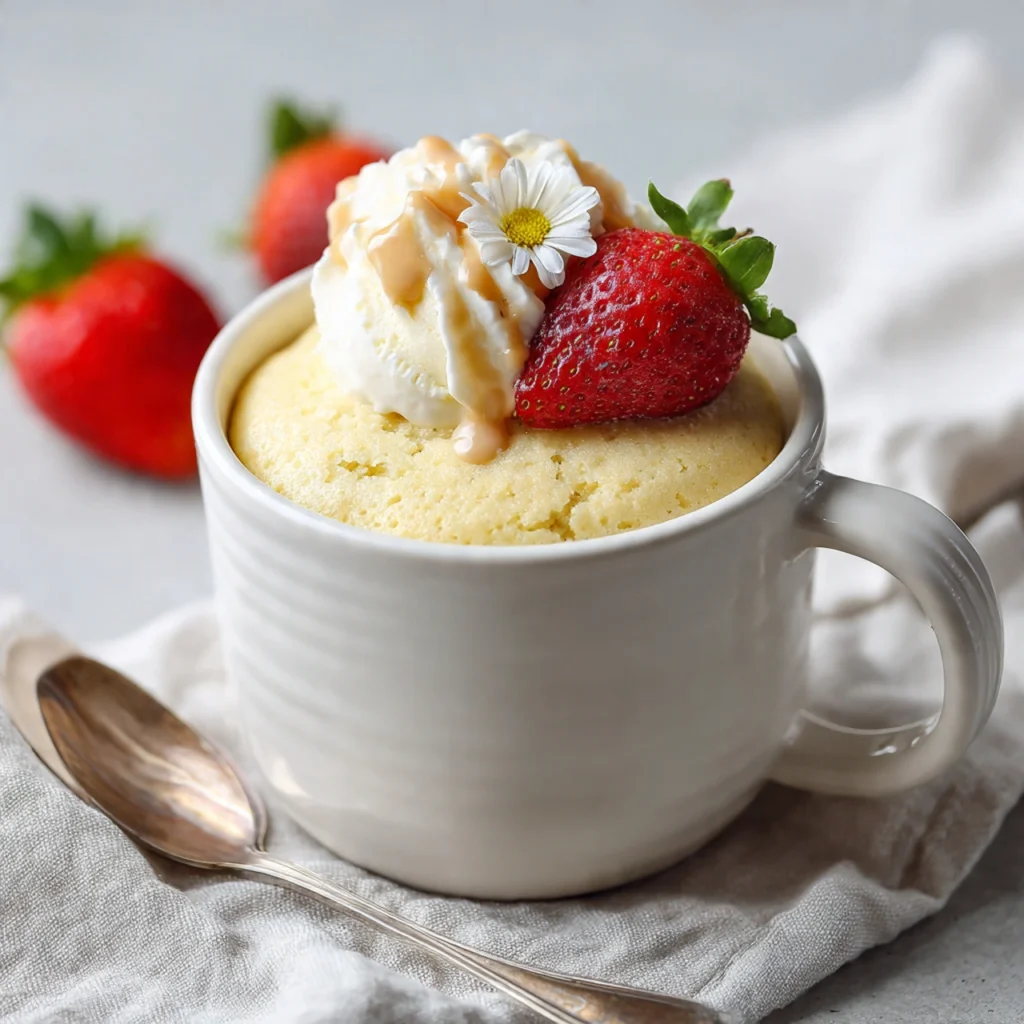
Your vanilla mug cake is ready to eat right from the mug, or you can run a knife around the edges and turn it out onto a small plate if you prefer. Add your favorite toppings—a dollop of whipped cream, a scoop of ice cream, a dusting of powdered sugar, or simply enjoy it plain while it’s still warm.
The best part? You made this in less time than it takes to decide what to watch on Netflix.
Pro Tips for the Perfect Vanilla Mug Cake
Microwave Wattage Matters
Microwaves vary significantly in power, and this affects cooking time. A 700-watt microwave might need 2 minutes, while a 1200-watt powerhouse could overcook your cake in 75 seconds. Start with 90 seconds and adjust based on your results. If your first attempt is underdone, add time in 10-second increments. If it’s rubbery, reduce time next time.
Don’t Overmix the Batter
While you want to ensure all ingredients are incorporated, overmixing develops gluten in the flour, which can make your cake tough and chewy. Mix just until you see no more dry flour and the batter is smooth—about 20-30 seconds of stirring is usually enough.
Use Room Temperature Ingredients
Cold milk straight from the fridge can create a denser cake. If you remember, take your milk out a few minutes before making the cake, or microwave it for just 5-10 seconds to take the chill off. This helps create a lighter, fluffier texture.
Measure Accurately
Because this Vanilla Mug Cake recipe uses such small quantities, accuracy matters more than in a full-sized cake. A tablespoon too much flour can make the cake dry and dense. Use proper measuring spoons and level off dry ingredients with a knife for the best results.
Don’t Fill the Mug More Than Halfway
The batter should only fill about ⅓ to ½ of your mug before cooking. It will rise dramatically—sometimes doubling or tripling in size—and you need that space to prevent overflow. If your mug is borderline too small, place it on a microwave-safe plate just in case.
Adjust Sweetness to Your Taste
The recipe as written is moderately sweet. If you prefer less sweet desserts, reduce sugar to 2 tablespoons. For a sweeter cake, increase to 4 tablespoons. The texture won’t change much with these small adjustments.
Enhance the Vanilla Flavor
For maximum vanilla flavor, use pure vanilla extract rather than imitation, and don’t skimp on it. You can even increase to ½ teaspoon if you’re a vanilla fanatic. Vanilla bean paste (if you have it) creates an even more intense vanilla experience with beautiful flecks throughout the cake.
Let It Rest Before Eating
This is the hardest tip to follow but one of the most important. That 1-2 minute rest allows the cake’s structure to set. If you eat it immediately, it might seem slightly gummy. After resting, the texture improves dramatically, becoming tender and cake-like rather than bread-like.
Common Mistakes to Avoid
Using Too Much Baking Powder
More leavening doesn’t mean a better rise—it means a chemical taste and potentially a cake that rises too much then collapses. Stick to the tiny ⅛ teaspoon measurement. Mug cakes need less leavening than traditional cakes because they cook so quickly.
Overcooking the Cake
This is the number one mistake people make. An overcooked mug cake becomes rubbery, tough, and dry. The cake is done when it’s just set on top—it shouldn’t look completely dry and firm. Remember, it continues cooking from residual heat as it cools. When in doubt, undercook slightly rather than overcook.
Forgetting the Oil or Butter
The fat in this recipe isn’t optional—it’s what keeps your cake moist and tender. Without it, you’ll get a dry, crumbly, hockey puck of sadness. Don’t try to make this “healthier” by omitting the oil. It’s a dessert, and those 2 tablespoons make all the difference.
Using the Wrong Mug Size
Too small and you’ll have overflow mess. Too large and the cake cooks unevenly, potentially ending up with a dry top and undercooked bottom. A 12-16 ounce mug is the sweet spot for this recipe.
Not Mixing Thoroughly
Flour lurking in the bottom of your mug will create dense, floury pockets in your finished cake. Scrape the bottom and sides thoroughly with your fork to ensure everything is evenly mixed. Take an extra 10 seconds to really get in there—it matters.
Adding Too Much Liquid
It’s tempting to add extra milk if the batter seems thick, but resist. The proper ratio creates the right texture. Too much liquid makes a dense, heavy cake that might not cook through properly.
Eating It Immediately
I know it’s hard to wait, but giving your cake even just 60 seconds to rest makes a huge texture difference. Plus, you won’t burn your tongue, which is always a bonus.
Storage and Serving Suggestions
Can You Store a Mug Cake?
Technically yes, but honestly, mug cakes are at their absolute best eaten fresh and warm. The whole point is making a single serving for immediate enjoyment. That said, if you do have leftovers (I can’t imagine why), cover the mug with plastic wrap and refrigerate for up to 24 hours.
Reheat in the microwave for 15-20 seconds. The texture won’t be quite as good as fresh, but it’s still edible. The cake tends to dry out and become slightly tough when reheated.
Serving Suggestions That Elevate
While delicious plain, a few additions take this simple cake from good to extraordinary:
Ice Cream Sundae Style: Top the warm cake with a scoop of vanilla ice cream and watch it melt into the cake. Add chocolate sauce and sprinkles for a homemade sundae.
Berry Compote: Heat frozen berries with a teaspoon of sugar in the microwave for 30 seconds until they release their juices. Spoon over the cake for a sophisticated touch.
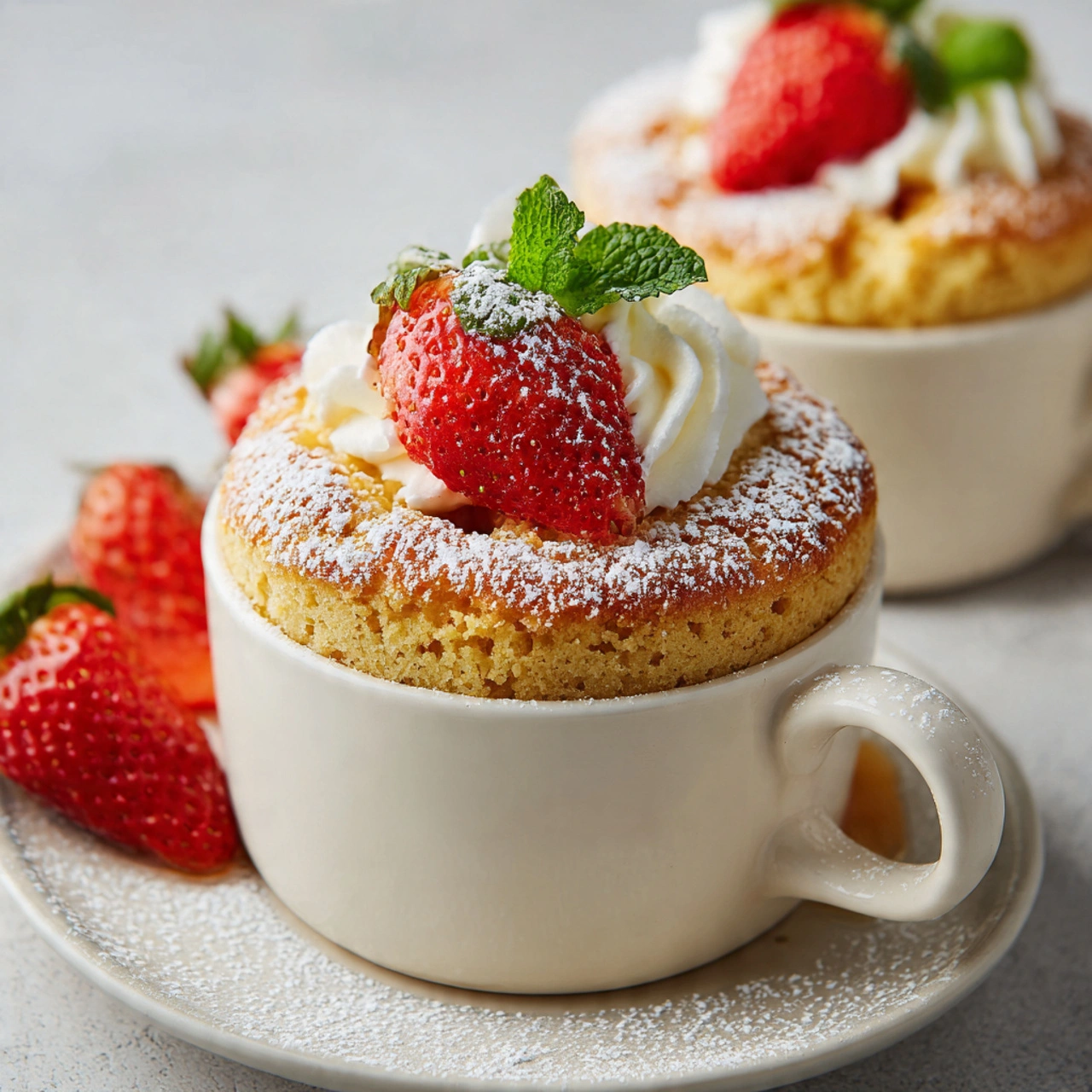
Whipped Cream and Fresh Fruit: Light whipped cream and fresh strawberries or blueberries make this feel fancy despite the 2-minute prep time.
Nutella Swirl: Add a teaspoon of Nutella to the center of the batter before microwaving for a molten chocolate-hazelnut surprise in the middle.
Lemon Glaze: Mix powdered sugar with lemon juice and drizzle over the cooled cake for a citrusy twist.
Make It a Complete Dessert Experience
Pair your mug cake with hot coffee or cold milk. The combination of warm cake and cold milk is particularly satisfying. For adults, a small glass of dessert wine or Irish coffee makes this feel like a real treat rather than just a quick fix.
Presentation Ideas
If you’re serving this to guests (yes, you can make multiple mugs!), dust with powdered sugar through a small strainer, add a mint leaf garnish, or serve in pretty mugs that coordinate. You can even transfer the cake to a small dessert plate and add a sauce drizzle for plating worthy of a restaurant.
FAQ For Vanilla Mug Cake
Can I make this without eggs?
Yes! This recipe is actually egg-free already, which is one reason it works so well in the microwave. Eggs can make microwave cakes rubbery, so this recipe relies on baking powder for lift and oil for moisture instead.
Can I make this vegan?
Absolutely! Use plant-based milk (almond, oat, soy all work) and make sure your sugar is vegan (some granulated sugar is processed with bone char). The recipe is already free of eggs and butter. Verify your oil is vegan, though most vegetable oils are.
Why is my mug cake rubbery or tough?
This usually indicates overcooking. Reduce your microwave time by 10-15 seconds next time. It can also result from overmixing the batter, which develops gluten. Mix just until combined. Finally, using too much baking powder creates a rubbery texture.
Can I double this recipe for a bigger cake?
You can, but you’ll need a much larger container—at least 20 ounces—and the cooking time won’t simply double. Start with 2 minutes and check, adding time in 15-second increments. Honestly, the recipe is designed for single servings, so I recommend making two separate mugs if you need two servings.
Can I use whole wheat flour or almond flour?
Whole wheat flour works but creates a denser, heartier cake. Start with half whole wheat and half all-purpose for best results. Almond flour doesn’t work well as a 1:1 substitution because it lacks gluten structure. If you want to use almond flour, you’ll need a completely different recipe designed specifically for it.
How do I know my microwave wattage?
Check the label inside your microwave door or on the back of the unit. It’s usually listed clearly. Most modern microwaves are 1000-1200 watts. If you can’t find the wattage, use the 90-second guideline and adjust based on results.
Can I make this in a regular oven?
You can bake this in a small oven-safe ramekin at 350°F for about 12-15 minutes, but that defeats the purpose of a quick mug cake. If you’re using the oven, you might as well make a full-sized cake since the prep time won’t be much different.
Nutrition Information (Approximate Values per Serving)
Serving Size: 1 mug cake (entire recipe)
- Calories: 380
- Total Fat: 16g
- Saturated Fat: 2g
- Trans Fat: 0g
- Cholesterol: 5mg
- Sodium: 150mg
- Total Carbohydrates: 55g
- Dietary Fiber: 1g
- Sugars: 32g
- Protein: 5g
- Vitamin A: 2% DV
- Calcium: 8% DV
- Iron: 6% DV
Note: Nutrition information is approximate and will vary based on specific ingredients used and any optional toppings added. This is a dessert treat meant for occasional enjoyment.
Conclusion
Vanilla mug cake represents the perfect intersection of convenience and indulgence, proving that sometimes the simplest solutions are the most satisfying. In a world where we’re constantly told we need specialty equipment, complicated techniques, and hours of time to create something delicious, this humble mug cake rebels against all that complexity and delivers pure dessert joy in under 5 minutes total.
What makes this Vanilla Mug Cake recipe truly special isn’t just its speed—it’s how it democratizes dessert.No stand mixer, springform pan, or baking degree is required. Planning ahead or making enough cake to feed an army isn’t necessary either. All you need is a mug, a microwave, and a few minutes! This accessibility means anyone can have homemade cake exactly when they want it, in exactly the portion they want.
The techniques you’ve learned here—proper measuring, understanding how microwaves cook differently than ovens, recognizing when something is done versus overdone—extend beyond mug cakes and will make you a more confident cook overall. And once you’ve mastered this vanilla version, you can experiment with endless variations: chocolate, lemon, pumpkin spice, or any flavor combination your imagination conjures.
So the next time a dessert craving strikes and you just can’t be bothered with full-scale baking, remember that satisfaction is just 2 minutes away. Grab a mug, raid your pantry, and treat yourself to the instant gratification you deserve. Happy microwaving!
Print6 Steps to a Perfect Vanilla Mug Cake in Just 2 Minutes

This vanilla mug cake is your answer to instant dessert gratification—a fluffy, moist, perfectly sweet single-serve cake that cooks in the microwave in just 90 seconds. Made with simple pantry ingredients mixed right in the mug, it requires no special equipment, creates minimal cleanup, and delivers homemade cake satisfaction without the wait. Perfect for late-night cravings, quick desserts, or any time you want something sweet without committing to a full batch of baked goods.
- Prep Time: 2 minutes
- Cook Time: 1½ minutes
- Total Time: 3½ minutes
- Yield: 1 serving
- Category: Dessert, Snack, Single Serve
- Method: Microwave
- Cuisine: American
- Diet: Vegetarian
Ingredients
- 4 tablespoons (¼ cup) all-purpose flour
- 3 tablespoons granulated sugar
- ⅛ teaspoon baking powder
- Pinch of salt
- 3 tablespoons milk
- 2 tablespoons vegetable oil or melted butter
- ¼ teaspoon pure vanilla extract
- Optional: 1 tablespoon sprinkles or chocolate chips
Optional Toppings:
- Whipped cream, ice cream, powdered sugar, berries, or chocolate sauce
Instructions
- Choose a microwave-safe mug that holds at least 12 ounces. Lightly spray with cooking spray if desired.
- Add flour, sugar, baking powder, and salt to the mug. Whisk together thoroughly with a fork until well combined and lump-free.
- Add milk, oil, and vanilla extract. Mix with the fork until completely smooth, making sure to scrape the bottom and sides. Batter should be uniform with no dry flour pockets.
- If using mix-ins like chocolate chips, fold them in gently.
- Microwave on high for 1 minute and 30 seconds (90 seconds). The cake will rise significantly and should look set on top but may be slightly shiny. If using a lower-wattage microwave, add time in 10-second increments as needed.
- Let cool for 1-2 minutes before eating. The texture will improve as it rests.
- Enjoy directly from the mug or turn out onto a plate. Add desired toppings.
Notes
- Microwave wattage varies—adjust time accordingly (700W = 2 min, 1200W = 75-90 sec)
- Don’t overmix—stir just until smooth to avoid tough texture
- Fill mug only ⅓-½ full before cooking to allow room for rising
- Cake continues cooking as it cools, so don’t overbake
- Best enjoyed fresh and warm; doesn’t store well
- Use pure vanilla extract for best flavor
- Can reduce sugar to 2 tablespoons for less sweet version
- Ensure all dry ingredients are thoroughly mixed before adding wet
- Room temperature milk creates lighter texture
- For gluten-free, use GF flour blend (texture may vary)