Introduction
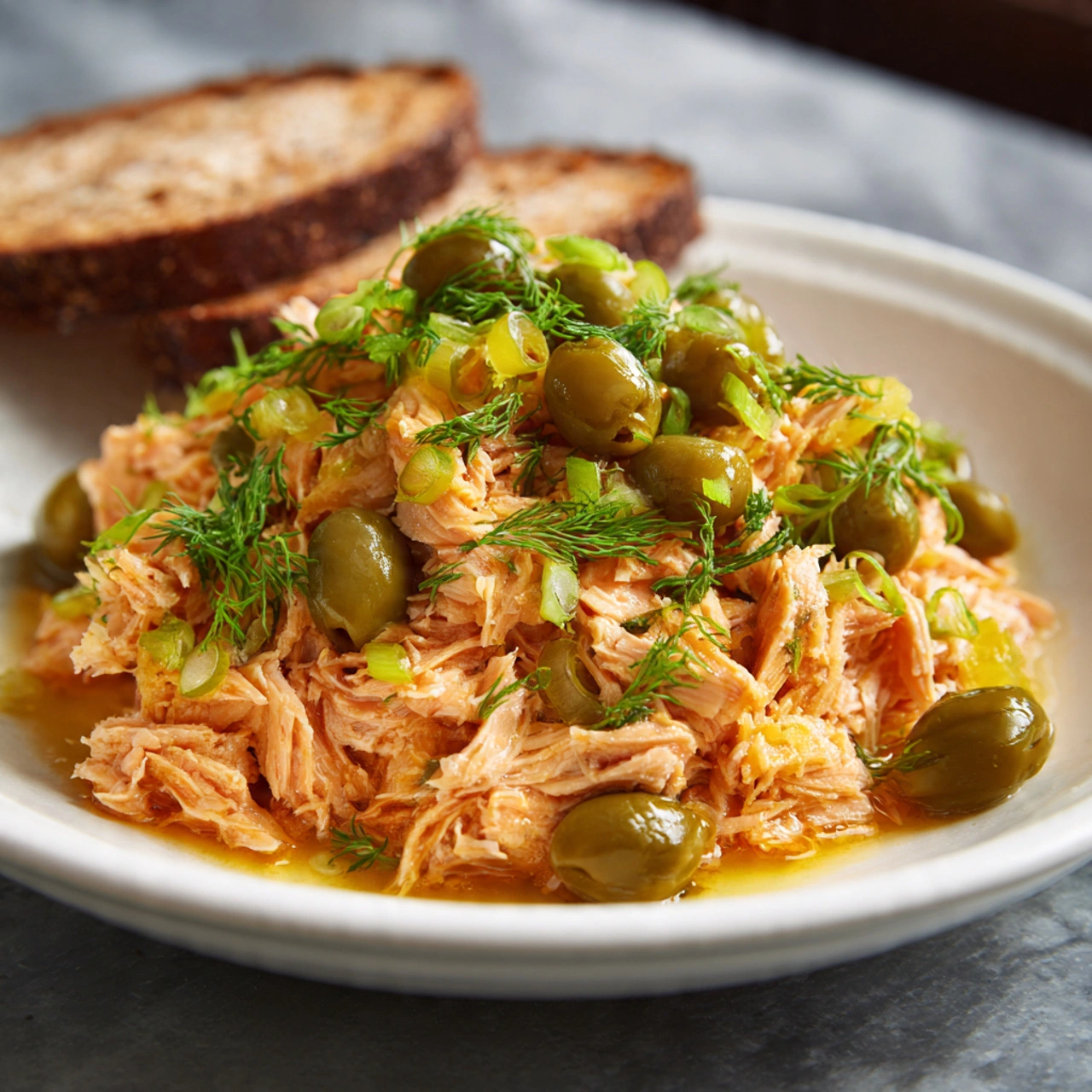
Canned salmon recipes are the perfect solution for busy weeknights when you need something nutritious, delicious, and fast. This underrated pantry staple delivers the protein and omega-3s of fresh salmon at a fraction of the cost, with zero prep required. Whether you’re stretching your grocery budget or getting dinner on the table in twenty minutes, canned salmon is a surprisingly smart choice.
I used to overlook canned salmon entirely—until a hectic week forced me to get creative with pantry staples. That single can turned into crispy, golden salmon patties that disappeared faster than takeout, sparking my appreciation for just how versatile this ingredient can be.
Beyond convenience and affordability, canned salmon shines in its adaptability. From patties and casseroles to salads and pasta dishes, it fits effortlessly into countless recipes. This guide focuses on classic salmon patties while sharing tips and variations that help you make the most of this budget-friendly staple.
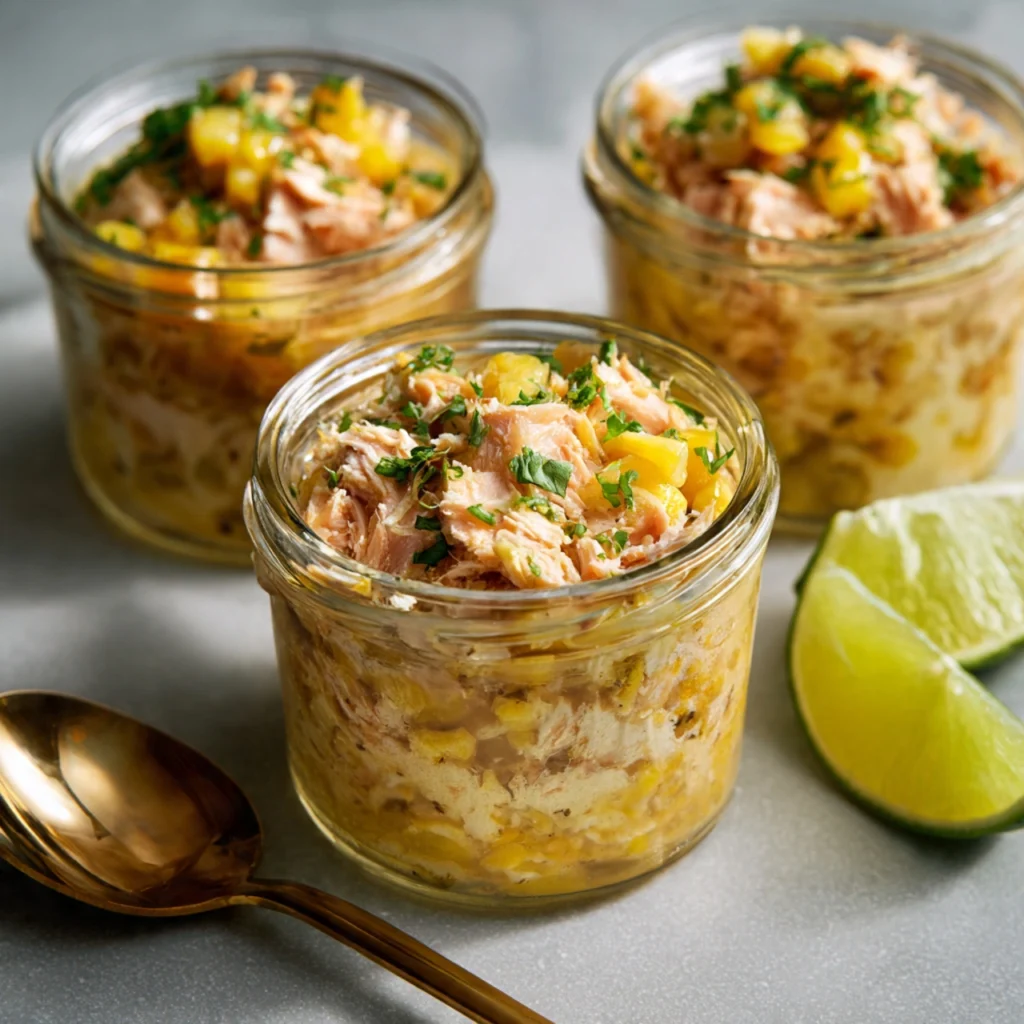
Ingredients
For Classic Salmon Patties:
- 2 cans (14.75 oz each) salmon, drained (pink or red/sockeye)
- 2 large eggs, lightly beaten
- ¾ cup panko breadcrumbs (plus extra for coating)
- ¼ cup finely diced onion (yellow or red)
- 2 tablespoons finely diced celery
- 2 tablespoons mayonnaise
- 1 tablespoon Dijon mustard
- 1 tablespoon fresh lemon juice
- 1 teaspoon lemon zest
- 2 tablespoons fresh parsley, chopped
- 1 tablespoon fresh dill, chopped (or 1 teaspoon dried)
- ½ teaspoon garlic powder
- ½ teaspoon paprika
- ¼ teaspoon cayenne pepper (optional)
- Salt and black pepper to taste
- 3-4 tablespoons vegetable oil (for pan-frying)
For Lemon Dill Sauce:
- ½ cup Greek yogurt or sour cream
- 2 tablespoons mayonnaise
- 1 tablespoon fresh lemon juice
- 1 tablespoon fresh dill, chopped
- 1 small garlic clove, minced
- Salt and pepper to taste
Optional Add-ins and Variations:
- 2 tablespoons capers, chopped
- ¼ cup corn kernels
- ¼ cup bell pepper, finely diced
- 2 green onions, sliced
- ½ teaspoon Old Bay seasoning
- Hot sauce to taste
Step-by-Step Instructions
Step 1: Prepare the Salmon
Open both cans of salmon and drain thoroughly. Pour the salmon into a large mixing bowl and use a fork to break it into smaller pieces. Remove any large bones if desired—though the bones are soft, edible, and actually an excellent source of calcium. Most people find them undetectable once mixed into the patties. Remove and discard any skin pieces if you prefer, though leaving them in is perfectly fine and adds nutrients.
The key here is achieving the right texture. You don’t want to mash the salmon into a paste, but rather break it into pieces roughly the size of a dime. This creates patties with good texture rather than a mushy consistency.
Step 2: Mix the Base Ingredients
Add the beaten eggs, three-quarters cup of panko breadcrumbs, diced onion, celery, mayonnaise, Dijon mustard, lemon juice, lemon zest, parsley, dill, garlic powder, paprika, and cayenne if using to the bowl with the salmon. Season with about half a teaspoon of salt and a quarter teaspoon of black pepper to start—you can always adjust after mixing.
Using clean hands or a sturdy fork, gently combine everything until just mixed and the ingredients bind together. The mixture should hold its shape when squeezed but not be overly wet or dry. If it seems too wet and won’t hold together, add more breadcrumbs a tablespoon at a time. If it’s too dry and crumbly, add a touch more mayonnaise or a splash of milk.
Let the mixture rest for five to ten minutes. This allows the breadcrumbs to absorb moisture, making the patties easier to form and less likely to fall apart during cooking.
Step 3: Form the Patties
Spread additional panko breadcrumbs on a plate for coating. Scoop about one-third cup of the salmon mixture and gently shape it into a patty about three inches in diameter and half an inch thick. The patties should be fairly compact but don’t squeeze them too tightly, which can make them dense.
Lightly coat both sides of each patty in the breadcrumbs on the plate, pressing gently so they adhere. Place the formed patties on a parchment-lined baking sheet or plate. This recipe typically yields six to eight patties depending on size.
For best results, refrigerate the formed patties for fifteen to thirty minutes before cooking. This chilling time helps them hold together better during cooking and creates a crispier exterior. If you’re short on time, you can skip this step, but the extra fifteen minutes makes a noticeable difference.
Step 4: Pan-Fry to Golden Perfection
Heat two tablespoons of oil in a large skillet over medium heat. The oil should shimmer but not smoke—if it’s smoking, your heat is too high. Carefully place three or four patties in the skillet without overcrowding. Overcrowding lowers the pan temperature and causes steaming instead of crisping.
Cook undisturbed for four to five minutes on the first side. Resist the urge to peek or move them around. You’ll know they’re ready to flip when the edges look golden and set, and they release easily from the pan with a spatula. If they’re sticking, give them another minute.
Carefully flip each patty and cook the second side for another four to five minutes until golden brown and heated through. The internal temperature should reach 145°F if you’re checking with a thermometer, though since canned salmon is already cooked, you’re really just heating and crisping.
Transfer finished patties to a paper towel-lined plate to drain briefly. Add more oil to the pan as needed and repeat with remaining patties.
Step 5: Make the Sauce
While the patties cook or chill, prepare the lemon dill sauce. In a small bowl, whisk together the Greek yogurt, mayonnaise, lemon juice, dill, and minced garlic until smooth. Season with salt and pepper to taste. The sauce can be made up to three days ahead and stored covered in the refrigerator, actually improving in flavor as it sits.
Step 6: Serve and Enjoy
Serve the salmon patties hot or at room temperature with the lemon dill sauce on the side or drizzled over the top. They’re delicious on their own, on buns as burgers, over salad greens, or alongside your favorite vegetables and starches.
Pro Tips for the Perfect Canned Salmon Recipes
Choose Quality Canned Salmon
Not all canned salmon is created equal. Wild-caught Alaskan salmon (usually labeled as pink or sockeye) offers better flavor and texture than farmed Atlantic salmon. Sockeye has a deeper color and richer taste but costs more, while pink salmon is milder and more budget-friendly. Both work beautifully in these recipes. Look for cans with minimal ingredients—just salmon, water, and salt.
Drain Thoroughly But Save the Liquid
Excess moisture is the enemy of crispy patties. After opening the can, drain it well, even pressing gently with a fork to remove extra liquid. However, save that liquid—it’s rich in nutrients and flavor, perfect for adding to soups, cooking rice, or feeding to pets as a treat.
Don’t Overmix the Mixture
Gentle handling is key. Overmixing breaks down the salmon too much and activates the gluten in the flour, creating dense, tough patties instead of tender, flaky ones. Mix just until everything comes together, then stop.
Adjust Binder Quantities Based on Salmon
Different brands of canned salmon have varying moisture content. Start with the recommended amount of breadcrumbs and eggs, then adjust as needed. The mixture should be moist enough to hold together but not wet or sloppy. When you squeeze a portion, it should compact into a ball that holds its shape.
Rest Before Cooking
Those fifteen to thirty minutes of refrigeration before cooking aren’t just for convenience—they’re crucial for patties that hold together beautifully. The cold firms up the mixture, the breadcrumbs absorb more moisture, and the flavors meld. If you’re really short on time, even five minutes helps.
Use a Non-Stick or Well-Seasoned Pan
Delicate salmon patties can stick and fall apart if your pan isn’t prepared properly. A good non-stick skillet is ideal, but a well-seasoned cast iron pan works beautifully too. Make sure the oil is hot enough before adding patties—a drop of water should sizzle immediately.
Try Baking for Easier Preparation
While pan-frying creates the crispiest exterior, you can bake salmon patties at 400°F for 12-15 minutes per side, flipping halfway through. Brush them lightly with oil before baking and place them on a parchment-lined baking sheet. They won’t be quite as crispy but require less attention and no standing over a hot stove.
Make Them Ahead and Freeze
Formed, uncooked patties freeze beautifully for up to three months. Arrange them on a baking sheet, freeze until solid, then transfer to a freezer bag. Cook from frozen, adding a few extra minutes to the cooking time. This makes them perfect for meal prep or having quick meals always available.
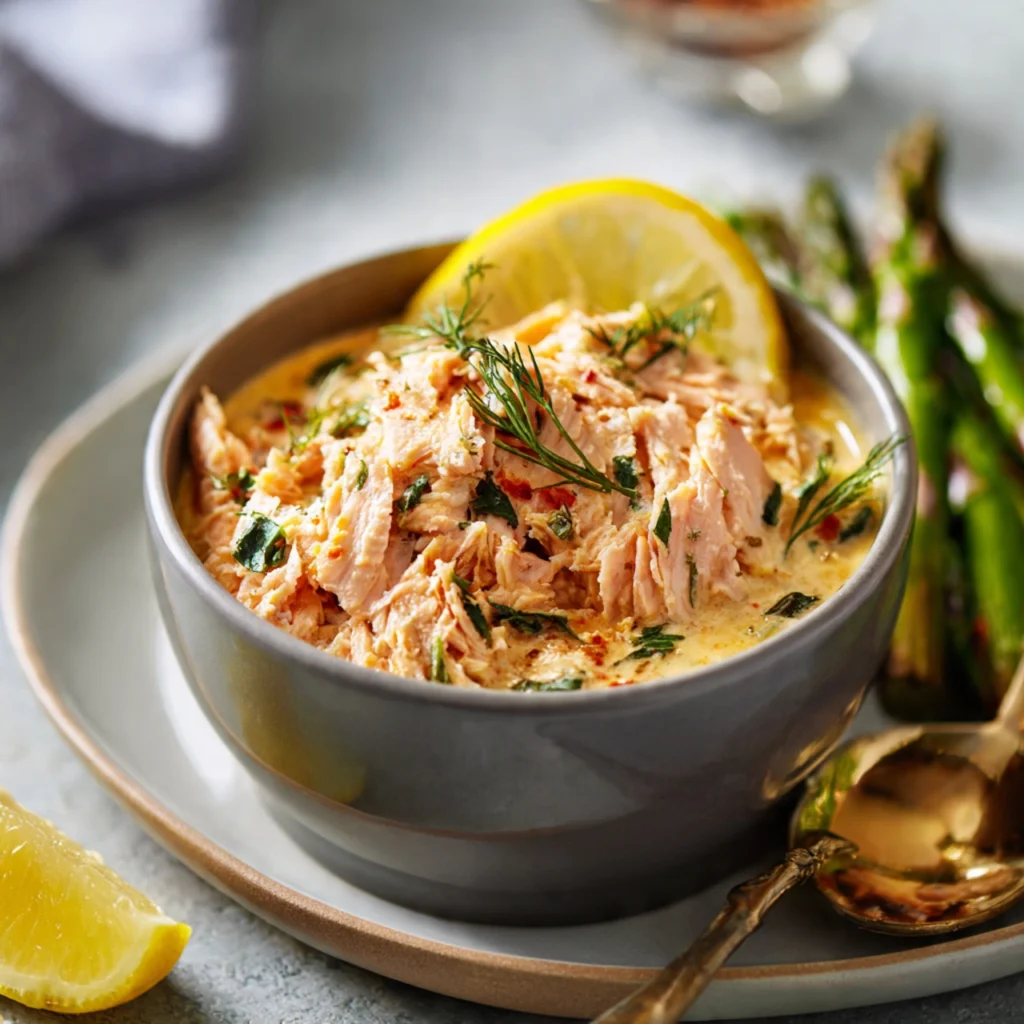
Common Mistakes to Avoid
Using Too Much Binder
Adding excessive breadcrumbs, flour, or eggs creates patties that taste more like bread than salmon. The salmon should be the star, with just enough binder to hold everything together. Start with less and add more only if needed.
Making Patties Too Thick
Thick patties look impressive but are difficult to cook evenly. They may brown beautifully on the outside while remaining cold in the center, or require so much cooking time that they dry out. Keep patties to about half an inch thick for the best results.
Cooking Over Too High Heat
High heat burns the outside before the inside heats through. Medium or medium-low heat gives you control, allowing the patties to develop a gorgeous golden crust while heating evenly throughout. Patience here is rewarded with superior results.
Flipping Too Soon or Too Often
When patties stick to the pan, the instinct is to force them loose and flip them repeatedly. This breaks them apart. If they’re sticking, they’re not ready to flip. Wait until they release naturally, which happens when a proper crust forms.
Forgetting to Season Adequately
Canned salmon can taste bland without proper seasoning. Don’t rely solely on the salt in the can—taste your mixture before forming patties and adjust seasoning. Between the lemon, herbs, mustard, and vegetables, there should be bright, balanced flavor in every bite.
Skipping the Vegetables
Those finely diced onions and celery aren’t just flavor additions—they provide moisture and textural contrast that keeps patties from being dense and dry. Don’t skip them, and make sure they’re diced small enough to distribute evenly throughout.
Not Removing Excess Oil
While some residual oil adds flavor, patties sitting in puddles of grease are unappetizing. Always drain cooked patties briefly on paper towels to remove excess oil before serving.
Storage and Serving Suggestions
Storing Leftovers
Cooked salmon patties keep in an airtight container in the refrigerator for up to four days. Layer them with parchment paper between to prevent sticking. Reheat in a 350°F oven for about ten minutes, or in a skillet over medium heat for a few minutes per side. Microwaving works but makes them softer rather than crispy.
Freezing Cooked Patties
Fully cooked patties freeze well for up to three months. Cool completely, wrap individually in plastic wrap or parchment, then store in a freezer bag. Thaw overnight in the refrigerator before reheating, or reheat directly from frozen in a 375°F oven for 20-25 minutes.
Serving Suggestions That Shine
The versatility of salmon patties makes them appropriate for countless meals and occasions:
As Burgers: Serve on toasted buns with lettuce, tomato, red onion, and tartar sauce or the lemon dill sauce. Add pickles, avocado, or coleslaw for extra flavor and texture.
Over Salads: Place a warm patty over mixed greens with cherry tomatoes, cucumber, and a light vinaigrette for a protein-packed lunch.
With Classic Sides: Pair with mashed potatoes, roasted vegetables, coleslaw, corn on the cob, or mac and cheese for a comforting dinner plate.
As Appetizers: Make mini patties (about 2 inches in diameter) and serve with toothpicks and dipping sauces at parties.
In Wraps: Crumble a patty into a tortilla with lettuce, tomatoes, and sauce for an easy lunch wrap.
Breakfast Style: Serve alongside eggs, hash browns, and toast for a protein-rich breakfast.
Wine and Beverage Pairings
The bright, fresh flavors of salmon patties pair beautifully with crisp white wines like Sauvignon Blanc, Pinot Grigio, or unoaked Chardonnay. For beer lovers, a light lager or wheat beer complements without overwhelming. Non-alcoholic options include iced tea with lemon, sparkling water with cucumber, or a crisp white grape juice.
Complete Meal Ideas
Quick Weeknight Dinner: Salmon patties, frozen vegetables steamed in the microwave, and instant rice cooked in chicken broth takes 20 minutes total.
Fancy Friday: Salmon patties on arugula salad with roasted asparagus, quinoa pilaf, and lemon dill sauce feels restaurant-worthy.
Budget Meal Prep: Make a double batch, freeze half, and use throughout the month paired with different sides for variety.
FAQ For Canned Salmon
Can I use fresh or frozen salmon instead of canned?
Absolutely! Use about one pound of cooked fresh salmon (skin and bones removed) in place of the canned. Poach, bake, or grill it first, then flake it and proceed with the recipe. The texture will be slightly different—a bit more delicate—but delicious. Canned salmon is more economical and convenient, which is why it’s featured here, but fresh works beautifully too.
What’s the difference between pink and red canned salmon?
Pink salmon (also called humpback) is milder in flavor, lighter in color, and more budget-friendly. Red salmon (sockeye) has a deeper red-orange color, richer flavor, and firmer texture but costs significantly more. Both work perfectly in these recipes—choose based on your budget and taste preference. Sockeye is worth the splurge for special occasions or when serving guests.
Are the bones in canned salmon safe to eat?
Yes, completely safe and actually beneficial! The canning process softens bones until they’re almost undetectable and easy to mash. They’re an excellent source of calcium—one of the nutritional advantages of canned salmon over fresh. Most people can’t even tell they’re there once mixed into patties. If you prefer, you can remove larger bones, but it’s unnecessary.
Can I make these gluten-free?
Definitely! Substitute gluten-free breadcrumbs or crushed gluten-free crackers for the panko. Almond flour or crushed pork rinds also work as binders, though they create a slightly different texture. Make sure your Dijon mustard and other condiments are certified gluten-free if you have celiac disease.
Why are my salmon patties falling apart?
This usually happens because the mixture is too wet, too dry, or wasn’t allowed to rest before cooking. Make sure you’ve drained the salmon thoroughly and adjust the breadcrumbs until the mixture holds together when squeezed. Let it rest for at least five minutes, and refrigerate formed patties if possible. Also ensure your cooking heat isn’t too high and you’re not flipping too early.
What other Canned Salmon are popular?
Beyond patties, canned salmon shines in numerous dishes: salmon pasta with cream sauce, salmon salad (like tuna salad but better), salmon casseroles, salmon croquettes, salmon dip for crackers, salmon fried rice, salmon stuffed avocados, salmon tacos, salmon pizza, and salmon scrambled eggs. It’s incredibly versatile!
How long does canned salmon last in the pantry?
Unopened canned salmon stays good for 3-5 years past the printed date when stored in a cool, dry place. Once opened, transfer any unused salmon to an airtight container and refrigerate, using within 3-4 days. The long shelf life makes it perfect for emergency meal planning and pantry cooking.
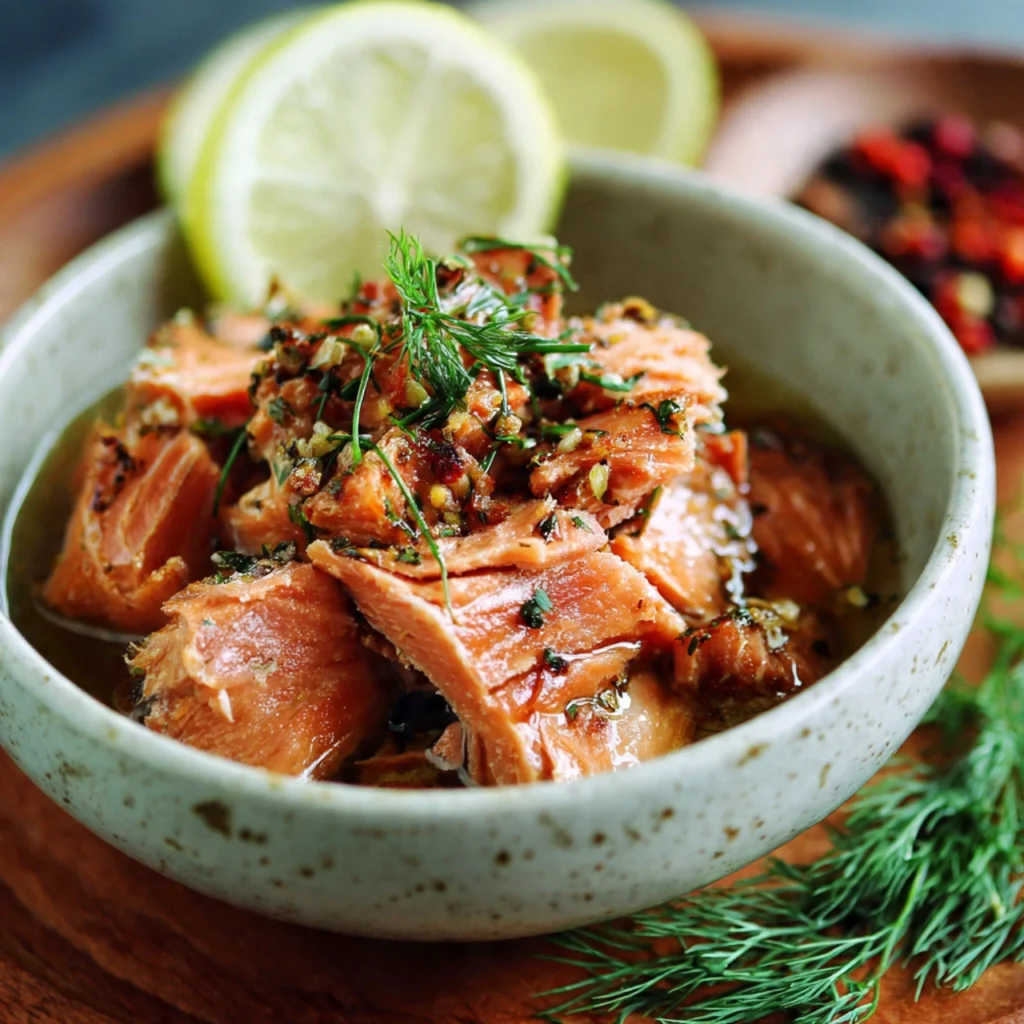
Nutrition Information (Approximate Values per Serving)
Serving Size: 1 salmon patty (based on 6 patties)
- Calories: 245
- Total Fat: 14g
- Saturated Fat: 2g
- Trans Fat: 0g
- Cholesterol: 95mg
- Sodium: 480mg
- Total Carbohydrates: 12g
- Dietary Fiber: 1g
- Sugars: 2g
- Protein: 18g
- Vitamin D: 85% DV
- Calcium: 15% DV
- Iron: 8% DV
- Omega-3 Fatty Acids: 1200mg
Note: Nutrition information is approximate and will vary based on specific ingredients used, can size, and cooking method. Canned salmon is naturally high in protein, omega-3s, vitamin D, and calcium while being relatively low in calories.
Conclusion
Canned salmon recipes deserve a permanent place in every home cook’s repertoire, offering the perfect combination of convenience, nutrition, and affordability without sacrificing flavor or satisfaction. These golden salmon patties prove that humble pantry staples can create meals just as delicious and satisfying as anything made with premium fresh ingredients. The best part is how adaptable and forgiving this recipe is—customize the seasonings, adjust the vegetables, make them spicy or mild, and serve them a dozen different ways.
What I love most about cooking with canned salmon is the freedom it provides. There’s no last-minute grocery run for a protein that’s about to expire, no careful timing to prevent overcooking delicate fish, and no premium price tag that makes you nervous about experimenting. That can sitting in your pantry represents dinner possibilities any night of the week, whether you have twenty minutes or an hour, whether you’re feeding one person or eight.
The techniques you’ve learned here—forming perfectly textured patties, achieving crispy exteriors, balancing flavors and moisture—extend beyond salmon to all kinds of fish cakes, crab cakes, and similar preparations. You’re building skills and confidence that will serve you well across countless recipes. And once you’ve mastered these classic patties, you’ll find yourself getting creative with the variations, perhaps adding Asian-inspired flavors one week, Mediterranean herbs the next.
So stock up on canned salmon during your next grocery trip, keep the other ingredients on hand, and know that you’re always twenty minutes away from a nutritious, delicious meal that rivals anything from a restaurant. Your wallet, your schedule, and your family will thank you. Happy cooking!
Print12 Amazing Canned Salmon Recipes You Can Make in 20 Minutes
These classic salmon patties transform affordable canned salmon into golden, crispy cakes that are perfect for quick weeknight dinners, meal prep, or budget-friendly entertaining. With a crispy exterior, tender flaky interior, and bright lemon-herb flavor, they’re nutritious comfort food at its finest. Ready in just 20 minutes from pantry to plate, these versatile patties can be served as burgers, over salads, or alongside your favorite sides. The recipe includes a creamy lemon dill sauce that takes them from simple to sublime.
- Prep Time: 15 minutes
- Cook Time: 10 minutes
- Total Time: 25 minutes (includes optional resting time)
- Yield: 6-8 patties (4 servings)
- Category: Main Course, Seafood, Budget Meal
- Method: Pan-Frying, Sautéing
- Cuisine: American, Southern-inspired
- Diet: Halal
Ingredients
Salmon Patties:
- 2 cans (14.75 oz each) salmon, drained
- 2 large eggs, beaten
- ¾ cup panko breadcrumbs, plus extra for coating
- ¼ cup finely diced onion
- 2 tablespoons finely diced celery
- 2 tablespoons mayonnaise
- 1 tablespoon Dijon mustard
- 1 tablespoon fresh lemon juice
- 1 teaspoon lemon zest
- 2 tablespoons fresh parsley, chopped
- 1 tablespoon fresh dill, chopped
- ½ teaspoon garlic powder
- ½ teaspoon paprika
- ¼ teaspoon cayenne pepper (optional)
- Salt and black pepper to taste
- 3-4 tablespoons vegetable oil for frying
Lemon Dill Sauce:
- ½ cup Greek yogurt or sour cream
- 2 tablespoons mayonnaise
- 1 tablespoon fresh lemon juice
- 1 tablespoon fresh dill, chopped
- 1 small garlic clove, minced
- Salt and pepper to taste
Instructions
- Drain canned salmon thoroughly and place in a large bowl. Use a fork to break into smaller pieces, removing any large bones or skin if desired.
- Add eggs, breadcrumbs, onion, celery, mayonnaise, mustard, lemon juice and zest, herbs, garlic powder, paprika, cayenne, salt, and pepper. Mix gently until just combined. Let rest 5-10 minutes.
- Place additional breadcrumbs on a plate. Form mixture into 6-8 patties about 3 inches wide and ½ inch thick. Coat lightly with breadcrumbs on both sides. Refrigerate 15-30 minutes if time allows.
- Heat 2 tablespoons oil in a large skillet over medium heat. Add patties without overcrowding and cook 4-5 minutes per side until golden brown and crispy.
- Transfer to paper towel-lined plate. Repeat with remaining patties, adding more oil as needed.
- Make sauce by whisking together all sauce ingredients until smooth.
- Serve patties hot with lemon dill sauce.
Notes
- Drain salmon well to prevent soggy patties
- Don’t overmix the mixture—gentle handling keeps them tender
- Refrigerating formed patties helps them hold together during cooking
- Mixture should hold together when squeezed; adjust breadcrumbs if too wet or dry
- Pink or red/sockeye salmon both work; sockeye has richer flavor
- Bones in canned salmon are soft, edible, and nutritious—no need to remove
- Can be baked at 400°F for 12-15 minutes per side instead of pan-frying
- Formed uncooked patties freeze well for up to 3 months
- Cooked patties keep refrigerated for 4 days
- For gluten-free, use GF breadcrumbs