Introduction
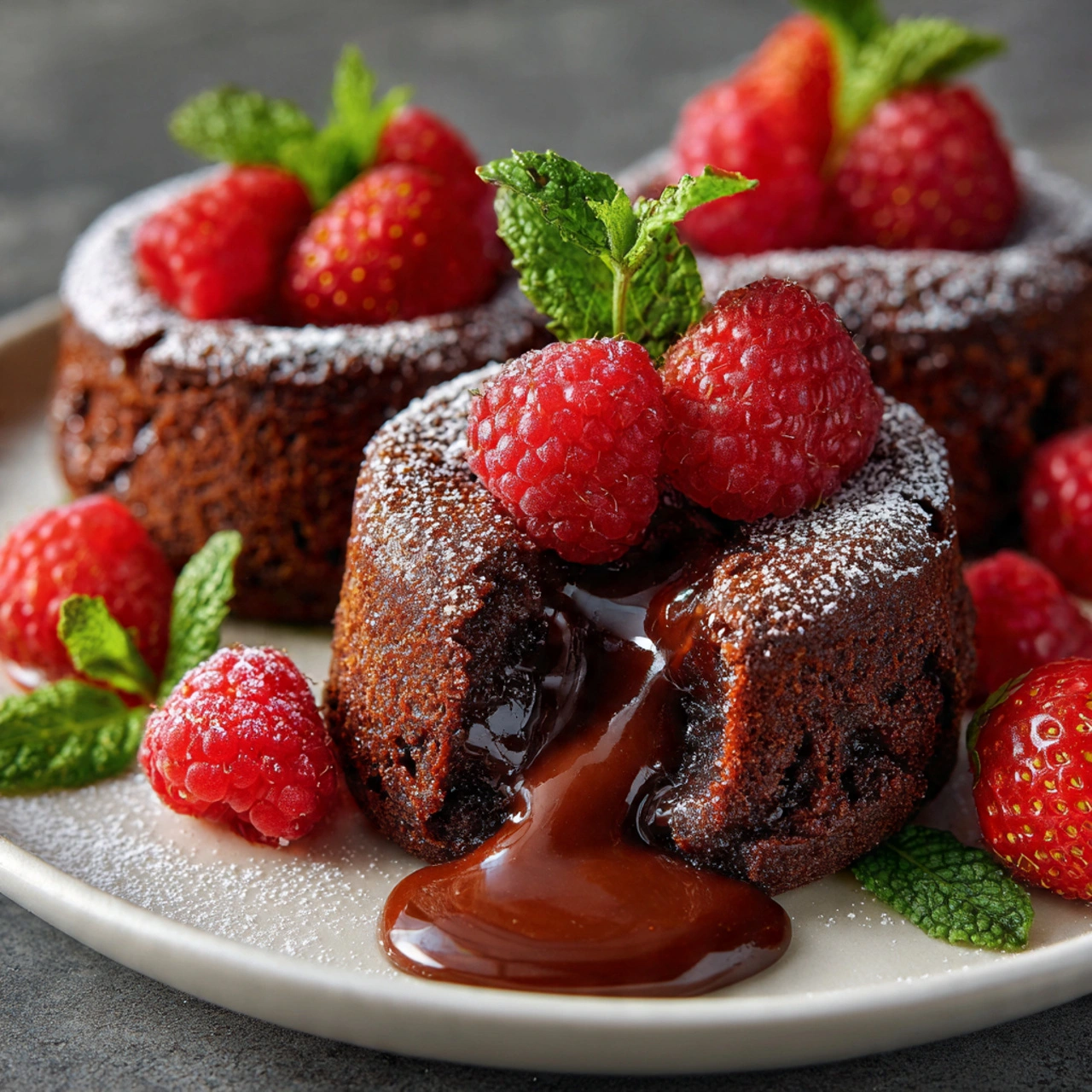
Molten Lava Cakes are the ultimate showstopper dessert that never fails to impress—imagine cutting into a perfectly baked chocolate cake only to have a river of warm, velvety chocolate ganache flow onto your plate like liquid gold. This restaurant-favorite dessert might look intimidating, but I’m about to let you in on a secret: making bakery-quality molten lava cakes at home is surprisingly simple and takes less than 30 minutes from start to finish.
I still remember the first time I ordered a molten lava cake at a fancy restaurant. That moment when the server instructed me to cut into the center and watch the chocolate cascade out—it was pure magic. The combination of the slightly crisp exterior, tender cake layer, and that gloriously gooey molten center created a textural experience unlike any other dessert I’d tasted. I was hooked, and I knew I had to recreate it at home.
After years of testing and refining, I’ve developed a foolproof molten lava cake recipe that delivers restaurant-quality results every single time. The secret isn’t some complicated French pastry technique or hard-to-find ingredients—it’s all about understanding the science behind the timing and temperature. These individual chocolate cakes bake just long enough to set the outer edges while keeping the center gloriously liquid and flowing.
What makes this dessert truly special is its versatility. Molten lava cakes are equally at home at an intimate Valentine’s Day dinner for two, an elegant dinner party finale, or a special birthday celebration. They’re the definition of elegant simplicity—minimal ingredients combining to create maximum impact. The best part? You can prepare them hours ahead and pop them in the oven just before serving, making them perfect for entertaining without last-minute stress.
Why This Molten Lava Cakes Recipe Works
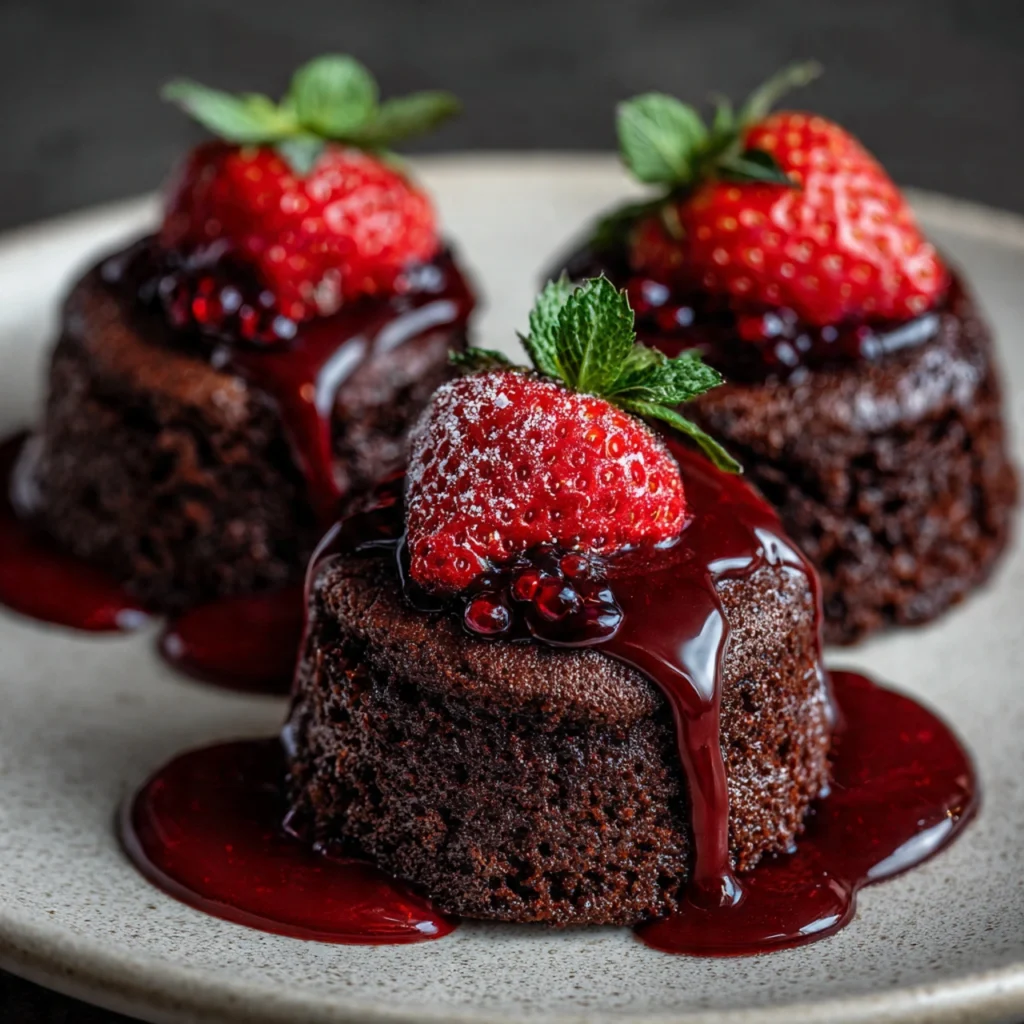
This Molten Lava Cakes recipe relies on precise ratios and carefully calibrated timing to achieve that perfect molten center. Unlike some recipes that use frozen ganache centers or complicated assembly methods, this straightforward approach uses simple physics—the outside bakes faster than the inside, creating that signature contrast.
The high butter and chocolate content ensures richness and depth of flavor, while the small amount of flour provides just enough structure to hold the shape without creating a cakey texture. The eggs are whipped to incorporate air, giving the exterior a delicate, almost soufflé-like quality that contrasts beautifully with the flowing center.
Ingredients
For the Molten Lava Cakes:
- 6 tablespoons unsalted butter (85g), plus more for greasing ramekins
- 6 ounces high-quality dark chocolate (170g), 60-70% cacao recommended
- 2 large eggs, room temperature
- 2 large egg yolks, room temperature
- ¼ cup granulated sugar (50g)
- Pinch of salt
- 2 tablespoons all-purpose flour (16g), plus more for dusting ramekins
- ½ teaspoon vanilla extract
Optional Ingredients:
- 1 tablespoon espresso powder or instant coffee for deeper chocolate flavor
- 1 tablespoon liqueur (Grand Marnier, Kahlúa, or Baileys)
- ¼ teaspoon cinnamon for a subtle warm spice note
For Serving:
- Vanilla ice cream or whipped cream
- Fresh raspberries or strawberries
- Powdered sugar for dusting
- Fresh mint leaves for garnish
- Caramel or raspberry sauce
Step-by-Step Instructions
Step 1: Prepare Your Ramekins
Proper preparation of your ramekins is crucial for easy unmolding. Generously butter the inside of four 6-ounce ramekins, making sure to coat every surface including the rim. Use upward strokes with your butter wrapper or a pastry brush to ensure complete coverage.
Add about a tablespoon of flour to one ramekin, then tilt and rotate it so the flour coats all the buttered surfaces. Tap out the excess flour into the next ramekin and repeat until all four are coated. This butter-and-flour coating creates a non-stick barrier that allows the cakes to release cleanly.
Place the prepared ramekins on a rimmed baking sheet for easy oven transfer. This step can be done up to 24 hours ahead—just refrigerate the prepared ramekins until needed.
Step 2: Melt Chocolate and Butter
Create a double boiler by placing a heat-safe bowl over a saucepan of barely simmering water. Make sure the bottom of the bowl doesn’t touch the water—you want gentle, indirect heat.
Chop the chocolate into small, uniform pieces for even melting. Combine the chocolate and butter in the bowl and stir occasionally until completely melted and smooth, about 3-5 minutes.
Once melted, remove from heat and let cool for 5 minutes. The mixture should be warm but not hot when you add the eggs—if it’s too hot, it will scramble the eggs.
Step 3: Preheat the Oven
Position a rack in the center of your oven and preheat to 425°F (220°C). This high temperature is essential for creating the crispy exterior while keeping the center molten.
Allow the oven to fully preheat for at least 15 minutes. An oven thermometer is helpful here, as many home ovens run cooler than their dial indicates.
Step 4: Whip Eggs and Sugar
In a separate mixing bowl, combine the whole eggs, egg yolks, sugar, and salt. Using an electric hand mixer or a whisk, beat the mixture vigorously for 3-4 minutes until it becomes thick, pale, and ribbony.
When you lift the beaters, the mixture should fall in thick ribbons that hold their shape on the surface for a few seconds before disappearing. This aeration is what gives the cakes their light, tender texture.
Add the vanilla extract (and any optional flavorings like espresso powder or liqueur) and mix briefly to combine.
Step 5: Combine Mixtures
Gently pour the slightly cooled chocolate mixture into the egg mixture. Using a rubber spatula, fold together using smooth, gentle strokes from the bottom of the bowl up and over the top.
The goal is to combine them thoroughly while maintaining as much of the airiness you created when beating the eggs. Continue folding until no streaks remain and the mixture is uniformly glossy and dark.
Step 6: Add Flour
Sift the flour over the chocolate mixture. This prevents lumps and ensures even distribution. Fold gently just until the flour disappears into the batter—about 8-10 strokes.
Overmixing at this stage develops gluten, which can make the cakes tough instead of tender. A few small streaks of flour are fine; they’ll incorporate during baking.
Step 7: Fill Ramekins
Divide the batter evenly among the prepared ramekins, filling each about three-quarters full. The batter should come to roughly ½ inch below the rim.
If you want perfectly equal portions, use a kitchen scale to weigh each filled ramekin, or use a ⅓-cup measuring cup to portion the batter.
Tap each ramekin gently on the counter to release any air bubbles trapped in the batter.
Step 8: Bake to Perfection
Place the baking sheet with ramekins in the preheated oven. Set a timer for 12 minutes—this is your baseline time.
Here’s the critical part: you’re looking for edges that are set and slightly pulling away from the sides, with centers that still jiggle slightly when you gently shake the pan. The tops should look puffed and slightly cracked.
If your oven runs hot or your ramekins are smaller, start checking at 11 minutes. Larger or deeper ramekins might need 13-14 minutes. The difference between molten perfection and fully baked cake is literally 60 seconds, so watch carefully.
Step 9: Cool Briefly
Remove from the oven and let the cakes rest in their ramekins for exactly 1 minute. This brief rest allows the structure to set just enough for unmolding while the centers remain molten.
Don’t skip this step or let them sit longer—unmolding immediately causes collapse, while waiting too long allows the centers to firm up.
Step 10: Unmold and Serve
Run a thin knife around the edge of each cake, pressing against the ramekin rather than the cake. Place a serving plate upside down on top of the ramekin.
Using a kitchen towel to protect your hands, firmly hold the ramekin and plate together and quickly flip them over. Give the bottom of the ramekin a gentle tap, then slowly lift it away. The cake should slide out perfectly.
If a cake sticks, gently shake the ramekin or tap the sides—it should release. In the rare event of stubborn sticking, you can serve the cake directly in the ramekin with a spoon.
Step 11: Garnish and Serve Immediately
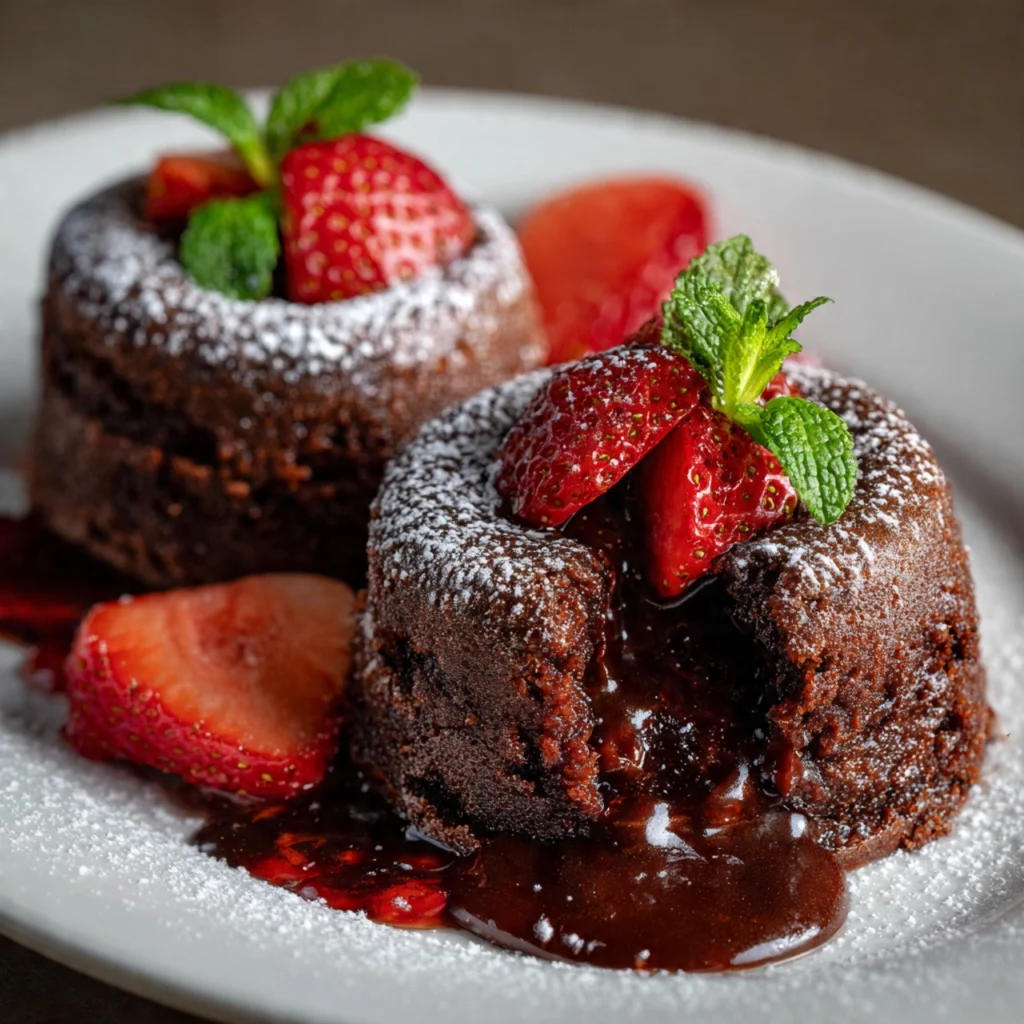
Dust with powdered sugar through a fine-mesh sieve. Add a scoop of vanilla ice cream, a few fresh berries, and a sprig of mint if desired.
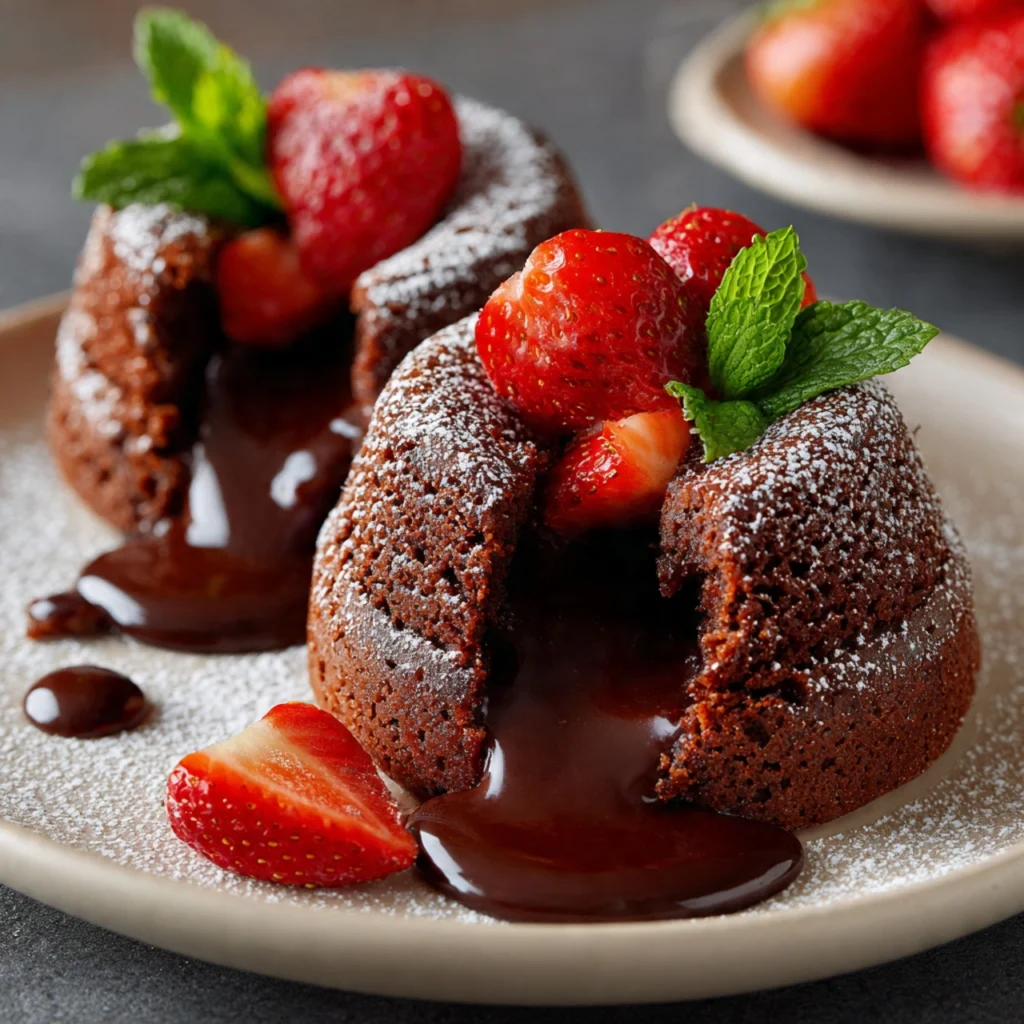
Serve immediately while the center is still flowing. Instruct your guests to cut into the center and watch the chocolate lava flow—it’s part of the experience!
Pro Tips for Perfect Molten Lava Cakes
Use Quality Chocolate
This dessert lives or dies by the quality of your chocolate. Since chocolate is the star ingredient, invest in a good-quality dark chocolate with 60-70% cacao content. Brands like Ghirardelli, Callebaut, or Lindt produce excellent results. Avoid chocolate chips, which contain stabilizers that affect melting properties.
Temperature Matters
Room temperature eggs incorporate more smoothly and create better volume when beaten. Take them out of the refrigerator 30 minutes before baking, or place them in warm water for 5 minutes.
The Make-Ahead Secret
One of the best-kept secrets about molten lava cakes is that you can make them completely ahead of time. Fill the prepared ramekins with batter, cover tightly with plastic wrap, and refrigerate for up to 24 hours.
When ready to bake, remove from refrigerator and let sit at room temperature for 10 minutes, then add 1-2 extra minutes to the baking time since they’re starting cold. This makes them perfect for dinner parties—all the prep is done, and you just pop them in the oven during dinner.
Master Your Oven
Every oven is different, so make these once before serving to guests. Note exactly how long they take in your oven at what temperature. Some ovens run hot and need 11 minutes; others need 13. Once you know your oven’s sweet spot, you’ll nail it every time.
The Jiggle Test
The most reliable indicator of doneness is the jiggle. When you gently shake the pan, the edges should be completely firm while the center jiggles like set Jell-O. If the whole cake jiggles loosely, give it another minute. If nothing jiggles, it’s overbaked (still delicious, just not molten).
Size Consistency
Use ramekins that are all the same size to ensure even baking. Standard 6-ounce ramekins work perfectly. If using smaller 4-ounce ramekins, reduce baking time by 1-2 minutes; for 8-ounce ramekins, add 1-2 minutes.
Flavor Variations
While classic chocolate is perfection, you can customize these cakes:
- Add a teaspoon of espresso powder to intensify chocolate flavor
- Fold in ¼ cup of peanut butter for a Reese’s-inspired version
- Add orange zest and a tablespoon of Grand Marnier for chocolate-orange
- Press a piece of caramel or a truffle into the center before baking for extra gooeyness
The Ice Cream Timing
If serving with ice cream, scoop it onto plates just before the cakes come out of the oven. The contrast of cold ice cream melting into hot molten chocolate is magical, but ice cream melts fast, so timing is everything.
Common Mistakes to Avoid
Overbaking
This is the number one mistake people make. Molten Lava Cakes should look slightly underdone when you pull them from the oven. Remember, they continue cooking in the ramekins even after removal from the oven. When in doubt, err on the side of underdone—you can always pop them back in for 30 seconds if needed.
Skipping the Butter and Flour Coating
Inadequately prepared ramekins lead to cakes that stick and break apart during unmolding. Be thorough with your butter application, hitting every spot including the rim. The flour coating is equally important—it creates a barrier between the butter and batter.
Using Low-Quality Chocolate
Baking chips or candy melts don’t work well here. They contain stabilizers that prevent proper melting and affect texture. Use real chocolate bars, chopped into pieces. The quality you put in is the quality you get out.
Not Measuring Flour Accurately
Too much flour creates a cakey texture rather than the fudgy exterior you want. Always spoon and level flour rather than scooping directly from the bag, which compacts it and gives you up to 25% more flour than intended.
Letting Batter Sit Too Long
Once you’ve combined all ingredients, get those ramekins into the oven fairly quickly (within 20 minutes). The leavening action from the beaten eggs diminishes over time, and the batter can deflate, affecting the final texture.
Opening the Oven Door Repeatedly
Every time you open the oven door, you lose significant heat. This can affect baking time and evenness. Set your timer, and don’t peek until at least 11 minutes have passed.
Improper Unmolding Technique
Flipping tentatively or hesitantly leads to broken cakes. When you’re ready to unmold, commit to the motion—hold firmly, flip quickly and confidently, tap decisively. Hesitation allows the cake to shift and break.
Serving Too Late
These cakes wait for no one. The molten center begins firming up within minutes of leaving the oven. Have your guests seated and ready, and serve immediately after unmolding.
Storage and Serving Suggestions
Short-Term Storage
Unbaked batter in ramekins: Cover tightly with plastic wrap and refrigerate for up to 24 hours. This is actually the ideal make-ahead method for entertaining. Bring to room temperature for 10 minutes before baking, adding 1-2 extra minutes to baking time.
Baked cakes: Molten lava cakes are meant to be served immediately. However, if you have leftover baked cakes, let them cool completely, cover, and refrigerate for up to 2 days. Reheat individual cakes in the microwave for 20-30 seconds to rewarm (though the center won’t be truly molten again).
Freezing Options
You can freeze unbaked batter in prepared ramekins. Cover tightly with plastic wrap, then aluminum foil, and freeze for up to 1 month. Bake from frozen, adding 3-4 minutes to the original baking time. This is perfect for having an emergency fancy dessert ready to go.
I don’t recommend freezing baked cakes, as the texture suffers significantly upon reheating.
Serving Suggestions
Classic Presentation: Dust with powdered sugar and serve with a scoop of premium vanilla bean ice cream. The cold-hot contrast is incredible.
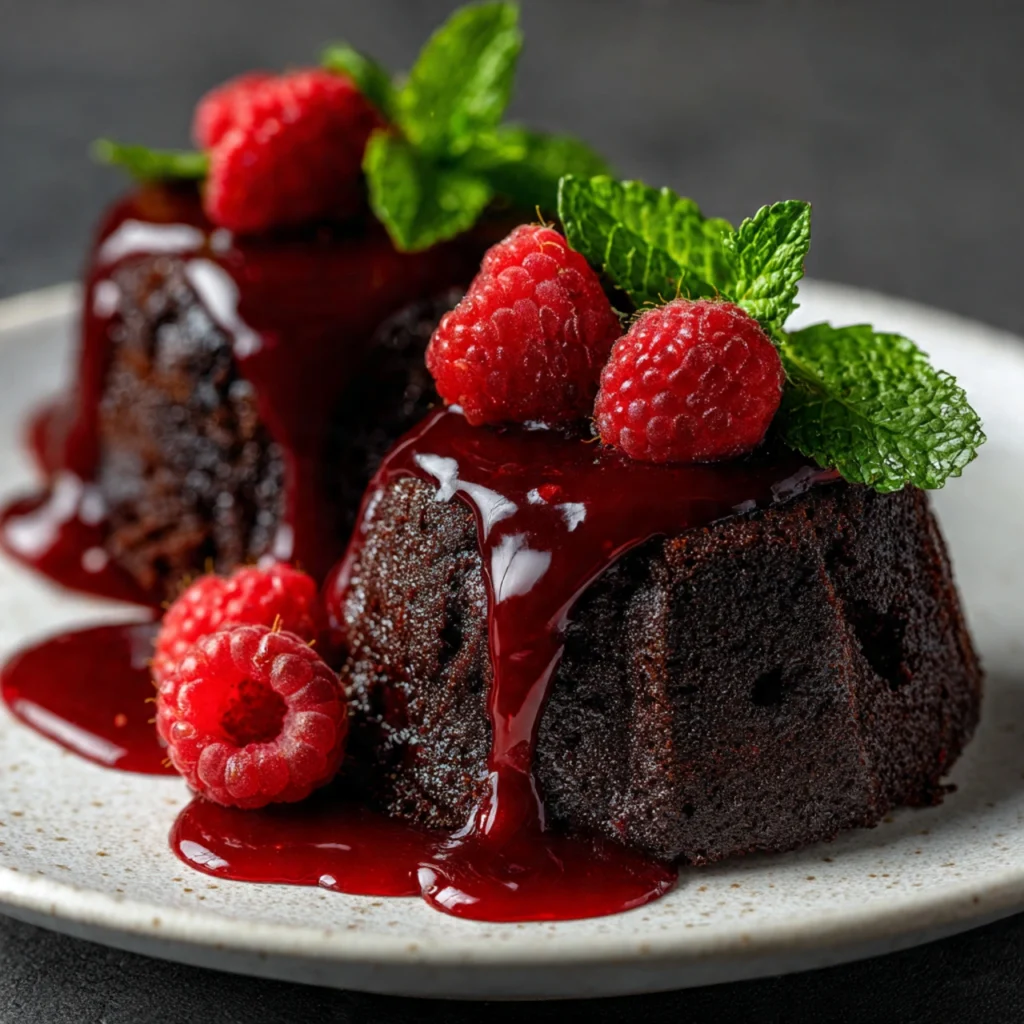
Berry Elegant: Serve with fresh raspberry sauce (simply pureed raspberries with a touch of sugar) and fresh berries scattered around the plate.
Caramel Lover’s Dream: Drizzle with salted caramel sauce and add a sprinkle of flaky sea salt on top.
Coffee Shop Style: Serve with a dollop of espresso whipped cream and chocolate shavings.
Over-the-Top Decadent: Add a scoop of ice cream, hot fudge sauce, whipped cream, and a cherry on top for a molten lava cake sundae.
Adult Version: Serve with bourbon whipped cream or a small pour of dessert wine like Port or late-harvest Riesling.
Plating Ideas
For restaurant-quality presentation, wipe any drips off the plate rim with a damp cloth. Create a swoosh of sauce on the plate before placing the cake. Add height by stacking a small scoop of ice cream on top rather than beside. Garnish with a small mint sprig and a few berries for color.
For a dramatic table-side reveal, bring the cakes to the table and cut into them in front of guests so everyone can see the molten center flow out.
FAQ For Molten Lava Cakes
Can I make molten lava cakes without ramekins?
Yes! You can use a muffin tin, though the cakes will be smaller. Generously butter and flour the cups, fill about ⅔ full, and reduce baking time to 8-10 minutes. You can also use small oven-safe coffee cups or any heat-safe individual baking dish. Just adjust baking time according to size—smaller vessels need less time, larger ones need more.
What’s the difference between molten lava cake and chocolate fondant?
They’re essentially the same dessert! “Chocolate fondant” is the French name, while “molten lava cake” is the American name. Some chefs argue fondant has a more soufflé-like exterior, but the principle is identical—a chocolate cake with a liquid center. The technique and results are virtually indistinguishable.
Why isn’t my center molten?
The most common cause is overbaking. Even 1-2 extra minutes can cause the center to set. Other factors: your oven may run hot (use an oven thermometer to verify), your ramekins might be smaller than standard, or you may have used too much flour in the batter. Try reducing baking time by 1 minute next time and watch for that telltale jiggle in the center.
Can I make these dairy-free or gluten-free?
For dairy-free, substitute the butter with coconut oil or vegan butter stick (not spread), and use dairy-free chocolate. The texture is nearly identical. For gluten-free, replace the all-purpose flour with a gluten-free blend or use almond flour—both work beautifully since there’s so little flour to begin with. The cakes may be slightly more delicate, so unmold extra carefully.
How do I know when they’re perfectly done?
The edges should be completely set and pulling away slightly from the ramekin sides. The top should look puffed with small cracks. Most importantly, when you gently shake the pan, the outer edge should be firm while the center has a distinct jiggle—like Jell-O that’s just set. If the whole thing jiggles loosely, it needs more time. If nothing moves, it’s overbaked.
Can I use milk chocolate instead of dark chocolate?
You can, but the result will be much sweeter and less sophisticated. Milk chocolate has more sugar and less chocolate liquor, resulting in a less intense chocolate flavor. If you prefer sweeter desserts, try semi-sweet chocolate (about 50-60% cacao) as a middle ground. Dark chocolate at 60-70% provides the best balance of sweetness and deep chocolate flavor.
What if I don’t have a double boiler?
No problem! You can create a makeshift double boiler with a heat-safe bowl set over a pot of simmering water. Alternatively, melt the chocolate and butter in the microwave in 20-second bursts, stirring between each interval until smooth. The microwave method works fine but requires more attention to prevent overheating.
Can I add fillings to the center?
Absolutely! For an extra gooey center, you can press a piece of soft chocolate truffle, caramel, or even a spoonful of Nutella into the center of the batter before baking. The filling will melt and combine with the molten cake center for an even more indulgent experience. Just make sure any additions are at room temperature before adding.
Nutrition Information
Serving Size: 1 molten lava cake Servings per Recipe: 4
- Calories: 385
- Total Fat: 28g
- Saturated Fat: 16g
- Trans Fat: 0g
- Cholesterol: 205mg
- Sodium: 95mg
- Total Carbohydrates: 31g
- Dietary Fiber: 3g
- Total Sugars: 24g
- Added Sugars: 21g
- Protein: 7g
- Vitamin D: 1mcg (5% DV)
- Calcium: 45mg (3% DV)
- Iron: 4mg (22% DV)
- Potassium: 185mg (4% DV)
Note: Nutrition information is approximate and calculated for the cake only, without ice cream or additional toppings. Values are based on using 60% dark chocolate and may vary depending on the specific chocolate brand used. Adding vanilla ice cream adds approximately 120-150 calories per serving.
Conclusion
Molten Lava Cakes represent everything we love about chocolate desserts—rich, indulgent, dramatic, and surprisingly achievable at home. What seems like an impossibly sophisticated restaurant creation is actually one of the most straightforward desserts you can master, requiring just six basic ingredients and less than 30 minutes from start to finish.
The magic of this dessert lies not in complicated techniques but in understanding the simple science of timing and temperature. Once you’ve made these cakes a few times and learned how your oven behaves, you’ll be able to produce perfectly molten centers with absolute confidence. That moment when you cut into the cake and watch the warm chocolate cascade onto the plate never gets old—it’s dessert theater at its finest.
What I love most about Molten Lava Cakes is their incredible versatility. They’re equally appropriate for a casual Tuesday night treat or the finale of an elaborate anniversary dinner. The make-ahead friendly nature means you can prep during the day and simply bake during dinner, emerging from the kitchen with a show-stopping dessert that looks like you’ve been working for hours.
Whether you’re celebrating Valentine’s Day, impressing dinner guests, or simply treating yourself to something extraordinary, this molten lava cake recipe delivers restaurant-quality results without the restaurant price tag or the need for professional pastry training. The combination of crispy edges, tender cake, and that gloriously flowing center creates a textural and flavor experience that’s truly unforgettable.
So grab some quality chocolate, dust off those ramekins, and prepare to become the dessert hero of your household. Once you master these molten lava cakes, you’ll have a secret weapon in your culinary arsenal—a dessert so impressive that people will think you spent hours creating it, when really, you’ll know it took just 15 minutes of active effort.
The only question left is: will you serve yours with vanilla ice cream, fresh berries, or both?
Happy baking, and may your centers always flow like lava!
PrintMolten Lava Cakes – Complete SEO Article
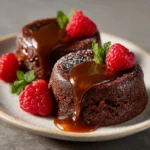
Molten Lava Cakes are decadent individual chocolate desserts with a perfectly gooey, flowing center. Restaurant-quality results in just 15 minutes with this foolproof recipe featuring rich dark chocolate and a tender, cake-like exterior that gives way to molten chocolate ganache.
- Prep Time: 15 minutes
- Cook Time: 12 minutes
- Total Time: 27minutes
- Yield: 4 individual cakes
- Category: Dessert
- Method: Baking
- Cuisine: French
- Diet: Vegetarian
Ingredients
Dark chocolate, unsalted butter, eggs, egg yolks, granulated sugar, salt, all-purpose flour, vanilla extract
Instructions
Prepare and butter ramekins, melt chocolate and butter together, beat eggs with sugar until thick and ribbony, fold chocolate into eggs, gently incorporate flour, divide into ramekins, bake at 425°F for 12 minutes until edges are set but centers jiggle, rest 1 minute, unmold onto plates, serve immediately with ice cream
Notes
Batter can be prepared up to 24 hours ahead and refrigerated in ramekins—add 1-2 minutes to baking time if baking from cold. The difference between molten and fully baked is about 60 seconds, so watch timing carefully. Use quality chocolate (60-70% cacao) for best results. Cakes must be served immediately while centers are still molten.